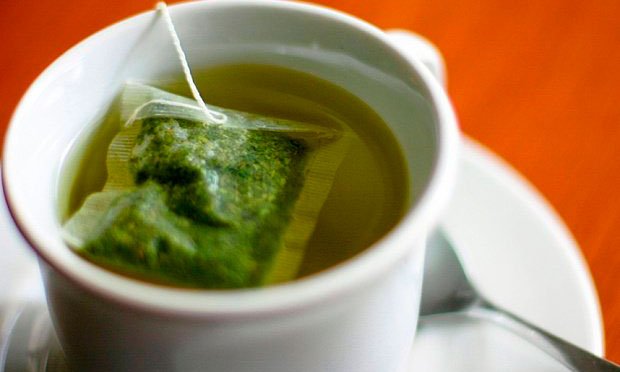
Coca tea and its benefits

Coca tea and its benefits
Description:
Known for its health effects, and even more so for its ancient use. Coca leaves have been cultivated in the lowlands of the Andes or mountainous areas for 4,000 years. It has historical, medicinal, and cultural significance. In this blog, we will tell you all about coca tea and its benefits.
Coca tea is a traditional infusion consumed in some regions of South America, especially in Andean countries such as Bolivia, Peru, Colombia, and Ecuador. Its main ingredient is the coca leaf, which comes from the coca plant (Erythroxylum coca), the same plant used to produce cocaine, although it is important to note that coca tea has no significant psychoactive effects due to its preparation process.
To prepare coca tea, dried coca leaves are placed in a gourd or similar container called a “mate” (also known as a “cuia” in some places) along with hot water. Sometimes, a little baking soda may be added to improve the extraction of the components of the coca leaf. It is then drunk through a bombilla, which is a kind of metal or bamboo straw with a filter at the bottom to prevent the leaves from reaching the mouth.
Coca tea has a mild, herbaceous flavor and is considered an energizing and stimulating drink. Traditionally, it has been used in Andean cultures for its medicinal properties, such as relieving altitude sickness (soroche) and helping to combat fatigue. However, it is essential to note that its consumption is mainly associated with local cultural and medicinal uses, and that the coca leaf in its natural form is not addictive and does not produce effects similar to cocaine.
What is the coca leaf?
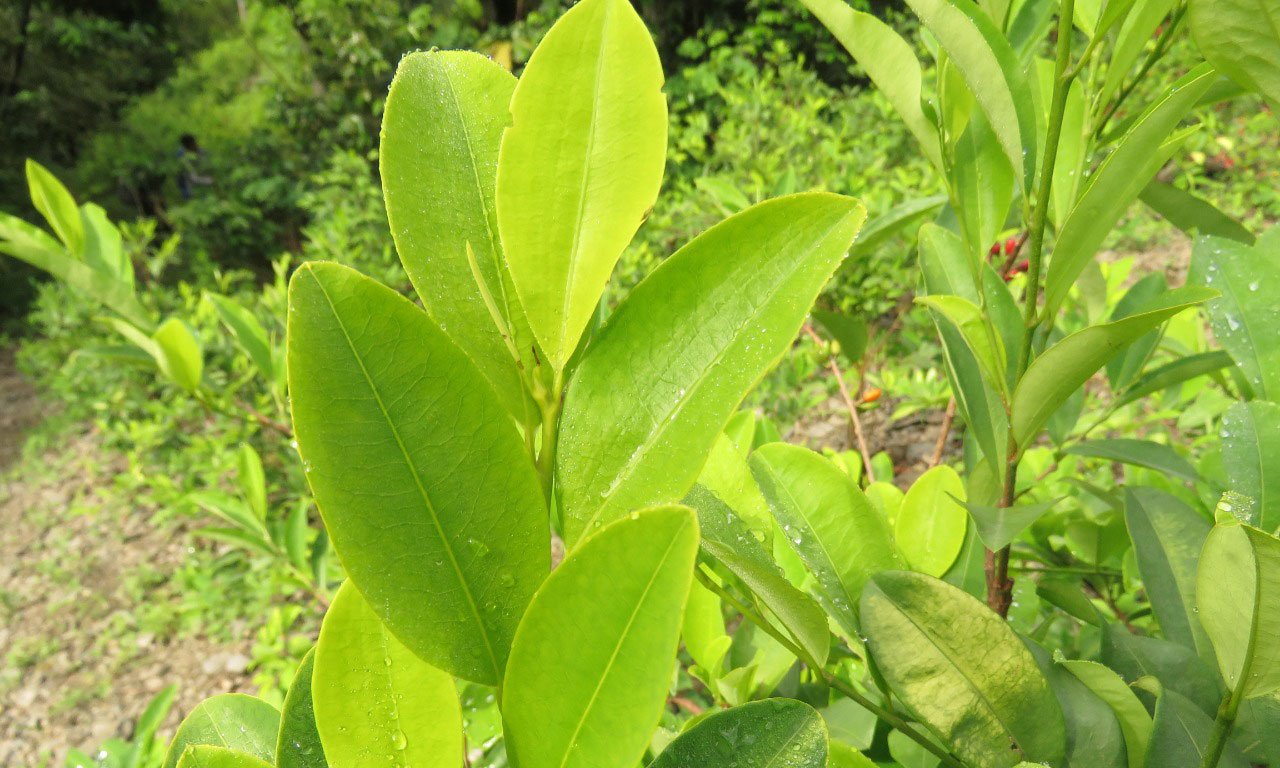
It is a plant with a combination of mineral nutrients, essential oils, and other components with varying degrees of benefit. It contains the alkaloid cocaine, which in its concentrated form is a stimulant with potentially addictive properties.
In Inca times, coca leaves were chewed and coca tea was drunk. It causes no harm and is even beneficial to human health. When chewed, the coca leaf acts as a stimulant, combating hunger, thirst, pain, and fatigue, and helping to overcome altitude sickness.
Properties of coca tea for altitude sickness or soroche
Coca leaves are rich in vitamins (A, B1, B2, B3, C, and E) and minerals (calcium, phosphorus, iron, sodium, and potassium).
Here are the health benefits of coca leaf tea:
It regulates blood pressure and improves oxygenation of the blood and brain.
It also stimulates the respiratory system.
The coca leaf today
When tourists arrive in Cusco, the altitude can cause altitude sickness: dizziness, nausea, headache, chills, etc. These are the symptoms of this condition, and it is highly recommended to drink coca tea to acclimatize. You can find coca tea in hotels, restaurants, and markets. It is an herbal infusion that is easy to prepare by placing coca leaves or tea bags in hot water.
In high Andean villages, farmers consume it by rolling the leaves into a ball and placing it in the side of their mouth to chew. It combats hunger and provides strength for agricultural work and for the cold. It is also used to make offerings to the Apus (mountains) and Pachamama (Mother Earth).
For athletes, coca leaves improve performance and take effect after 72 hours. Its consumption can be voluntary or involuntary, but it is prohibited for athletes and testing positive for it constitutes doping. Mate is made from whole, natural, unprocessed coca leaves. Therefore, unlike cocaine, it is not addictive.
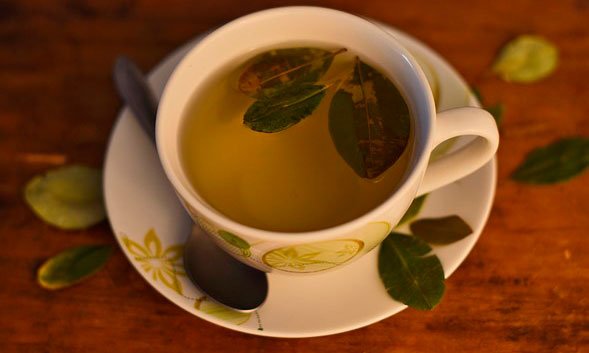
Coca Tea: Benefits and Properties
The characteristics and benefits of coca tea are detailed below:
Coca tea is extracted from coca leaves, a natural source of various vitamins (A, B1, B2, B3, C, and E) and minerals such as calcium, iron, sodium, potassium, and phosphorus.
These leaves contain 14 alkaloids and several tannins, which help to alkalize the body.
Consuming coca leaves stimulates oxygenation of the body, which benefits the respiratory and nervous systems, improving oxygen flow to the brain and blood, and also helps regulate blood pressure.
Coca tea can be useful in combating iron deficiency anemia, and it also promotes good digestion, relieves gas, and strengthens the intestinal flora, in addition to regulating carbohydrate metabolism, which is beneficial for people with sugar digestion problems.
It is attributed with analgesic properties, which can help relieve pain associated with arthritis or rheumatism.
Coca tea consumption is associated with a reduction in high triglyceride and cholesterol levels.
By stimulating the nervous system through improved oxygenation, it promotes improved memory, concentration, and attention.
Improved oxygenation contributes to more efficient overall body function, including increased physical endurance.
Coca tea has been found to prevent urinary tract infections due to its cleansing properties.
Coca tea is also useful for regulating appetite, making it beneficial in cases of eating disorders.
It is notable for its diuretic properties, which help prevent and treat fluid retention.
Thanks to its alkaline properties, this medicinal plant from the Andean regions helps eliminate toxins accumulated in the blood and improves liver function.
The vitamins present in coca leaves act as antioxidants, stimulating and strengthening the immune system.
Additionally, coca tea helps prevent tooth decay and osteoporosis due to its high calcium content.
Ways to drink coca tea
Traditional infusion: This is the most common way to prepare coca tea. To make it, you need dried coca leaves and hot water. Place the coca leaves in a gourd or similar container called a “mate” (or “cuia”) and add hot, but not boiling, water. Let it steep for a few minutes and then drink it through a metal or bamboo straw.
Tea bags: As with other types of tea, you can also find pre-packaged coca tea bags in some places. Just dip the bag in hot water and let it steep for a few minutes before drinking.
Powdered or ground coca leaves can be found and used to season dishes.
You can chew coca leaves. In this case, you will need fresh leaves.