


The Great Pajatén
THE GREAT PAJATEN
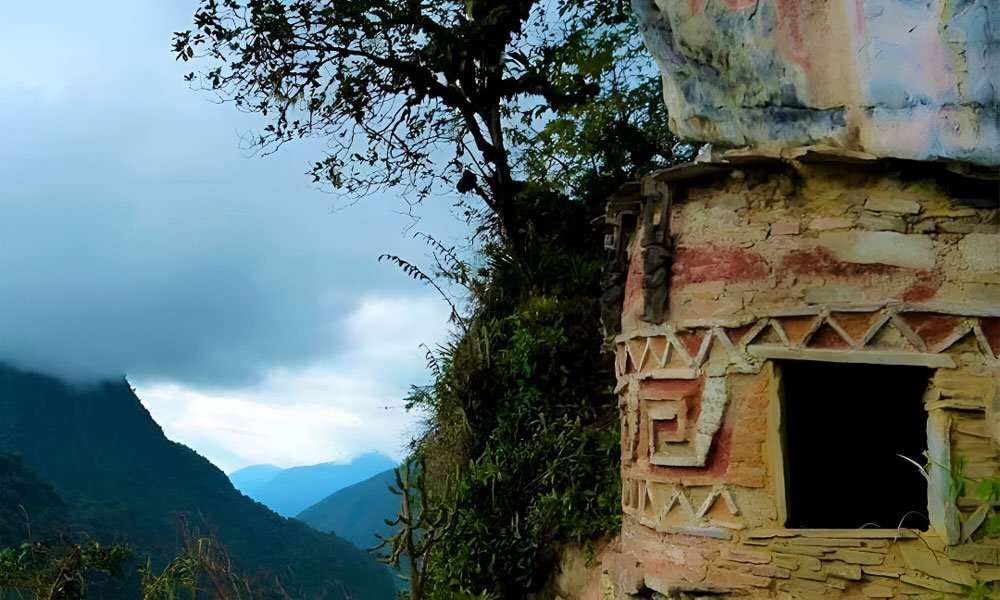
Gran Pajatén, the lost city of the Peruvian rainforest, lives up to its name, nestled within the dense vegetation of the cloud forest in the high jungle. It is an archaeological complex belonging to the Chachapoyas culture.
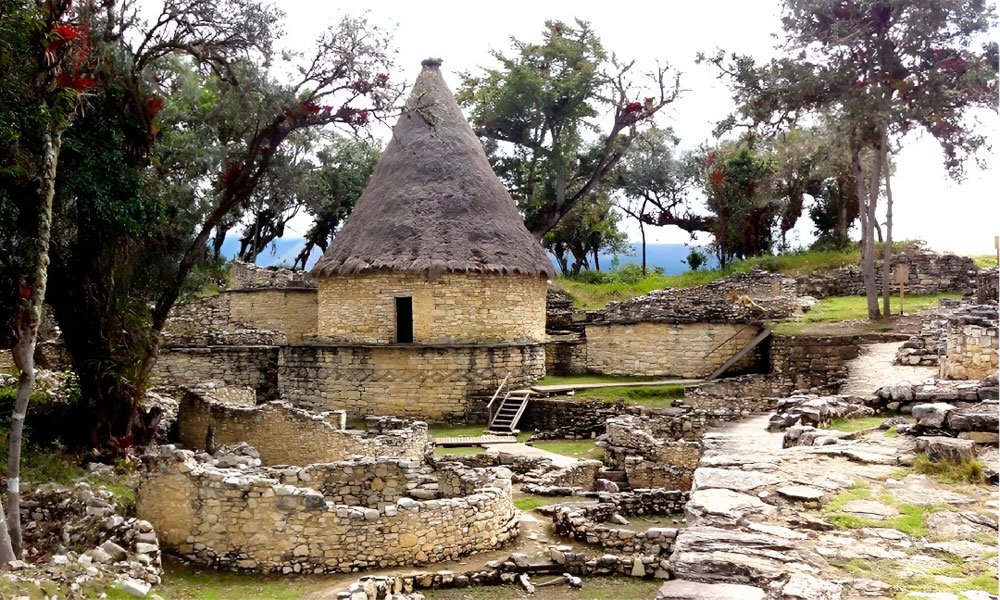
The architecture of Gran Pajatén, a site of the Chachapoyas culture, features approximately 26 circular structures, built on terraces of varying levels, connected by streets, platforms, and staircases, covering an area of 20,000 square meters.
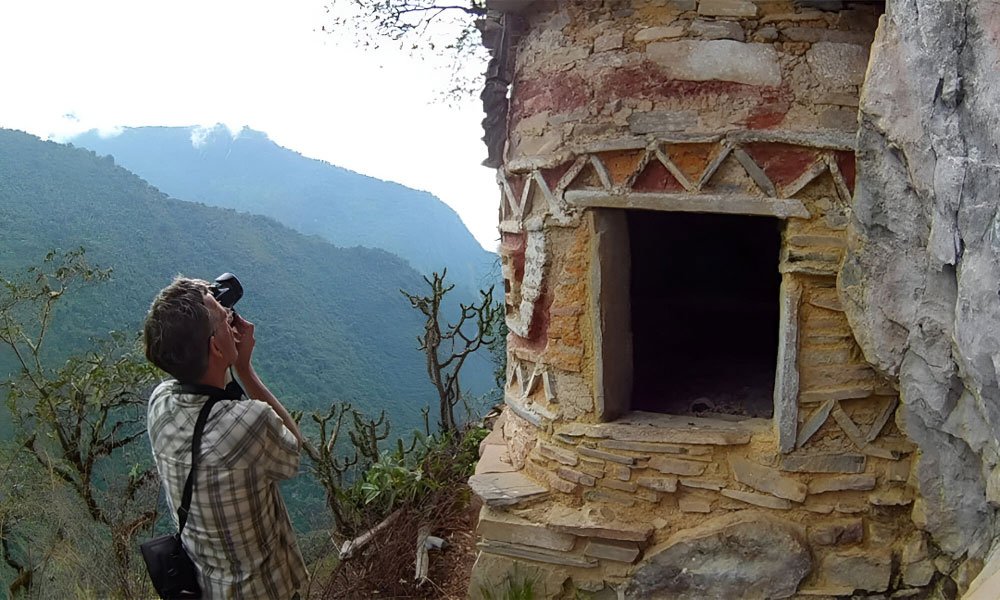
The most important buildings are decorated with mosaics depicting birds and geometric patterns. One of the iconic sites is the Los Pinchudos Burial Sanctuary, with its attractive anthropomorphic figures, which are a major tourist attraction.
Where is Gran Pajatén located?
Location: It is located at an altitude of 2,850 meters above sea level, within the Río Abiseo National Park, between the La Libertad and San Martín regions in northern Peru, at the confluence of the Marañón and Huallaga rivers.
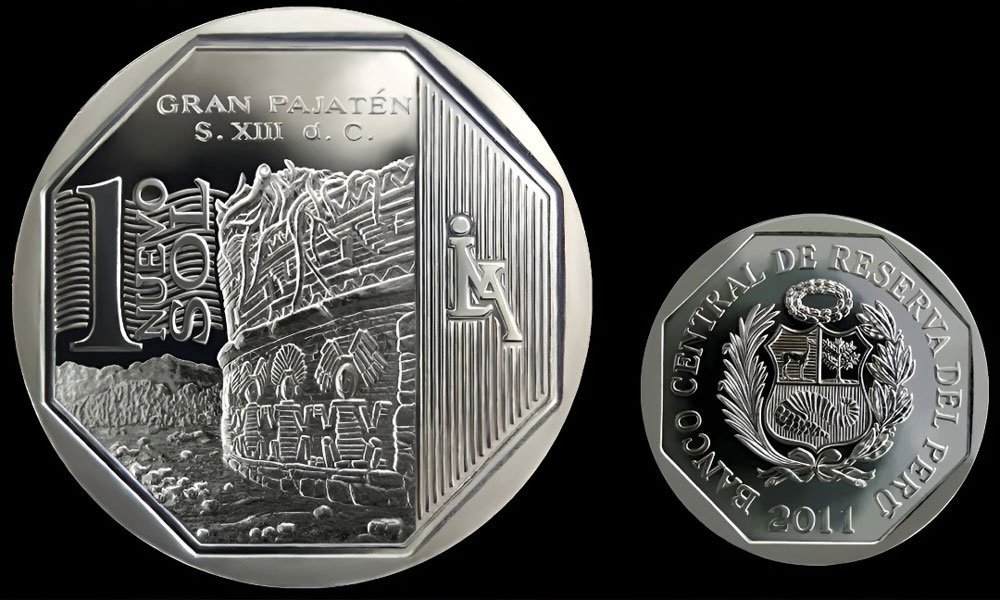
The Great Pajatén of Modena
Peruvian banknotes and coins feature images of important historical figures, nature, and cultural elements. For this reason, many banknotes and coins display new designs, especially the Peruvian Nuevo Sol coins, which even have entire series dedicated to specific themes.
The Great Pajatén is part of the seventh numismatic series, “Peruvian Heritage and Pride,” which was issued in 2011.
If you travel to Peru, you will undoubtedly be surprised by the wide variety of images and symbols you will find on the banknotes and coins.
History of El Gran Pajatén
Known by its nickname, the “Lost City of the Peruvian Jungle,” El Gran Pajatén wasn’t discovered until the end of 1932. A resident of Juanjuí (Trujillo), Eduardo Peña Meza, while searching for a new route connecting the jungle and the coast, stumbled upon the site and reported his discovery to the relevant authorities.
In 1985, a team from the Department of Anthropology at the University of Colorado conducted research at the site. Five years later, efforts were made to open the area to tourism, including the creation of access routes and clearing the area. However, several structures were damaged during these activities.
Since then, plans for the construction of tourist facilities and infrastructure have been continuously reviewed due to the site’s fragile nature, the high cost of conservation, and, most importantly, the need to minimize the impact on this archaeological park. This is one of the reasons why tourism to the site remains restricted.
El Gran Pajatén Tourism
Are you already fascinated by this place? If you wish to visit, you will need permission from the Peruvian Ministry of Agriculture and the National Institute of Culture.
The government is currently working to develop El Gran Pajatén as a sustainable tourist destination, aiming to diversify Peru’s tourism offerings.
What is the importance of Gran Pajatén?
Although it may seem like a remote place, it holds nominations of high value and international significance.
In 1990, UNESCO declared it a World Heritage Site for its natural value, and two years later, for its cultural value.
In 2016, as a Biosphere Reserve, Gran Pajatén, with its lost cities, continues to amaze us with its natural and cultural significance.
Its unique architecture, showcasing advanced engineering and stone-carving skills, has led some anthropologists to consider it comparable to Machu Picchu.
Gran Pajatén: Features
Within this lost city in the jungle, on the upper level, are the circular towers. The iconic entrance, featured on the Peruvian new sol coin, displays five human figures with their arms bent and knees outwards, each with a distinct head shape.
Gran Pajatén Biosphere Reserve: Flora and Fauna
The Gran Pajatén Biosphere Reserve was recognized by UNESCO on March 19, 2016, encompassing the departments of Amazonas, La Libertad, and San Martín. This reserve promotes sustainable conservation and development in collaboration with the local communities.
Furthermore, the Gran Pajatén Biosphere Reserve is the first to be recognized as a mixed heritage site, as its core area includes the Río Abiseo National Park.
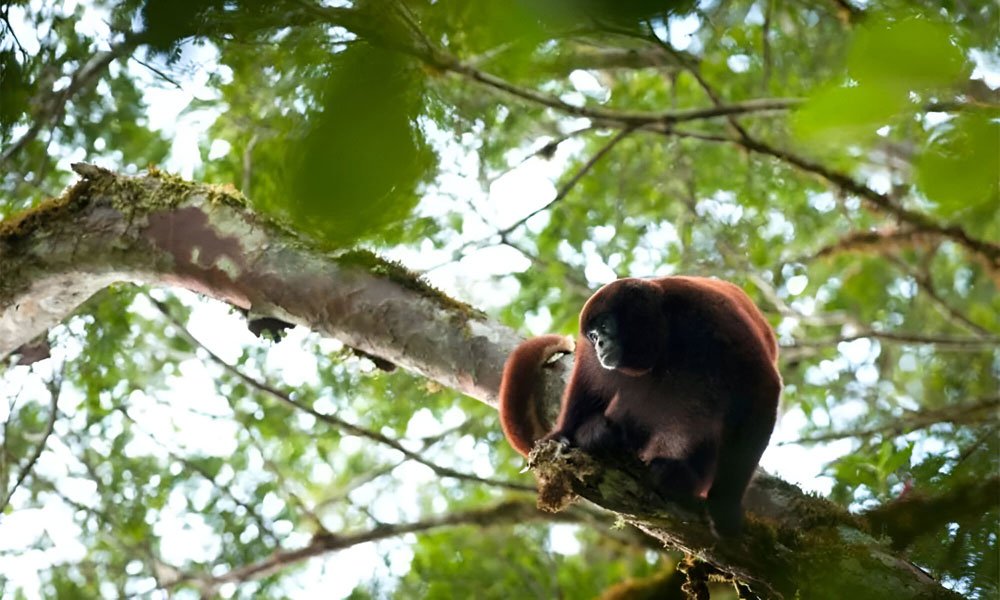
It protects biodiversity and endemic species, such as the yellow-tailed woolly monkey, and the magnificent structures of the Chachapoyas culture.
Gran Pajatén: How to Get There
Currently, access for tourists is restricted due to the fragility of this archaeological site; this limitation prevents it from being included in any standard tour package and requires prior authorization.
One way to visit this magnificent place is through a non-standard itinerary.
First leg: Lima – Trujillo
- By plane: Origin: Jorge Chávez International Airport
- Destination: Captain FAP Carlos Martínez de Pinillos International Airport
- Duration: 1 hour and 16 minutes
- Average price: 120 soles (40 USD) per ticket
- Airlines: LATAM Airlines, Sky Airlines, JetSmart
- By bus: Depending on the bus company, departures may be from different terminals.
- Destination: Trujillo Bus Terminal
- Duration: Approximately 10 hours
- Price: Fares range from 50 to 150 soles (15-45 USD), depending
- on the bus company and type of seat.Bus companies: Cruz del
- Sur, Civa, Línea, Allin Bus, etc.
Second leg: We will take a flight.
- Origin: Trujillo City
- Destination: Chagual Airport
- Duration: Approximately 45 minutes
- Airline: ASTA
Third leg: Travel by car
- Origin: Chagual
- Destination: Pataz Province
Fourth leg:
This last leg is the most important and adventurous part: a 2-3 day hike to reach Gran Pajatén, the lost city of the jungle.
Another popular option is to visit the Abiseo National Park, where various adventure and nature activities can be enjoyed, always respecting the park regulations. Most trips depart from Tarapoto. To reach this mysterious place, you must first travel to Juanjuí, which is 137 km from Tarapoto.
Would you like to embark on an expedition to Gran Pajatén?