


Miculla Archaeological Complex
Miculla Archaeological Complex
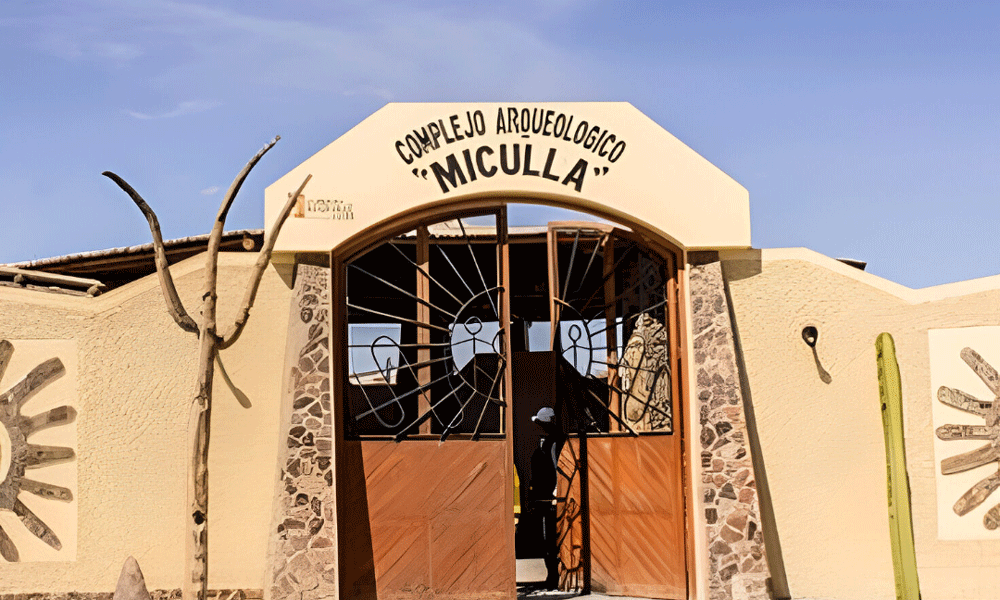
Miculla Archaeological Complex
One of the longest cave painting complexes in South America, located at 1,300 meters above sea level, the Miculla Archaeological Complex covers an area of 2,205.43 hectares, 42 of which feature 497 petroglyphs that have been made available to tourists. As a result, the Miculla Archaeological Complex has become an ideal destination for mystical, cultural, and adventure tourism.
To view all of the petroglyphs, visit the site museum or the archaeological site, where they are displayed in their natural state.
Geographical location
The Miculla archaeological complex is located between kilometers 20 and 26 of the Tacna-Palca highway, east of the city of Tacna, in the district of Pachía.
What are petroglyphs?
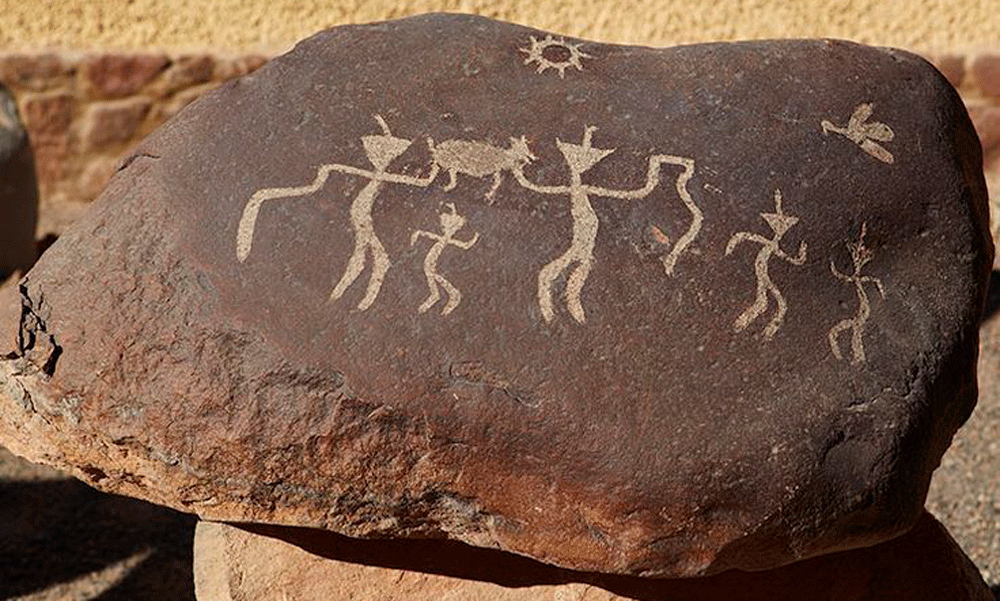
They are bas-relief carvings on rocks made using metal or stone tools and pressure, scratching, and percussion techniques. They depict scenes of hunting, dancing, bow and arrow battles, carrying loads, sexual scenes, and rituals of worship of water, the cosmos, and the earth.
All human figures are represented distinctly, with gender represented by prominent male sexual organs and female organs in the shape of an inverted V.
What function did the petroglyphs serve?
Archaeologists have two theories. The first is that the petroglyphs represent trade routes that maintained interaction between the coastal valleys. The second theory attributes a ritual and ceremonial function to the petroglyphs, requesting water from their apus to enrich the inhabited area.
The most notable petroglyphs are the fertility stone, which represents the erotic fertility ritual, and the water stone. These stones represent the lord of water, known as the lord of snakes because he carries two vials in his hands.
Tourist infrastructure implemented
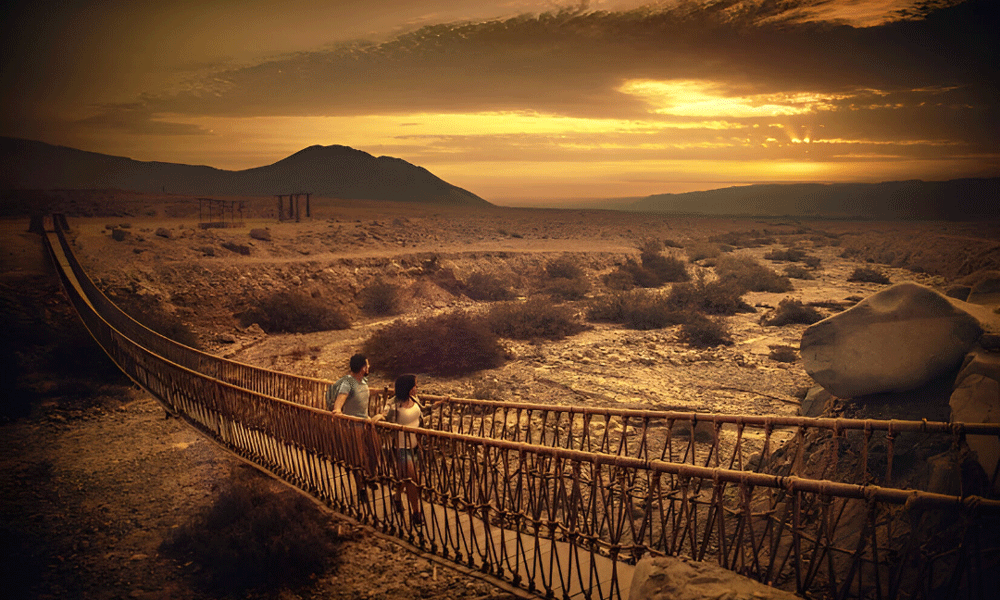
The most striking feature of the archaeological complex is that it has two suspension bridges over 75 meters long, two viewpoints, and five rest stops. In addition to guided tours, tourist services, souvenir sales, a dining room, information rooms, and finally a marked pedestrian circuit that covers approximately 3 linear kilometers.
What is the climate like at the archaeological complex?
It enjoys a sunny, temperate climate throughout the year and clear skies, resulting in a predominantly desert landscape.