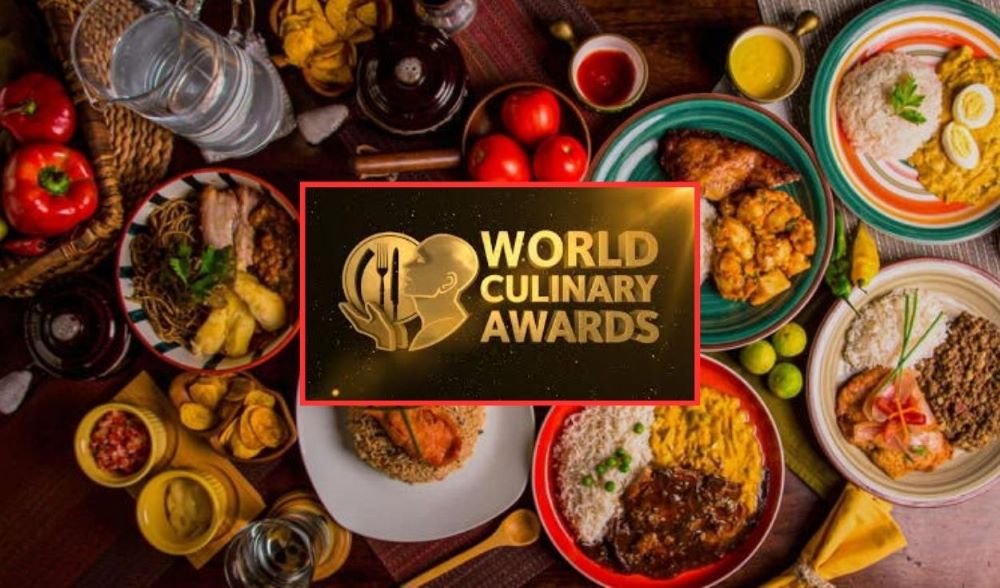
How Peru Became the World’s Gastronomy Capital
Peru has evolved over the last 20 years from a little-known culinary treasure to a major force in the world. Peruvian food is already a mainstay on the global culinary scene, from Michelin-starred restaurants to the busy street markets of Lima. However, how did this South American country become known for its cuisine?
Peru’s gastronomic rise is based on centuries of history, a thriving biodiversity, and an unshakeable pride in cultural heritage, making it much more than just a passing fad. It’s a tale of rediscovery of indigenous ingredients, traditional methods, and a profound reverence for the earth. Peru has redefined what it means to cook with soul, leading the globe not just with flavor but with heart, as chefs, farmers, and food enthusiasts come together under a common vision.
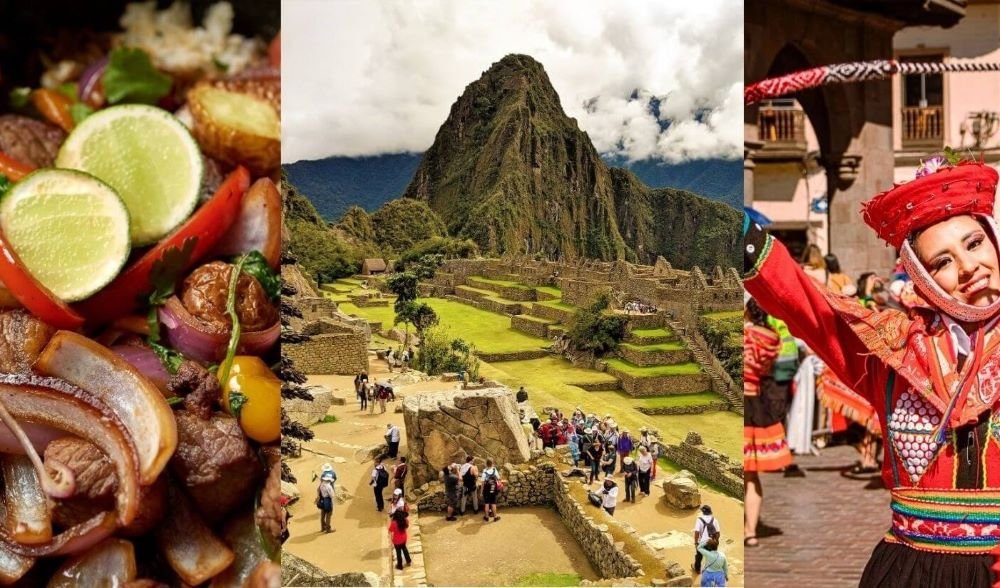
How Peru became the world’s gastronomy capital
A Cuisine Inherent in Diversity
The unparalleled diversity of Peru’s cuisine is its greatest asset. With more than 80 microclimates and a diverse range of cultural influences, such as Spanish, African, Chinese, Japanese, and Indigenous, Peruvian food combines ingredients and customs from many continents and ages.
Every area, from the Pacific coast to the Amazon rainforest to the high Andes, offers its own distinct flavors and ingredients:
- Indigenous crops include more than 3,000 types of potatoes, purple corn, and quinoa.
- Sea bass, scallops, and octopus are examples of coastal seafood.
- Rare fruits and herbs from the Amazon that aren’t often found elsewhere
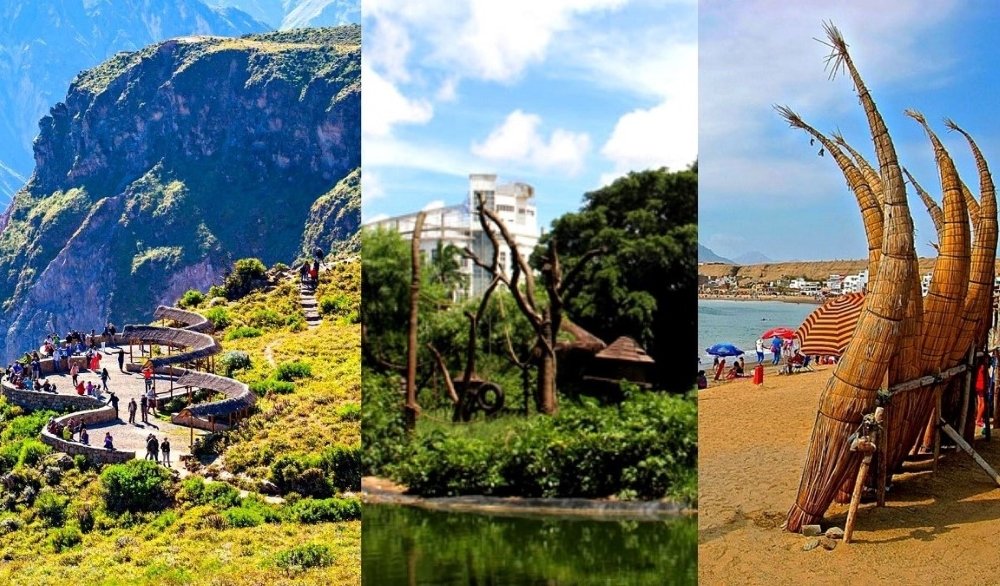
Exotic Peruvian Superfoods
- Quinoa: A grain high in protein and containing all nine essential amino acids, quinoa is referred to as the “gold of the Incas.” It promotes heart health, facilitates digestion, and gives you steady energy.
- Maca: A potent adaptogen, maca root raises vitality, balances hormones, and increases mental clarity and endurance.
- Kiwicha: Also known as amarath, is a gluten-free grain that is high in protein, fiber, and antioxidants that help the body fight off illness and heal muscles.
- Purple Corn: Packed with anthocyanins, purple corn promotes cardiovascular health, enhances circulation, and lowers inflammation.
- Camu Camu: Among the best natural sources of vitamin C, camu camu boosts skin health and immunological function.
- The Sacha Inchi: Sometimes referred to as the “Inca peanut,” is a great plant-based source of omega-3 fatty acids, which are good for the heart and brain.
- Ají Peppers: Packed with capsaicin, these Peruvian chili peppers, such as ají amarillo and rocoto, improve digestion, lower inflammation, and speed up metabolism.
- Chia Seeds: Once a mainstay of ancient societies, chia seeds are rich in protein, fiber, and omega-3 fatty acids that promote healthy digestion and provide sustained energy.
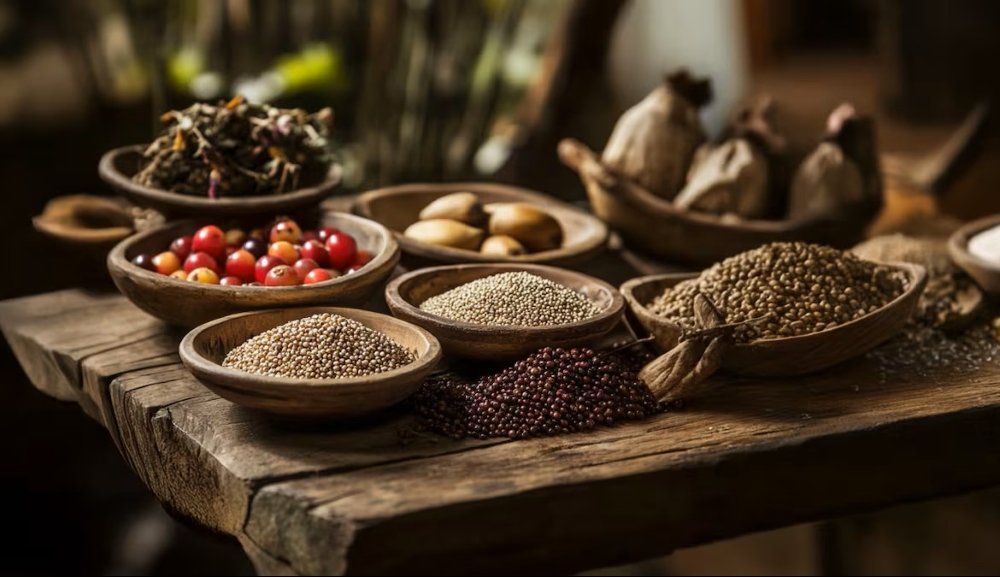
Famous Foods That Symbolized a Movement
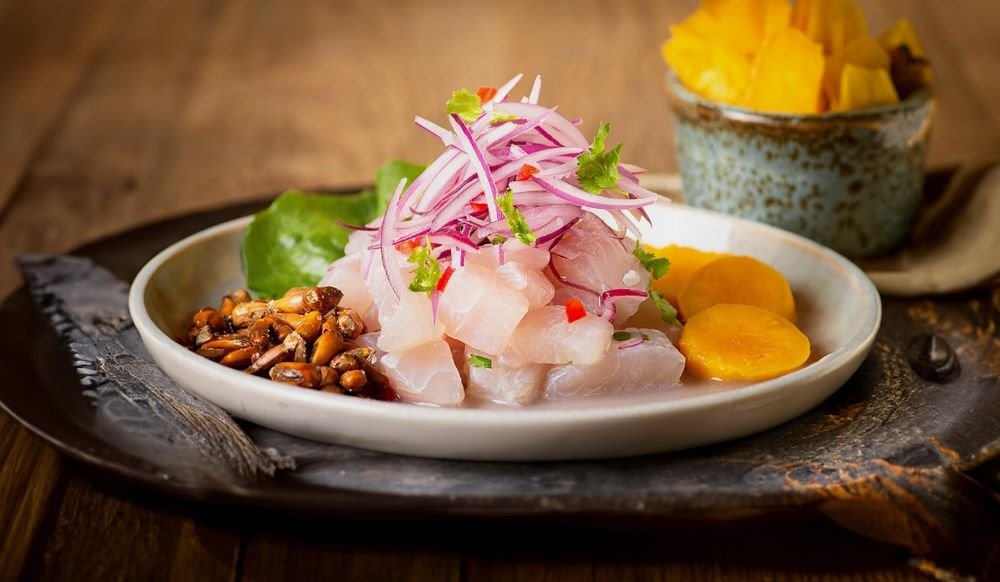
A few dishes have become Peruvian food ambassadors abroad. The nation’s signature meal, ceviche, is a prime example; it’s straightforward but elegant, with fresh fish cured in citrus with red onion, chile, and herbs. Other essentials include of:
- Lomo Saltado: Fries, soy sauce, and beef stir-fried
- Aji de Gallina: chicken shreds in a spicy, creamy sauce
- Anticuchos: marinated meat on grilled skewers, frequently made with cow heart
With each bite, these recipes bring Peru’s past into the present by narrating tales of migration, adaptability, and inventiveness. - Ceviche: The famous national food of Peru, which is created from raw, fresh fish marinated in lime juice with cilantro, onions, chile peppers, and garlic.
With each bite, these recipes bring Peru’s past into the present by narrating tales of migration, adaptability, and inventiveness.
The Chef Who Started a Revolution: Gastón Acurio
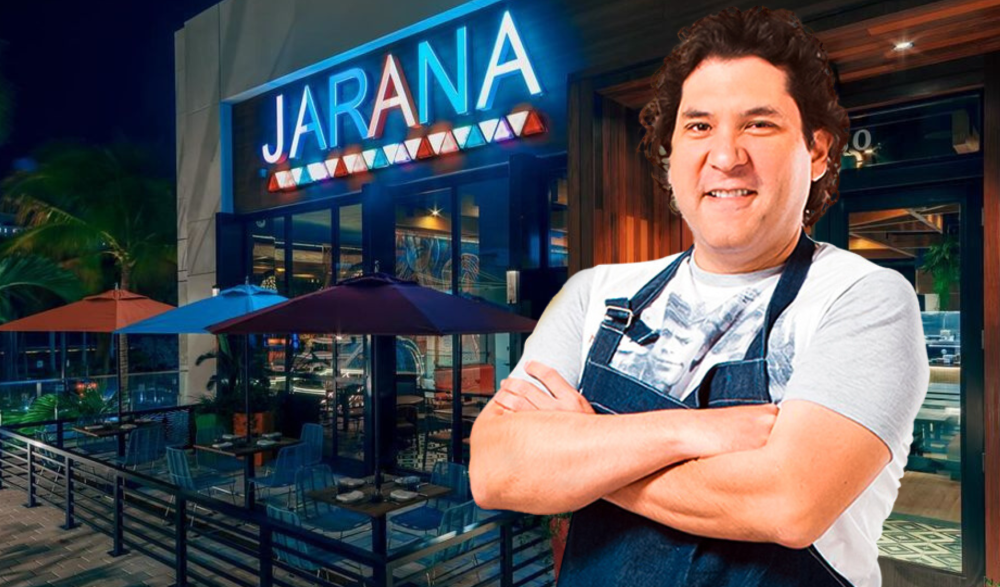
Gastón Acurio, a chef and visionary who thought traditional Peruvian cuisine could be upgraded to a world-class level, is at the center of Peru’s culinary revolution. By means of his flagship restaurant Astrid y Gastón, cookbooks, television programs, and mentoring, Acurio encouraged a new generation of chefs to discover and share their heritage.
He and others made it possible for Peruvian food to go from home kitchens to upscale dining establishments without losing its essence.
International Acclaim and Honors
Critics, chefs, and foodies have all praised Peru’s culinary scene. With several eateries included among the World’s 50 Best Restaurants, Lima has emerged as a global culinary hub:
- In 2023, Central was ranked first in the globe.
- Maido is a global leader in Nikkei, or Peruvian-Japanese, food.
- A cornerstone of Peru’s culinary ascent is Astrid y Gastón.
These honors symbolize a movement based on creativity, sustainability, and identity more than just great cuisine.