


Airbnb vs. Hotels: What’s Best for American Travelers
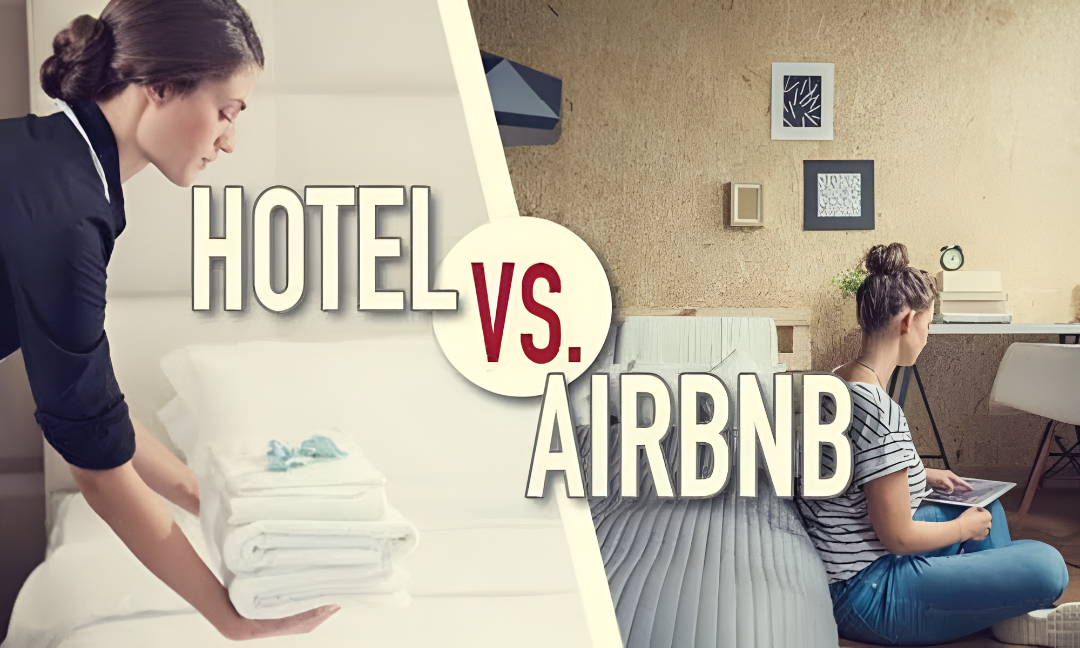
When planning an international trip, many Americans wonder what offers the best value — Airbnb or hotels. Both options have changed the way people travel, offering flexibility, convenience, and cultural experiences. However, each comes with its own pros and cons. Moreover, the choice often depends on budget, destination, and the type of experience travelers seek. Let’s compare the key differences to help you decide what suits you best.

Airbnb for American Travelers: Local Life & Flexibility
For many American travelers, Airbnb has changed the way people explore the world. Instead of staying in traditional hotels, travelers can now experience local life from inside real homes. Imagine sipping coffee on a Paris balcony or relaxing in a jungle cabin in Costa Rica — Airbnb makes that possible. Moreover, the platform offers millions of options, from budget apartments to luxury villas, all at your fingertips. It’s flexible, personal, and often more affordable than hotels. In short, Airbnb is perfect for those who value independence, authenticity, and the chance to live like a local wherever they go.
Where to Find Airbnb Rentals
Finding Airbnb rentals is easy — the platform operates in more than 220 countries, including the most popular destinations for Americans such as Mexico, Peru, France, Italy, and Japan. Moreover, Airbnb listings range from downtown apartments to countryside cabins. Travelers can filter by location, price, and amenities directly on the official app or website. In major cities like Paris or Lima, you’ll find hundreds of options just minutes away from main attractions, giving you the freedom to live like a local anywhere in the world.
How Much Does Airbnb Cost?
Prices vary depending on the destination, season, and property type. In general, Airbnb stays are 10–30% cheaper than standard hotel rooms for longer visits. For example, a private apartment in Cusco may cost around $40–80 USD per night, while luxury stays in New York or London can reach $150–300 USD. Moreover, cleaning and service fees may apply, so checking the total before booking is key. Still, for families and long-term travelers, Airbnb usually offers better value thanks to full kitchens and multi-room spaces.

Who Is Airbnb Best For?
Airbnb fits perfectly for independent travelers, families, digital nomads, and anyone seeking authentic cultural immersion. Unlike hotels, it lets you stay in residential neighborhoods, cook your own meals, and interact with locals. Moreover, it’s great for group trips — renting a full house often costs less than several hotel rooms. On the other hand, business travelers or short-stay guests may prefer hotels for quicker check-ins and on-site services. In short, Airbnb is for those who love flexibility and feeling at home, no matter where they are.
How Many Airbnbs Exist Worldwide?
Airbnb is now one of the largest accommodation networks globally, offering more than 7 million listings in over 100,000 cities. From treehouses in Costa Rica to lofts in New York and beach villas in Greece, the platform connects hosts and guests in every corner of the world. Furthermore, the company’s growth shows how travelers increasingly prefer experiences over traditional stays. This global reach makes Airbnb a reliable option for American travelers looking for both adventure and comfort abroad.

Hotels for American Travelers
When it comes to comfort and convenience, hotels remain the top choice for many Americans abroad. From boutique city stays to beachfront resorts, hotels provide everything travelers need — reliable service, daily cleaning, and full security. Moreover, the hotel industry continues to innovate, offering experiences that combine modern luxury with local culture. Whether you’re a business traveler, a couple on vacation, or a family exploring a new country, hotels guarantee peace of mind and consistency. In short, they offer that effortless comfort that makes you feel at home, even thousands of miles away.
Where to Find Hotels
Finding hotels is simple and reliable. Platforms like Booking.com, Expedia, and Hotels.com list thousands of options across every major destination. From boutique hotels in Europe to luxury resorts in Latin America, there’s something for every budget. Moreover, global chains such as Marriott, Hilton, and Hyatt ensure consistent quality wherever you go. In big cities like Lima, Paris, or Tokyo, hotels are usually located near transport hubs, restaurants, and cultural attractions — making them ideal for travelers who value convenience and accessibility.
How Much Do Hotels Cost?
Hotel prices vary by destination and category. On average, mid-range hotels cost between $80–150 USD per night, while luxury brands can range from $200–500 USD or more. Budget travelers can find 3-star hotels from $40 USD per night in many Latin American or Asian cities. Furthermore, many hotel chains offer reward programs that allow guests to earn points and redeem free nights. Although hotels can be pricier than Airbnb for long stays, they often include breakfast, cleaning, and security — making the value worthwhile for short trips.

Who Are Hotels Best For?
Hotels are perfect for travelers who prioritize comfort, safety, and service. Business professionals, couples, and families often prefer hotels because of their structured services — such as 24-hour reception, room service, and easy check-in. Moreover, hotels are ideal for short stays or destinations where language barriers or logistics may be challenging. They also suit travelers who enjoy consistency and prefer having everything handled for them. In short, hotels offer a worry-free experience where convenience and reliability come first.
How Many Hotels Exist Worldwide?
There are over 700,000 hotels around the world, providing more than 17 million rooms across continents. This global network means American travelers can find reliable accommodation in nearly every destination, from small towns to major capitals. Moreover, international hotel chains continue expanding, offering eco-friendly options, boutique designs, and modern amenities that compete with short-term rentals. Whether you seek five-star luxury or affordable comfort, the hotel industry guarantees variety, safety, and a familiar sense of hospitality anywhere you go.
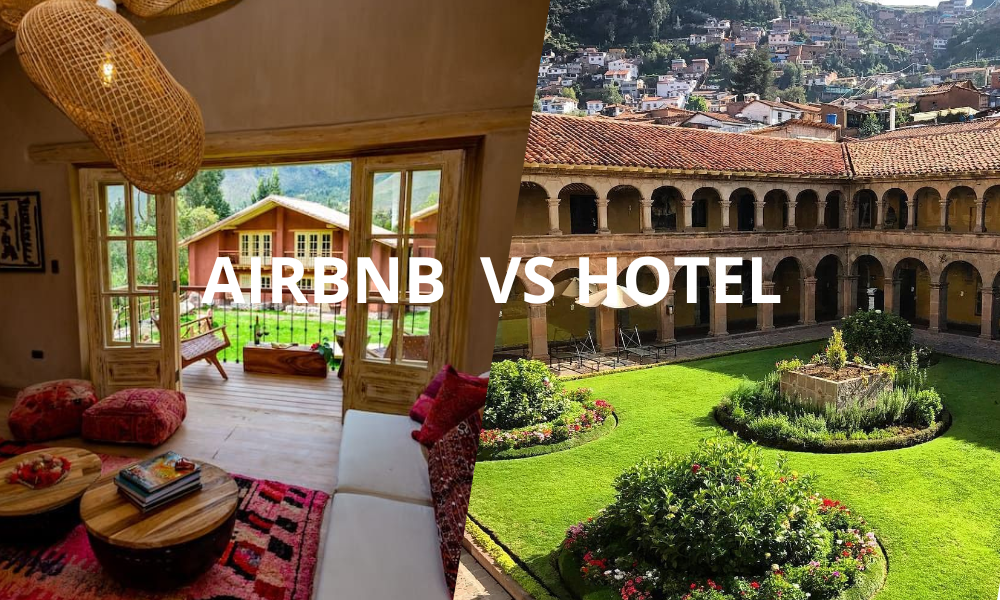
Airbnb vs Hotels: Which Is Better for American Travelers?
Choosing between Airbnb vs hotels depends on your travel style, destination, and budget. Both have their own advantages, so the best option is the one that matches your priorities. Here’s a quick comparison to help you decide.
Airbnb: Local Life & Independence
Pros:
Feel like a local — live in real neighborhoods.
Great for long stays, families, and groups.
Access to kitchens and personal spaces.
Often cheaper for extended trips.
Cons:
Cleaning fees can raise the final price.
No daily housekeeping or reception service.
Quality depends on the host’s reliability.
Digital nomads, couples, and adventurous travelers who want flexibility, culture, and a “home away from home” feeling.
Hotels: Comfort & Consistency
Pros:
24-hour staff, security, and daily cleaning.
Reward programs and loyalty points.
Predictable quality and easy booking.
Ideal locations close to attractions.
Cons:
Usually more expensive for long stays.
Less personal or local interaction.
Limited space for groups or families.
Business travelers, short-term tourists, and families seeking comfort, safety, and full service without worries.