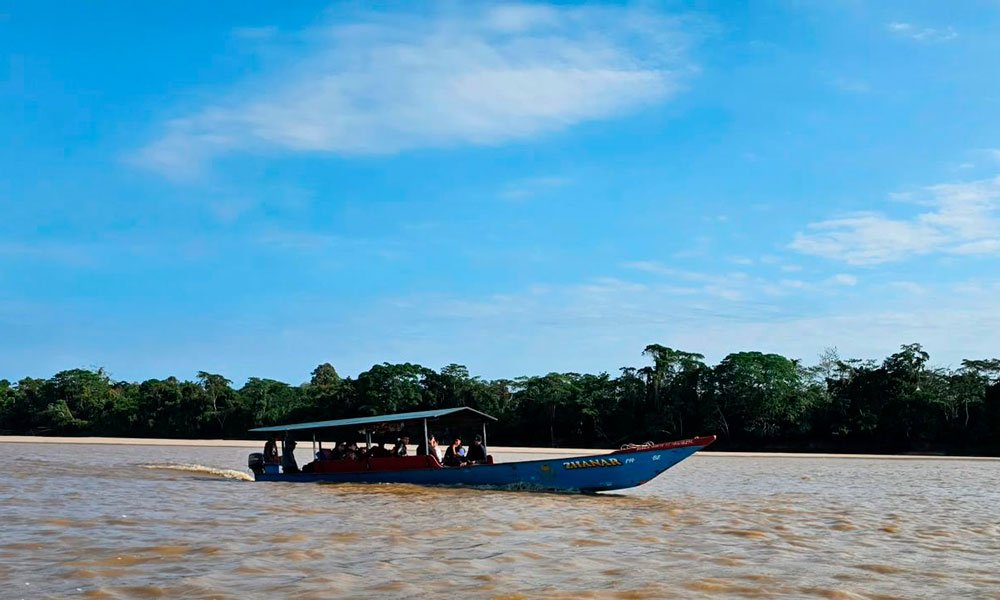
The Peruvian Amazon: Iquitos vs. Tambopata vs. Manu.
The Amazon rainforest in Peru covers nearly 60% of the country’s surface and is considered one of the richest areas in terms of biological diversity in the world. Its dense vegetation is home to more than 25,000 types of plants, 1,800 types of birds, and numerous indigenous communities that preserve their customs. Exploring the Amazon is more than just a nature trip; it is a cultural, spiritual, and environmental experience.
The three most representative places are Iquitos, Tambopata, and Manu, each with its own unique appeal and ease of access.
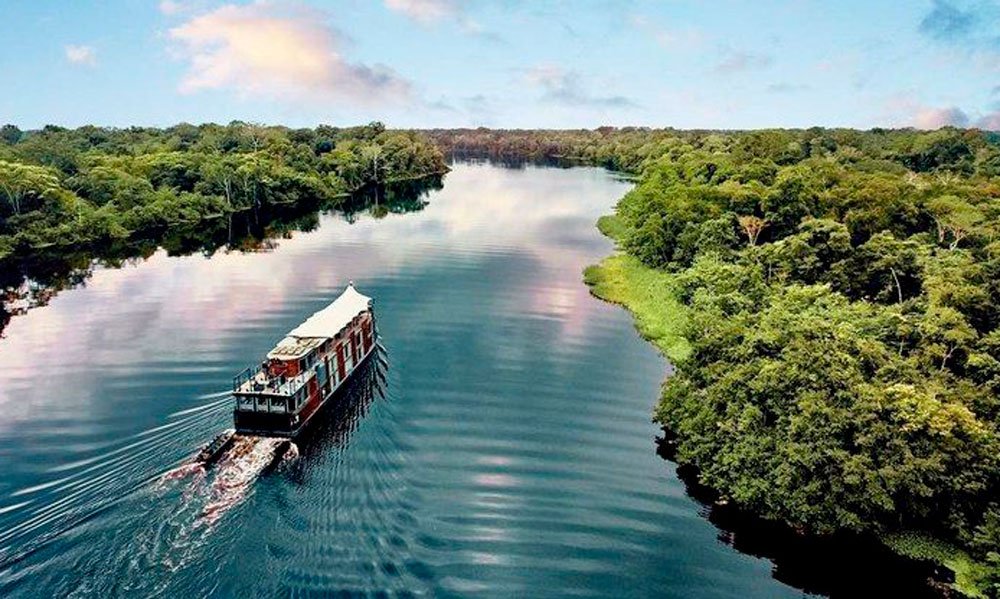
Iquitos: The Urban Gateway to the Amazon
Iquitos, the capital of Loreto, is the largest city in the Peruvian rainforest and can only be reached by plane or river. It blends Amazonian life with urban elements, offering lodging, markets, and excursions to the Amazon River, as well as nature reserves such as Pacaya Samiria.
Key Facts:
- Ideal for: Travelers seeking comfort and local culture.
- Activities: Sailing the Amazon, visiting riverside communities, and watching pink dolphins.
- Best time: June to September (dry season).
- Climate: Warm and humid year-round (average 28°C).
Access:Daily flights from Lima or Tarapoto.
Recommended for: Those seeking a blend of jungle, culture, and comfort.
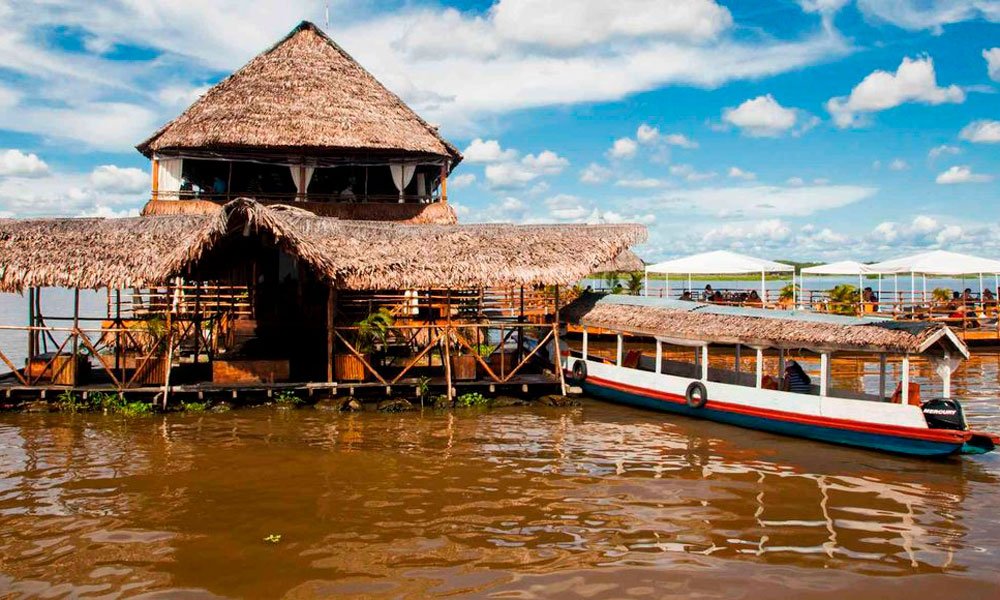
Tambopata: Accessible Biodiversity in Madre de Dios
Located near Puerto Maldonado, Tambopata is an ecological gem easily accessible by plane from Cusco or Lima. Its Tambopata National Reserve is home to one of the largest concentrations of wildlife on the planet, including macaws, jaguars, and black caimans.
Key Facts:
- Ideal for: Ecotourists and nature photographers.
- Activities: Eco-lodge tours, night hikes, and visits to clay licks (clay walls where birds feed).
- Best season: May to October.
- Climate: Tropical with frequent rainfall; best time to visit between May and October.
Access: Flights from Lima or Cusco to Puerto Maldonado + river transportation.
Recommended for: Photography, nature, and ecotourism enthusiasts.
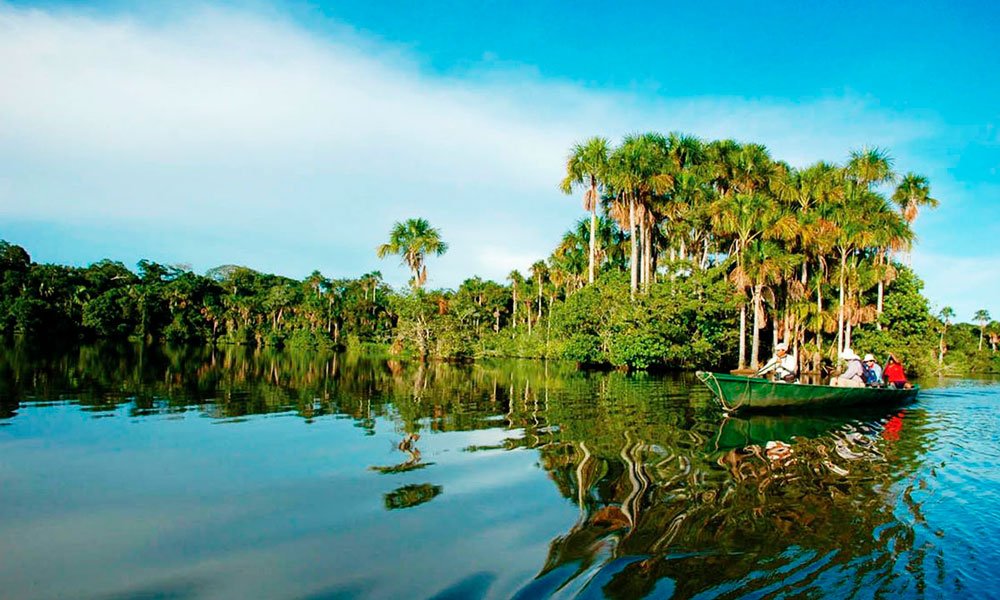
Manu: The Untouched Heart of the Virgin Rainforest
Manu National Park, recognized as a UNESCO World Heritage Site, covers more than 1.7 million hectares and protects ecosystems ranging from the Andes to the lowland rainforest. It is considered one of the places with the greatest biodiversity on the planet.
What makes Manu unique:
- Incredible diversity: more than 200 species of mammals and 1,000 species of birds.
- Responsible tourism: Access is regulated to minimize environmental impact.
- Living culture: Communities like the Matsiguenka maintain ancestral traditions.
- Authentic experience: without great luxuries, but with direct contact with the purest jungle.
Access: From Cusco, by land and river (licensed guide required).
Best time: May to November (dry season).
Recommended for: Adventure travelers, biologists, and wildlife lovers.
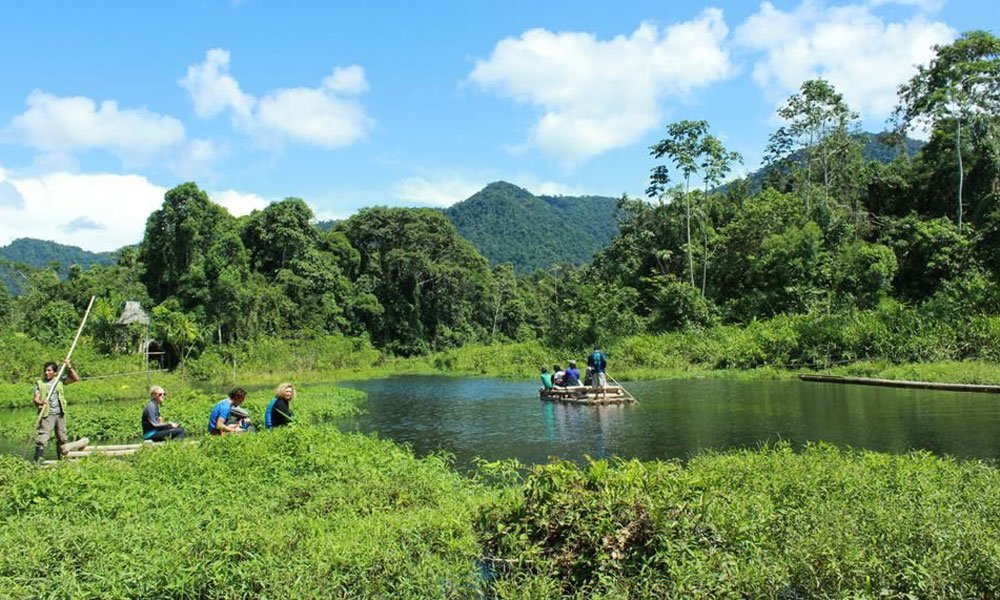
Quick Comparison: Iquitos vs. Tambopata vs. Manu
Each of these destinations within the Peruvian Amazon offers a unique experience, tailored to different traveler profiles. While all boast rich natural and cultural diversity, there are clear differences in access, comfort level, and type of adventure available.
Access
Iquitos is the most remote of the three cities, accessible only by plane or via the Amazon River; it has no roads connecting it to the rest of the country.
In contrast, Tambopata is the easiest to reach. You can easily fly from Cusco or Lima to Puerto Maldonado, then navigate the river to the eco-lodges.
Meanwhile, Manu is the most isolated and complicated to reach, requiring a combination of land and water transportation from Cusco, perfect for those who prefer less crowded routes.
Type of Experience
Iquitos blends Amazonian culture with nature, offering urban tours, excursions on the Amazon River, and visits to indigenous communities.
Tambopata focuses on wildlife observation and nature photography, with sites like Lake Sandoval and the macaw clay licks, where biodiversity can be appreciated up close.
On the other hand, Manu offers an intense exploration experience, with a virtually untouched rainforest, ideal for biologists, researchers, and adventurers seeking direct contact with wildlife.
Comfort Level
Iquitos has a good variety of hotels, restaurants, and comprehensive tourist services, making it the most comfortable option for first-time visitors to the rainforest.
Tambopata offers a combination of comfort and nature, with well-equipped eco-lodges that respect the environment.
Manu, due to its protected and remote nature, offers basic facilities and simple accommodations, prioritizing conservation over luxury.
Wildlife
Iquitos’ wildlife is abundant, but more dispersed due to its proximity to populated areas.
Tambopata is distinguished by its high concentration of species, making it one of the best places on the planet to observe birds, monkeys, caimans, and butterflies.
However, Manu stands out among all in biodiversity: its isolation has allowed it to preserve thousands of unique species, including jaguars, giant otters, and endemic birds.