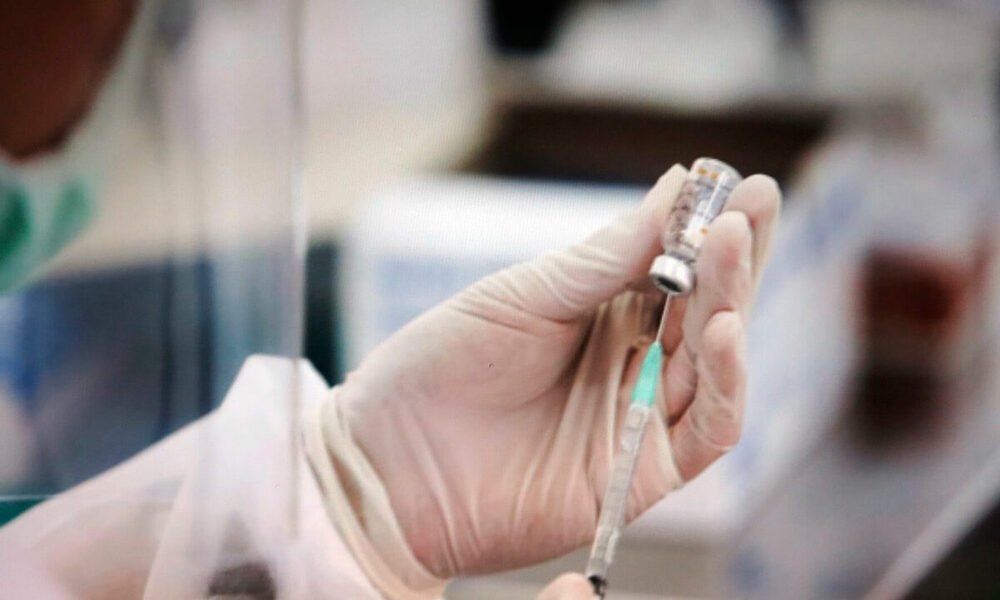
Vaccination tips and health precautions.

Before exploring Machu Picchu or the Peruvian Amazon, it’s essential to review your vaccination tips and health precautions for traveling in Peru — ensuring your trip is both safe and unforgettable.
Traveling to Peru is an unforgettable adventure — from the heights of Machu Picchu to the depths of the Amazon rainforest. Yet, before immersing yourself in ancient ruins and vibrant cultures, it’s crucial to prepare your body as well as your itinerary. Proper vaccination and health precautions ensure that your journey is safe, smooth, and filled only with good memories.
Whether you plan to trek the Andes, explore Lima’s coast, or cruise the Amazon River, understanding local health risks and preventive measures will help you travel confidently. With the right vaccines and preparation, you can enjoy every part of Peru — from mountain villages to tropical rainforests — in complete peace of mind.
Recommended Vaccines for Traveling to Peru

Before traveling to Peru, it’s essential to review your vaccination history and ensure you’re protected against diseases that may occur in different environments — from humid jungles to high Andean villages. Here’s a complete overview of the most important vaccines and where they’re recommended:
1. Hepatitis A
Purpose: Protects against Hepatitis A virus, transmitted through contaminated food and water.
Recommended for: All travelers to Peru, regardless of the region.
Areas of risk: Common across the country, especially in rural and coastal areas where food hygiene may vary.
2. Typhoid (Fiebre Tifoidea)
Purpose: Prevents typhoid fever, caused by Salmonella Typhi bacteria from unsafe water or food.
Recommended for: Travelers planning to eat in local markets, small towns, or street food areas.
Areas of risk: More frequent in the Amazon Basin and rural Andean regions.
3. Tetanus, Diphtheria & Pertussis (Tdap Booster)
Purpose: Protects against infections from cuts, wounds, or poor sanitation.
Recommended for: All visitors, particularly adventure travelers, hikers, and volunteers.
Areas of risk: Nationwide — accidents and minor injuries can happen anywhere.
4. Yellow Fever (Fiebre Amarilla)
Purpose: Prevents the mosquito-borne viral disease common in tropical zones.
Recommended for: Travelers visiting the Amazon Rainforest (Iquitos, Madre de Dios, Tambopata, Manu National Park).
Requirement: Mandatory for entry to some jungle lodges and border crossings near Brazil or Colombia.

5. Hepatitis B
Purpose: Protects against blood-borne Hepatitis B virus.
Recommended for: Long-term travelers, healthcare workers, and anyone with possible medical exposure or close local contact.
Areas of risk: Amazon regions and rural Andean communities.
6. Rabies (Rabia)
Purpose: Prevents rabies transmitted by dog or bat bites.
Recommended for: Travelers spending extended time outdoors, camping, or visiting caves and remote jungle zones.
Areas of risk: Amazon rainforest, countryside, and small villages.
7. Influenza (Seasonal Flu)
Purpose: Reduces risk of seasonal influenza, which can affect high-altitude acclimatization.
Recommended for: All travelers, particularly during May – September, the Peruvian dry season (winter).
Areas of risk: Urban centers such as Lima, Cusco, and Arequipa.

8. COVID-19 (Updated Boosters)
Purpose: Protects against COVID-19 variants and facilitates travel requirements.
Recommended for: Everyone, especially before long flights and crowded tourist sites.
Areas of risk: All populated destinations.
Health Precautions and Altitude Safety in Peru
Traveling to high-altitude destinations like Cusco, Puno, and Arequipa is one of the highlights of visiting Peru — but the change in elevation can challenge even the most experienced travelers. Known locally as soroche, altitude sickness occurs when your body struggles to adapt to lower oxygen levels found above 2,500 meters (8,200 ft). Understanding its symptoms and how to prevent them will help you enjoy your trip without interruptions.
Common Symptoms of Altitude Sickness
Here’s what travelers most frequently experience during the first 24–48 hours at high altitude:
- Headache: Usually mild to moderate, caused by lack of oxygen to the brain.
- Fatigue and dizziness: Feeling unusually tired or light-headed after minimal effort.
- Nausea or loss of appetite: The digestive system slows at higher altitudes.
- Shortness of breath: Especially noticeable when climbing stairs or walking uphill.
- Trouble sleeping (insomnia): The body adjusts oxygen levels even during rest.
Recognizing these early signs is essential — they indicate that your body needs more time to acclimatize.
2. Acclimatization and Prevention Tips
The best way to prevent soroche is to ascend gradually and give your body time to adapt. If you’re arriving directly in Cusco by plane (3,400 m / 11,150 ft), spend your first day taking it slow — rest, drink plenty of water, and avoid alcohol or heavy meals.
Many travelers choose to start their journey in Sacred Valley (2,800 m) or Arequipa (2,300 m) before heading to higher destinations, allowing for a smoother adjustment.
Hydration plays a key role — drink at least 2–3 liters of water daily. Herbal teas like coca or muña tea help naturally, and some hotels offer oxygen tanks for guests who feel light-headed.
3. Medications and Natural Remedies
If you’re prone to altitude sensitivity, consult your doctor about taking acetazolamide (Diamox) before ascending. This medication helps the body adapt by stimulating breathing and improving oxygen levels.
Alternatively, local remedies such as coca leaves, coca candies, or muña infusions are widely used by Andean communities and can be effective in mild cases.
Remember, severe symptoms like persistent vomiting, confusion, or difficulty breathing may signal acute mountain sickness (AMS) — in those cases, descending to a lower altitude and seeking medical attention is crucial.
Food and Water Safety While Traveling

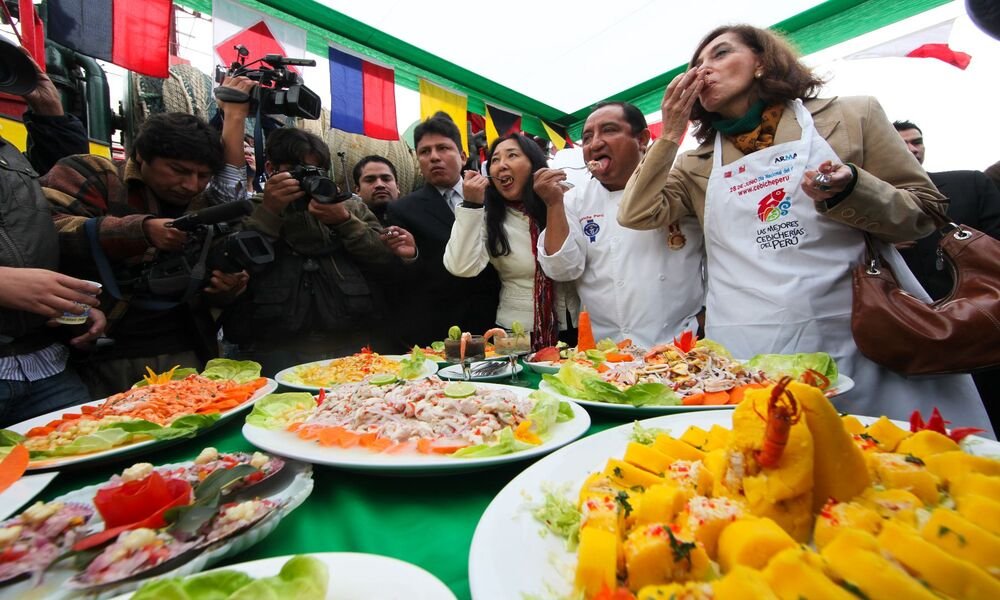
One of the greatest joys of visiting Peru is tasting its incredible cuisine — from ceviche in Lima to alpaca steak in Cusco or juanes in the Amazon. But even the most adventurous foodie should take a few precautions to keep their stomach happy and their trip worry-free.
Peruvian gastronomy is full of flavors, spices, and textures that tempt every traveler. Still, differences in water quality or food handling can sometimes cause “traveler’s tummy.” The golden rule? Eat where locals eat — but wisely. Look for busy places with high food turnover, clean utensils, and visible hygiene standards. Markets like San Pedro (Cusco) or Surquillo (Lima) are perfect examples: authentic, lively, and safe when you choose freshly prepared dishes.
Water deserves special attention. In most regions of Peru, tap water isn’t safe to drink. Always go for sealed bottled water or water that has been boiled or filtered. When ordering beverages, ask for them without ice, as ice may come from untreated water. It’s also smart to carry a reusable bottle with a built-in filter — an eco-friendly choice that reduces plastic waste and keeps you hydrated on long hikes.
Fruits and vegetables are best enjoyed peeled or thoroughly washed with purified water. Street snacks can be tempting, but try to avoid those exposed to the sun for long periods. If you crave something quick, stick to grilled foods, hot soups, or freshly cooked rice and chicken dishes — heat kills most bacteria, and Peru’s comfort food is worth it!
Mosquito Protection and Tropical Diseases
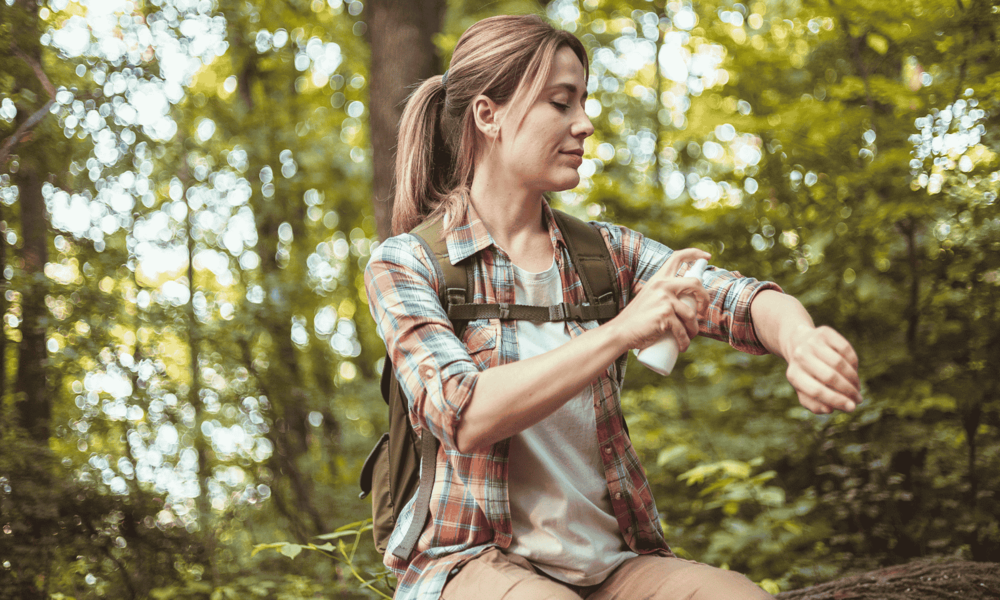
If your adventure takes you deep into the Amazon Rainforest — places like Iquitos, Tambopata, or Manu National Park — mosquito protection becomes a vital part of your packing list. These tropical regions are rich in wildlife and culture, but they also host insects that can transmit diseases.
The first line of defense is prevention. Apply repellent containing DEET or picaridin on all exposed skin, especially during early mornings and evenings when mosquitoes are most active. Pair that with light, long-sleeved clothing made of breathable fabrics to stay cool while protecting your arms and legs. Most eco-lodges in the jungle provide mosquito nets, so make sure to use them at night, even if you don’t notice many insects around.
Main Health Risks in Peru’s Tropical Regions
- Dengue: Spread by the Aedes aegypti mosquito, it causes high fever, muscle pain, and exhaustion. There’s no specific cure — prevention through repellent and proper clothing is key.
- Zika Virus: Dangerous for pregnant women due to possible birth complications. Always use repellent, cover up during outdoor activities, and avoid mosquito-prone areas at dusk.
- Malaria: Found mainly in isolated jungle areas. Symptoms include fever and chills. Your doctor may recommend preventive medication if you plan to visit remote communities or stay for long periods.
Vaccination and Medical Precautions
While there’s no universal vaccine for Dengue, Zika, or Malaria, the Yellow Fever vaccine is highly recommended for travelers heading to Peru’s tropical regions. Some destinations and airlines even require proof of vaccination before boarding. It’s best to get the shot at least 10 days before entering the jungle to ensure full protection.
Also, carry a small first-aid kit, stay hydrated, and follow your lodge’s safety advice. With a few simple precautions, you’ll be ready to enjoy the Amazon’s unforgettable beauty — from pink dolphins to jungle sunsets — safely and worry-free.
Travel Insurance and Medical Assistance in Peru

Before boarding your flight to Peru, one of the smartest investments you can make is purchasing comprehensive travel insurance. Beyond flight delays or lost luggage, a good policy should cover medical emergencies, including altitude sickness, tropical infections, or unexpected accidents. Make sure your plan includes emergency evacuation — especially if you’re exploring remote regions like the Andes or the Amazon, where hospital access can be limited.
Once in Peru, travelers will find excellent medical facilities in major cities such as Lima, Cusco, and Arequipa. Lima has top-tier private clinics that meet international standards, while Cusco’s main hospitals and travel-health centers are well-equipped for altitude-related conditions. It’s a good idea to keep digital and printed copies of your insurance documents and know your provider’s local contact number — it saves valuable time during an emergency.
For added peace of mind, some travel insurance companies offer 24/7 telemedicine services or direct partnerships with local clinics. Combine this with a basic first-aid kit and your prescribed medications, and you’ll be ready for any minor issue while on the road. Traveling with coverage means more than protection — it means freedom to fully enjoy Peru’s wonders, from Machu Picchu to the Amazon, with total confidence.