What will the security situation/state of emergency be like for tourists in 2025?
Safety in Peru in 2025 is a key issue for those planning a trip to the country. Although Peru continues to receive visitors from around the world and major tourist destinations are operating normally, there is also increased police presence and some areas under a state of emergency. Travel is entirely possible, but it’s important to be informed. In this guide, you’ll find a comprehensive overview of the current situation, the safest areas, essential recommendations, and what every traveler needs to know in 2025.
State of emergency in 2025

During 2025, several areas of Lima and Callao were under a state of emergency due to an increase in urban crime. This measure allowed for a stronger police and military presence at strategic points. It did not entail the closure of tourist activities, but rather additional controls and reinforced surveillance on certain avenues, at terminals, and in high-traffic areas.
In practice, tourists typically notice more uniformed officers and a few checkpoints. Airports, hotels, restaurants, and tourist areas continue to operate normally. The measure is primarily focused on combating common crime, not on affecting those visiting the country.
Real situation for tourists in 2025
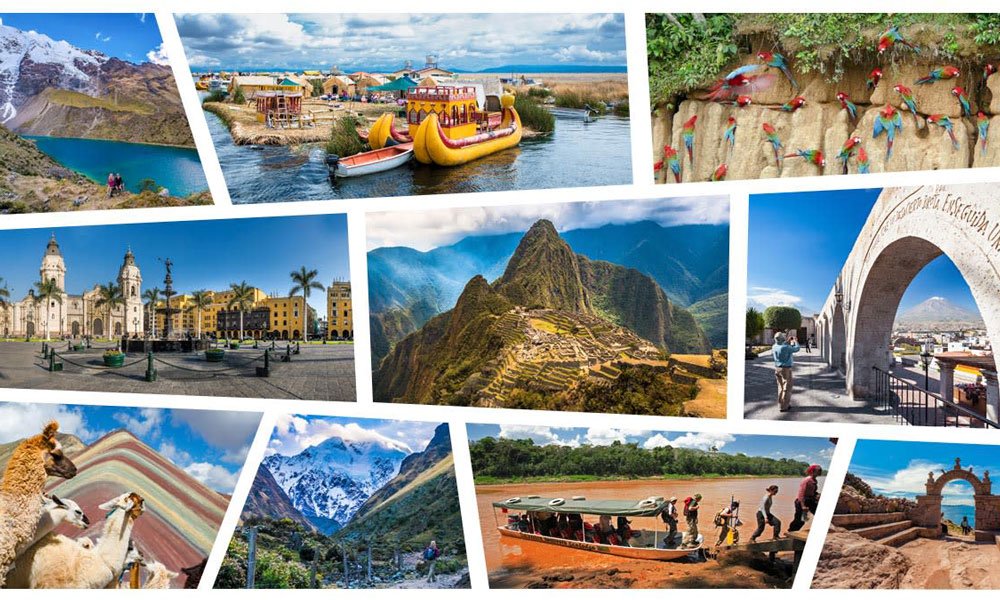
In general, traveling in Peru remains safe if basic recommendations are followed and usual tourist routes are maintained. The country’s major destinations are fully operational, including Cusco, Arequipa, Paracas, Huacachina, Puno, and the Amazon. Routes to Machu Picchu, the Sacred Valley, the Ballestas Islands, the Colca Canyon, and Lake Titicaca are open to visitors daily without restrictions.
Most tourists describe their experience as positive and safe, provided they use formal services, stay in recommended areas, and avoid remote or non-touristy neighborhoods.

Lima and Callao in 2025
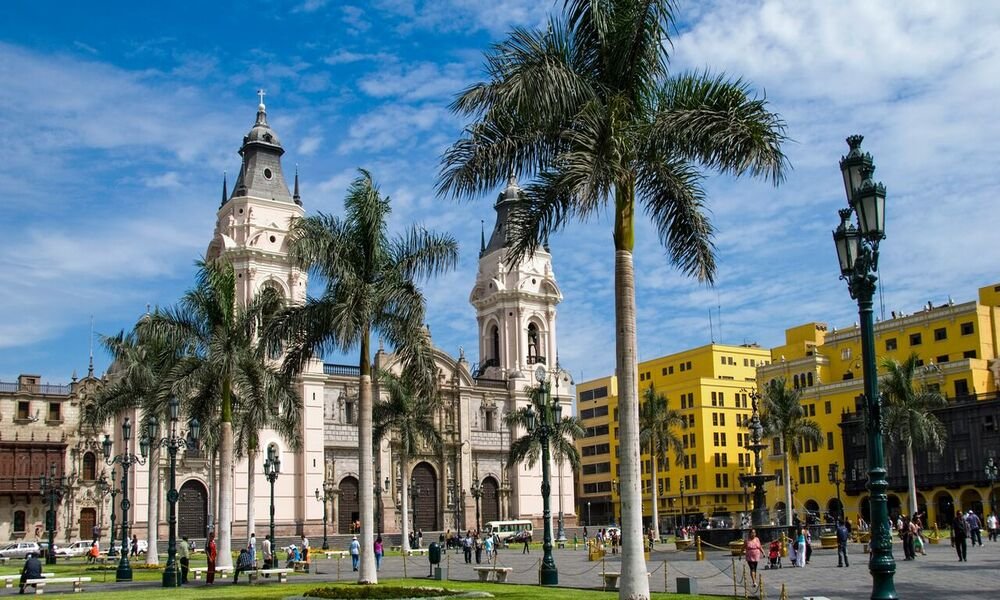
The capital city is the epicenter of most actions related to the state of emergency. Even so, there are areas designated for tourism where visitors can move around freely thanks to the constant presence of private security and municipal patrols.
Recommended areas of Lima:
-
Ravine
-
San Isidro
-
Historic Center (tourist areas)
These areas offer hotels of all price ranges, restaurants, museums, boardwalks, and safe shopping. Walking is safe in the main areas, especially during the day. It is recommended to avoid outlying areas and dark streets outside the tourist corridor.

Tourist destinations that are operating normally
An important part of understanding safety in Peru for tourists in 2025 is knowing that the country’s most visited places continue to operate as usual. The southern regions, the Andean zone, and the Amazon welcome visitors without restrictions and with complete stability.
Destinations with normal activity include:
-
Cusco, Machu Picchu and Sacred Valley
-
Arequipa and Colca Canyon
-
Paracas, Ballestas Islands and Huacachina
-
Puno and Lake Titicaca
-
Iquitos, Manu and Tambopata
-
North coast (Trujillo, Chiclayo, beaches)
Organized tourism remains safe because it follows official routes, uses tourist transport, and operates through registered agencies.
Areas that tourists should avoid
Although tourism is generally safe, there are areas that are not part of the recommended route. These areas have higher rates of crime or local conflicts, so it’s best to avoid them.
Zones to avoid:
-
Peripheral neighborhoods of Lima and Callao
-
Conflictive mining areas in La Libertad and Pataz
-
Streets far from tourist centers
-
Marches, protests, and political rallies
-
Remote roads without a guide or local agency
These areas do not affect the experience of the average tourist.
Tips for a safe trip in 2025
To keep your blog clear and useful, here are some tips in separate points:
-
Always stay in recommended tourist areas.
-
Use app-based taxis for hotel transportation.
-
Avoid displaying cell phones, cameras, or jewelry in the street.
-
Do not walk at night in poorly lit areas.
-
Bring a copy of your passport or ID.
-
Book formal tours and registered agencies.
-
Ask at your hotel which areas are best to avoid.
-
Check local news before you leave.
-
Do not participate in marches or protests.
-
Use ATMs inside shopping malls.
-
Have travel insurance that is valid throughout the country.
-
Stay in touch with your hotel or agency during long excursions.
With these recommendations, trips go smoothly.
Conclusion
Peru remains a fascinating and safe destination when visited with prior knowledge. Safety in Peru in 2025 for tourists requires basic precautions, but it doesn’t limit the experience. Most travelers enjoy their trip without incident and appreciate the combination of culture, gastronomy, history, and nature that the country offers. Traveling with up-to-date information and using reputable services is key to a positive and memorable experience.