


How safe is the water? Can you drink it straight from the tap?
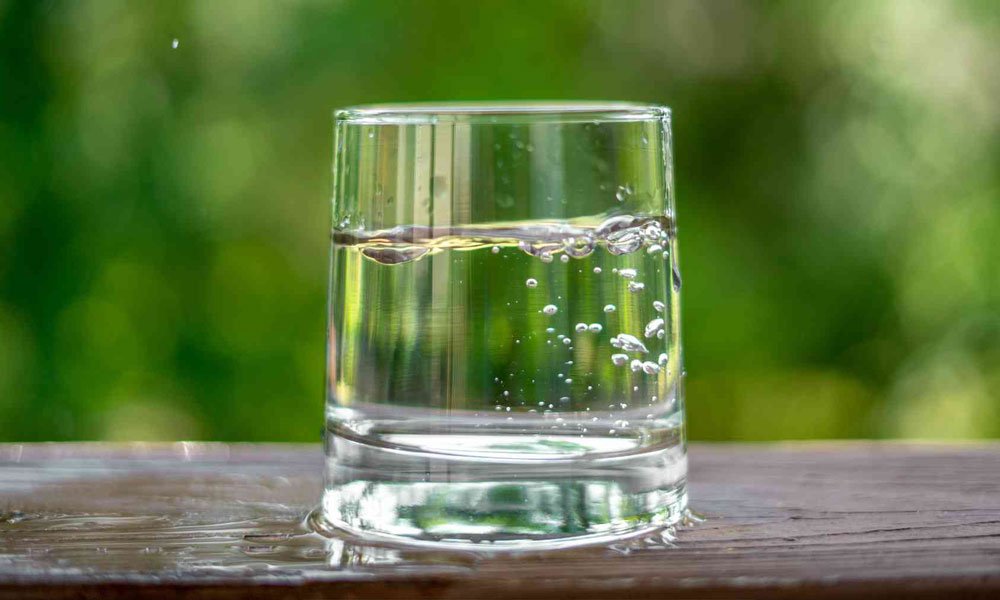
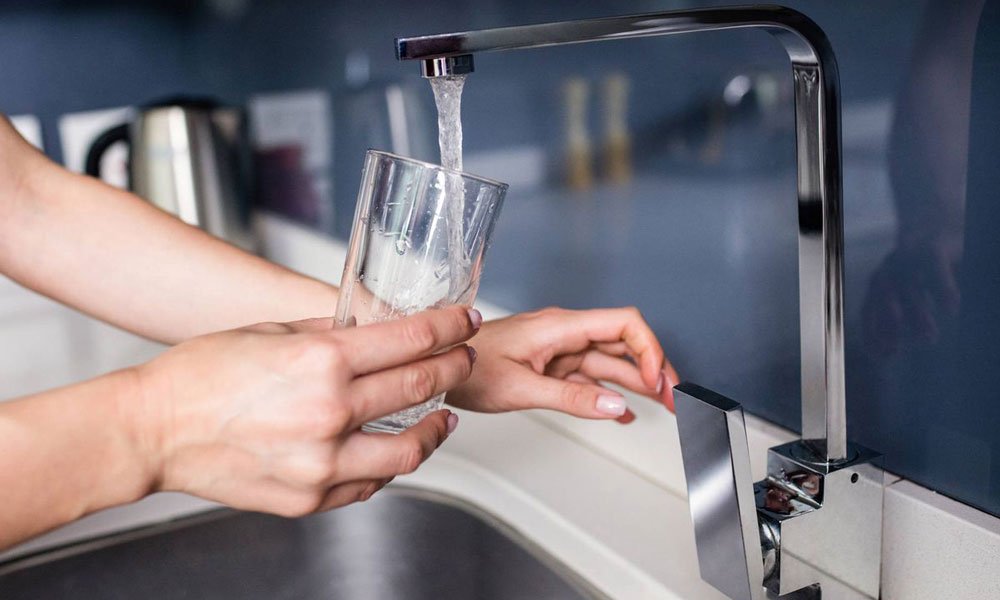
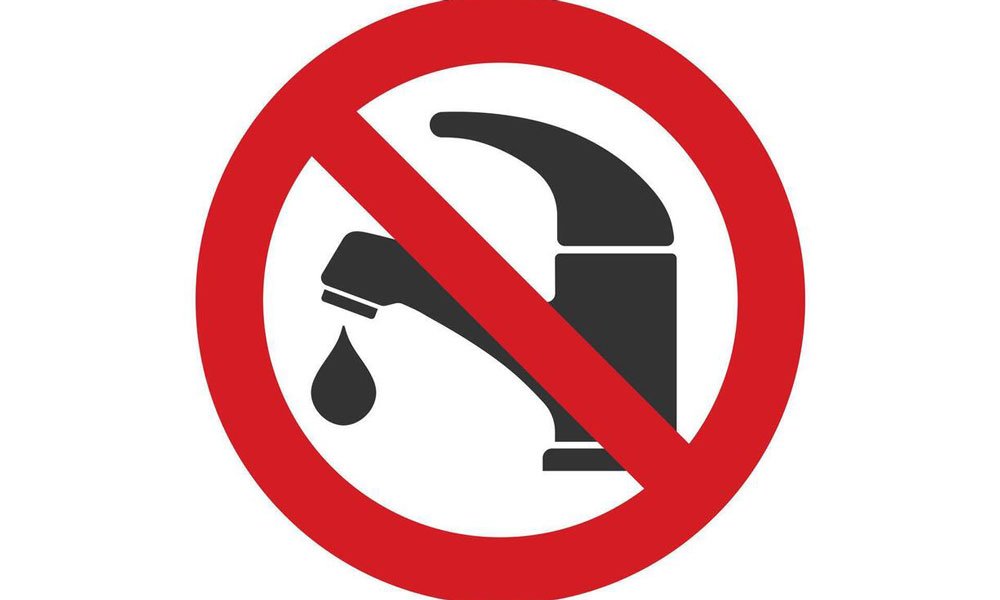
Tap water in Peru is not considered safe to drink, even in large cities like Lima, Cusco , Arequipa, and Trujillo. Although the water is treated at the municipal level, old pipes, sediment, irregular chlorination, and the presence of microorganisms make it unsuitable for direct consumption.
It is always best to drink purified or bottled water. This applies to local travelers, international tourists, and those staying for extended periods.
🚱 Why avoid tap water in Peru?
Several factors contribute to the unreliability of tap water in Peru:
-
Network of old pipes in many cities.
-
Possible bacteria and microorganisms in mountain and jungle areas.
-
Inconsistent water treatment in small municipalities.
-
Variations in water pressure and storage.
-
Risks of parasites such as Giardia or fecal contamination.
Even if the water appears clean, it does not always meet international drinking water standards.
🥤 Safe ways to consume water in Peru
The best options to avoid stomach problems during your trip:
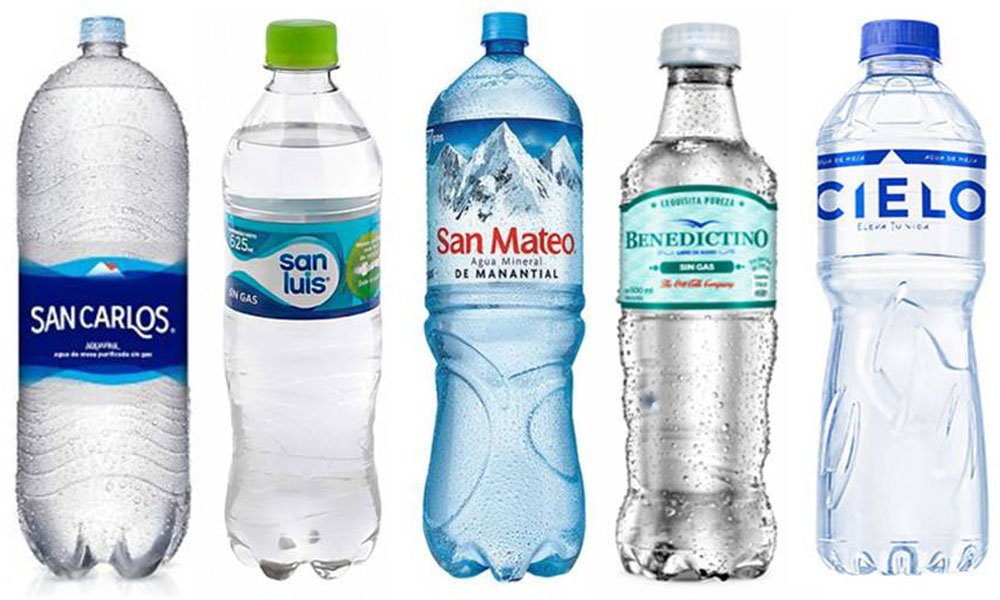
🔹 Bottled water
The most practical option. Popular brands:
-
Saint Louis
-
Sky
-
Benedictine
Make sure the lid clicks when you open it.
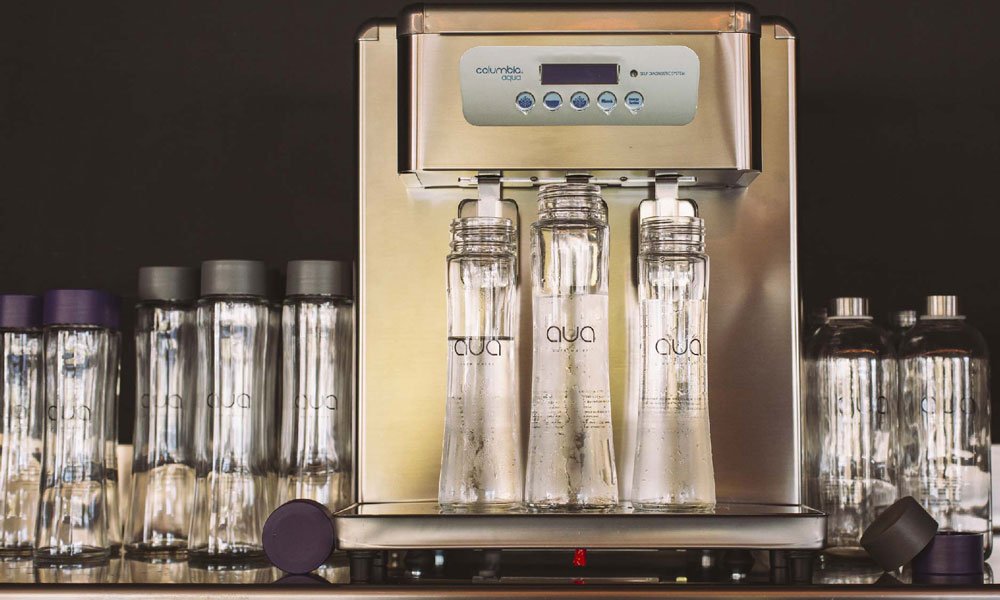
🔹 Purified water provided by hotels or agencies
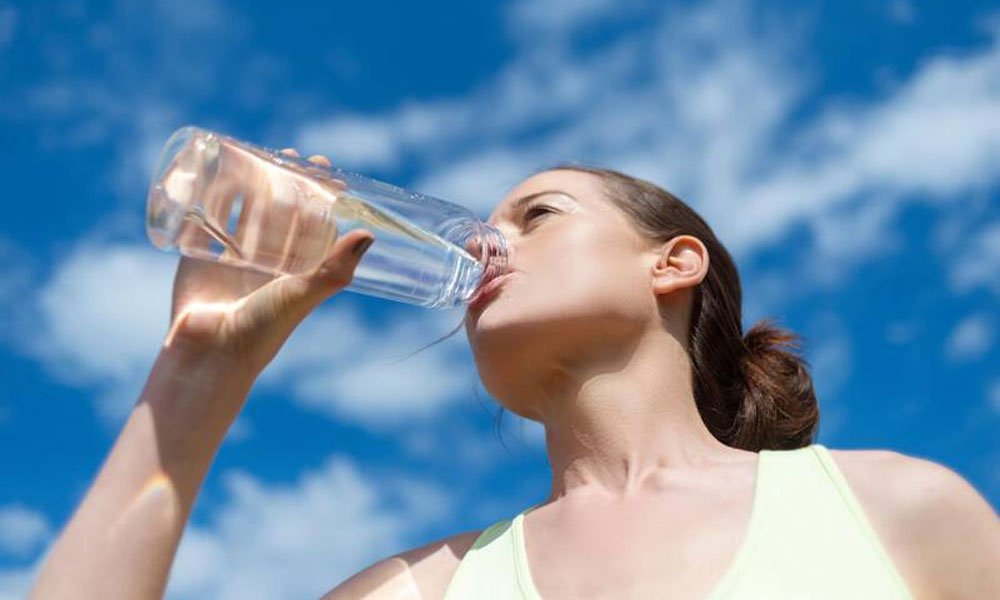
Many accommodations offer filtered water dispensers. It’s safe to drink and to refill your bottle.
🔹 Portable filters
Ideal for backpackers or frequent travelers. The most common ones:
-
LifeStraw
-
Sawyer
-
Bottles with microfilter
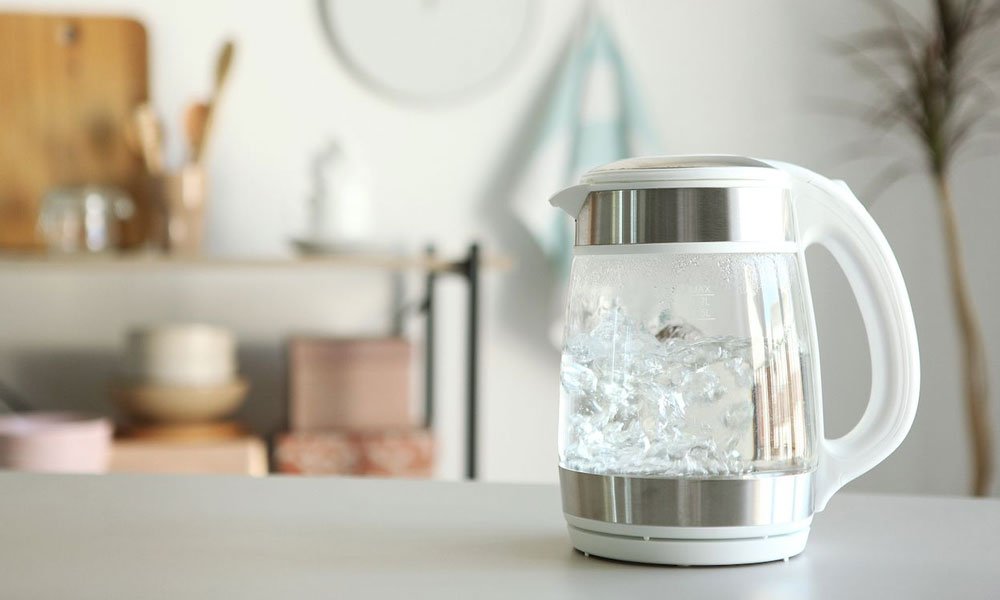
🔹 Boiling the water
Boiling for at least 2 minutes eliminates bacteria and parasites. Although it doesn’t remove sediment, it does make it safe to drink.
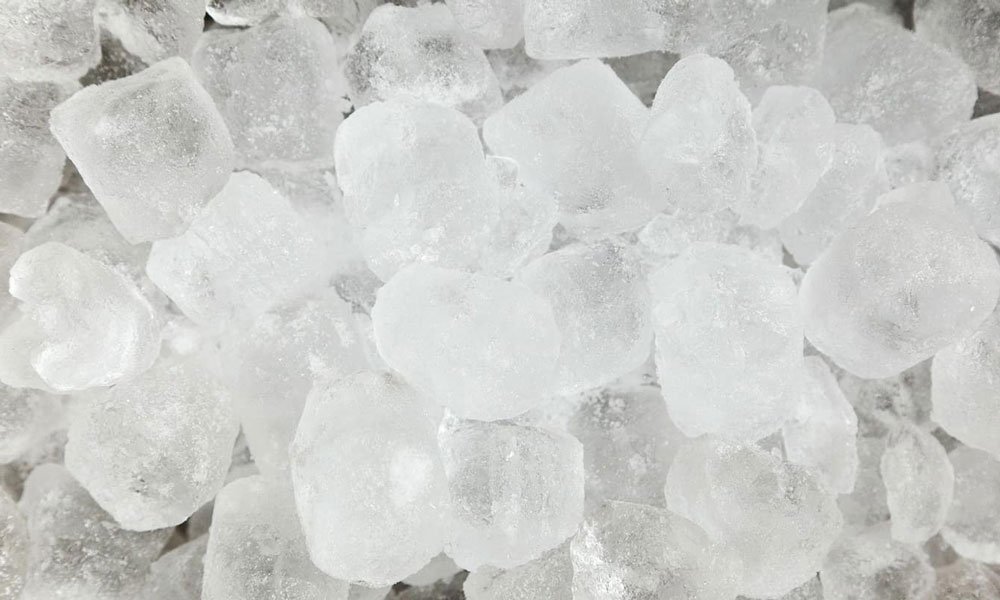
🧊 Is it safe to eat ice in Peru?
Avoid ice if you don’t know its origin. It’s usually safe in formal restaurants and well-known cafes, but it’s not recommended in markets, street stalls, and small shops.
🥗 Water in food and meals
To minimize risks:
-
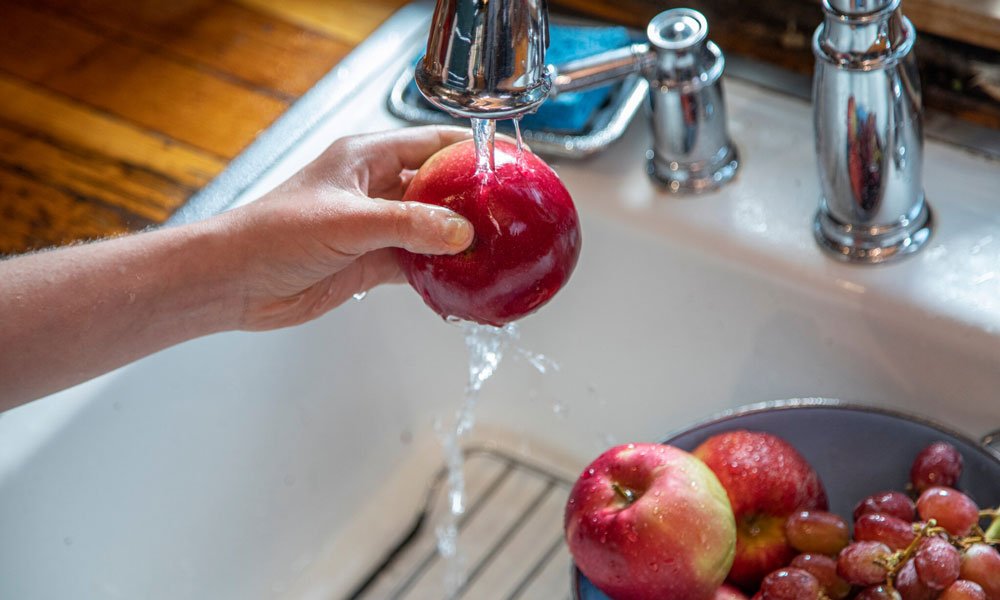
Choose fruits that you can peel.
-
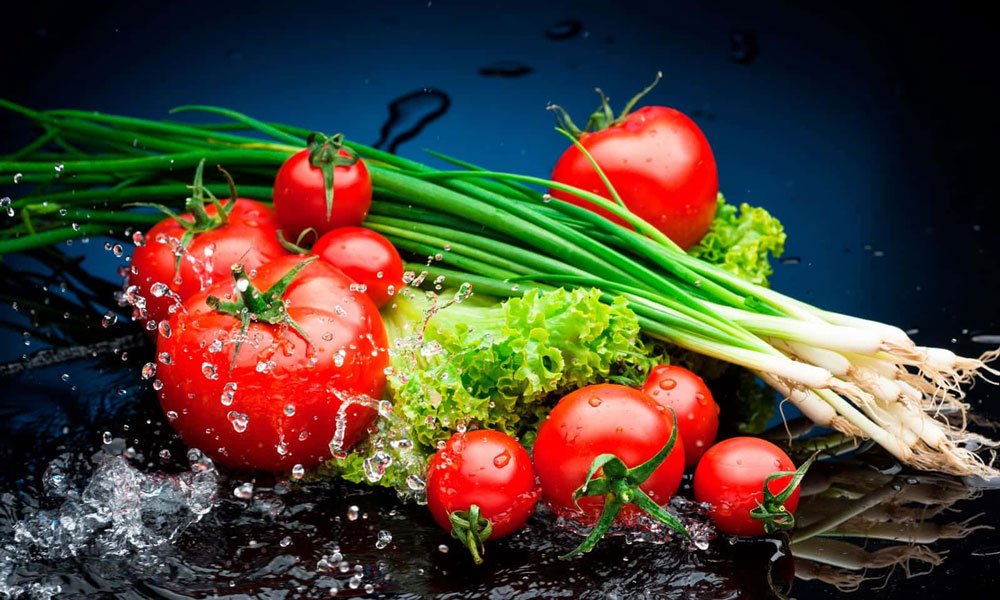
Avoid raw salads at local markets.
-
Eat well-boiled soups and broths.
-
Drink juice only if it is prepared with bottled water.
🚿 Is it safe to brush your teeth with tap water?
Yes, in most cities it’s safe to brush your teeth with water, as long as you don’t drink it. However, if you have a sensitive stomach, you can use purified water.
🛁 Is tap water safe for bathing?
Completely safe. It causes no problems as long as you don’t drink it. Avoid accidentally swallowing water while showering.
🧭 Essential tips for travelers
-
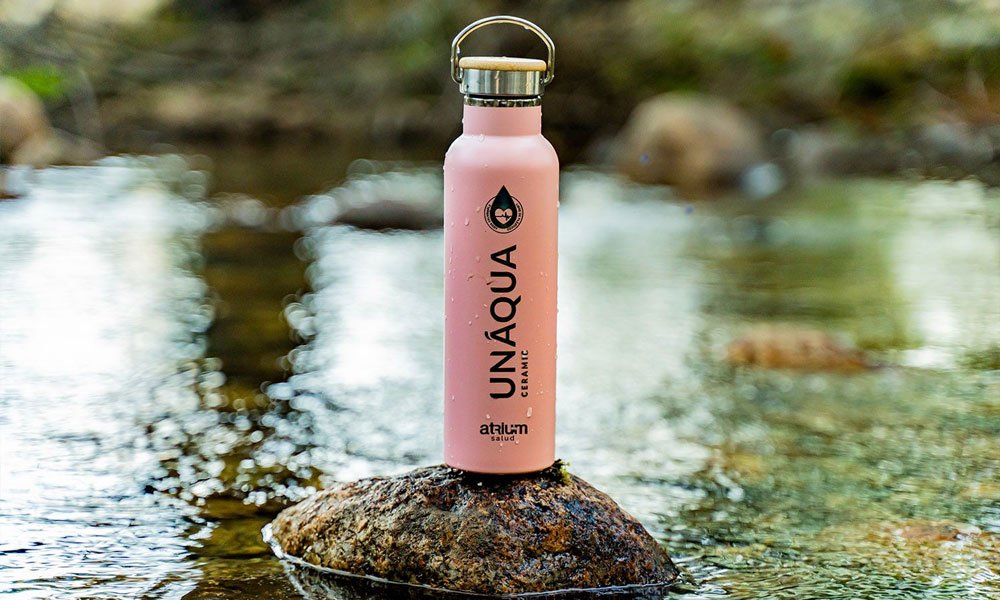
Always carry a reusable bottle with you to refill with purified water.
-
Ask at your hotel if they offer filtered water.
-
Avoid buying water without a factory seal.
-
Do not drink water on tours if you are unsure of its origin.
-
Always keep rehydration salt packets on hand.
-
If you have a sensitive stomach, avoid ice and raw salads.
❗ What to do if you get sick from drinking water?
The most common symptoms are diarrhea, upset stomach, and mild vomiting. To recover quickly:
-
Drink rehydration solutions or salts.
-
Eat bland foods (rice, soup, bread).
-
Avoid dairy products and fried foods.
-
If symptoms last more than 48 hours, go to a clinic.

📌 Conclusion
Tap water in Peru is not safe to drink. It is highly recommended that both tourists and locals opt for bottled, filtered, or boiled water. By following a few simple precautions, you can enjoy your trip worry-free and avoid common stomach ailments in the country.