


What is the proper etiquette when visiting churches/convents and historical sites?
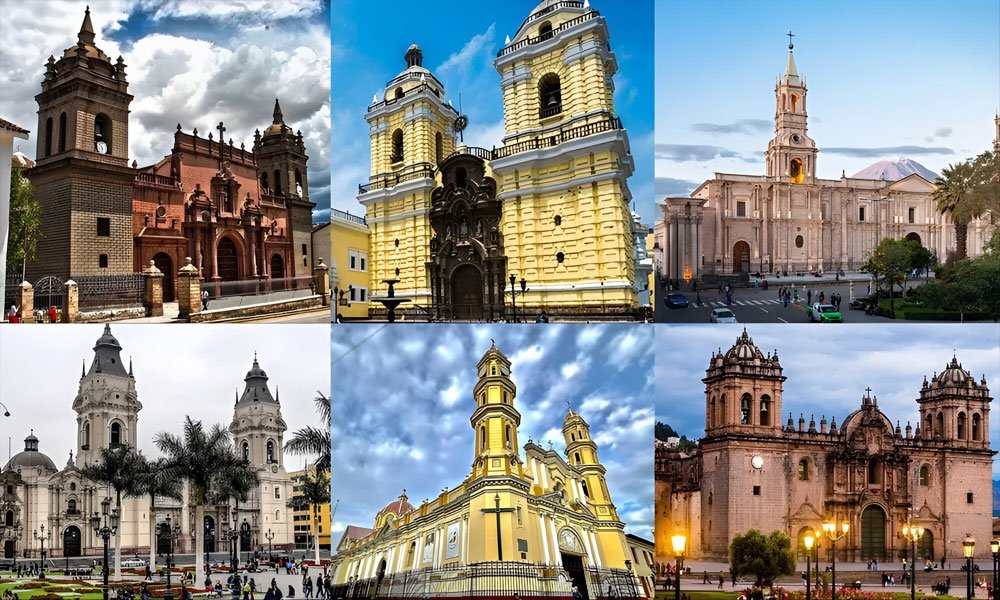
What is the proper etiquette when visiting churches, convents, and historical sites?
Visiting churches, convents, and historical sites in Lima—and anywhere in Peru—is an experience that connects travelers with the country’s history, spirituality, and cultural identity. However, these places are not just tourist attractions: many remain active religious spaces or protected heritage sites, and therefore require respect and certain rules of conduct.
If you are planning your trip, here is a clear, friendly, and simple explanation of the proper etiquette for entering these spaces so you can enjoy your visit without any problems and with the best cultural awareness.
1. Dress appropriately
You don’t need to dress formally, but it’s important to consider the following:
For churches and convents:
- Avoid very short clothing (miniskirts, high-waisted shorts, crop tops).
- Do not enter wearing swimwear or beachwear.
- If you are wearing a hat or cap, it’s best to remove it upon entering.
- Wear comfortable but respectful clothing.
For historical sites:
- More casual clothing is acceptable, but avoid offensive or inappropriate items.
- Wear appropriate footwear if the tour includes stairs or cobblestone areas.
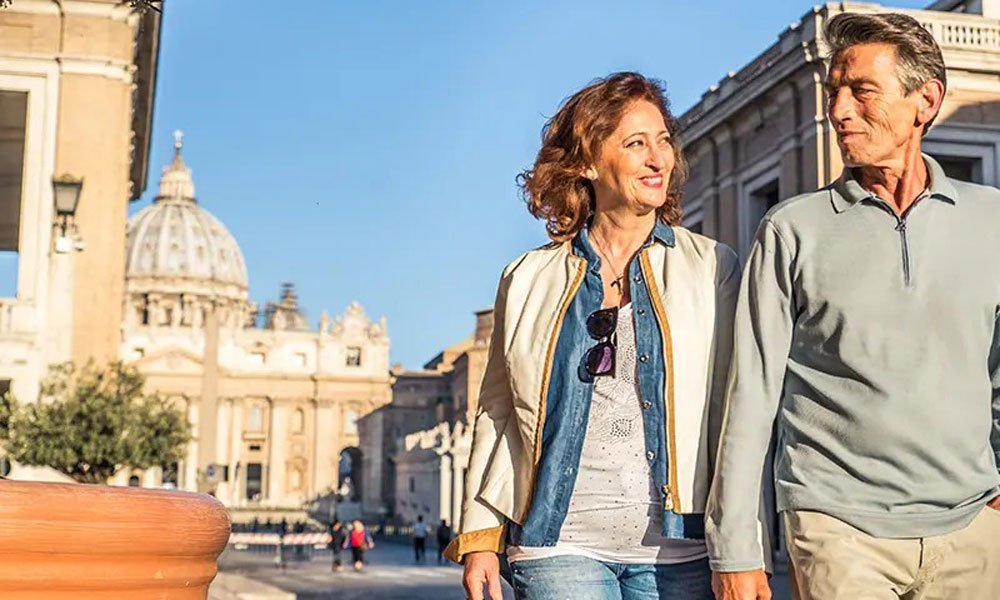
Tip: Lima has a mild climate, so bringing a light jacket is always a good idea.
2. Respect silence
In churches and convents, many people come to pray, meditate, or participate in Mass.
What does this mean?
- Speak softly.
- Avoid using loudspeakers or playing music.
- Do not interrupt religious services.
In historical sites, it is also important to maintain a pleasant atmosphere for other travelers, guides, and groups.
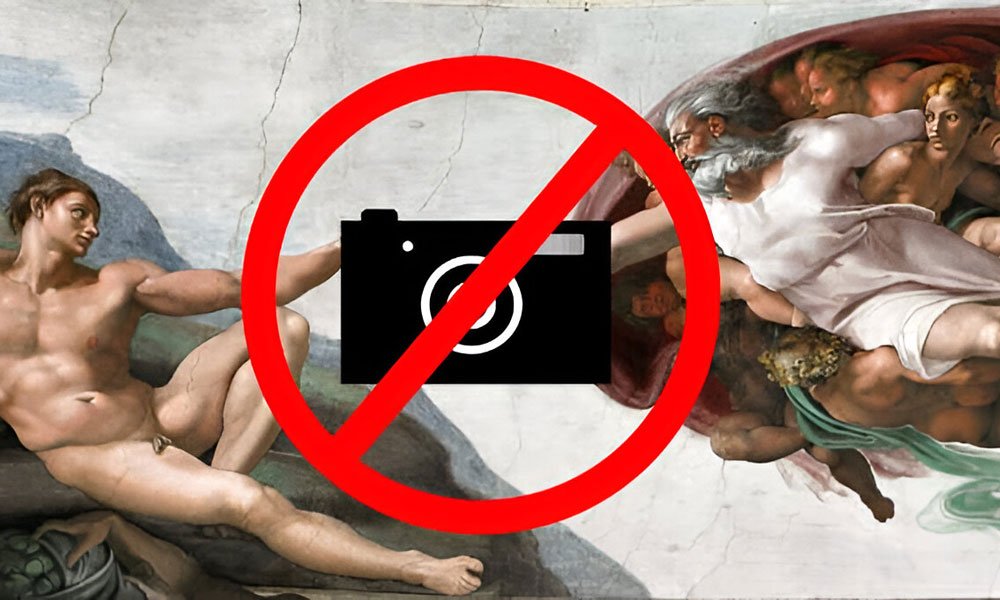
3. Do not use flash and do not take photos where it is prohibited
Photography rules vary depending on the location.
In churches and convents:
- Photos are not allowed in some churches out of respect for the religious space.
- In others, they are allowed, but without flash to protect artwork and altarpieces.
- If there are “NO PHOTOS” signs, respect them.
- Never take photos of people praying without asking permission.
At historical sites:
- Photos are usually allowed, but avoid touching artifacts, walls, or archaeological remains.
- Do not climb or lean on monuments.
4. Take care of your belongings and don’t bring food inside.
The following are not permitted in temples or heritage sites:
- Food
- Drinks
- Large backpacks
- Objects that could cause damage
Many places have luggage storage or ask that you only bring what you need.
5. Follow the instructions of the staff.
Caretakers, guides, and security personnel are there to protect the heritage. Therefore:
- Stay on the marked routes.
- Respect restricted areas.
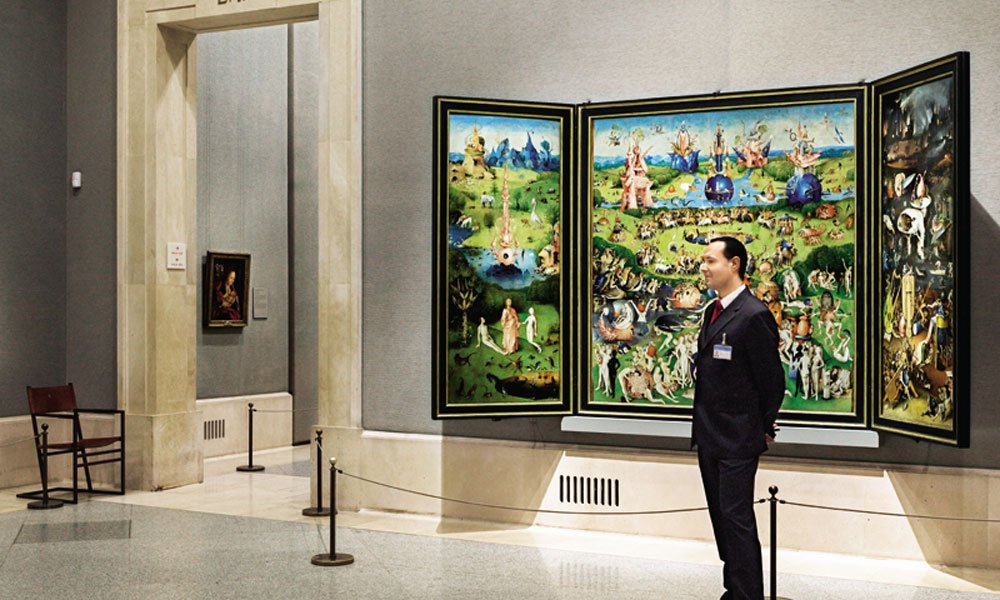
- Do not touch altars, artifacts, sculptures, or display cases.
- Ask if you have any questions; they are usually very helpful.
6. Be respectful during religious celebrations.
If you enter during Mass or a liturgical service:
- Avoid walking in the aisles.
- Do not take photos.
- Do not speak loudly.
- Do not walk in front of the altar.
- Do not interrupt processions or acts of faith.
Remember: you are being invited to a sacred space.
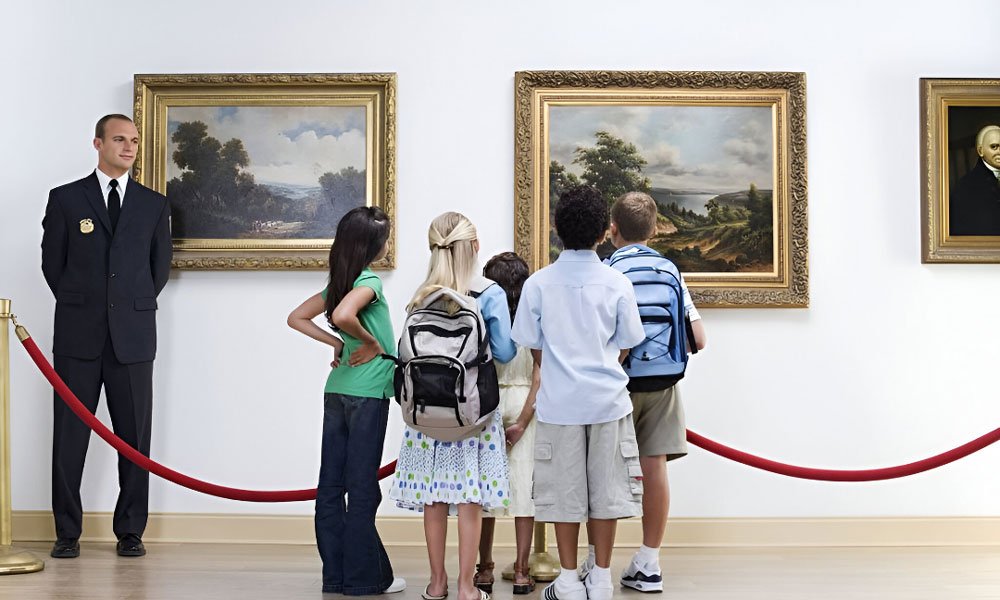
7. If you’re travelLing with children, explain the rules to them before entering.
Many children enjoy these places, especially cloisters and museums, but it’s important that they understand:
- No running
- No shouting
- No touching artifacts
- Respect the silence
Explaining the rules beforehand prevents any unpleasant surprises.
8. Treat every place as living heritage.
Peruvian temples and historical sites are not just buildings: they are part of the country’s identity. Many have survived earthquakes, wars, rituals, and centuries of history. Therefore, the best way to honor them is by showing respect.
Small gestures mean a lot:
- Don’t litter
- Don’t smoke
- Don’t scratch walls
- Don’t remove stones or plants
- Don’t touch murals or ancient sculptures
Conclusion
Visiting churches, convents, and historical sites in Lima is a profound and enriching experience. By following basic rules of respect—such as dressing appropriately, maintaining silence, avoiding inappropriate photography, and protecting the heritage—you can enjoy the city’s most significant places while honoring their cultural and spiritual importance.
Traveling is also about learning to value the stories that other cultures preserve. And Lima, with its religious and architectural heritage, will welcome you with open arms if you welcome it with respect.