


THE CHACHANI VOLCANO
The Chachani volcano, located north of the city of Arequipa, is one of the highest and most representative mountains in the region, reaching approximately 6,075 meters above sea level. It forms part of the volcanic chain of southern Peru and the Pacific Ring of Fire, an area of intense tectonic activity. Although it is a dormant volcano with no recorded eruptions in historical times, it belongs to a volcanic complex that includes other peaks such as Nocarane and Añasquera.
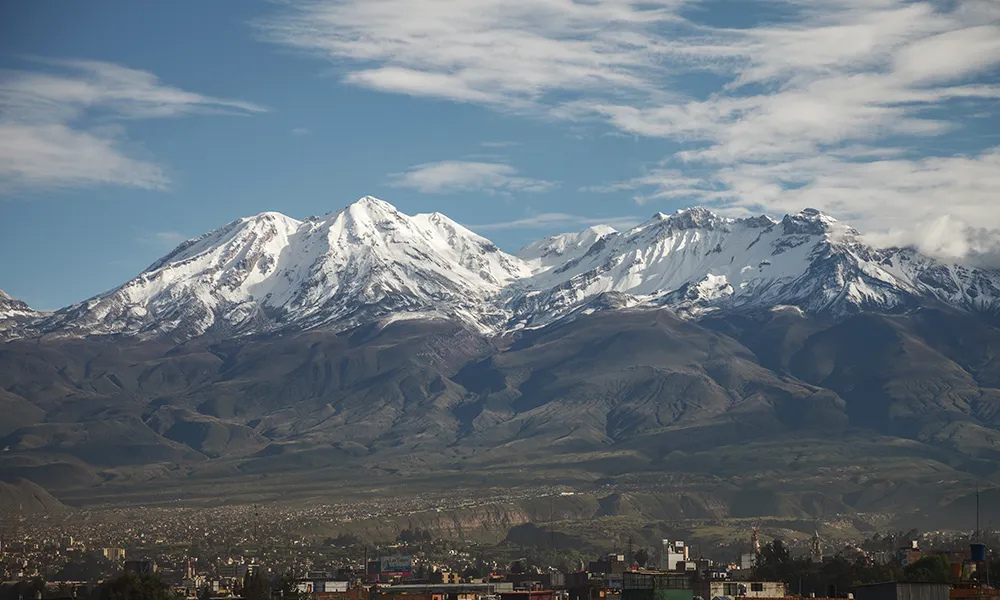
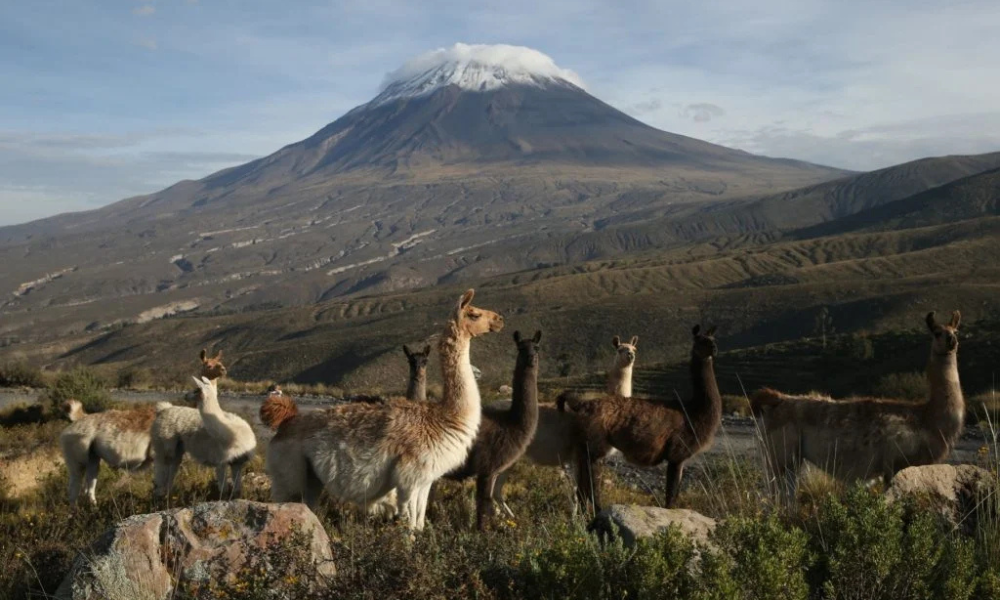
Furthermore, its landscape is characterized by a cold climate, strong winds, and arid volcanic terrain. Although Chachani was once snow-capped, today it retains very little snow due to climate change. For Andean cultures, its name comes from Quechua and means “the brave one” or “the one who devours.” In Inca times, Chachani was considered an apu (a sacred mountain), and several archaeological remains and ancient ceremonial sites have been found on its slopes.
Today, the volcano is very popular among mountaineers because it is considered one of the most accessible six-thousanders in the world. Although its ascent is relatively easy, it is still demanding due to the altitude and weather conditions.
Main features
-
Type: Extinct stratovolcano (no eruptions recorded in historical times)
-
Altitude: ~6,075 m a.s.l.
-
Location: About 22 km north of Arequipa
-
Part of the Chachani–Pampa de Arrieros volcanic complex, along with peaks such as Nocarane and Añasquera
Geographical and cultural significance
In addition, Chachani is one of the most visible mountains from the city of Arequipa. The Incas considered it an apu, or sacred mountain, and archaeological remains have been discovered on its slopes. These findings highlight the cultural and spiritual value the mountain held for ancient Andean civilizations.
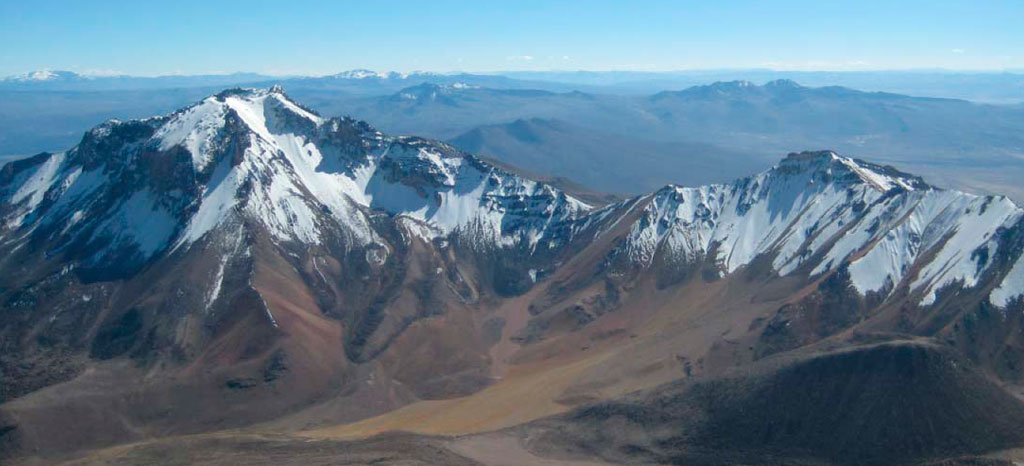
Climate and conditions
Because of its high altitude, Chachani experiences very cold weather, strong winds, and a semi-arid landscape typical of the Altiplano.
-
Sub-zero temperatures at night
-
Strong winds at the summit
-
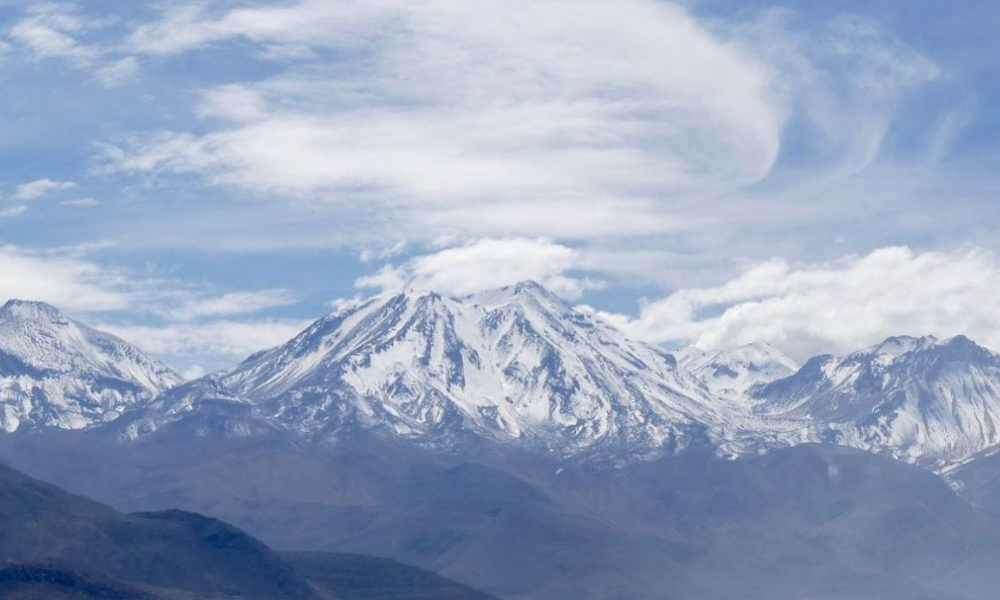
Occasional snowfall (now increasingly rare due to climate change)
At present, most of the volcano no longer retains permanent snow, unlike in past decades.
Activities: Mountaineering and adventure
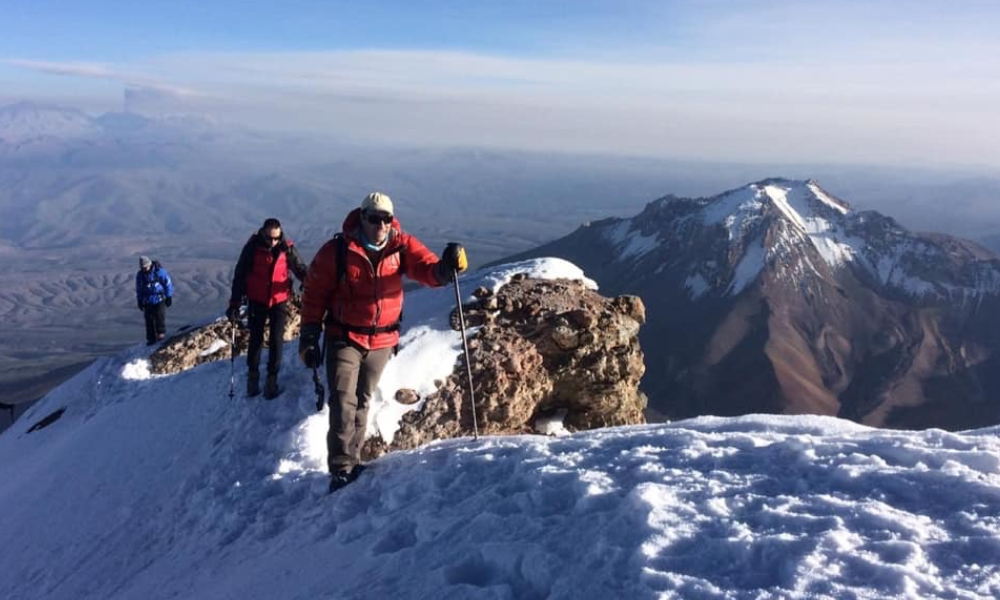
Chachani is famous for being one of the most accessible 6,000-meter peaks in the world. Its ascent does not require advanced technical experience; however, climbers still need:
-
Good physical condition
-
Proper acclimatization
-
Suitable mountaineering equipment
-
A certified professional guide
The standard route takes 1 to 2 days and includes a base camp.
Flora y fauna
Despite the extreme climate, the slopes of Chachani host:
-
Vicuñas
-
Vizcachas
-
High-Andean birds such as the Andean condor and the Andean guan
-
Hardy plants like yareta and mountain grasslands
Recommendations
How to get there:
-
From Arequipa by 4×4 up to about 5,000 m (Pampa/Curva del Chachani).
-
From there, hike to the base camp and summit.
Key recommendations:
-
Best season: May–October.
-
Acclimatization: 2–3 days in Arequipa.
-
Go with a guide (altitude over 6,000 m).
-
Gear: layered warm clothing, hiking boots, UV sunglasses, water, headlamp.
-
Typical plan: 2 days (base camp + early-morning summit).