


Traditional Picanterías in Arequipa
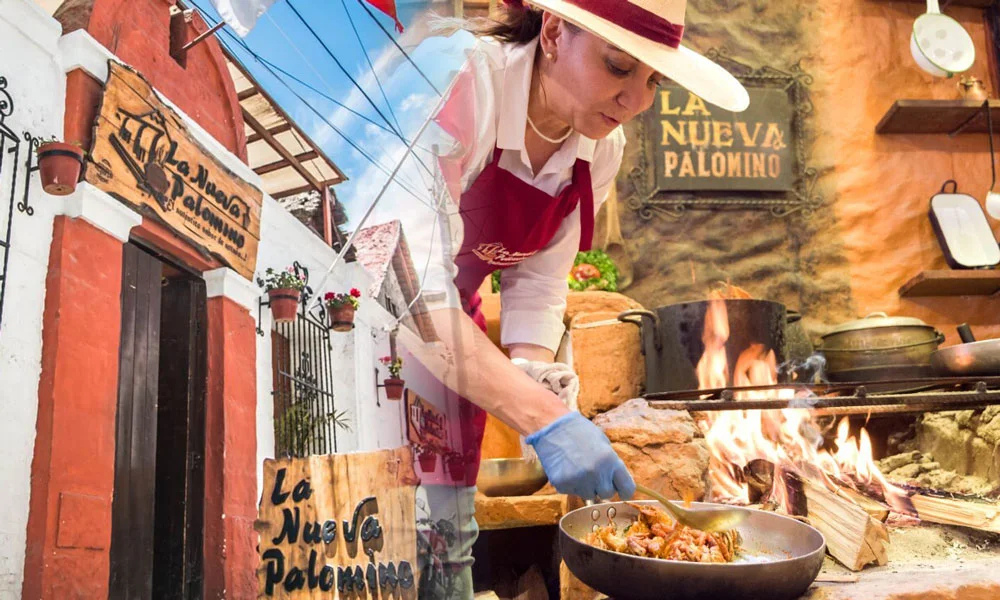
Traditional Picanterías in Arequipa: Flavor, History, and Living Culture
Traditional picanterías in Arequipa are much more than restaurants. They represent a way of life, a culinary heritage, and a space where history is served in every dish. For any traveler, visiting a picantería is one of the most authentic experiences in the White City.
In addition to offering abundant and flavorful food, these establishments preserve ancestral recipes, inherited techniques, and an atmosphere that connects directly with Arequipa’s identity.
What is a picantería and why is it so important?
A picantería is a traditional restaurant where typical dishes are prepared with local products and recipes passed down from generation to generation. Its name comes from “picante,” one of the region’s most representative stews.
Picanterías are generally characterized by:
- Open kitchens
- Wooden tables
- Large clay pots
- Wood-burning stoves
All of this creates a warm, welcoming, and deeply traditional atmosphere.
History and Tradition of Arequipa’s Picanterías
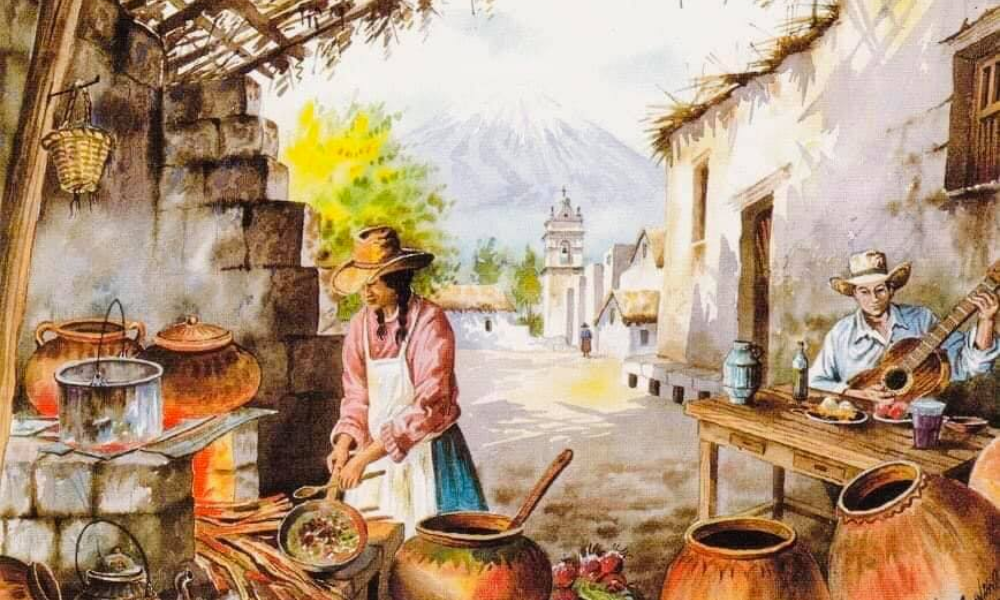
During the colonial era, many families began offering homemade lunches to workers, muleteers, and travelers. Over time, these establishments became social gathering places where food, chicha (a fermented beverage), and conversation were shared.
Currently, many picanterías still preserve:
- Stone grinding stones
- Clay pots
- Recipes without modern modifications
For this reason, they are part of Peru’s Cultural Heritage and remain a living symbol of Arequipa.
Typical Dishes You’ll Find in Almost Every Picantería
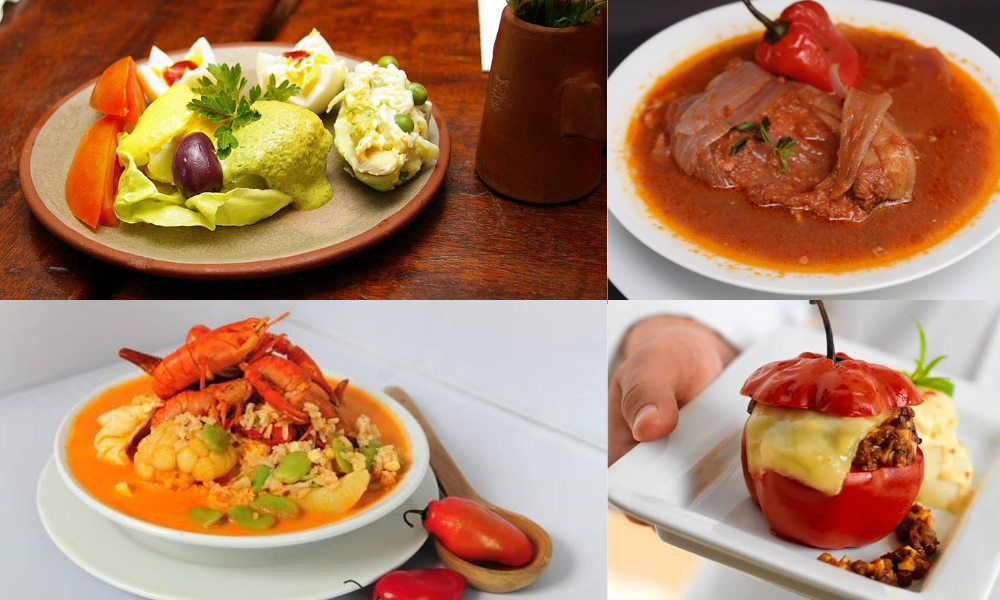
Although the menu changes daily, there are classic dishes that are almost always available. Here’s a clear and helpful guide for travelers:
Rocoto Relleno (Stuffed Rocoto Pepper)
Rocoto pepper baked with meat, peanuts, and spices. Spicy on the outside and mild on the inside.
Pastel de Papa (Potato Pie)
Layers of potato, cheese, and milk baked until creamy.
Solterito Arequipeño (Arequipa-Style Salad)
A fresh salad of cheese, fava beans, onion, tomato, and corn.
Chicharrón Arequipeño (Arequipa-Style Pork Rinds)
Slow-fried, crispy, and juicy pork, served with sweet potato and corn.
Ocopa Arequipeña
Potatoes with a thick sauce of yellow chili pepper, huacatay (black mint), and peanuts.
Shrimp Chowder
A thick, hot, and hearty soup, perfect for cold weather.
Adobo Arequipeño
Pork cooked in chicha de guiñapo (fermented corn beverage), a typical Sunday breakfast dish.
Cuy Chactado
Whole fried guinea pig, very crispy and traditional.
Chicha de Guiñapo: An Emblematic Drink
Chicha de guiñapo is a fermented beverage made with black corn. Its flavor is slightly acidic and refreshing. Traditionally, it is served in large glasses called caporales.
Many picanterías (traditional eateries) still prepare it in clay pots, respecting ancient techniques. For visitors, trying it is an essential part of the experience.
Most Recommended Traditional Picanterías
Among the best-known and most highly regarded are:
La Nueva Palomino (Yanahuara)
Highly acclaimed rocoto relleno (stuffed rocoto peppers), potato casserole, and adobo (marinated pork).
La Benita de Characato
Recipes cooked over an open fire and intense flavor.
La Capitana
Authentic chicha and a classic atmosphere.
Laurita Cau Cau
Specialist in spicy dishes and traditional stews.
Tips for enjoying a picantería
To make the most of your experience, keep the following in mind:
Arrive early: dishes run out quickly.
Ask about the daily special.
Share dishes (the portions are large).
Pair your meal with chicha de guiñapo (a fermented corn beverage).
Go hungry and take your time.
Where are picanterías located?
Primarily in:
- Yanahuara
- Cayma
- Characato
- Sachaca
- Historic Center
You can easily get there by taxi, Uber, or local transportation.
Conclusion
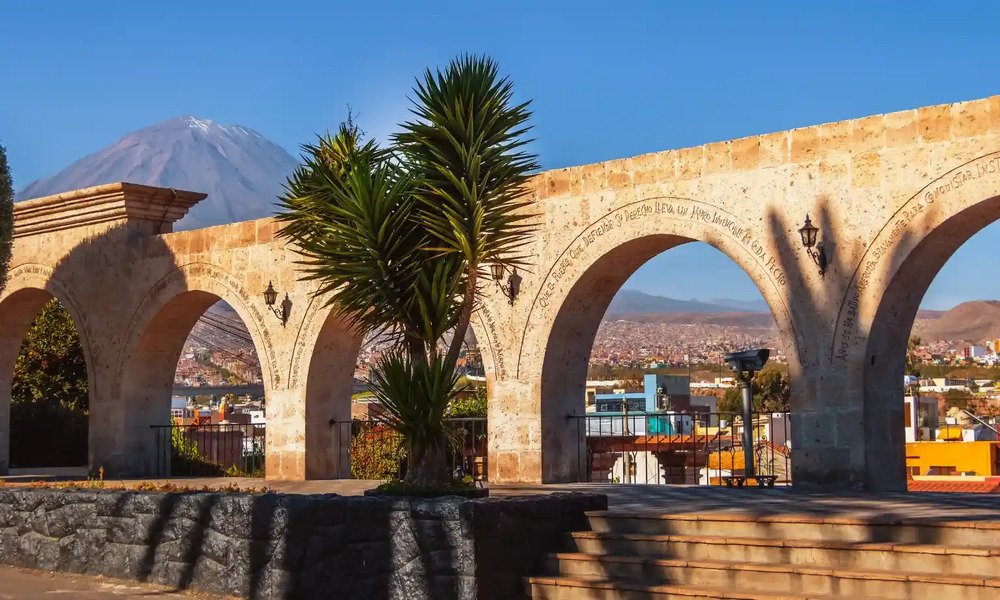
Traditional picanterías in Arequipa preserve flavors, stories, and customs found nowhere else in Peru. Visiting a picantería is not just about eating well, but about experiencing Arequipa’s culture at its very roots.