Founder’s Mansion Arequipa: history, architecture and visit
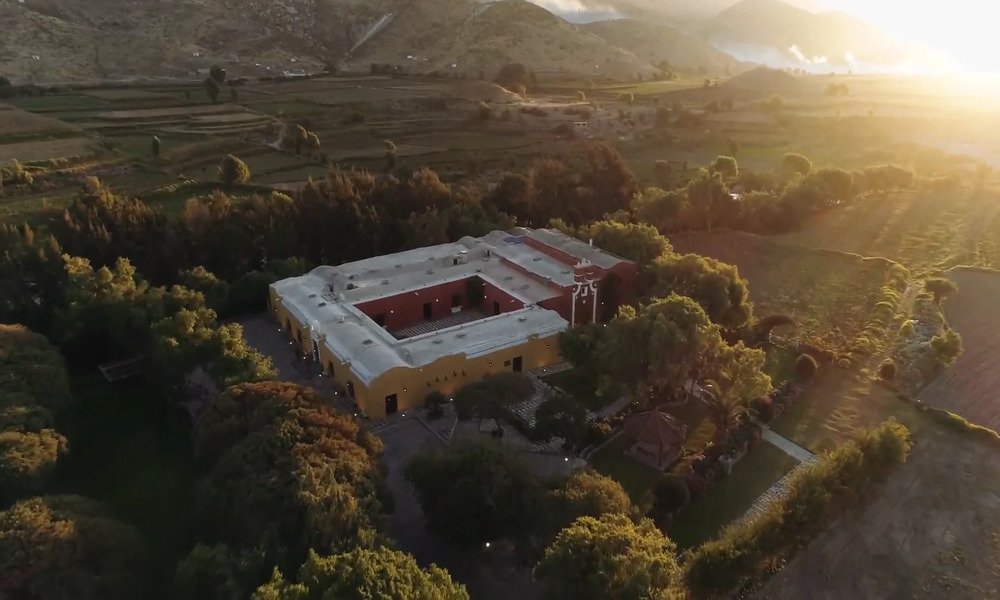
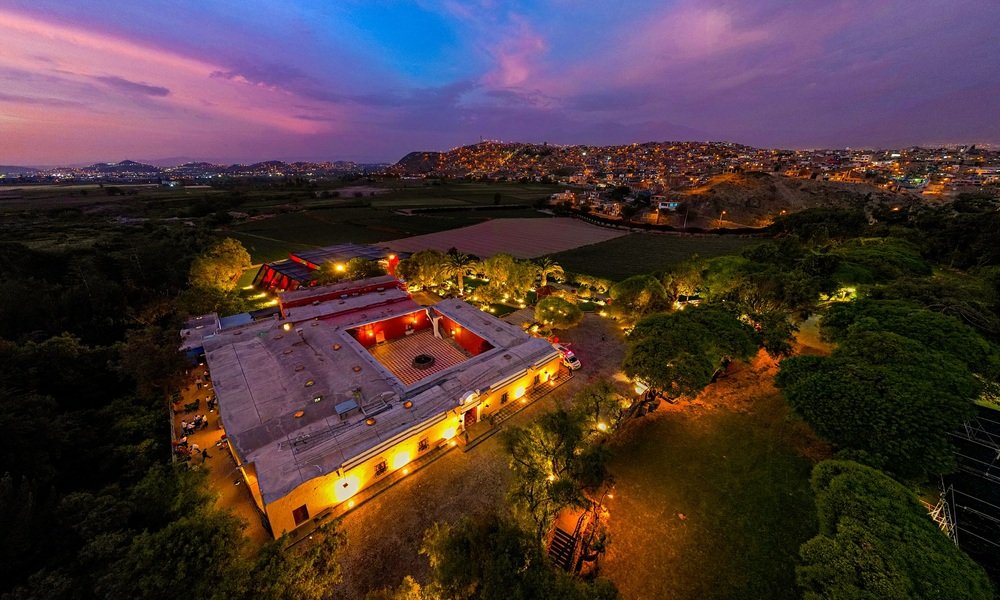
The Founder’s Mansion is a colonial gem nestled in the Arequipa countryside, in the Huasacache area. This historic house—built of white volcanic stone (sillar)—has its roots in the city’s early days, when its founder granted land to his family for what would become a stately residence.
Today, the mansion has been revived as a house-museum and tourist attraction, offering a glimpse into Arequipa’s viceregal history. Its courtyards, halls, chapel, and gardens preserve the atmosphere of another era; exploring it is like imagining how those who shaped the city’s beginnings lived.
This article will serve as your complete guide: you’ll learn about its origins, what you can see today, how to get there, admission fees, opening hours, and why it’s worth visiting if you’re in Arequipa—or planning a trip there.
History and significance of the Founder’s Mansion
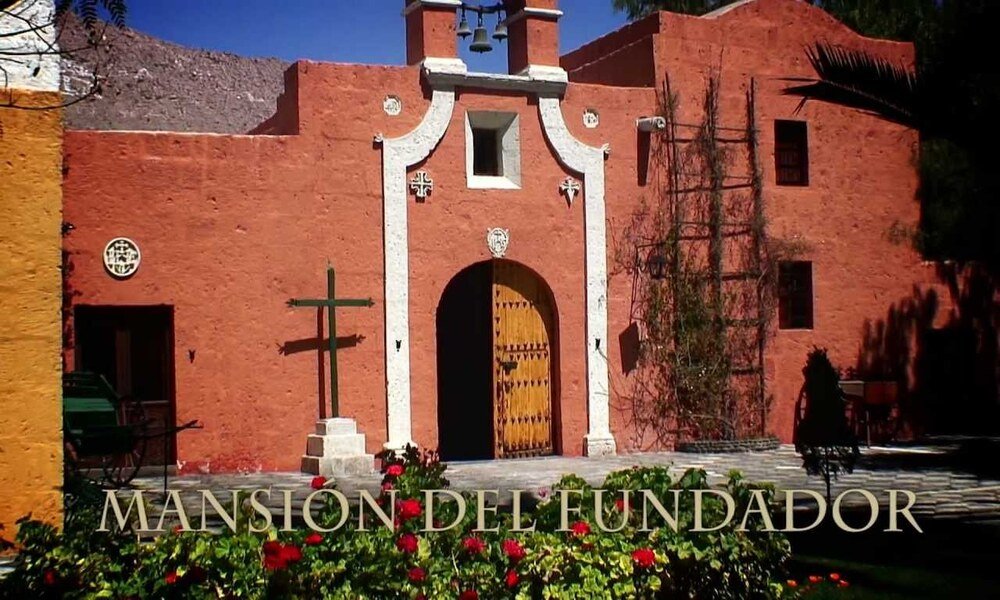
The Founder’s Mansion is one of Arequipa’s most emblematic historical sites. Its origins are directly linked to the city’s early years and to Garcí Manuel de Carbajal, who founded Arequipa in 1540. The mansion was built in a privileged setting: fertile countryside crisscrossed by ancient irrigation canals and surrounded by crops, an ideal location for a country retreat. From its inception, the property was conceived as a symbol of status and power within the young city.
The original structure was built of sillar, the volcanic stone characteristic of Arequipa. This material allowed for the construction of thick, cool walls, capable of withstanding the dry climate of the countryside. Over time, the house was expanded, and its design acquired more stately features. The presence of courtyards, arches, entrance halls, and gardens reflects the influence of early viceregal architecture, which sought comfort and ornamentation without sacrificing sobriety.
Stages of Transformation Through the Centuries
The mansion underwent several stages that marked its evolution. After belonging to the founder’s family, it passed into the hands of various owners, including important members of the Church. The arrival of the Jesuits was decisive. They expanded the main house, added new spaces, and built a private chapel, creating an environment that combined religious life, agricultural management, and leisure.
During the 17th and 18th centuries, the mansion functioned as a country estate. It played a significant role in the development of the Arequipa countryside, providing food, work, and shelter. It was during this period that its architectural style was consolidated: a balance between rural functionality and ornamental details befitting a distinguished residence.
In the 19th and part of the 20th centuries, neglect, changes in ownership, and earthquakes severely damaged the structure. The mansion was on the verge of being lost. However, its historical value generated interest among institutions and families who spearheaded its restoration. The restoration begun in the 1970s saved the mansion and restored its original character.
A Living Legacy
Today, the Founder’s Mansion is not just a restored colonial house; it is a tangible testament to Arequipa’s history. Its rooms reveal how the viceregal elite lived, how the haciendas were organized, and how sillar architecture evolved in the region. Furthermore, it is a place steeped in symbolism: it represents the city’s origins, the agricultural life of the valley, and the collective memory of generations.
Walking through it is like stepping into a space where time seems to slow down. Every doorway, arch, and room holds a story. For this reason, the mansion has become a key destination for travelers seeking to understand Arequipa’s identity beyond the historic center. Its value lies in serving as a bridge between the colonial past and the region’s living traditions.
What to see at the Founder’s Mansion
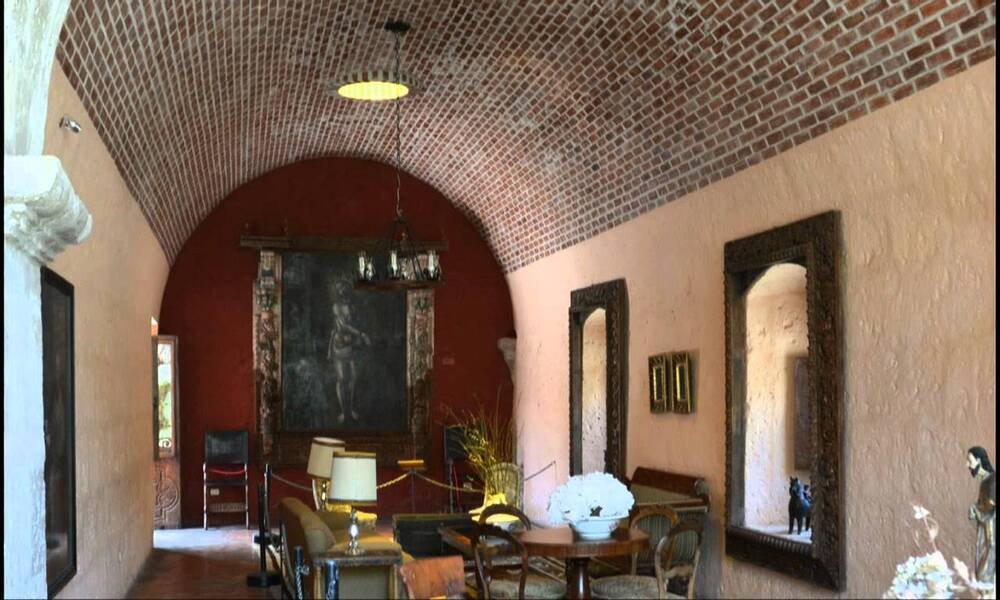
The Founder’s Mansion is a journey through different spaces that showcase Arequipa’s colonial architecture in all its splendor. Its courtyards, halls, and gardens preserve original sillar stone elements and details that reveal what life was like on a stately estate. Each space has its own character and offers a distinct experience, from intimate corners to open panoramic views of the countryside.
Main Courtyard and Sillar Architecture
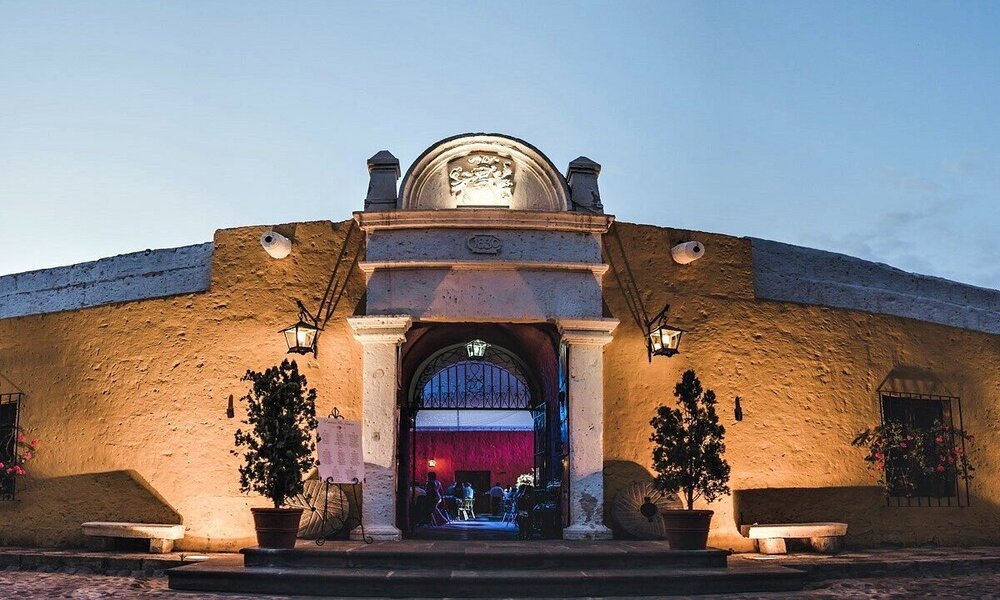
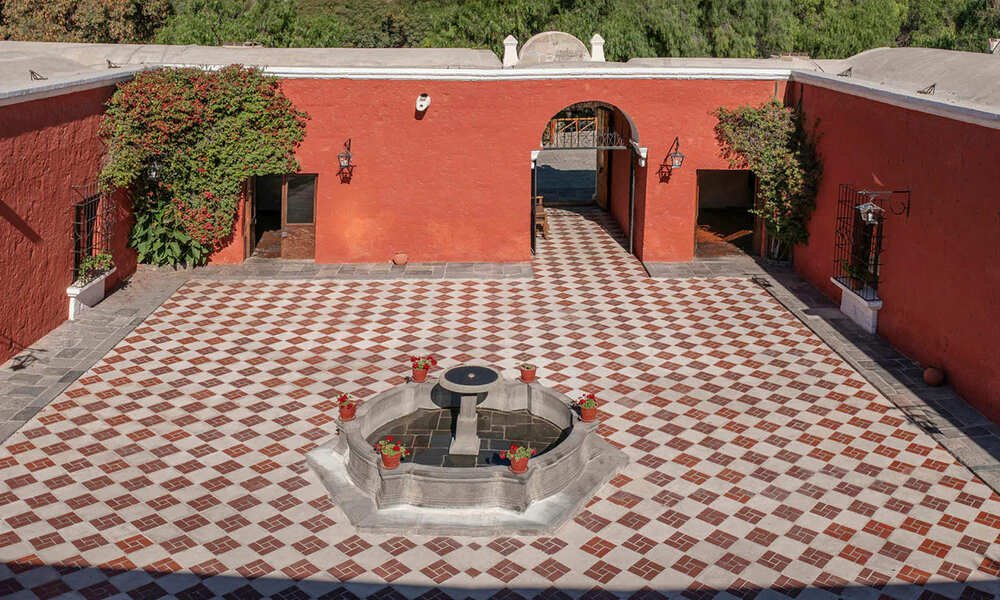
As soon as you enter the grounds, the main courtyard becomes the focal point of the visit. This space is surrounded by carved sillar stone arches, white walls, and thick wooden doors that evoke the viceregal style. Natural light reflects off the volcanic stone, creating a luminous and tranquil atmosphere that invites you to explore it at your leisure.
Details You Shouldn’t Miss
The courtyard features sillar stone carvings, walls with original textures, and columns with fine reliefs. These elements showcase the craftsmanship of the master stonemasons who worked on the manor. It is one of the most photographed spots by travelers thanks to its balance of simplicity and elegance.
The Private Chapel
The chapel is one of the mansion’s most special spaces. Built by the Jesuits, it stands out for its harmonious composition and the tranquility that envelops the area. Its architecture reflects a sober aesthetic, with stone arches, simple altars, and a small choir loft.
Religious Elements
Inside, you will find antique images, liturgical instruments, and pieces that were part of the spiritual life of the hacienda. The chapel conveyed tranquility and was intended for the owners and workers of that time.
Salons and Antique Furniture
The main salons retain furniture representing different periods of the residence’s history. Tables, chairs, chests, and restored furniture evoke how social activities unfolded within the house.
Representative Rooms
Some salons recreate relaxation spaces, while others showcase areas that functioned as offices or storage rooms. Each room offers an intimate glimpse into the workings of the hacienda and how the rooms were laid out.
Gardens and Countryside Views
The exterior gardens allow visitors to appreciate the connection between the mansion and the Huasacache Valley. These spaces, filled with vegetation and pathways, reveal the agricultural dimension of the property. From the gardens, one can observe the surrounding countryside and the old walls that once defined the hacienda’s boundaries.
Areas for Rest and Walking
Visitors often stroll through the gardens to take photographs, rest in shaded areas, or simply enjoy the fresh air of the valley. It’s one of the spaces that completes the tour experience.
How to get there, opening hours, fares and practical recommendations
Visiting the Founder’s Mansion is easy, as it’s located a short distance from downtown Arequipa and is well-connected by road. Its convenient hours and reasonable entrance fee make it easy for any traveler to include it in their itinerary. Here’s a practical guide to help you plan your visit comfortably and safely.
How to get there from Arequipa
The mansion is located in the Huasacache area, about 20–25 minutes from the historic center. Getting there doesn’t require much planning, and there are several options.
By taxi or ride-hailing app
This is the most comfortable and direct option. Taxis and ride-hailing apps like Uber, DiDi, or InDriver usually take the route that passes through the Uchumayo Bypass or Paucarpata, depending on traffic. The journey takes between 20 and 25 minutes. This is the recommended option for those who want to arrive without complications.
By Public Transportation
Several bus and minibus lines run through the Sabandía and Characato area, with stops relatively close to the mansion.
The journey is slower, but it’s an economical option. It can take 30 to 40 minutes, depending on traffic.
Visiting Hours
Hours may vary slightly depending on the season or local holidays, but the Founder’s Mansion is generally open:
Typical Hours
Monday to Sunday: 9:00 a.m. – 5:00 p.m.
-
-
Recommended last entry time: before 4:30 p.m.
-
Visiting in the morning offers better lighting for photos and fewer crowds.
Entrance Fees
Prices are generally affordable for both local and international visitors. While they may vary due to maintenance or holidays, the approximate amounts are:
-
-
Suggested Fees
-
- Adults: S/ 10.00
- Students and University Students: S/ 5.00
- Children: S/ 5.00
These fees allow you to explore the entire mansion, its gardens, and its interior spaces.
Practical Tips for Your Visit
Before you arrive, it’s helpful to consider a few recommendations to make the most of your visit.
-
-
Best time to visit
-
Morning is ideal thanks to the soft light and tranquility of the surroundings. Afternoon also offers warm light, perfect for photographs.
-
-
What to bring
-
- Comfortable shoes
- Water
- Charged camera or cell phone
- Sunscreen
-
-
Safety
-
The area is quiet, but it’s advisable to keep your belongings in sight. The route to Huasacache is safe during the day.