Mountain biking in the Chilina Valley: route and tips
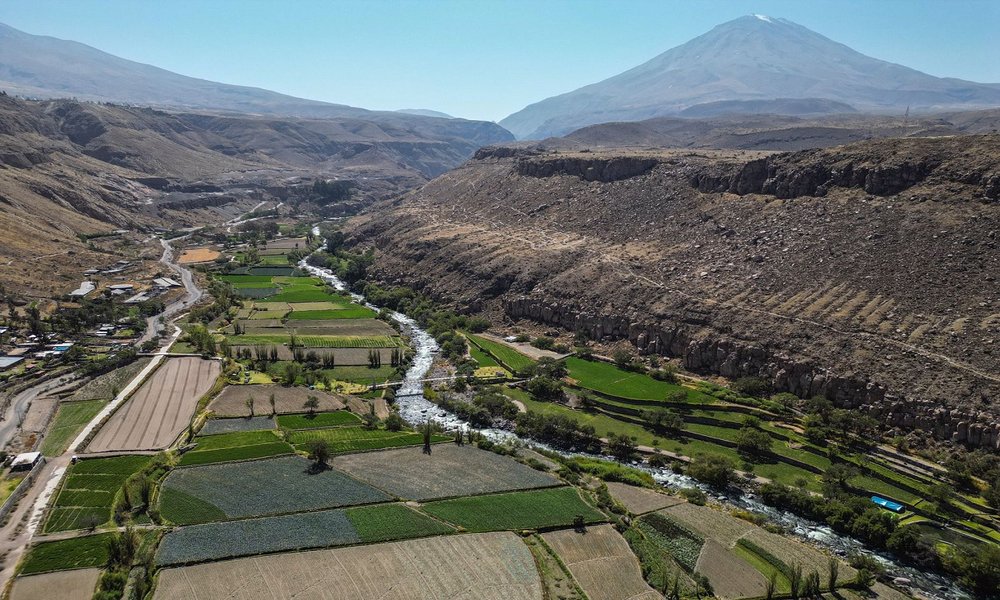
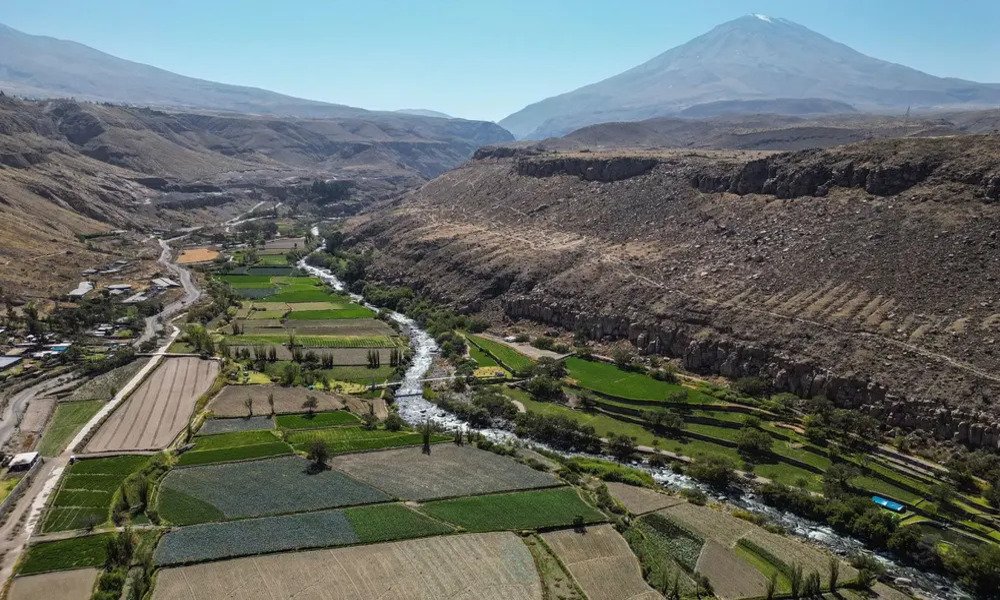
Mountain biking in the Chilina Valley is one of the best adventure experiences you can have in Arequipa without venturing far from the city. Just minutes from the historic center, this verdant valley unfolds alongside the Chili River, offering countryside landscapes, agricultural terraces, and incredible views of the Misti and Chachani volcanoes.
On the mountain bike trails in the Chilina Valley, you’ll find dirt tracks, gentle climbs, fun descents, and paths that wind through farms and past natural viewpoints. It’s an ideal destination for both beginner cyclists and those looking for more intense training, all while enjoying fresh air and direct contact with Arequipa’s natural beauty.
In this blog, I’ll tell you how to get there, which routes to take, the best time to go, what to bring, the difficulty levels, and safety tips to ensure your bike ride through the Chilina Valley is safe, fun, and truly unforgettable.
Location and landscape of the Chilina Valley
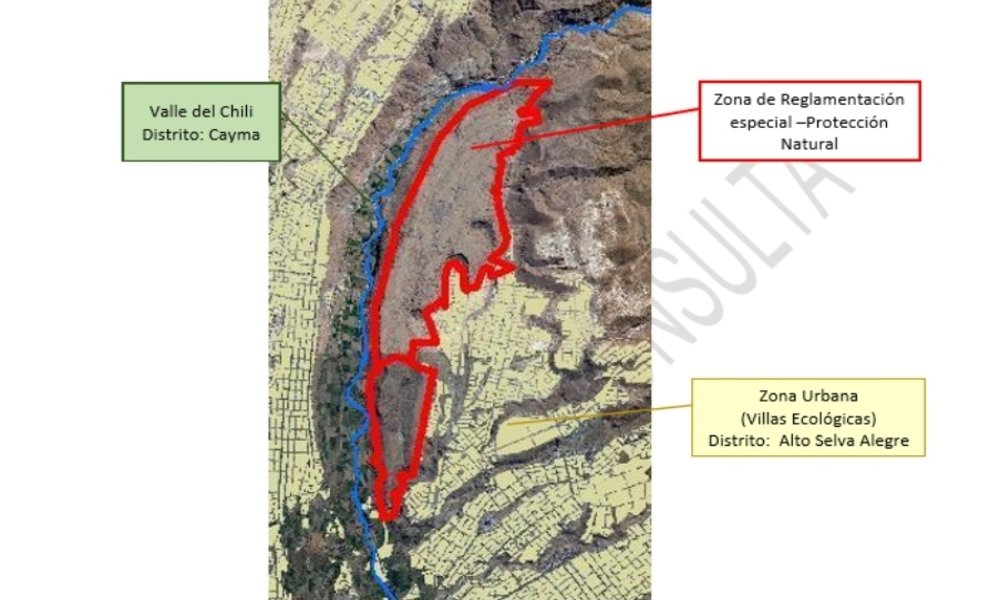
The Chilina Valley is located north of Arequipa’s Historic Center, following the course of the Chili River. It’s a natural area that combines agricultural countryside, open slopes, viewpoints, and direct views of the Misti, Chachani, and Pichu Pichu volcanoes. This blend of mountains, greenery, and desert makes mountain biking in the Chilina Valley a unique experience, ideal for connecting with nature without straying too far from the city.
Landscape and natural environment
The valley stretches for several kilometers and features cultivated areas, small farms, terraces, dirt paths, and rocky terrain. Along the route, you’ll see constantly changing landscapes: first open countryside, then a dirt track, and finally natural viewpoints offering panoramic views of the entire valley.
The volcanoes serve as a backdrop, and it’s common for cyclists to stop and take photos with Misti dominating the horizon.
Rural environment and local life
Mientras pedaleas encontrarás agricultores trabajando, canales de riego, animales de granja y casitas dispersas. Esta combinación de vida local y naturaleza le da al valle un ambiente tranquilo y auténtico. Es un lugar donde el aire es limpio, el ruido es mínimo y la sensación de libertad acompaña toda la ruta.
How to get to the Chilina Valley for your mountain bike route
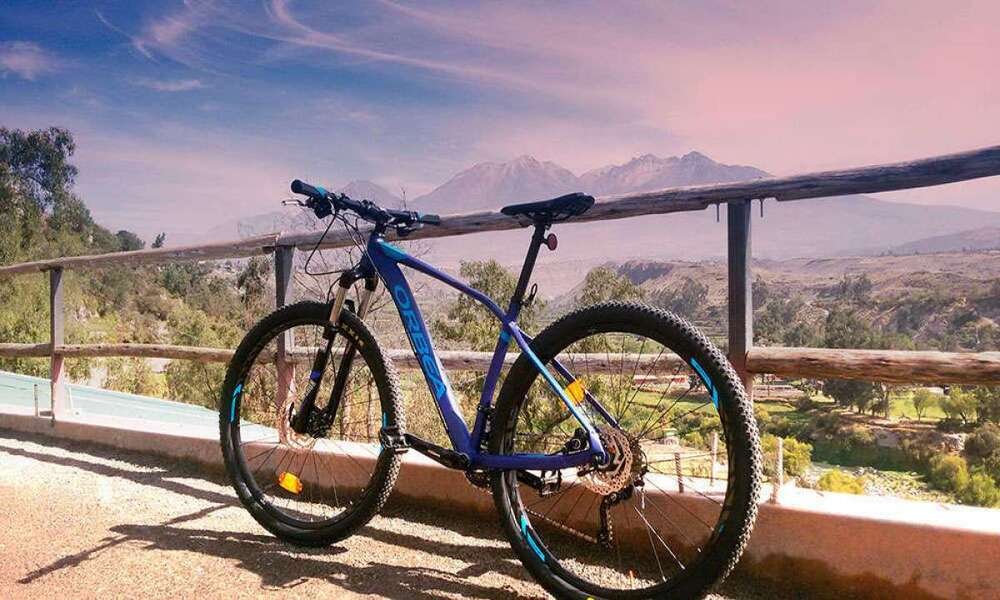
Getting to the Chilina Valley from Arequipa’s Historic Center is quick and easy, making it an ideal destination for those seeking a short, affordable, and nature-filled getaway. The valley is connected by paved roads, intermediate access points, and rural roads that lead directly to the starting points of the mountain bike trails in the Chilina Valley. Depending on your starting point, you can arrive by bike, taxi, private car, or tourist transport.
Arriving by bicycle from the city
Many cyclists prefer to start their adventure right in the heart of Arequipa. The most common route is to head towards Yanahuara or Cayma, cross wide avenues, and descend into the valley.
The route combines paved roads with some gentle downhill sections, making for a natural and gradual warm-up.
This type of ride allows you to enjoy the entire experience: city, countryside, dirt tracks, and rural landscapes before reaching the main roads of Chilina.
Furthermore, cycling has advantages:
- You avoid having to coordinate transportation.
- You start your training from the city.
- You have more freedom to modify your route.
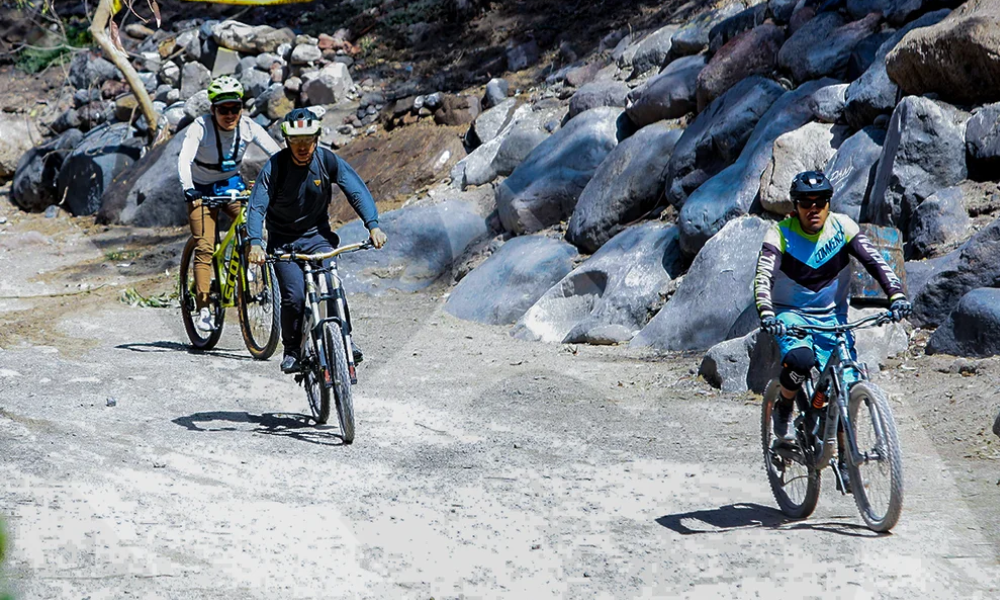
It’s an excellent option if you already have experience and drive confidently in urban areas.
Arrive by car, taxi or tourist transport
If you prefer to save your energy for the valley trails, you can arrive by car.
From the Plaza de Armas, the drive takes between 15 and 30 minutes, depending on traffic and the entrance you choose.
Most popular entrances for cyclists and tours:
Chilina Viewpoint Area
Cayma Entrance
Chilina Bridge
Near Parque de las Rocas (Rock Park)
Taxis and ride-hailing apps like Uber, DiDi, and InDriver are familiar with these routes and can drop you off very close to the starting points for your ride.
Those who book mountain bike tours often depart from these access points, as they allow you to start directly on the ideal terrain: trails, viewpoints, and natural paths.
If you’re driving your own car, you’ll find informal parking areas along the sides of the road, especially near the bridge and agricultural areas. Just be sure to avoid blocking farmers’ access roads or entrances to farms.
Routes and difficulty levels in the Chilina Valley
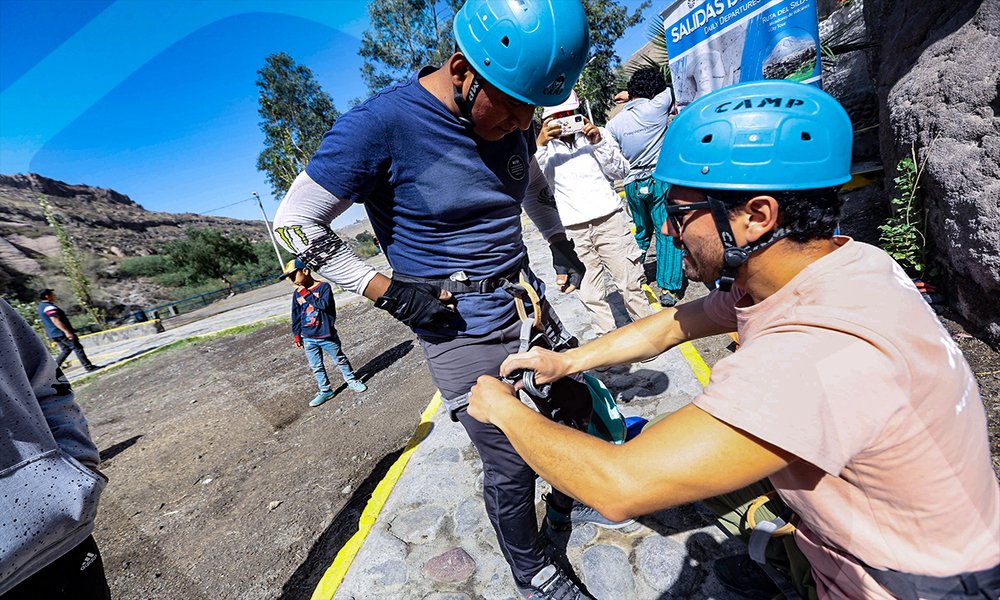
The Chilina Valley offers a variety of routes for all levels, from beginners looking for a gentle ride through the countryside to intermediate cyclists seeking to climb, descend, and practice maneuvers on more technical trails. One of the main attractions of mountain biking in the Chilina Valley is that you can tailor your route to your fitness level, available time, and preferred terrain.
The routes typically combine flat sections along the Chili River, short climbs on farm roads, and off-road sections with sweeping views of the volcanoes. Most circuits can be completed in 2 to 3 hours, although those looking for a more intense workout can extend them to half a day without having to travel too far.
Most common routes in the Chilina Valley
- Classic Route through the countryside and along the Chili River
This route is highly recommended for beginners. It combines dirt roads, flat sections, passes through farms, and some gentle climbs. The typical distance is 20–25 km, with a moderate elevation gain (300–400 m). Perfect for enjoying the scenery without overexerting yourself. - Viewpoints and Las Rocas Park Route
For cyclists with a bit more experience, this option includes steeper sections, expansive viewpoints, and stretches with tight turns. The views of Misti and Chachani from the top make the effort worthwhile. Ideal if you’re looking for a mixed route: basic technique, fast sections, and photogenic scenery. - Intermediate-to-Advanced Training Routes
Some local cyclists use the valley for more intense training, incorporating long climbs, narrow trails on hillsides, and controlled descents. These routes typically exceed 30 km and require good physical condition and prior mountain biking experience.
Difficulty levels and duration
The Chilina Valley has the advantage of offering routes tiered according to skill level:
- Beginner:
Gentle riverside trails, flat sections, and a stable path.
Duration: 1.5–2 hours. - Intermediate:
Moderate climbs, narrower trails, and high viewpoints.
Duration: 2–3 hours. - Advanced-Intermediate:
Technical sections, steep inclines, and training routes.
Duration: 3–4 hours or more.
The altitude and dry climate make the hikes feel a bit more challenging, but with good hydration and a steady pace, it’s possible to enjoy the valley even if you don’t have much experience.
What to pack for your mountain bike trip in the Chilina Valley
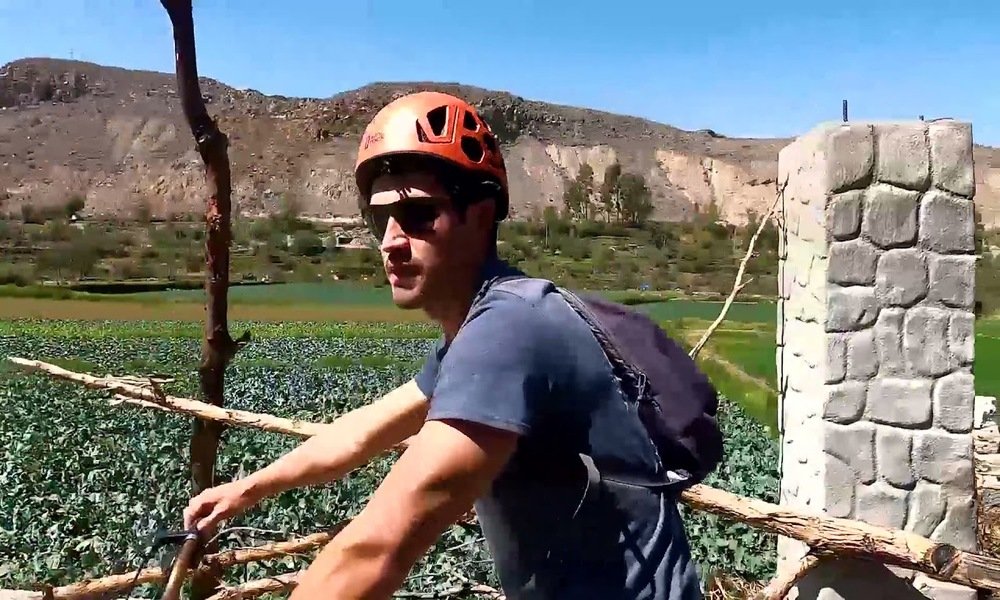
To fully enjoy your mountain bike route in the Chilina Valley, it’s essential to have the right gear. The valley combines sunny areas, dusty trails, and some windy sections, so being prepared makes a big difference in safety and comfort. The idea is to stay protected from the sun, well-hydrated, and with the minimum equipment necessary to handle any unexpected situations during your ride.
Basic bicycle and safety equipment
Having the right gear will allow you to ride with confidence on trails, climbs, and short descents.
Recommended items to bring:
- A properly fitted helmet (mandatory).
- Cycling gloves to protect your hands and improve grip.
- Sunglasses to protect against dust and glare.
- A well-maintained mountain bike with brakes, tires, and gears in good working order.
- A small multi-tool, a pump or CO2 cartridge, and a couple of patches.
- A basic first-aid kit with small bandages, hand sanitizer, and adhesive bandages.
Clothing, hydration, and useful accessories
Arequipa’s dry climate makes hydration key. The sun is also strong, even in winter, so protecting your skin and staying cool is essential.
Bring the following:
- Plenty of water (at least 1–2 liters).
- High-factor sunscreen.
- Quick-drying, lightweight, and comfortable athletic clothing.
- A windbreaker or light jacket, especially in the mornings.
- Energy snacks such as bars, fruit, or nuts.
- A lightweight backpack or fanny pack to carry your belongings without getting in the way.
- A fully charged cell phone for photos, navigation, and emergencies.
With this equipment, you can explore the valley comfortably, avoiding heatstroke, dehydration, or premature fatigue.
Safety tips and guided tours in the Chilina Valley
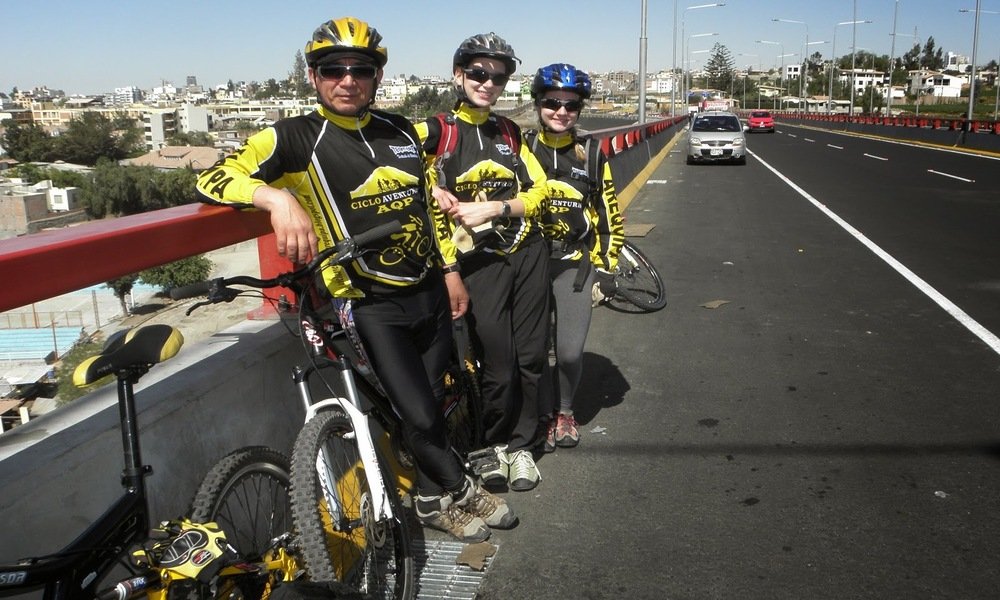
Before setting off to explore the valley, it’s important to keep a few safety points in mind. Although the surroundings are peaceful and close to the city, the terrain includes uneven sections, fast descents, and paths shared with farmers. Being well-prepared will make your mountain biking experience in the Chilina Valley safe, smooth, and more enjoyable.
Essential safety tips
To avoid incidents and ensure a comfortable ride, follow these recommendations:
- Don’t ride alone if it’s your first time in the area.
- Inform a family member or friend of your route and expected return time.
- Avoid taking shortcuts on narrow or unfamiliar trails.
- Check your bicycle before setting out (brakes, tires, and gears).
- Bring plenty of water, sunscreen, and a small first-aid kit.
- Respect the countryside, farm roads, and local residents.
- Don’t leave any trash behind; take everything you bring with you.
- Avoid riding during the hottest hours of the day (11:00 a.m. – 2:30 p.m.).
These tips will help you cycle more safely while enjoying the scenery.
Is it worth hiring a guided tour?
For many travelers and beginner cyclists, a guided tour is an excellent option.
It offers several advantages:
- Transportation included from Arequipa to the starting point.
- Mountain bike and helmet in good condition.
- Expert local guide who knows safe routes and the best viewpoints.
- Mechanical assistance in case of punctures or necessary adjustments.
- Basic first-aid kit and immediate support if you get tired.
- Customized routes according to your level (beginner, intermediate, or advanced).
- Greater safety, especially if you are unfamiliar with the valley.
A guided tour allows you to enjoy the surroundings, take photos without worrying about navigation, and complete the route with peace of mind.