Traditional Loncco Route: Living Culture of Arequipa
The Traditional Loncco Route in Arequipa is a cultural journey connecting old villages in the Arequipa countryside, where the identity, language, and customs of the authentic loncco are still preserved. This historical figure symbolizes the simple life of the countryside, traditional music, folk expressions, and the deep connection between people and the land.
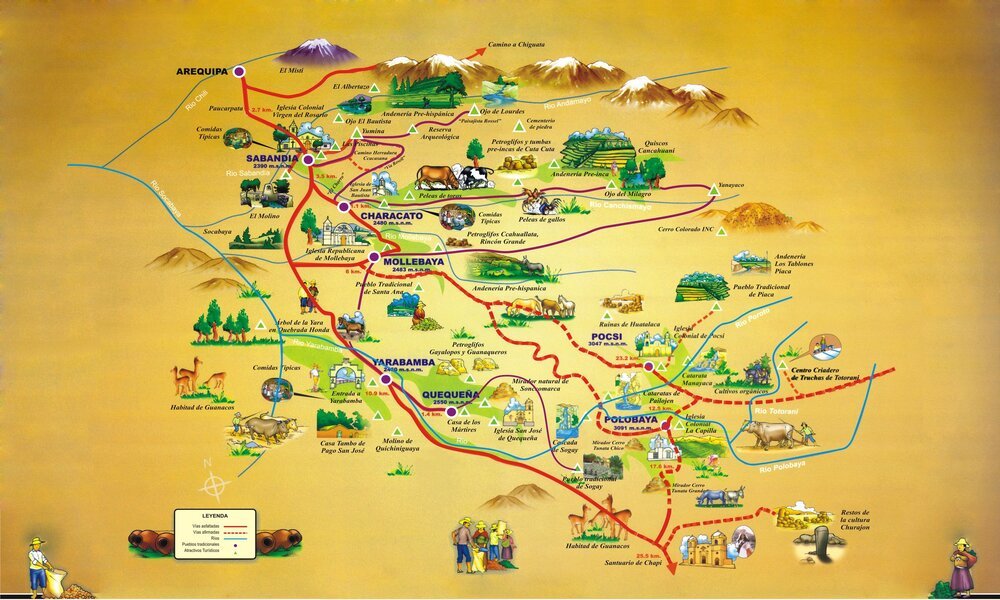
Exploring this route means venturing into neighborhoods and districts like Sabandía, Characato, Paucarpata, Socabaya, and the legendary Yumina, places where rural heritage still resonates amidst old houses, mills, colonial chapels, and paths lined with terraces and irrigation canals.
The Loncco Route remains alive thanks to its inhabitants, who maintain legends, dances, idioms, and stories that form part of Arequipa’s unique character. This journey not only showcases landscapes but also the cultural essence that shaped the identity of the Arequipa valley.
What is the Traditional Loncco Route?
The Traditional Loncco Route is a cultural journey connecting the oldest and most authentic villages in the Arequipa Valley, where the rural identity known as the loncco is still preserved. This word describes the inhabitants of the Arequipa countryside: hardworking, resourceful, proud of their land, and deeply connected to their traditions. Their culture is reflected in their music, dances, way of speaking, and above all, in the cuisine prepared over wood-burning stoves.
Taking this route is to discover a way of life that remains almost unchanged despite the passage of time. In these villages, dirt roads, old houses, and agricultural landscapes coexist with customs passed down from generation to generation. The Loncco Route allows you to get closer to this essence: tasting traditional foods, visiting colonial mills, observing ancestral crops, and talking with people who keep the memory of the valley alive.
It’s a perfect trip for those who want to experience a more local, authentic, and rural Arequipa. Each stop offers simple yet memorable experiences, ideal for enjoying with family, as a couple, or as a curious explorer looking to disconnect from the urban rhythm without straying too far from the city.
History and origin of the Arequipa Loncco
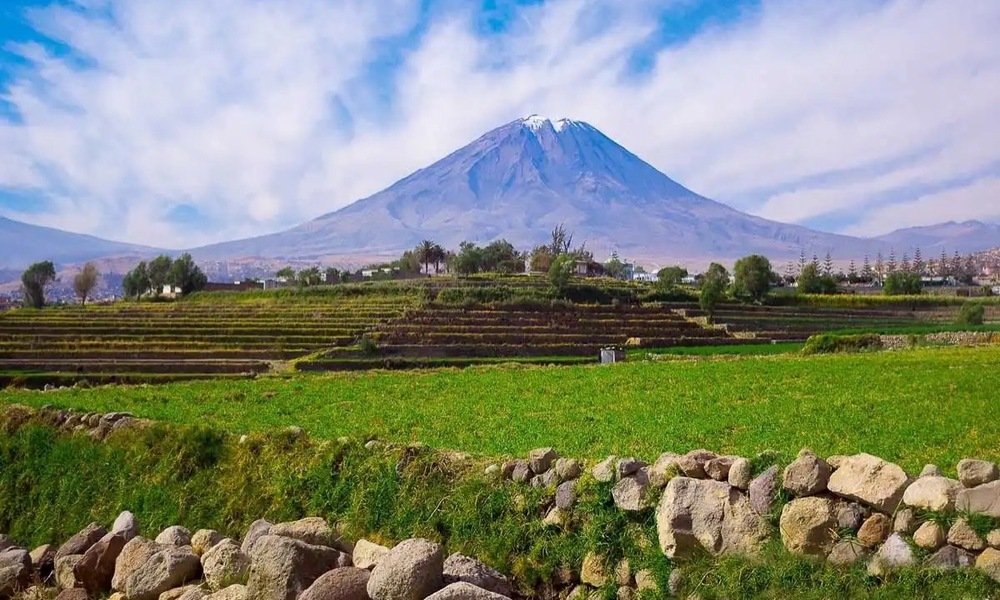
The Loncco identity originated in the rural villages surrounding Arequipa. Their traditions, their way of speaking, and their lifestyle were shaped by agricultural work, their connection to the land, and a culture that has endured for generations. This heritage lives on along the Loncco Route, where each village preserves a part of this spirit.
Rural roots of the valley
The Loncco developed among fields, terraces, and irrigation ditches. Its inhabitants lived in an environment marked by agriculture and livestock farming, which gave rise to customs closely linked to nature and a calm, communal pace of life.
Culture, music and Loncco character
Direct humor, witty verses, and traditional foot-stomping dance are essential parts of this identity. Daily life was accompanied by local music, neighborhood gatherings, and celebrations that reinforced a sense of belonging.
Gastronomic tradition
Gran parte del legado loncco se preserva en su cocina. Platos como el chicharrón, el cuy chactado y las sopas típicas se preparaban con insumos locales y técnicas transmitidas de padres a hijos. Esta gastronomía sigue siendo uno de los pilares culturales de la ruta.
Which towns make up the Loncco Route?

The Loncco Route comprises several traditional villages located southeast of Arequipa. They all share a lifestyle tied to the countryside, traditional cuisine, and customs inherited from their grandparents. Each village has its own character, but together they keep alive the essence of the loncco: a strong, proud identity deeply connected to the land.
Visiting these villages means discovering rural roads, old houses, historic churches, and family-run restaurants where food is prepared just as it has been for decades. It also allows you to see how agriculture, music, and festivities remain an integral part of daily life.
Characato: tradición viva y sabor local
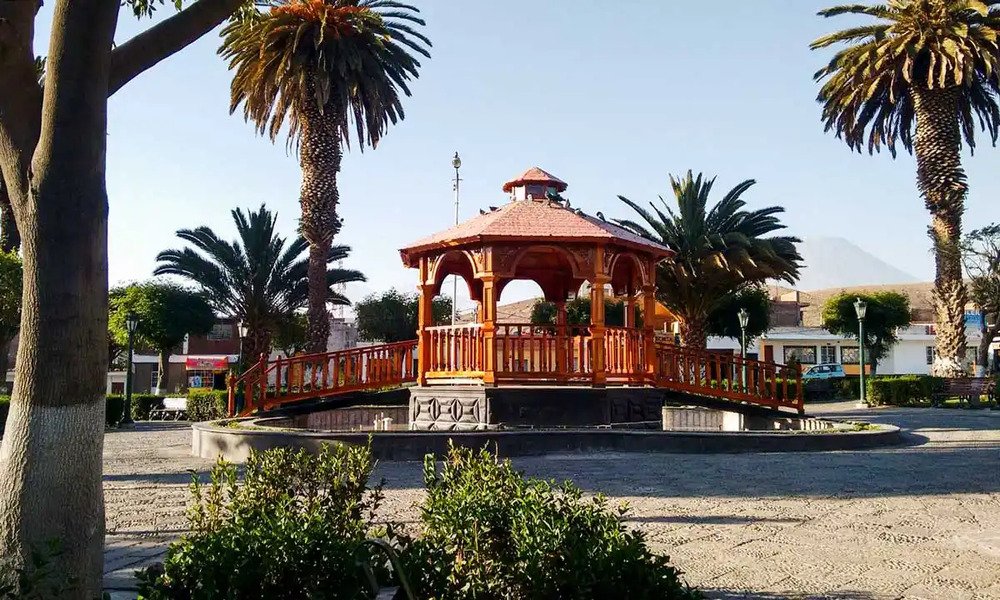
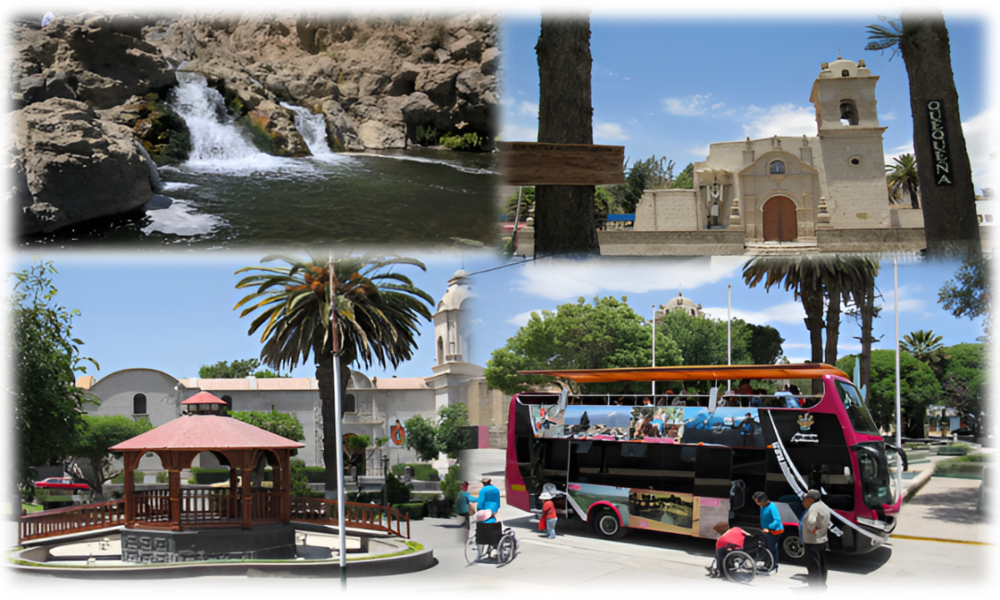
Characato is considered the heart of the Loncca identity. Its wide streets, serene plaza, and colonial church create an atmosphere that invites leisurely strolls. Here, you can still see locals in traditional dress, working the land or preparing typical dishes over wood-burning stoves.
Gastronomy is a highlight. Characato is famous for its chicharrón (fried pork rinds), caldo de lomos (beef stew), and cuy chactado (fried guinea pig), prepared in family kitchens that preserve time-honored recipes. It’s also common to find small vegetable gardens, irrigation canals, and cultivated areas that offer an authentic glimpse into rural life.
Sabandía: emblematic countryside and historic architecture
Sabandía is one of the most photogenic towns on the Loncco Route. Its verdant terraces, tree-lined paths, and old houses create a landscape that blends history and nature. The famous Sabandía Mill stands out here, an architectural gem that embodies the area’s agricultural traditions.
The countryside is perfect for strolling and taking photographs. Visitors often explore its trails to observe orchards, farm animals, and natural viewpoints. Sabandía is also known for its traditional cuisine, served in family-run restaurants where dishes like Sunday adobo, shrimp chowder, and Arequipa-style ocopa are served.
Paucarpata: ancestral terraces and agricultural life
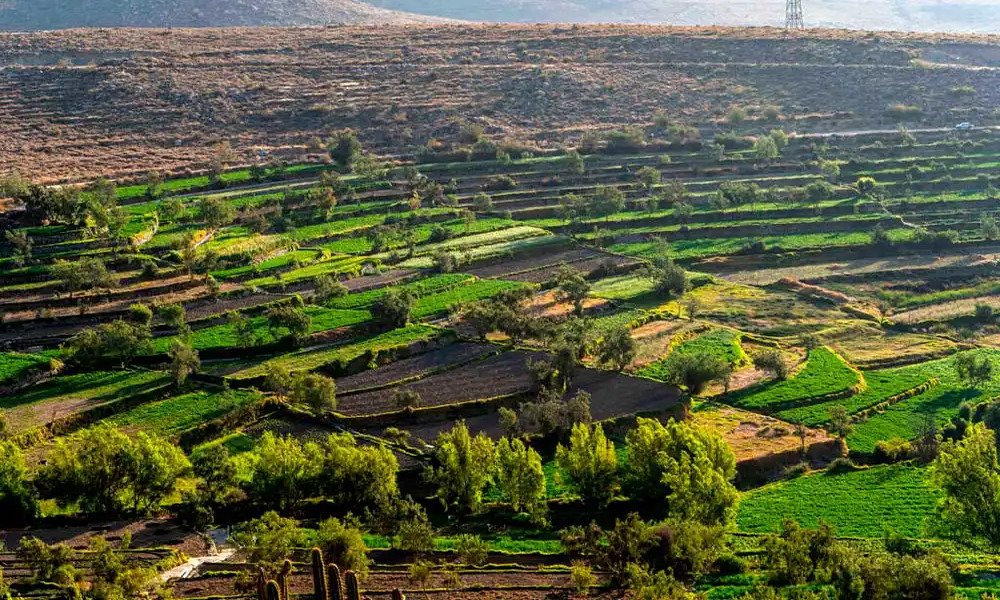
Paucarpata is known for its pre-Hispanic terraces, which are still used for farming. This area has a strong agricultural identity and maintains traditional practices inherited from its ancestors. Walks along the terraces reveal orchards, ancient irrigation ditches, and landscapes that connect directly to Arequipa’s rural history.
The town is also known for its traditional picanterías (local eateries). These restaurants prepare classic dishes such as rocoto relleno (stuffed rocoto peppers), pastel de papa (potato pie), and chupes (stews). Locals often cook over wood-fired stoves, which imparts a smoky and authentic flavor that is an essential part of the “loncca” experience. A stroll through Paucarpata offers a blend of history, flavor, and tranquility.
Mollebaya: a quiet rural area with a strong livestock tradition
Mollebaya is one of the most peaceful towns along the Loncco Route. Its simple streets, small farms, and open landscape create a perfect setting for those seeking nature and rural life. Livestock farming is central to the town, and it’s common to see cows, sheep, and other farm animals as you stroll along its paths.
The climate is mild, and the surroundings invite leisurely walks. Mollebaya also preserves ancient customs related to planting and the traditional use of the land. Its inhabitants often prepare much-loved homemade dishes, such as locro (a hearty stew), chairo (a thick soup), and fried guinea pig, following recipes passed down through generations.
Yarabamba: land of wide countryside and traditional flavors
Yarabamba combines open landscapes, agricultural areas, and a deeply rural atmosphere. It’s known for its fresh produce, artisanal bread, and local cuisine. The town exudes a serene and welcoming pace of life, ideal for those who wish to explore the countryside at a leisurely pace.
The town’s streets lead to natural viewpoints that showcase the grandeur of the Arequipa countryside. Visitors will find orchards, diverse crops, and traditional houses where emblematic dishes of the local cuisine are prepared. It’s a highly recommended stop for travelers who appreciate authentic rural life and food cooked over a slow fire.
Loncca gastronomy: traditional dishes and flavors of yesteryear
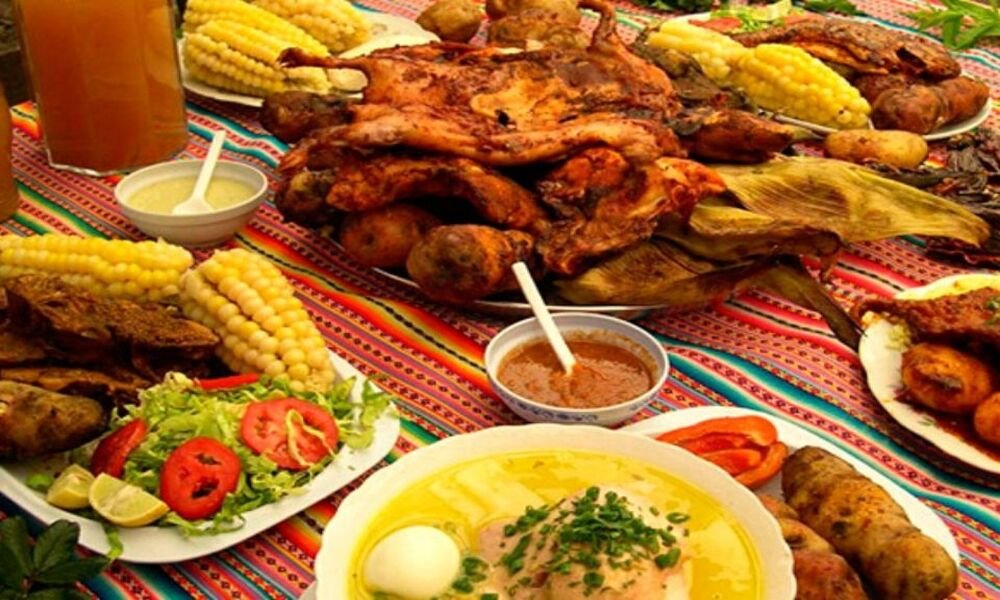
The cuisine of the Loncca region is one of the cultural pillars of Arequipa. Its dishes use local ingredients, traditional techniques, and a cooking style that preserves the authentic flavors of the countryside. The dishes are prepared with time, patience, and wood-fired stoves, maintaining the essence of rural cooking.
Most representative dishes
The dishes along the Loncco Route are known for their heartiness, flavor, and agricultural roots. Here you’ll find preparations made with fresh produce, local meats, and traditional herbs. Among the most popular are:
- Arequipa-style Adobo
- Chairo
- Chaque
- Pepián
- Chicharrón
- Fried Guinea Pig
- Stuffed Rocoto Pepper
- White Broth
These recipes reflect the rural identity that has endured for generations.
The role of the wood-burning stove
The wood-burning stove is an essential part of Loncca cuisine. It’s used for slow cooking, which imparts a smoky flavor that can’t be achieved any other way. Many villages along the route still maintain this system thanks to its cultural value and the unique flavor it gives to the food.
Traditional picanterías
Picanterías are temples of traditional Colombian cuisine. They’ve been operating for over a century and maintain an old-fashioned style of service: long tables, rustic atmospheres, and generous portions. Many are only open at lunchtime, following local custom. Here you can try freshly made chicharrón, chicha de guiñapo (a fermented corn beverage), the daily soup, and stews prepared in a home-style way.