


Lake Titicaca — Boat rides, photography, sunsets
Why is Lake Titicaca a unique destination for boat trips?
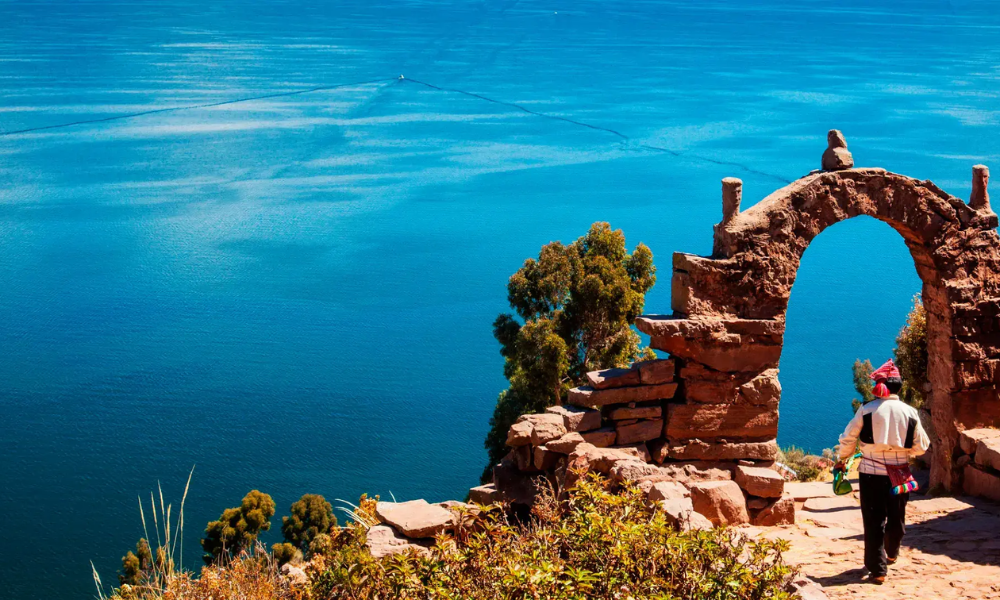
Lake Titicaca, located 3,812 meters above sea level, is the highest navigable lake in the world and one of the most important tourist attractions in Puno. Its large body of water is surrounded by floating islands, breathtaking landscapes, and a rich tradition of Andean culture. Boat trips offer tourists a unique opportunity to discover the islands of Amantaní, Uros, and Taquile, and enjoy panoramic views of the lake and its surroundings.
Sailing on Titicaca is not only a peaceful experience, but also an immersion in the life of the indigenous communities, who sustain themselves thanks to the lake and preserve ancient traditions.
Which islands can you visit by boat on Lake Titicaca?
Floating Islands of the Uros
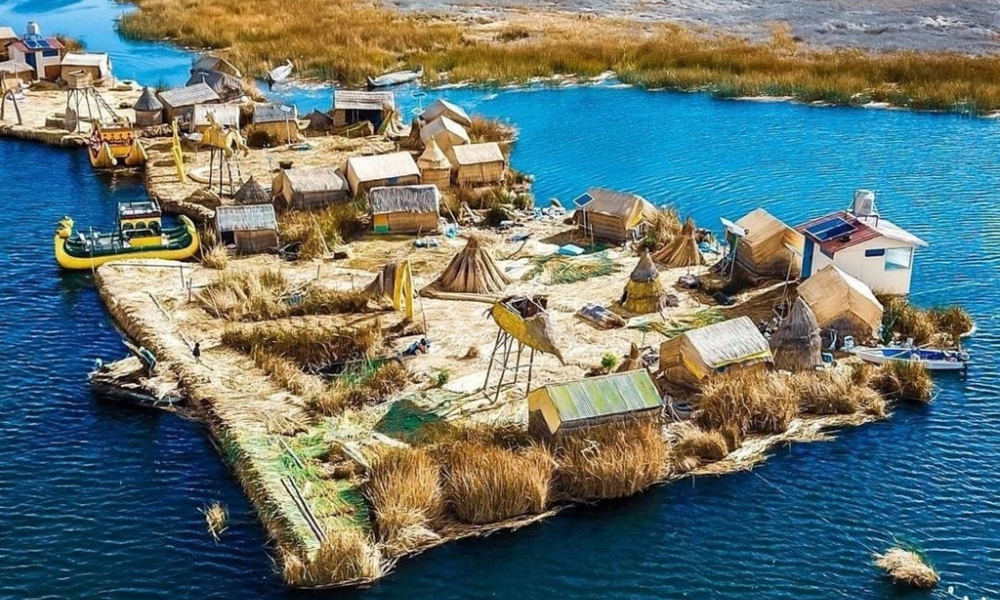
One of the most popular places on the lake is the floating islands of the Uros. These islands, which have been inhabited by the Uros, a community that has preserved its culture over centuries, are built with totora, a type of aquatic plant that grows in the lake. During the boat ride, you will have the opportunity to learn about how the islands were built and how the community lives peacefully with the water.
Tour duration: About an hour and a half.
Photography tip: Use the soft morning light to take pictures of the reflections in the water and the colorful clothes worn by the people who live on the islands.
Taquile Island
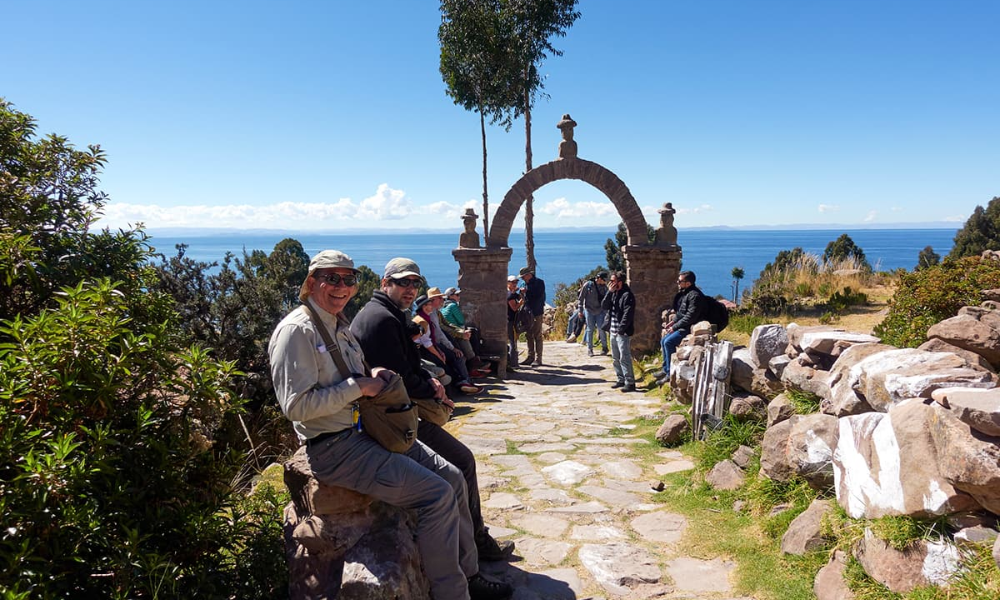
Taquile’s textile traditions, recognized by UNESCO, are responsible for the island’s fame. Tourists can take a walk around the island, which offers spectacular views of the lake, purchase artisan products, and learn about the community’s traditions.
Tour duration: About 4 to 5 hours (including time for sailing and walking around the island).
Photography tip: From the viewpoints on Taquile, you can take photos of both the lake and the island’s green fields.
Amantaní Island
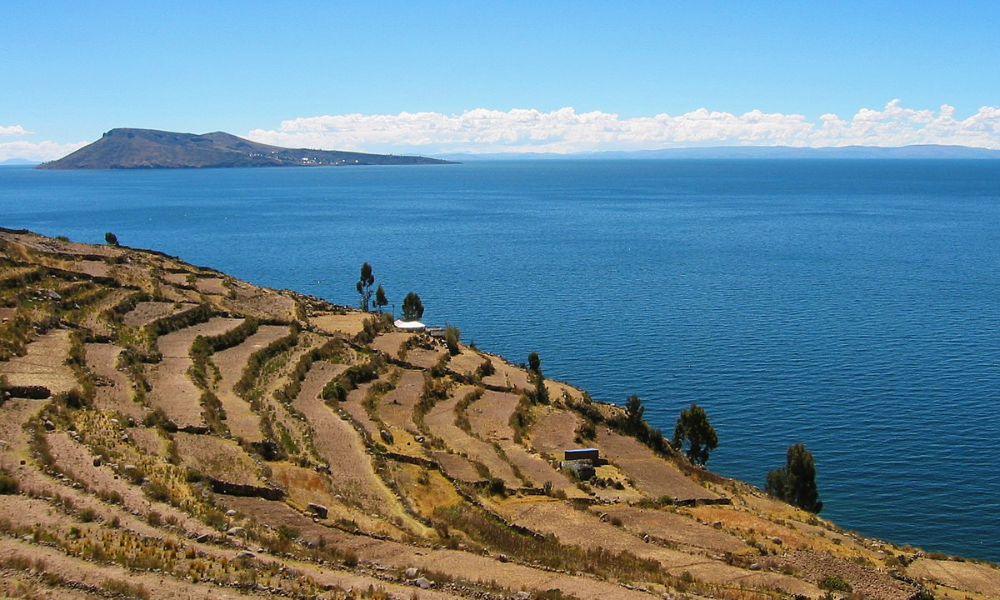
Although Amantaní is less frequented than the other islands, its calm and natural beauty make it an ideal alternative for those who want a more profound experience. In Amantaní, visitors often sleep with local families, which provides an exceptional cultural experience.
Tour duration: About an hour and a half by boat. The tour can last between two and three days if you add the stay.
Photography tip: From the island’s viewpoints, capture the beautiful sunsets over the lake.
What types of photography can you do at Lake Titicaca?
Lake Titicaca has spectacular views that are perfect for photography. Here are some suggestions:
Panoramic photograph
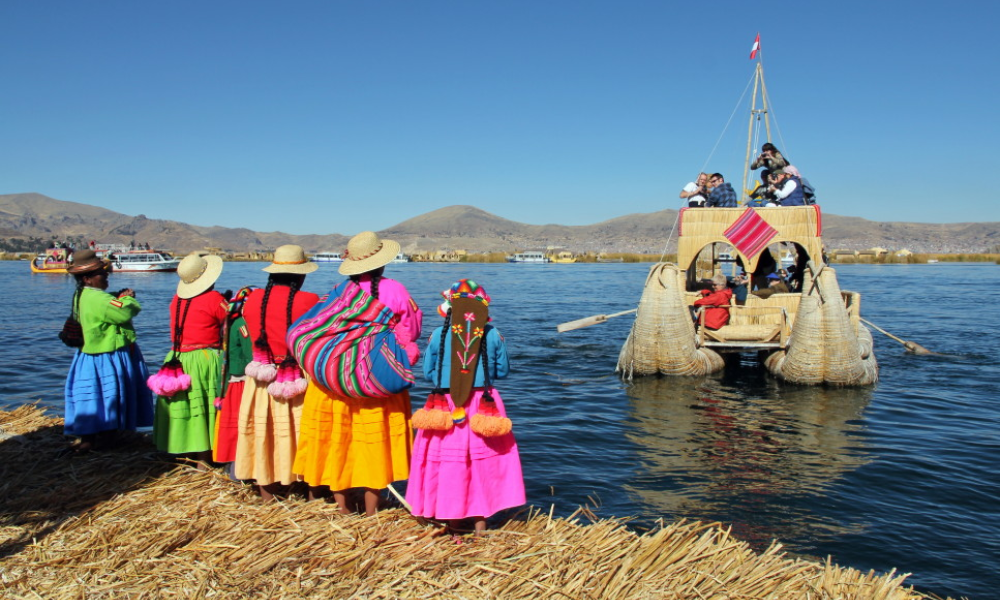
From various points along the boat trip, the lake offers breathtaking views. The floating islands and the beauty of nature can be perfectly captured from the islands of Taquile, Uros, and Amantaní.
Recommendation: The clearest photos with soft lighting are taken in the early morning or at sunset.
Photograph of local life
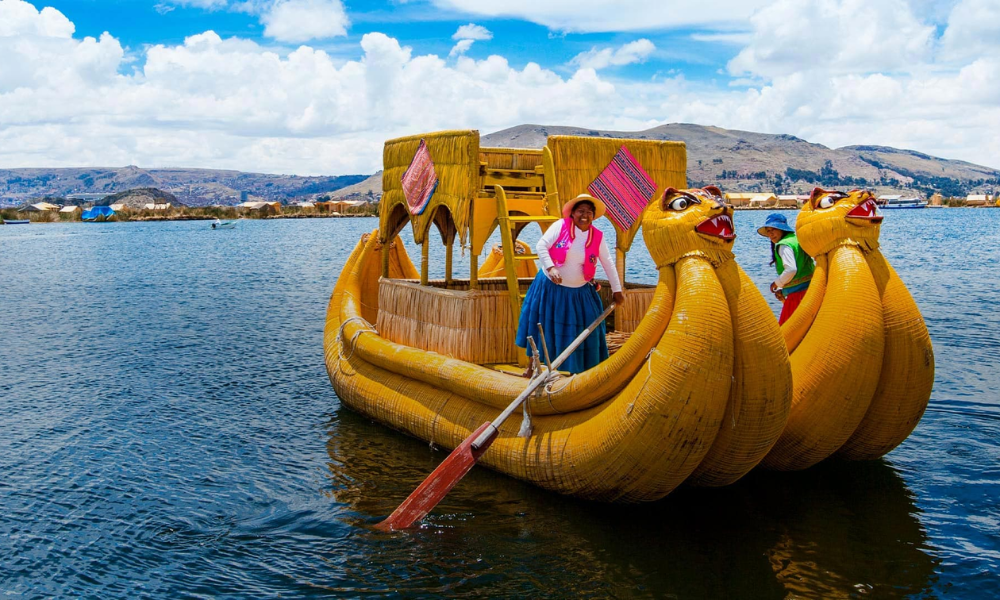
Throughout your journey, you will have the opportunity to capture the daily life of the communities living on the islands. A great way to connect with the local culture is to photograph hands at work, traditional clothing and vibrant colors, as well as everyday activities.
Recommendation: Ask for permission before taking photographs of people and their homes to honor their traditions.
When is the best time to enjoy sunsets on Lake Titicaca?
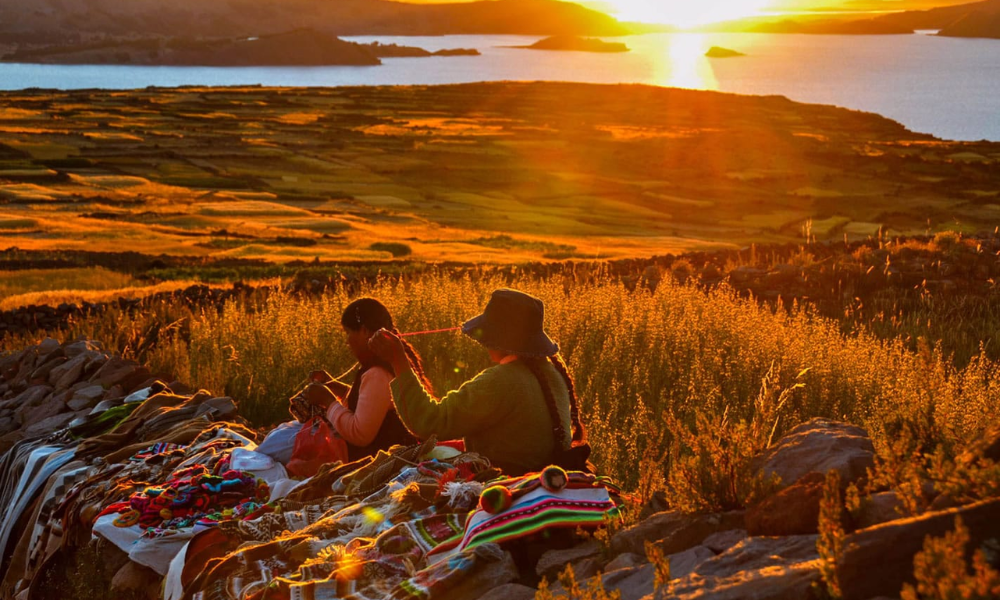
One of the region’s greatest charms is the sunset over Lake Titicaca. The golden light and panoramic views make this moment of the day an unparalleled natural spectacle. The best places to watch the sunset are:
Taquile Viewpoint: From this spot, you can watch the sun set behind the mountains, reflected in the water like a mirror.
Puerto de Puno: If you don’t want to go to the islands, the port of Puno offers a beautiful sunset overlooking the lake.
Recommendation: To take spectacular photos, arrive 30 minutes before sunset so you can capture the entire sequence of colors.
Tips for tourists visiting Lake Titicaca
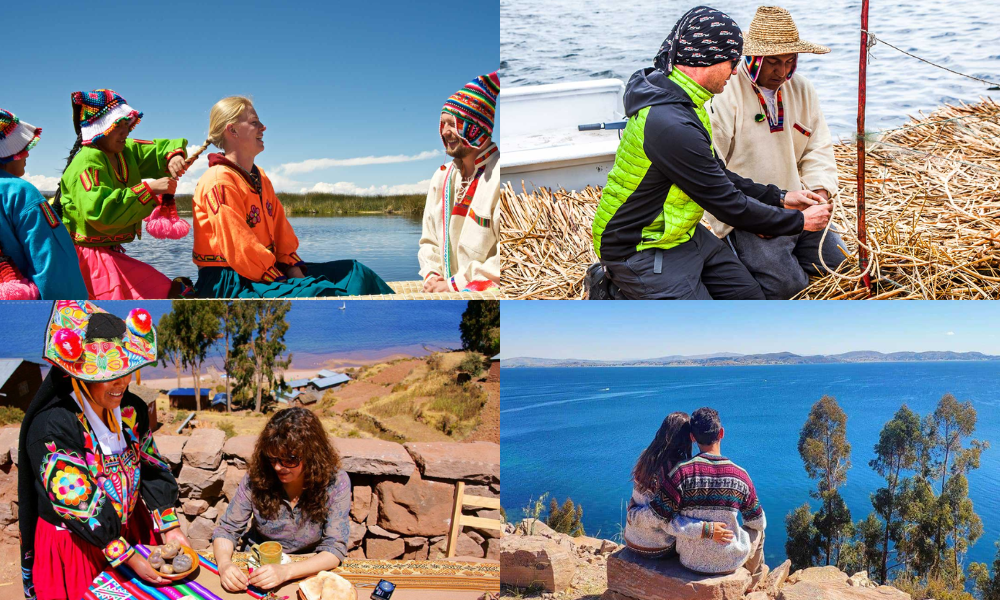
Sun protection: The sun in the highlands can be intense, even in cool weather. Wear a hat, sunglasses, and sunscreen.
Hydration: Be sure to stay hydrated during the boat trip, particularly if you are not used to the altitude.
Appropriate clothing: Wear light clothing during the day, but it is also advisable to bring something warm for the afternoon and evening, as temperatures can drop quickly.
Acclimatization: Due to its high altitude, Lake Titicaca requires acclimatization time to prevent altitude sickness.
Respect local customs: Ask for permission before taking photos and respect the traditions of indigenous communities.