


Floating Islands of the Uros — cultural tour, reed raft ride, handicrafts
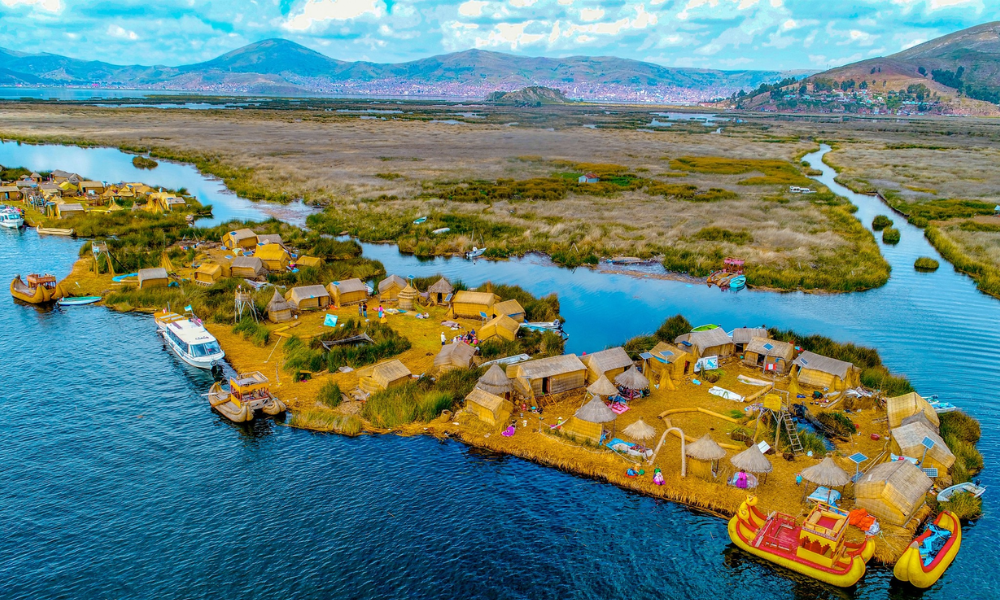
What are the Floating Islands of the Uros?
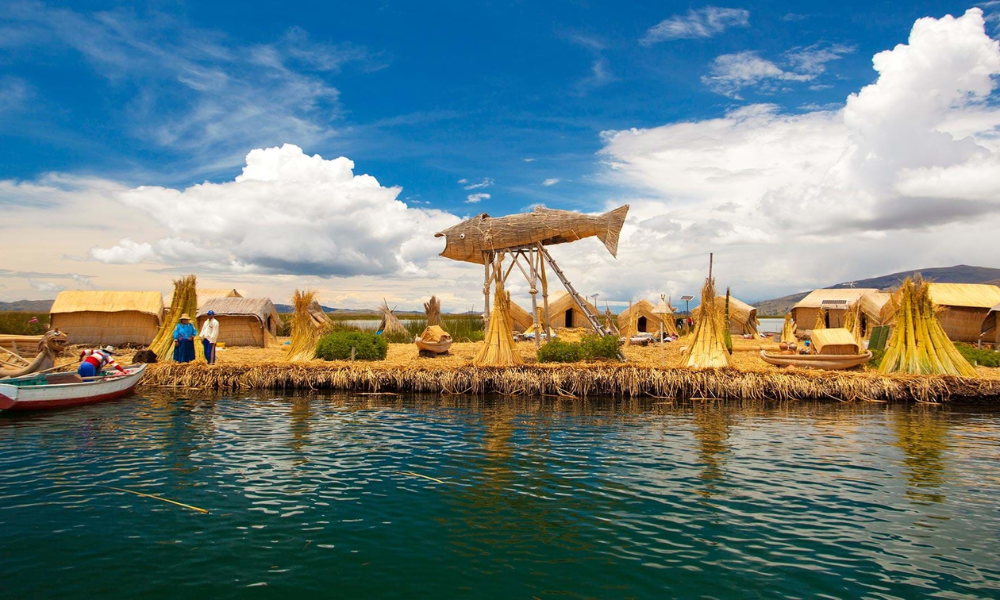
One of the most representative cultural attractions of Lake Titicaca, in the Puno region, is the Floating Islands of the Uros. These are artificial islands created entirely from totora, an aquatic plant that grows in the lake. The Uro people, a community of ancient origin that has preserved its way of life over the centuries and adapted to the lake environment, inhabit these islands.
Visiting the Uros is not just a tourist attraction; it is also an opportunity to learn about a living culture, with customs, traditions, and knowledge that have been passed down from generation to generation.
History and culture of the Uro people
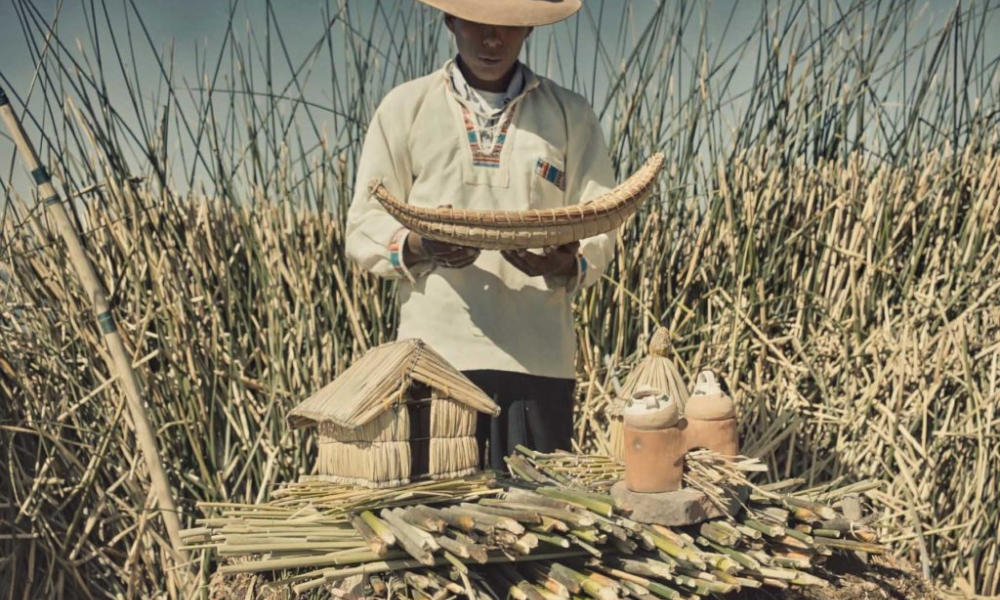
The Uro people are considered one of the oldest peoples in the Andean highlands. According to oral tradition, their ancestors lived on Lake Titicaca long before the Incas appeared. In order to adapt to their environment and avoid conflict, they devised a technique for creating floating islands using layers of totora reeds.
Today, Uros families continue to live on these islands, preserving traditional customs such as fishing and bird hunting, as well as crafting handicrafts and building rafts. Although tourism is a significant source of income, the community maintains a strong sense of cultural identity.
What is the cultural experience of visiting the Uros Islands?
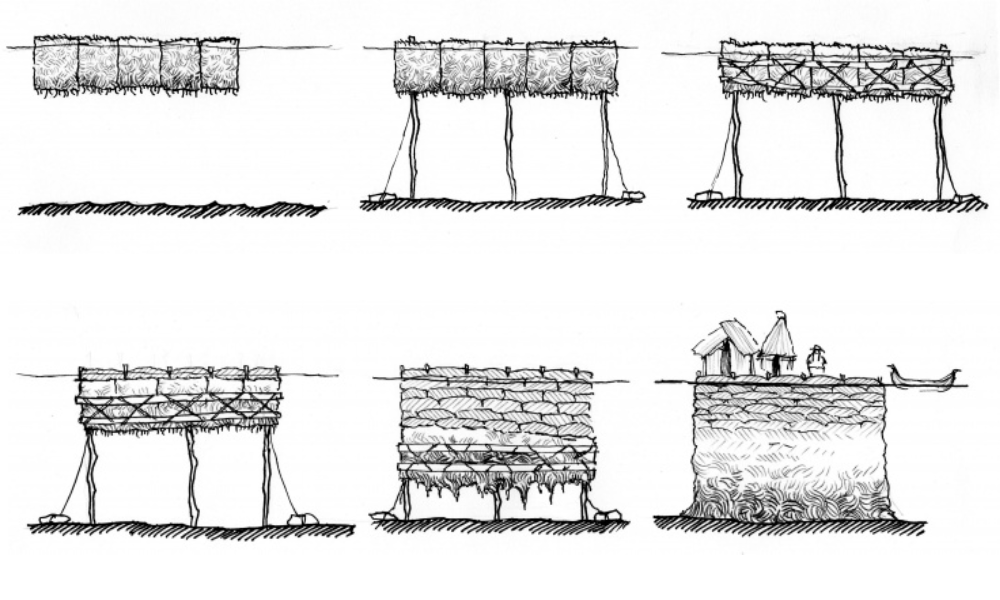
The inhabitants welcome visitors and explain the process of building and maintaining the islands. We will show you how the layers of totora reeds are laid, why they must be continually renewed, and how each family plays a role in the community.
The tour usually includes a simple and accessible cultural talk, perfect for adults and children alike. It is an educational experience that provides an understanding of the intense connection between Lake Titicaca and the Uro people.
Is it worth taking a ride on a totora reed raft?
Yes, one of the most iconic experiences of the visit is taking a ride on a totora reed raft. Since ancient times, these traditional boats, also made of totora reeds, have been used to navigate the lake.
The trip is short and peaceful, ideal for contemplating the landscape, taking photos, and enjoying a symbolic experience that connects with the history of the site. It is not an extreme activity, so all types of travelers can participate.
Traditional crafts and textiles of the Uros
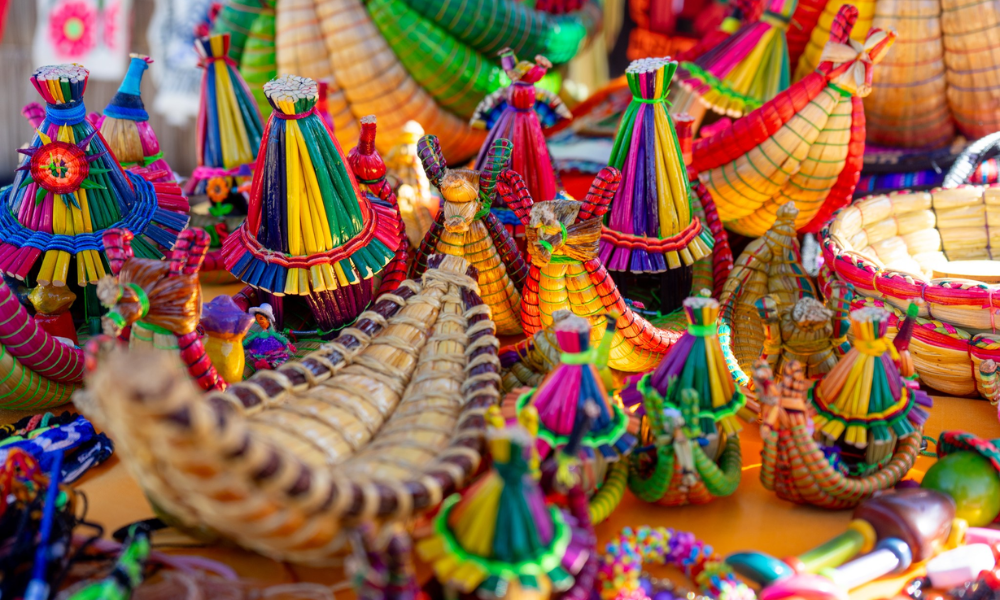
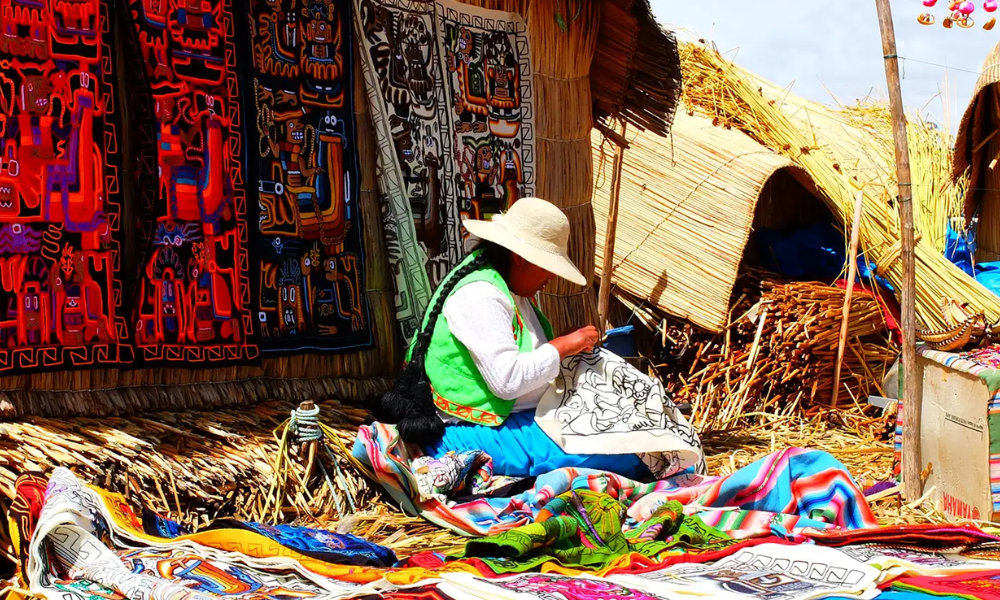
The worldview and natural environment of the Uros people are reflected in their handicrafts. During your visit, you will find:
Handmade textiles
Ornamental figures made from totora reeds
Brightly colored embroidery with Andean emblems
Miniature reproductions of traditional rafts
A responsible way to support the local economy is to purchase handicrafts directly from families. Each piece is the result of hours of craftsmanship and has cultural value.
How long is the visit to the Uros?
The trip to the Floating Islands of the Uros usually lasts 1 to 2 hours, depending on the type of tour. On half-day or full-day tours, many tourists combine this route with other islands on Lake Titicaca, such as Taquile or Amantaní.
Useful recommendations for tourists
Respect local customs: ask permission before photographing people.
Bring cash in soles: some islands do not accept cards.
Sun protection: The intensity of the sun in the highlands does not diminish even when it is cloudy.
Dress in layers: The weather can change quickly and mornings can be cold.
Shop with respect: don’t haggle too much; families depend on handicrafts.
Listen and ask questions: if you interact with the community, your experience will be enhanced.
The Floating Islands of the Uros offer an unparalleled experience that blends history, culture, landscape, and living tradition. It is a perfect visit for those seeking to better understand Lake Titicaca and the communities that have learned to coexist with it over the centuries.