


Amantaní Island — experiential tourism (homestay), hiking, cultural evenings
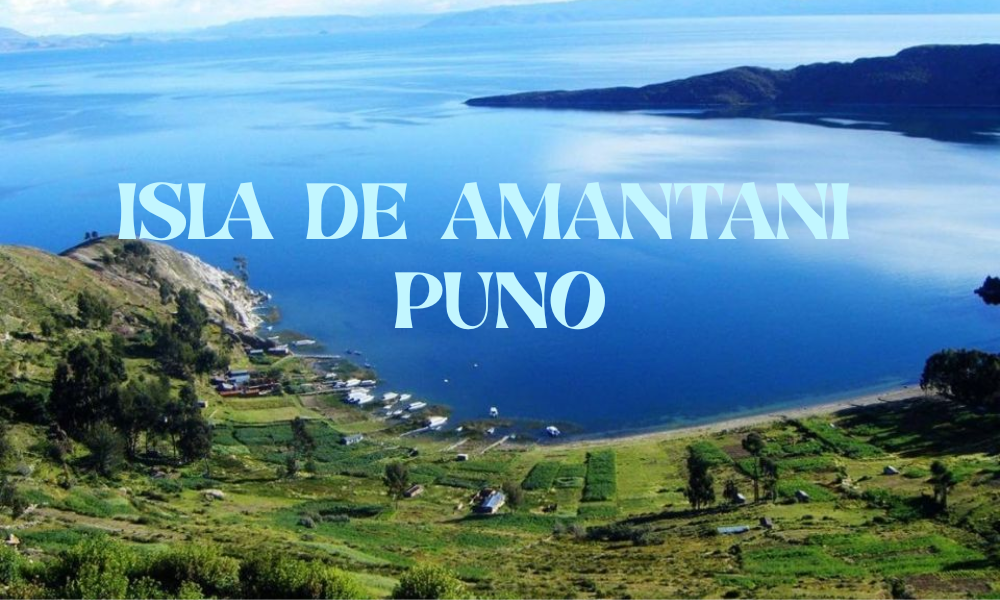
What is Amantaní Island?
One of the most authentic corners of Lake Titicaca, in the Puno region, is Amantaní Island. Unlike quick visits to other places, the experience here is slower and more personal. The island is known for its community-based tourism (homestay), its hikes to natural viewpoints, and its cultural nights, where local families share music, dances, and Andean traditions.
Visiting Amantaní is not just about “seeing a place,” but about living with local families, understanding their deep connection with the lake, and enjoying a peaceful rhythm of life surrounded by vast landscapes, especially at sunset.
History and Community Life on Amantaní
Amantaní preserves a strong sense of community organization. Many families are dedicated to terrace farming, fishing, small-scale animal husbandry, and the production of textiles and handicrafts. Over time, tourism has become a complementary activity, which is why much of the experience is rooted in local hospitality.
Cultural identity is reflected in the language, traditional clothing worn on special occasions, daily family practices, and respect for the island’s ceremonial sites.
What Is Community-Based Tourism (Homestay) Like on Amantaní?
The homestay experience means staying in a local family’s home adapted to welcome visitors. It is not a hotel, but a simple and close experience, ideal for travelers seeking living culture.
During a homestay, you will generally find:
-
Basic but clean rooms (bed, blankets, and often extra warm covers).
-
Home-cooked meals prepared by the family (usually dinner and breakfast, depending on the program).
-
Shared spaces to talk and learn about local customs.
-
A warm, family-oriented environment where hospitality is part of the journey.
Rather than luxury amenities, what truly matters is the connection with the community and the feeling of being part of the island, not just passing through.
Hiking on Amantaní: Viewpoints and Traditional Trails
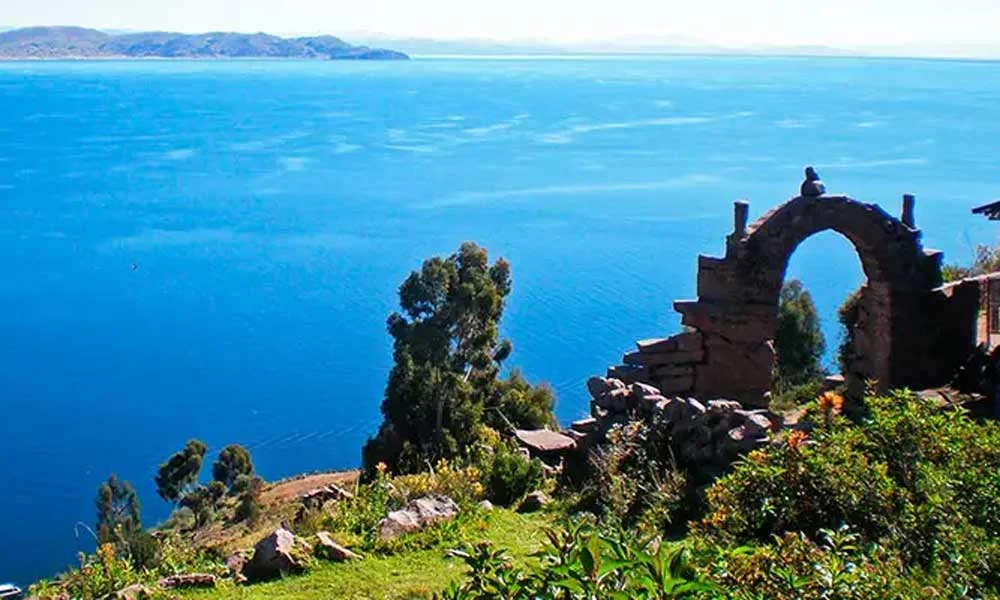
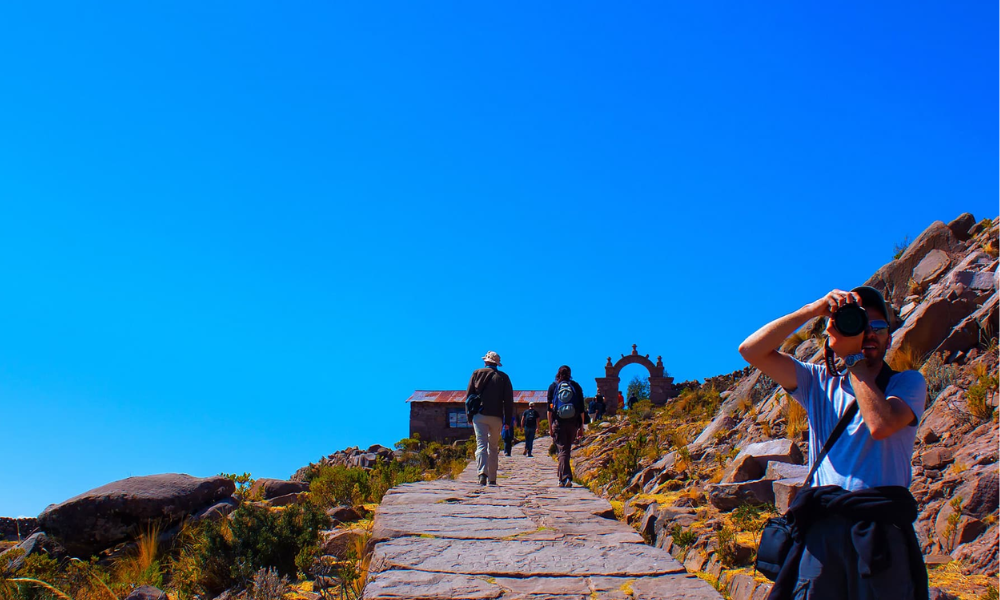
Amantaní is ideal for light to moderate hiking, with trails that lead to high points offering panoramic views of Lake Titicaca.
The most common hikes are to:
1) Pachamama Viewpoint / Ceremonial Center
One of the island’s highest and most iconic spots. It is usually visited in the afternoon to watch the sunset, when the lake changes color and the horizon opens toward Bolivia on clear days.
2) Pachatata Viewpoint / Ceremonial Center
Another popular hike, known for its peaceful surroundings and wide-open views. Some itineraries choose one or the other depending on time and group pace.
How difficult are the hikes?
The trails are not technical, but the high altitude makes them feel more demanding. Walking at a relaxed pace, staying hydrated, and bringing warm clothing for the descent is recommended, as weather conditions can change quickly.
What Are Cultural Nights Like on Amantaní?
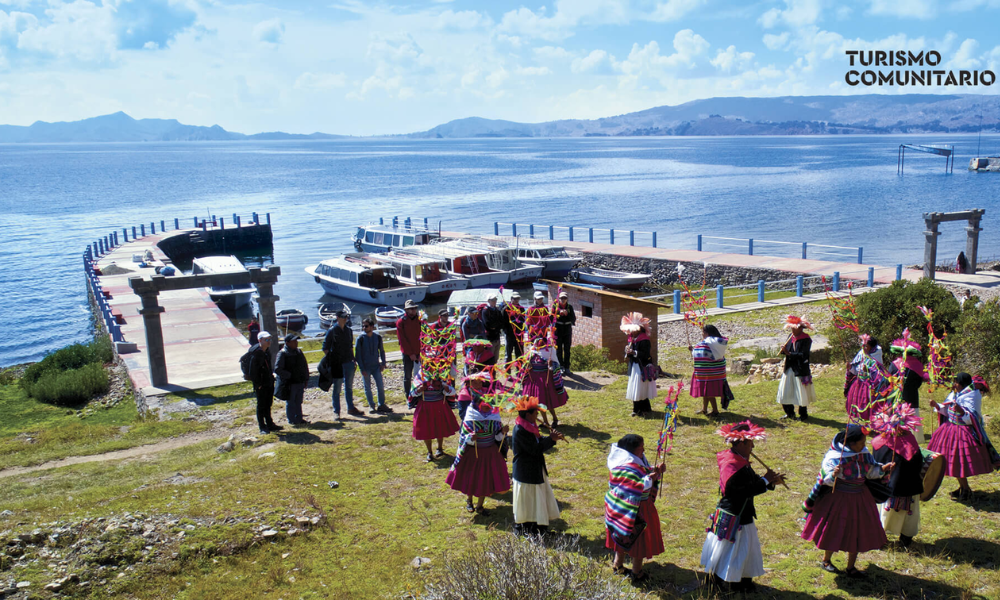
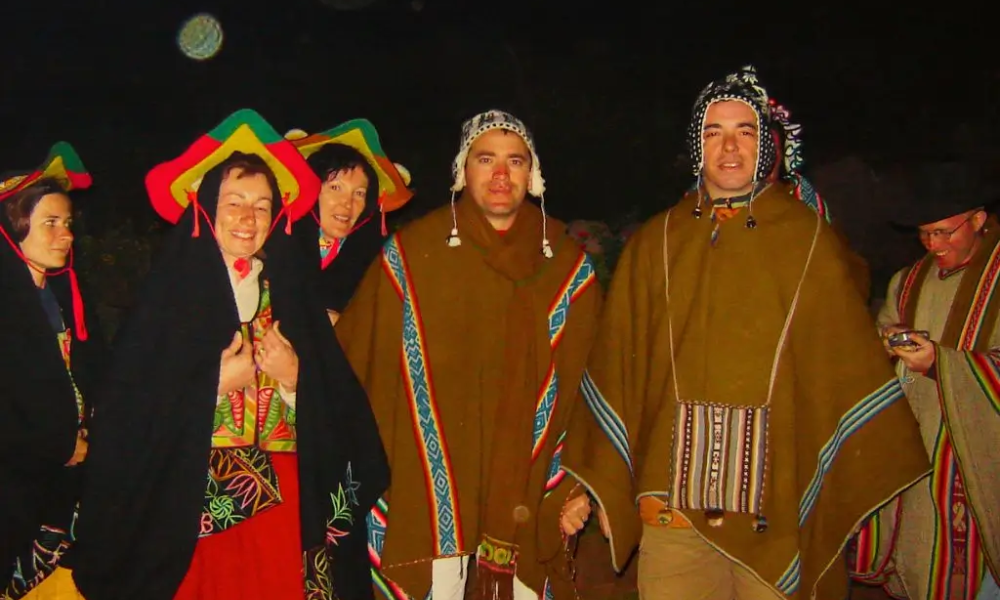
One of the most memorable parts of the homestay experience is the cultural night. Usually after dinner, families or community groups organize a gathering where:
-
Andean music and traditional dances are shared.
-
Visitors may be invited to participate respectfully.
-
Traditional clothing may be offered for photos (depending on the community and program).
-
The experience feels like cultural exchange rather than a staged show.
The key is openness and respect: listening, asking questions, and showing appreciation greatly enrich the experience.
Handicrafts and Textiles on the Island
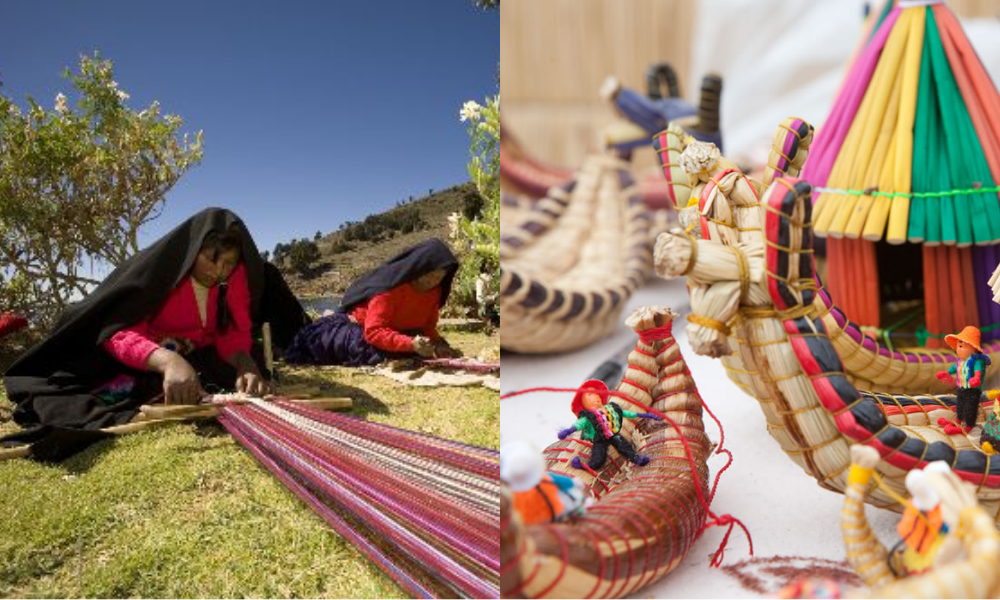
Handicrafts made by local families are common on Amantaní, especially:
-
Handwoven textiles (chullos, belts, shawls, and accessories).
-
Embroidery featuring Andean symbols and traditional colors.
-
Small handmade souvenirs and local craft pieces.
Buying directly on the island is a responsible way to support the local economy. It is best done respectfully, valuing the time and effort behind each piece.
How Long Does a Visit to Amantaní Last?
The most recommended option is to experience Amantaní in 2 days / 1 night, as the homestay and cultural night are essential parts of the visit. Many itineraries combine Uros + Amantaní + Taquile, offering a more complete Lake Titicaca experience.
Useful Tips for Travelers
-
Wear layered clothing: sunny days and cold nights.
-
Bring warm clothing, a hat, and a windbreaker for the evening.
-
Use comfortable walking shoes (preferably with good grip).
-
Carry cash in Peruvian soles for purchases and personal expenses.
-
Always ask permission before taking photos of people.
-
Drink water, walk slowly, and avoid overexertion on your first day due to altitude.
-
Participate respectfully in cultural nights—it’s about sharing, not performance.