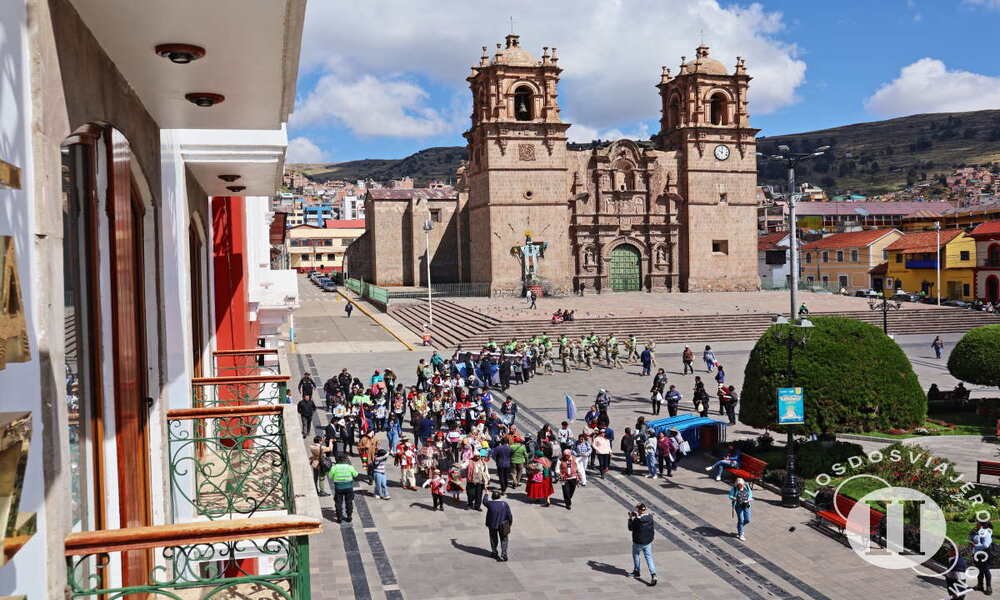
“What to see in the historic center of Puno?”
The historic center of Puno is a must -see to experience the essence of the city. Among colonial churches, lively plazas, and streets steeped in Andean tradition, this tour allows you to discover Puno’s history and culture, all on the shores of the iconic Lake Titicaca. Below, we show you the main places you can’t miss.
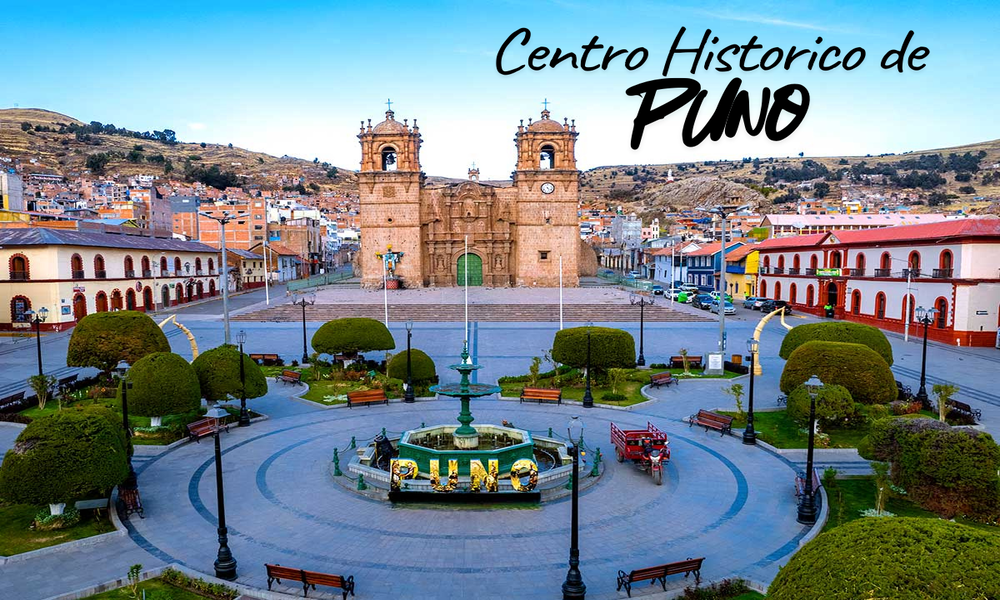
Main Square
Puno’s Plaza de Armas is the historical and social heart of the city, and one of the most visited places by both tourists and locals. It is surrounded by colonial buildings, restaurants, and cafes, making it an ideal starting point for exploring the historic center.
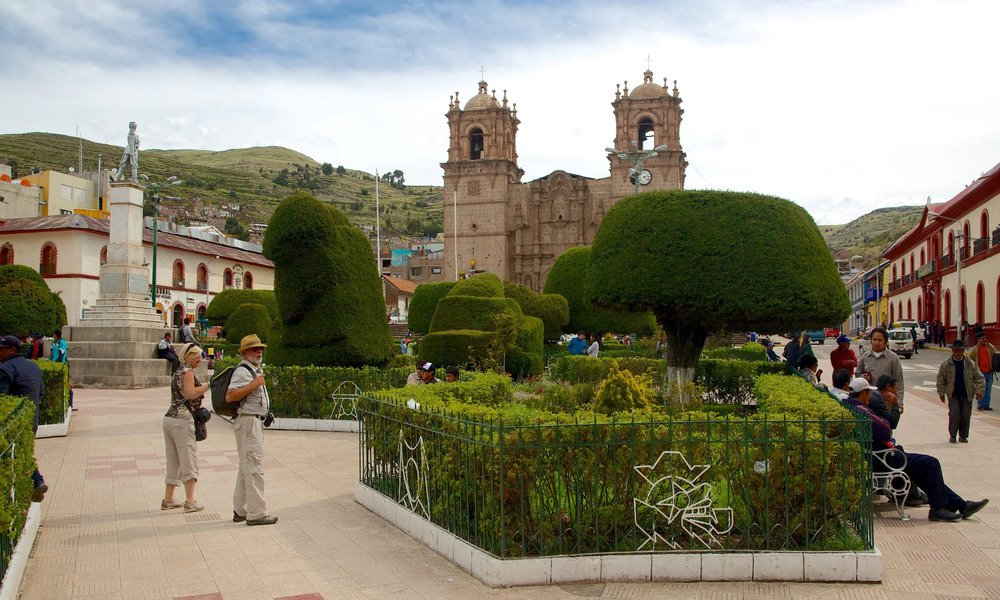
During the day, the plaza comes alive with cultural events and traditional activities . At night, thanks to its lighting, it transforms into a pleasant space for strolling and enjoying the city’s nightlife. Without a doubt, it’s the perfect place to experience the essence of Puno from the very first moment.
Puno Cathedral
Directly across from the Plaza de Armas stands the Puno Cathedral , one of the city’s most iconic landmarks. Built in the 17th century, this cathedral is considered one of the finest examples of Andean Baroque , a style that blends European influences with symbols and details from the local culture.
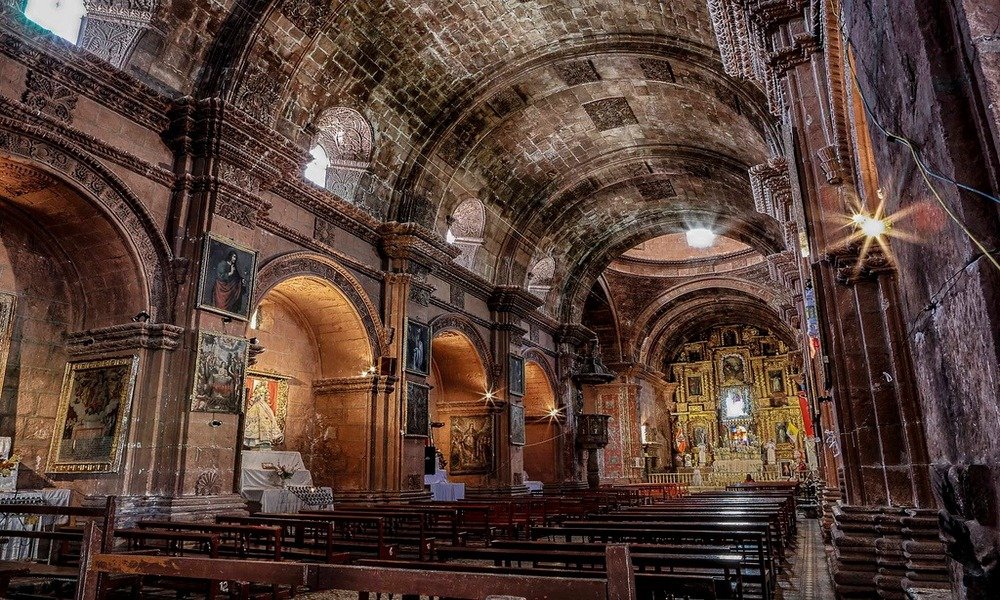
Inside, one can admire finely decorated altars, religious images, and colonial works of art , reflecting the importance of Catholicism in the region. Beyond its religious significance, the cathedral is a symbol of Puno’s identity and a frequent venue for traditional celebrations and festivities, allowing visitors to appreciate the vibrant culture of Puno.
Colonial churches and mansions
Beyond the cathedral, the historic center preserves several churches and colonial mansions that offer a glimpse into the city’s past. Among the most notable are the Church of San Juan Bautista and the Church of San Antonio , temples that combine colonial architecture with Andean details, reflecting the cultural fusion characteristic of the region.
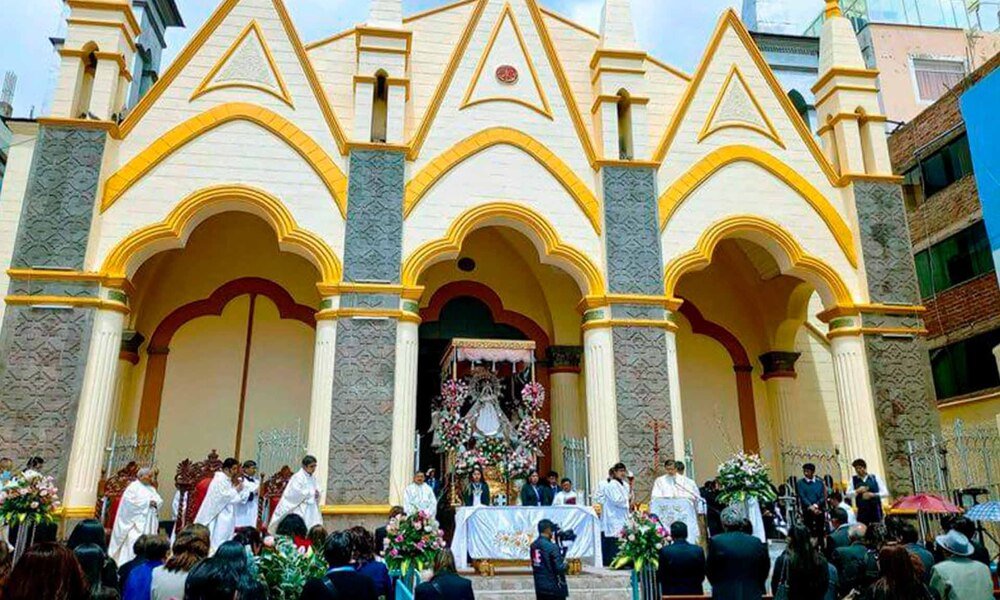
Likewise, the old houses, many built of stone, are scattered throughout the streets near the Plaza de Armas. These buildings, with their balconies, interior courtyards, and traditional facades , tell stories of the colonial and republican eras. Walking through these streets is like traveling back in time and discovering a historical legacy that is still part of daily life in Puno .
Shopping streets and crafts
On the other hand, the shopping streets of the historic center are ideal for immersing yourself in local life and taking home an authentic souvenir of the city. Here you’ll find shops and stalls selling traditional crafts , such as alpaca wool textiles, sweaters, chullos (Andean hats), scarves, and colorful hand-embroidered items made by local artisans.
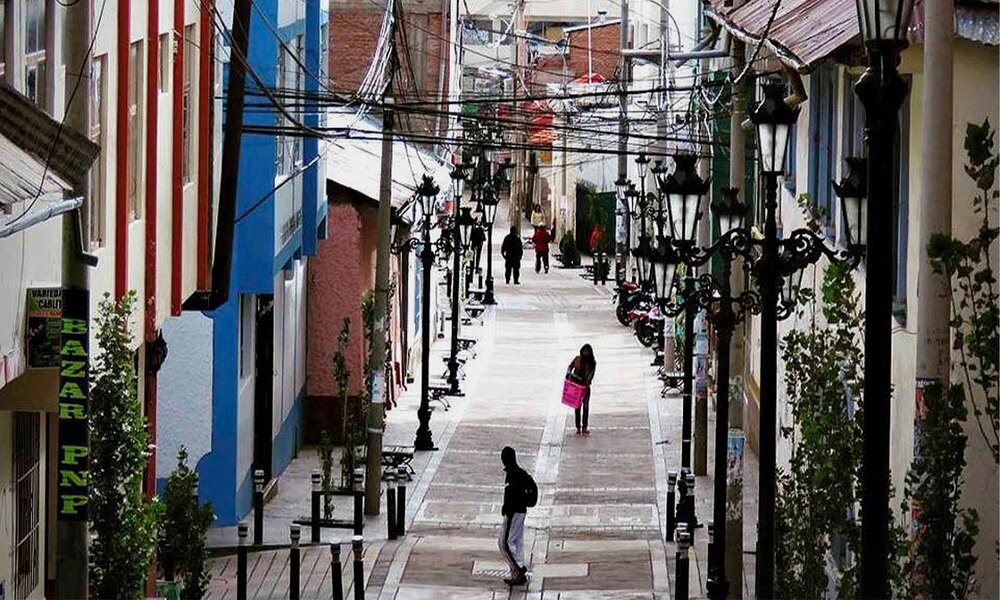
In addition to shopping, strolling through these streets allows you to meet the artisans, discover the process of making the products and support the local economy , making the tour a complete cultural experience.
Local cuisine
Finally, Puno’s historic center stands out not only for its history and architecture but also for its traditional cuisine . Its streets and plazas offer restaurants and cafes where you can sample typical dishes made with local products , such as quinoa, potatoes, corn, and trout from Lake Titicaca. In this way, as you explore the city, you also immerse yourself in Puno’s culture through its flavors.
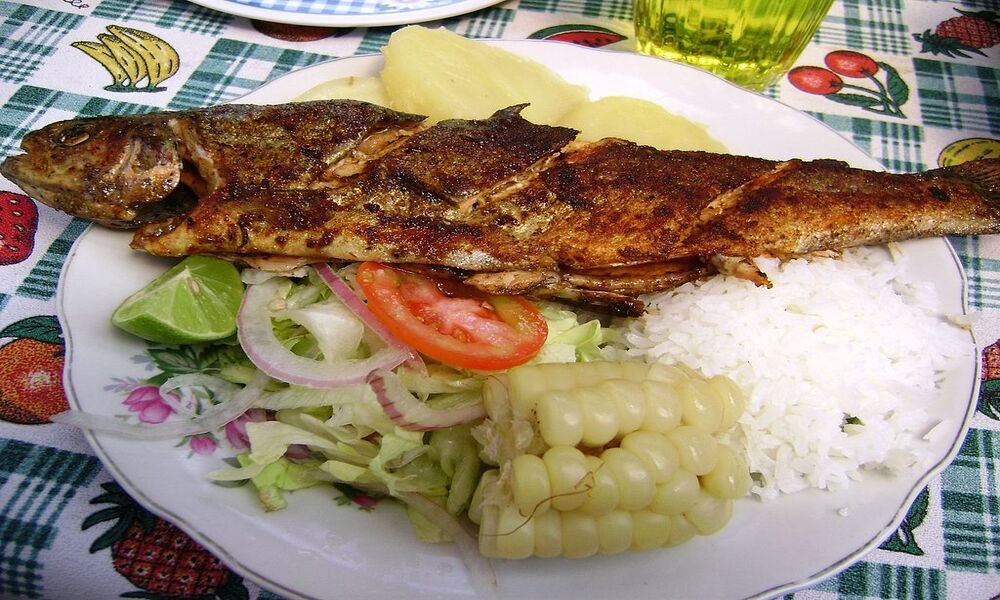
Most popular dishes to try in the historic center of Puno:
Grilled or fried trout : typical of Lake Titicaca, fresh and tasty.
Pachamanca : meat, potatoes, corn and herbs cooked underground with hot stones.
Cuy chactado : a traditional Andean dish of fried, crispy and tasty guinea pig.
Chairo : typical soup with meat, vegetables and chuño (dehydrated potato).
Ocopa puneña : boiled potatoes with peanut sauce, yellow chili pepper and local herbs.
Quinoa tamale : a nutritious dish made with quinoa and vegetables.
Exploring the historic center of Puno and enjoying its gastronomy allows you to experience the city in a complete way , combining history, tradition and unique flavors in a single experience.