Can you sleep on the floating islands of the Uros?
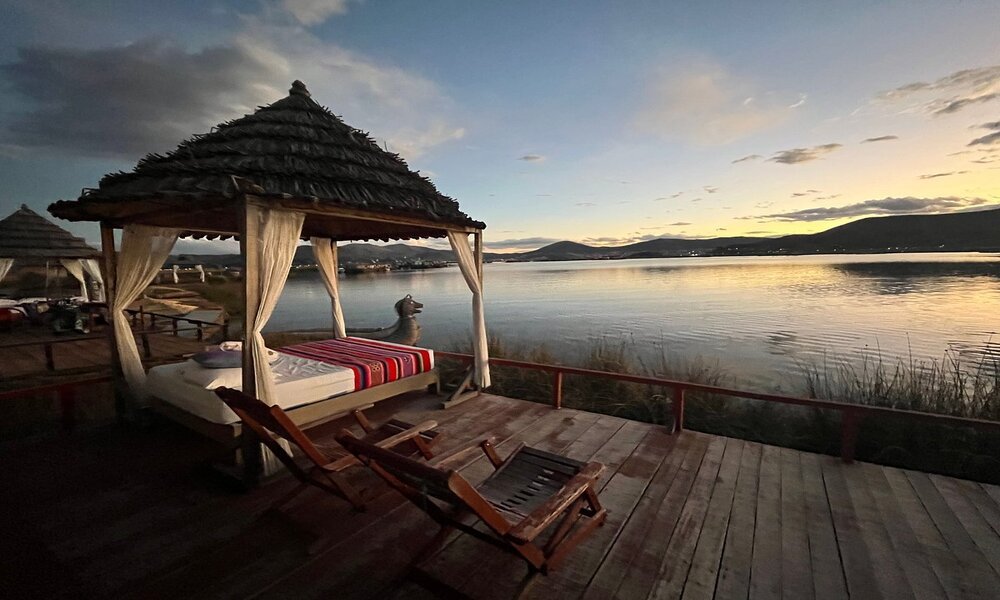
Is it possible to sleep on the Floating Islands of the Uros ? Yes, it’s possible thanks to the experiential tourism offered by local families. This experience allows you to learn about their culture, participate in daily activities, and spend the night on Lake Titicaca in simple but authentic accommodations, ideal for curious travelers.
Is it possible to sleep on the Uros Islands?
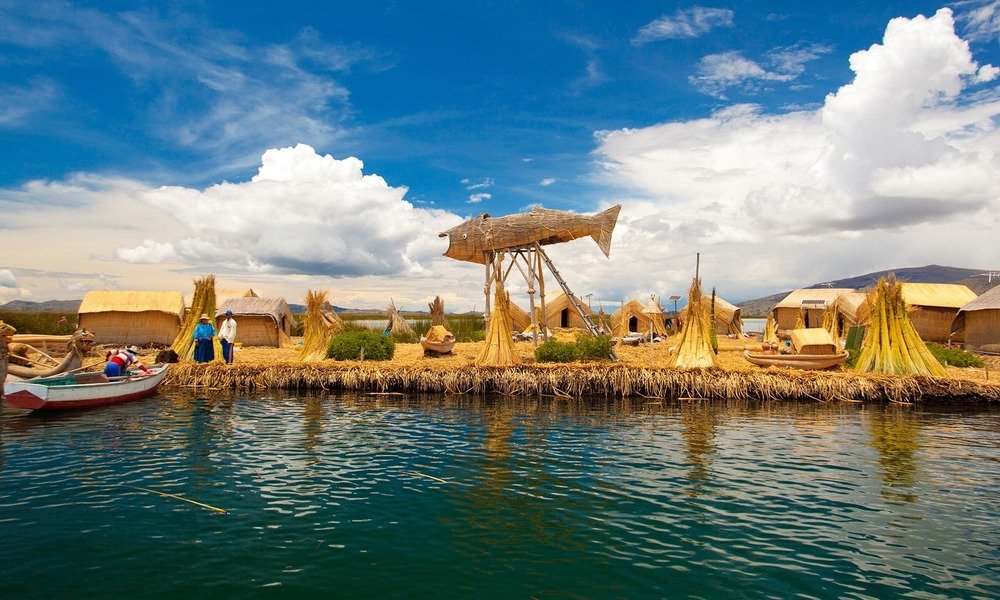
Yes, it is possible to sleep on the Floating Islands of the Uros thanks to experiential tourism programs run by local families. Some islands have accommodations set up to receive visitors who wish to spend the night and experience their way of life on Lake Titicaca firsthand. These are not conventional hotels, but rather simple family-run lodgings, built with totora reeds, allowing for direct interaction with the community members.
This experience is designed for travelers interested in Andean culture, cultural exchange, and responsible tourism. Sleeping on the Uros islands involves adapting to basic conditions, but in return, it offers an authentic experience unlike any other accommodation in Puno.
What is the nighttime experience like?
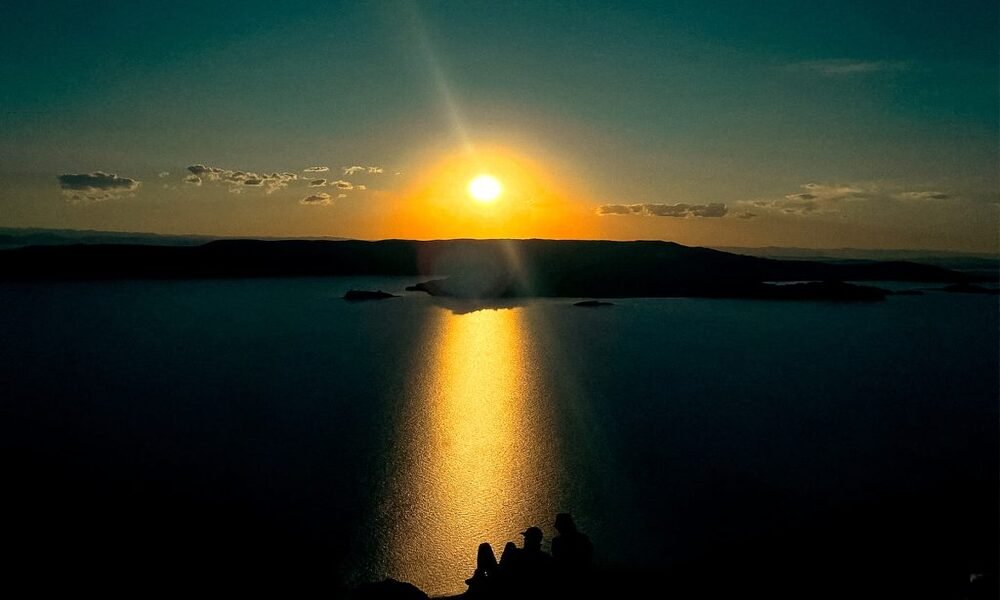
The nighttime experience on the Floating Islands of the Uros is peaceful, quiet, and very different from the city. As night falls, Lake Titicaca becomes serene, and the surroundings invite relaxation. Host families typically share a simple dinner, prepared with local products, and explain aspects of their history, traditions, and daily life on the totora reed islands.
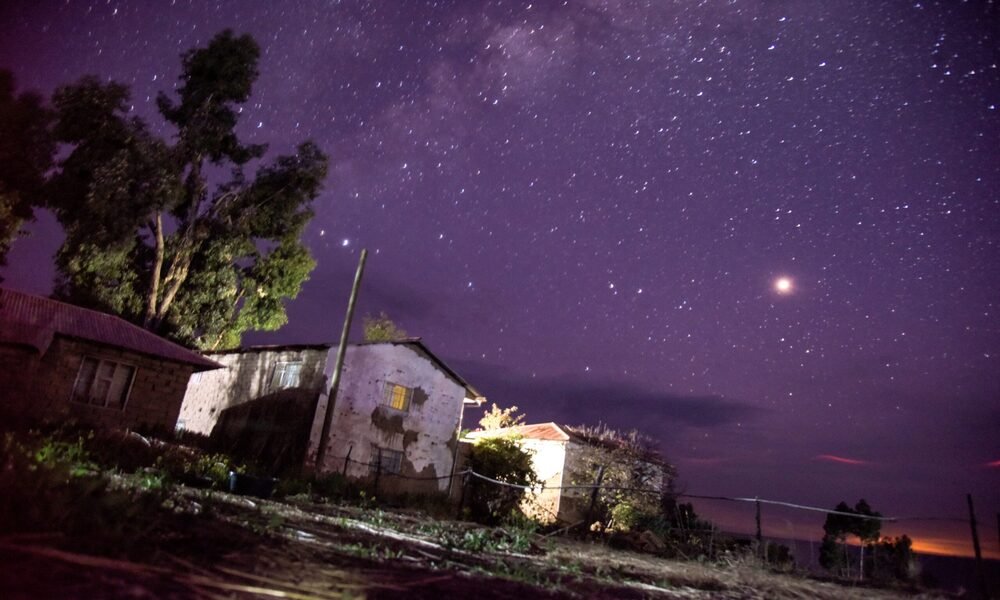
At night, the accommodation is basic but cozy, with warm beds and plenty of blankets to keep you warm. There’s usually no constant electricity, allowing you to enjoy the starry sky and completely disconnect. Sleeping on the Uros Islands is more of a cultural experience than a tourist one, ideal for those seeking something authentic and different.
Types of accommodation available
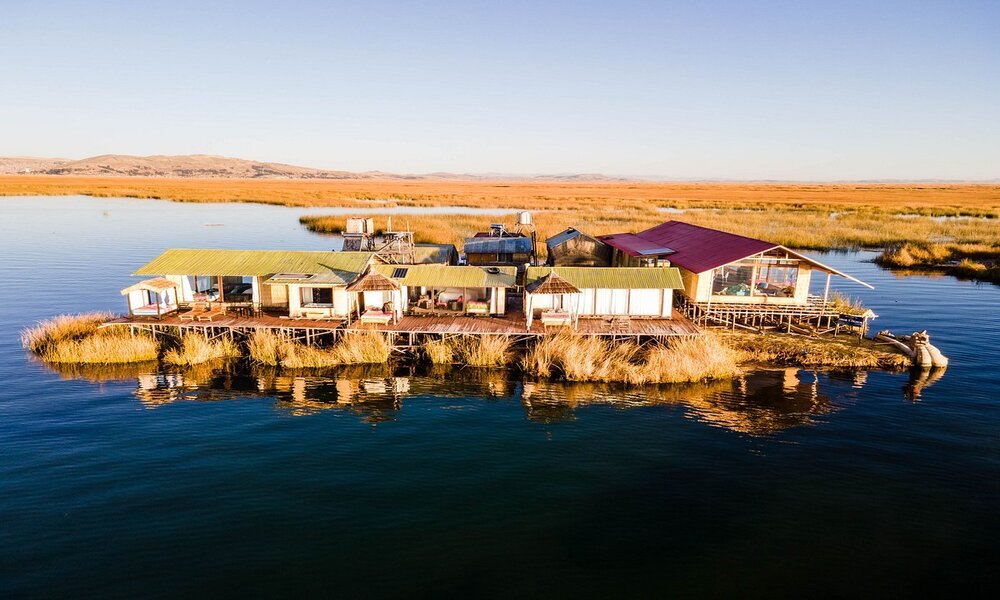
Sleeping on the Floating Islands of the Uros is not conventional accommodation. There are different types of experiential lodging, all managed directly by local families, guaranteeing an authentic and responsible experience.
Hospedaje familiar vivencial
This is the most common and recommended option. Visitors stay in a totora reed house adapted for guests, sharing spaces with the host family. This type of accommodation allows guests to experience their customs firsthand, participate in daily activities, and learn about life on Lake Titicaca from a local perspective.
Basic rooms for tourists
Some islands have separate rooms, also built with totora reeds, exclusively for visitors. These usually offer greater privacy while maintaining a rustic style. They are ideal for those who wish to sleep on the Uros Islands without sacrificing basic comfort.
Community Housing
To a lesser extent, there are community-based initiatives where several families participate in hosting visitors. This type of accommodation is usually coordinated through local agencies or organized experiential tourism programs in Puno, and aims to distribute the economic benefits among more members of the community.
What does spending the night include?
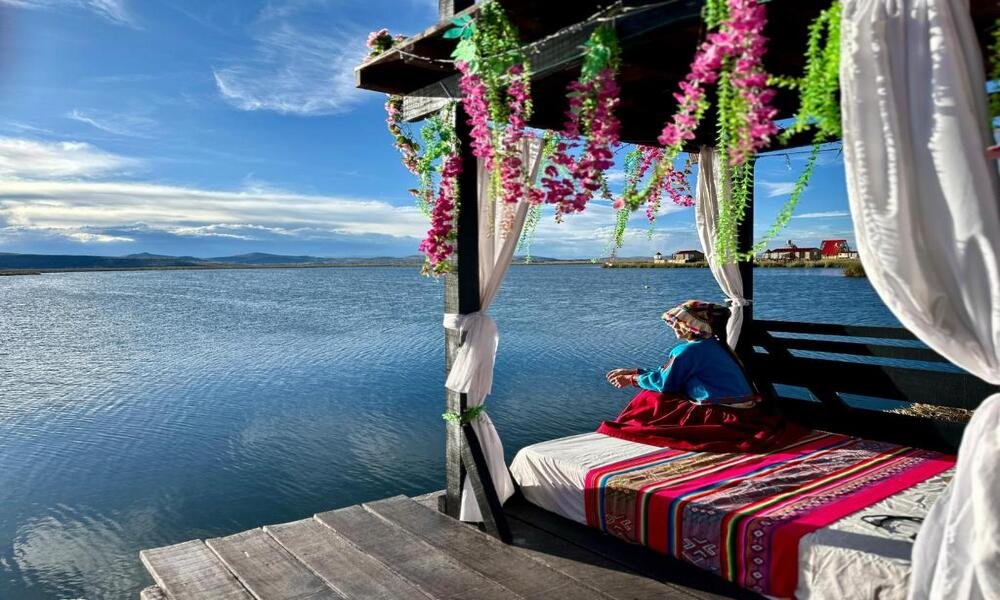
Accommodation on the Floating Islands of the Uros typically includes basic services, designed more for a cultural experience than a tourist one. It’s important to know what is and isn’t included before deciding to spend the night.
Traditional Food
Dinner and breakfast are usually included, prepared by the host family. The dishes are typically simple and traditional, based on local products such as lake fish, potatoes, quinoa, or warm soups, perfect for the evening weather.
Accommodation and shelter
Accommodation includes a basic bed with a mattress, blankets, and thick throws. Due to the low nighttime temperatures at Lake Titicaca, warm clothing is essential, although it is always recommended to bring additional thermal layers.
Actividades culturales
Many families offer complementary activities such as demonstrations of artisanal fishing, explanations about the construction of totora reed islands, use of traditional rafts, and talks about the history and social organization of the Uros.
Asistencia y coordinación
In most cases, the family arranges boat transfers from the port of Puno and provides basic guidance during your stay. Some services may vary depending on the island and prior arrangements with the hosts.
Real advantages and disadvantages
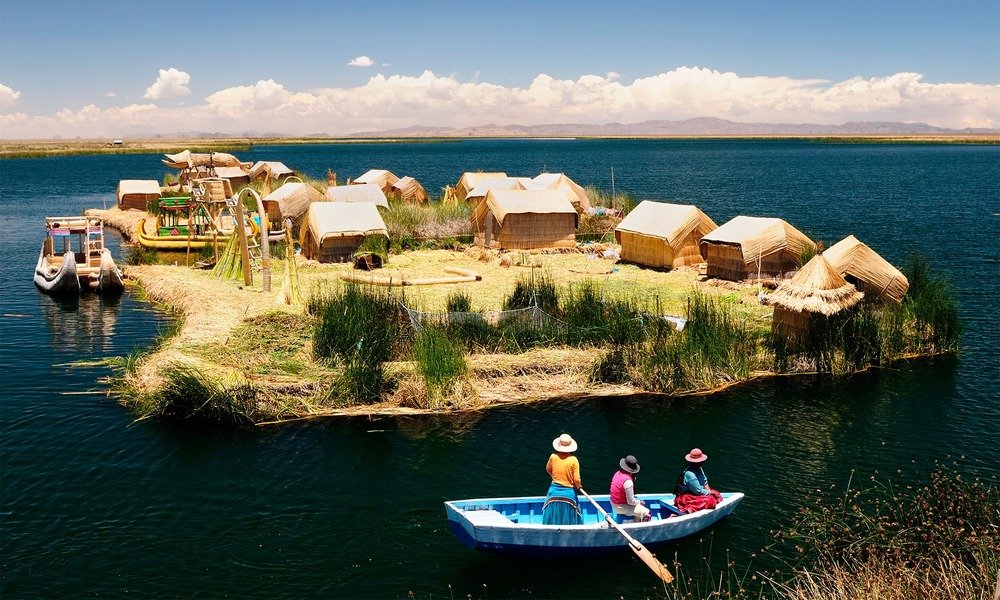
Analyzing the pros and cons of sleeping on the Floating Islands of the Uros allows for a better understanding of the type of experience to be had and whether it meets the traveler’s expectations.
Advantages of sleeping in the Uros
Sleeping on the Uros Islands offers an authentic cultural immersion, with direct interaction with local families and participation in their daily lives. The tranquility of Lake Titicaca, the absence of urban noise, and the opportunity to observe the night sky make for a unique experience. Furthermore, it directly contributes to the community’s economy.
Desventajas a considerar
The accommodation is basic and lacks modern amenities such as heating, reliable electricity, or hot showers. Nights can be cold, and bathrooms are often shared. It’s not a suitable option for travelers seeking hotel-like comfort or luxury services.
Safety and nighttime weather
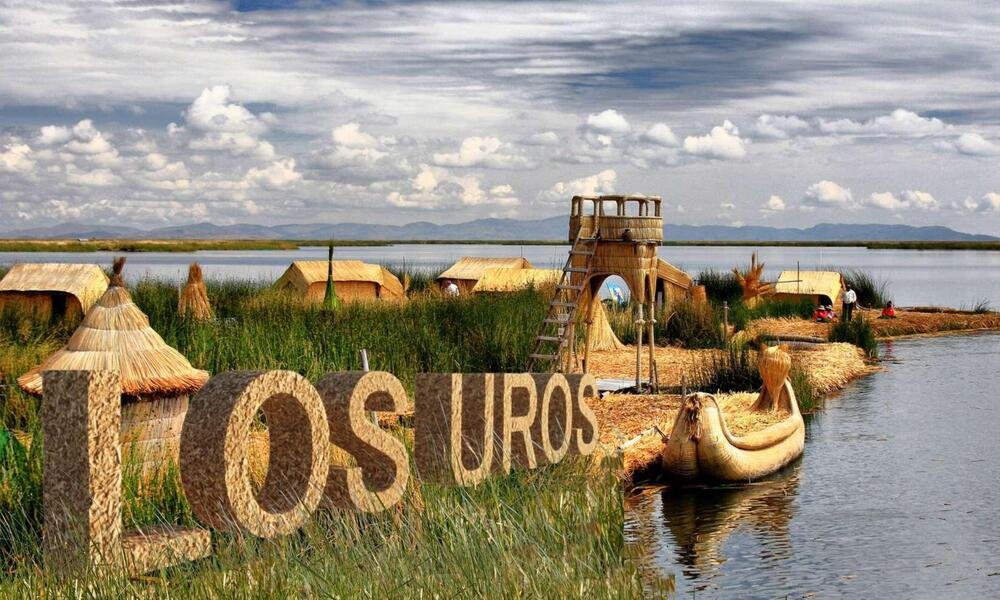
Safety and weather are key aspects when deciding to spend the night on the Floating Islands of the Uros, due to the altitude and location on Lake Titicaca.
Security on the Floating Islands
The islands are safe for visitors when lodging is with families authorized by the community. There is internal organization and coordination with the port of Puno, which allows for basic assistance and control of tourist flow.
Clima durante la noche
Nighttime temperatures are generally low year-round, especially between May and August. The cold can be intensified by the wind, so appropriate clothing is essential for a comfortable stay.
Personal Safety Recommendations
It is recommended to bring a flashlight, thermal clothing, external batteries, and always follow the instructions of the host family. Informing them of any pre-existing medical conditions helps ensure a safe and smooth experience.