Valley of the Moon La Paz, Bolivia
Just 10 km from La Paz , the Valley of the Moon dazzles with its earth and rock formations eroded by wind and rain, creating a landscape that seems almost lunar. Ideal for hiking, photography, and watching sunsets, it is a natural and cultural symbol of the city.
¿What is?
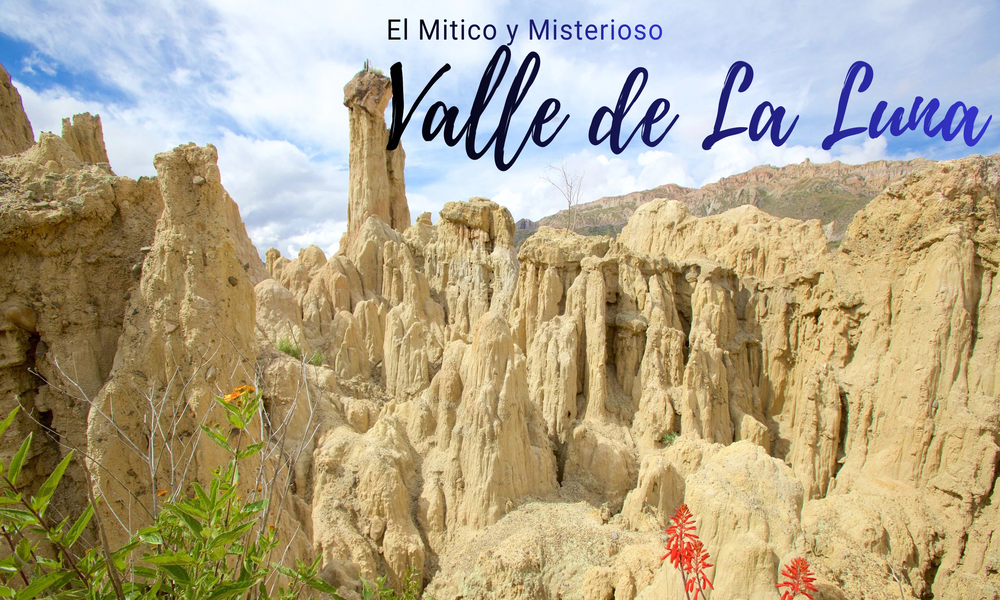
The Valley of the Moon is a natural park and geological formation near La Paz, famous for its canyons, columns, and ridges that seem otherworldly. It’s a place where you can observe nature’s work on the earth over time, hike along breathtaking trails, and enjoy panoramic views, especially at sunset. In short, it’s a surreal and captivating landscape that combines geology, nature, and visual beauty.
Location
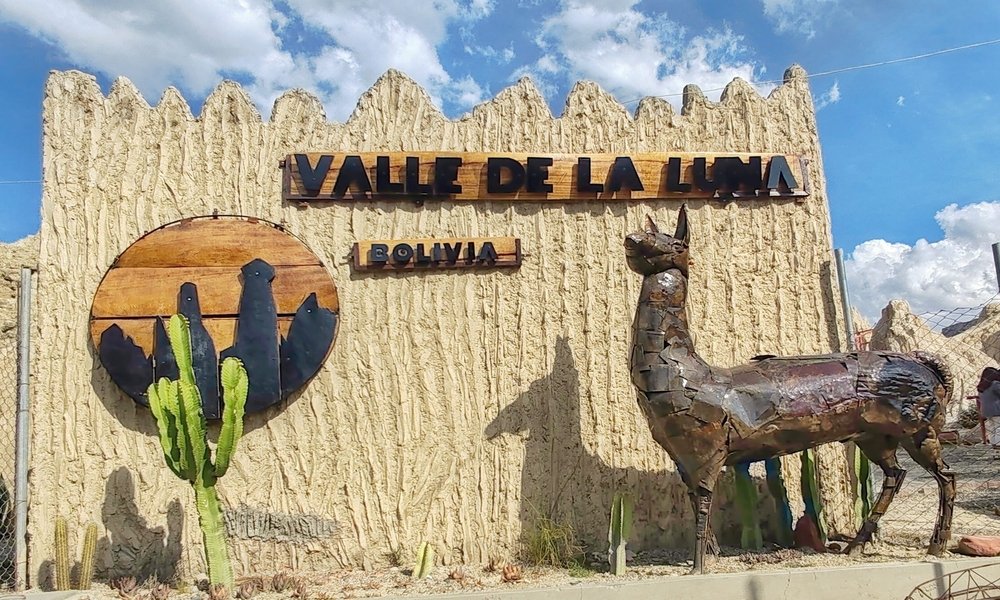
It is located approximately 10 km from the center of La Paz, on the road to El Alto International Airport . It is one of the most visited natural attractions by national and international tourists.
Formation and origin
The Valley of the Moon was formed thousands of years ago by erosion . Rain and wind sculpted the land, creating strange formations of clay, sand, and rock that resemble columns, canyons, and labyrinths. Its arid and surreal appearance is reminiscent of the lunar surface, hence its name. Geologically, the soil is composed of soft sediments, which facilitates erosion and the formation of whimsical landscapes and deep furrows ( SERGEOMIN ) .
History
Although not an archaeological site like Tiwanaku, the Valley of the Moon has been part of the local imagination for decades. Its importance grew when it opened to tourism in the 20th century, becoming an iconic landmark of La Paz due to its unique landscape and accessibility.
Why is it called “Valley of the Moon” and what makes it special? ?
The Valley of the Moon gets its name from its landscape, which resembles the lunar surface: deep furrows, columns of earth, and whimsical rock formations that seem otherworldly. This is because the soil is composed of soft sediments , primarily clay and sand, which have been eroded over time by wind and rain, creating a labyrinth of canyons and jagged peaks .
Geologically, it is an example of fluvial and aeolian erosion , where natural elements continuously shape the land. The layers of sediment change shape and color depending on the daylight, offering a visual spectacle that fascinates visitors and photographers.

For the local community , the Valley of the Moon is more than a tourist attraction: it is a symbol of connection with nature , a space for learning about geology and conservation, and a place of recreation close to the city .
How to get there
By private car or taxi:
The Valley of the Moon is about 10 km from the center of La Paz , in the direction of El Alto International Airport.
It is easily reached via Avenida Cívica or Avenida Mariscal Santa Cruz .
The journey takes approximately 20 to 30 minutes , depending on traffic.
By public transport:
You can take a microbus or minibus towards El Alto and get off in the area of Valle de la Luna; from there it is a short walk to the entrance.
There are also guided tours from La Paz that include round-trip transportation, ideal for those who want to avoid complications.
Tips for visitors:
Bring water, sunscreen and comfortable shoes , as the terrain is uneven and sandy.
Arrive early or at sunset to enjoy better views and pleasant temperatures .