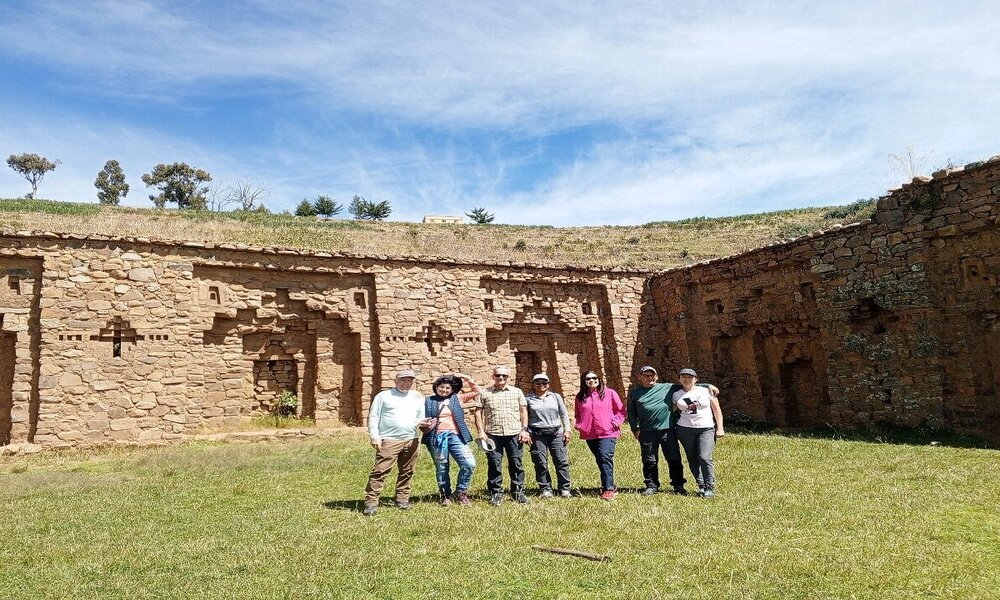
“Island of the Moon – La Paz, Bolivia”
If you want to explore the mysterious Island of the Moon in La Paz, Bolivia , you’ll discover a sacred place steeped in history and beauty on Lake Titicaca . This tranquil haven offers remnants of Inca ceremonies dedicated to the moon and serene landscapes that seem to belong to another era.
What is Moon Island?
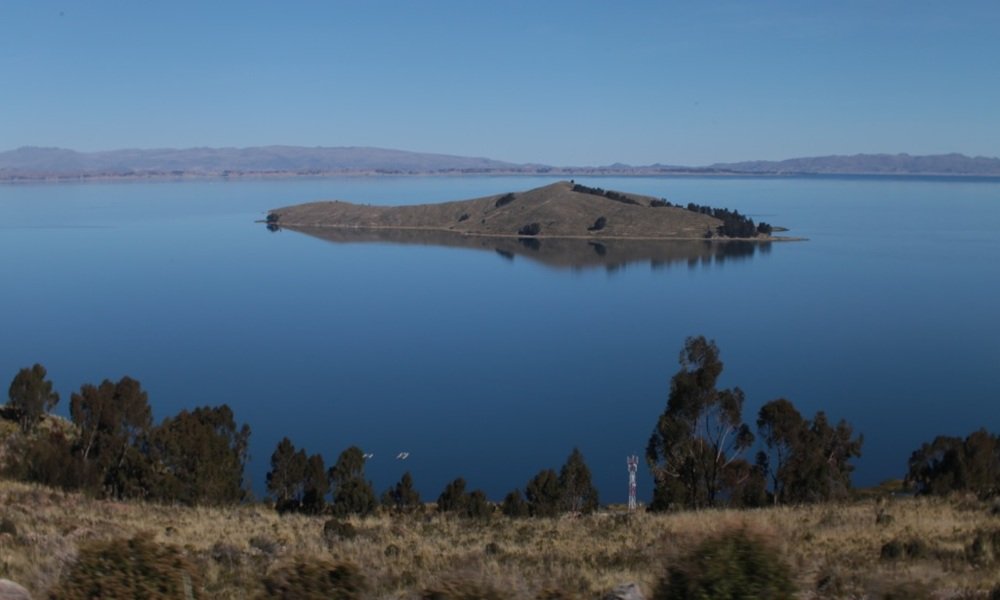
The Island of the Moon , also known as Koati Island , is a small sacred island located in Lake Titicaca , in the department of La Paz, Bolivia. It is situated east of the Island of the Sun and was one of the most important ritual sites in the pre-Hispanic Andean worldview.
History and Cultural Significance
Pre-Inca and Inca sacred site
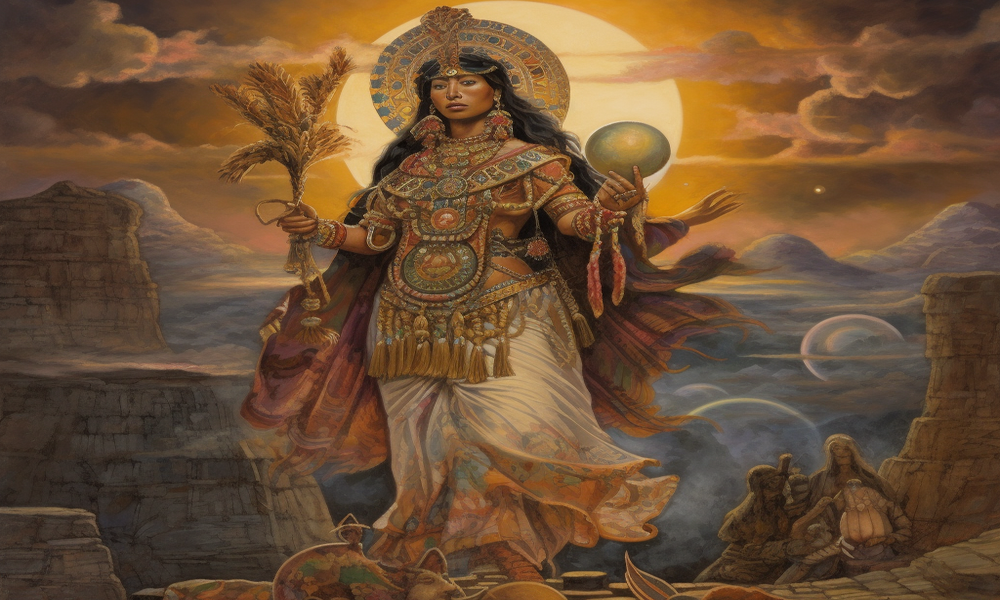
The Island of the Moon was considered a sacred place by pre-Hispanic cultures , especially during the Inca Empire, where Mama Killa , the moon goddess and wife of the sun god ( Inti ), was worshipped . The island’s spiritual importance made it a central ceremonial site within the Andean world.
Archaeological ruins
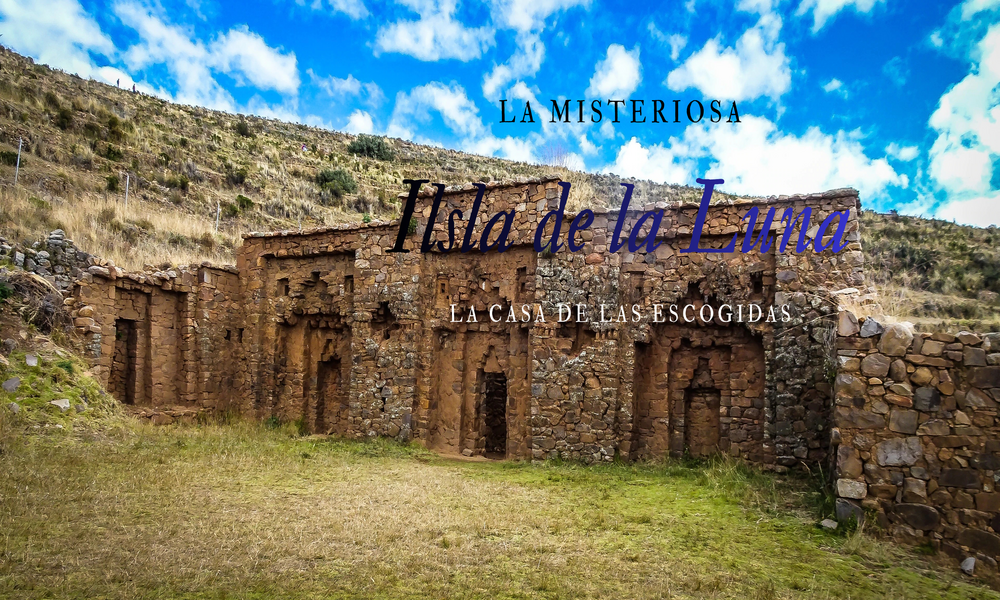
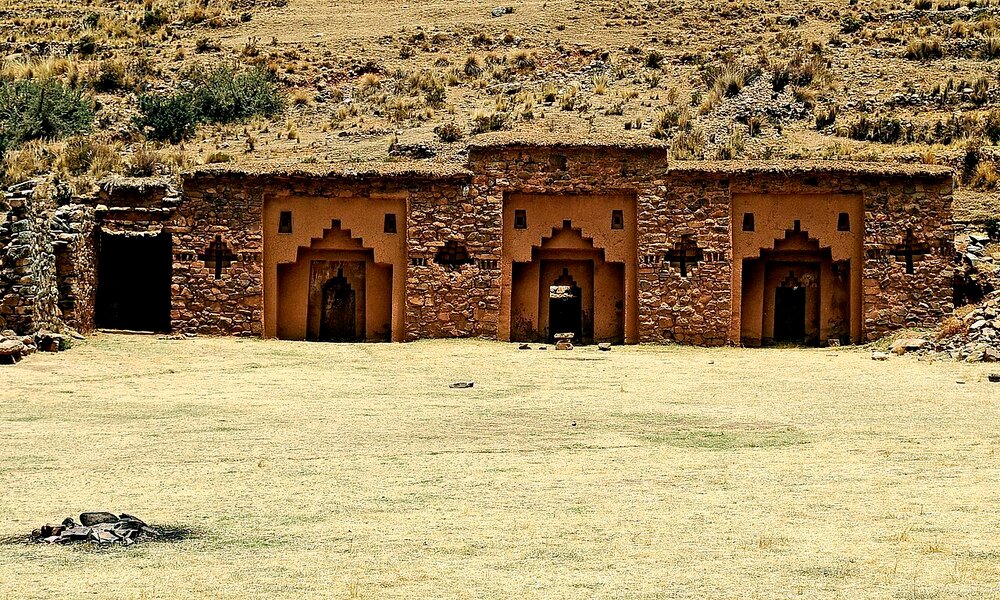
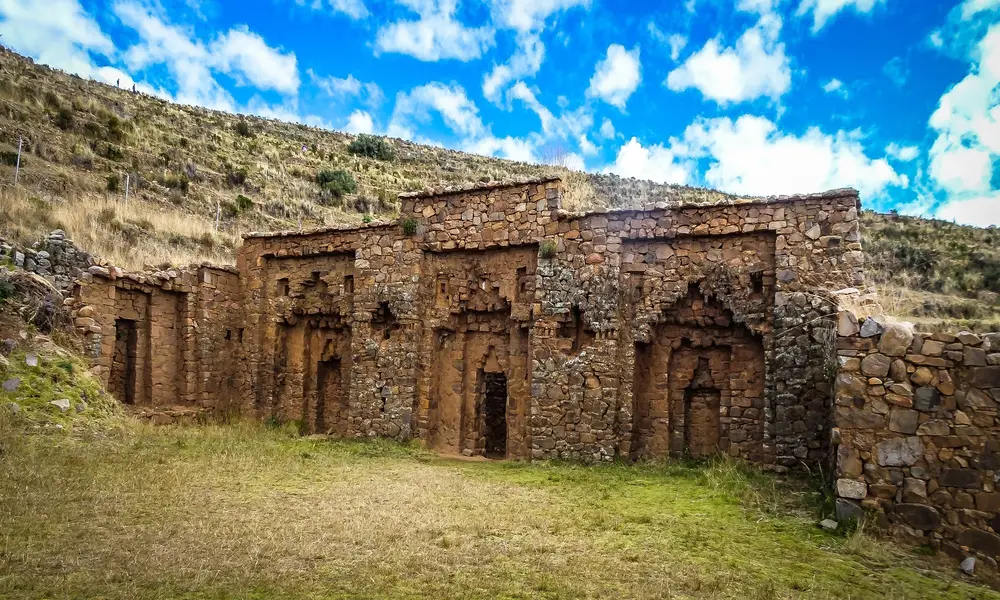
On the island stood a highly significant temple known as Iñakuyu (or Palace of the Virgins of the Sun ), an acllahuasi , meaning a “house of the chosen women,” where selected women learned arts such as weaving and religious rituals to serve as priestesses or occupy other ceremonial roles within the Inca Empire. Only the Inca emperor and the chosen women had access to this sacred area.
Geographic location
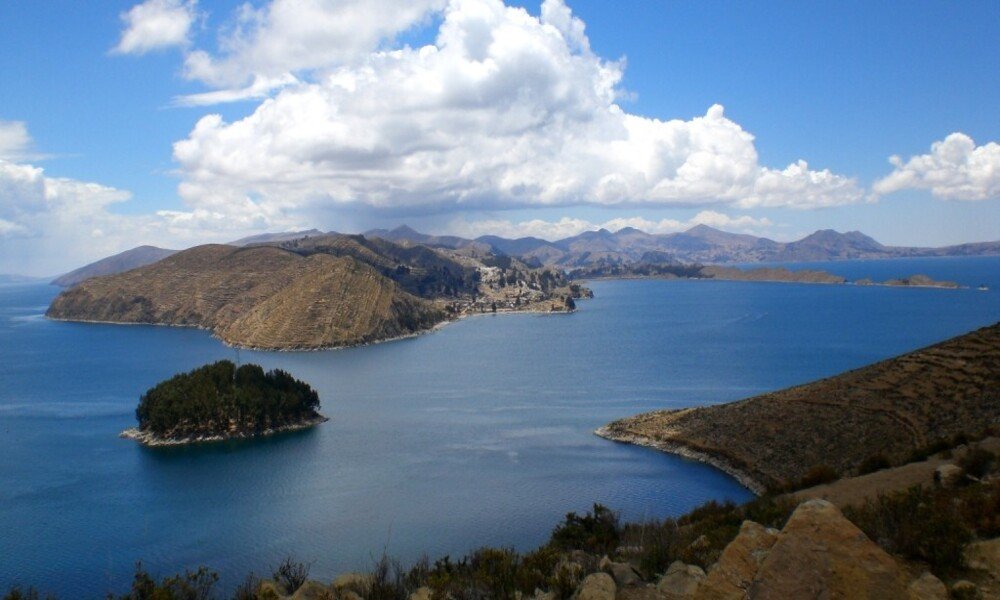
The Island of the Moon is located in Lake Titicaca , one of the highest navigable lakes in the world , on the Bolivian Andean plateau. Spanning approximately 105 hectares , it is a tranquil and picturesque place, ideal for community-based tourism activities and cultural exploration.
How to get there
From La Paz to Copacabana:
You can travel by land from La Paz or El Alto to Copacabana (approximately 4 hours of travel), the main access point to Lake Titicaca.
From Copacabana or Isla del Sol:
The most common way to get to Isla de la Luna is by boat from Copacabana or Isla del Sol , covering a distance of about 36 km across the lake.
What to see and do
Archaeological Ruins – Iñakuyu (Temple or Palace of the Virgins)
One of the main attractions is the ruins of the Iñakuyu temple , an archaeological site associated with the ancient Inca culture, where women learned ceremonial and religious trades linked to the Andean worldview.
Traditional culture and community life
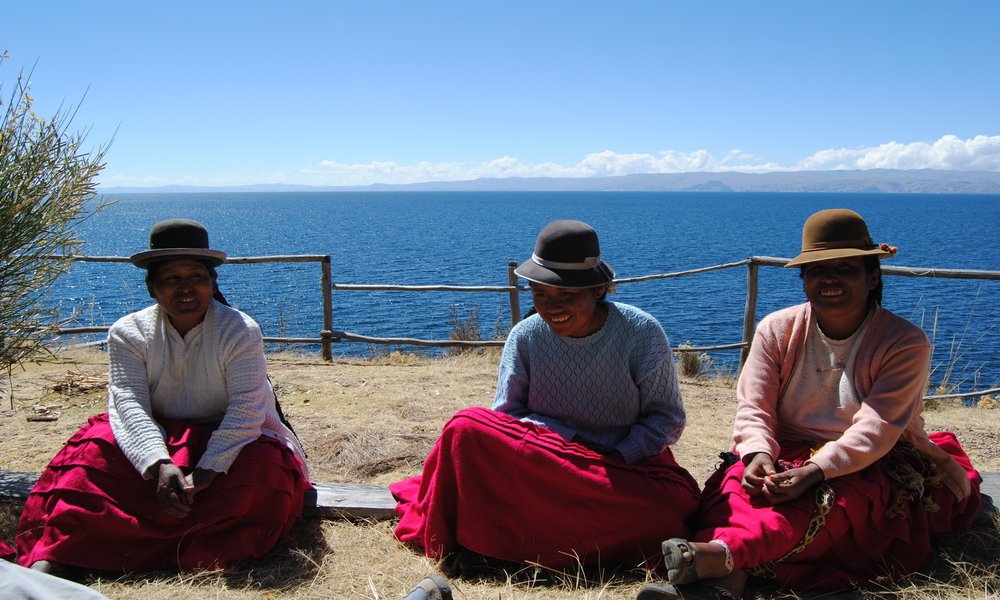
The island is inhabited by indigenous Quechua and Aymara families who preserve ancestral customs. In addition to selling handicrafts and textiles, many families offer experiential tourism that includes guided tours, traditional weaving workshops, and daily activities such as agriculture, artisanal fishing, and other local experiences, allowing visitors to get a close look at community life.
Spectacular landscapes
The area surrounding Isla de la Luna (Island of the Moon) in Lake Titicaca offers breathtaking views of deep blue waters and Andean mountains . This natural setting is ideal for photography, leisurely walks, and ecotourism , combining the serenity of the water with the beauty of the high-altitude landscape.
Fun facts
Andean Mythology:
According to tradition, the island is linked to ancient legends that describe it as the place where, in some Inca myths, the emergence of the moon was ordered, thus reinforcing its spiritual importance within the Andean worldview.
Current population:
Today, the island is inhabited by Quechua and Aymara families who live mainly from sustainable community tourism , agriculture, herding and selling handicrafts and textiles to visitors.
Recommendations for visiting
[ icon name=”check” style=”solid” class=”” unprefixed_class=””] Includes a visit to the Island of the Moon as part of a tour of Lake Titicaca along with the Island of the Sun.
[ icon name=”check” style=”solid” class=”” unprefixed_class=””] Bring warm clothing and sunscreen , as the weather on the high plateau can be cold and sunny even on the same day .