


Part of the Eduardo Avaroa Reserve
What is the Eduardo Avaroa Reserve and why is it so impressive?
One of Bolivia’s most important and amazing protected areas is the Eduardo Avaroa Reserve. It is located in the Andean highlands, in the southwesternmost part of the country, near the border with Chile, and is part of a volcanic ecosystem of great natural value.
This protected territory is distinguished by its extreme landscapes, where climate, elevation, and geological activity have created panoramas that are unique in South America. Here, nature presents itself in its purest form: vast plains, erupting volcanoes, colorful ponds, and animals that have managed to adapt to harsh conditions.
Visiting the Eduardo Avaroa Reserve is not just a trip, but a complete immersion experience in the highlands.
Main attractions of the Eduardo Avaroa Reserve
Laguna Colorada: a sacred place for flamingos
One of the reserve’s best-known landmarks is Laguna Colorada. Its reddish hue comes from sediments of microorganisms and minerals that interact with sunlight. Thousands of Andean flamingos live on its shores, making it one of the most important sanctuaries for this species in Bolivia.
The view is unforgettable, particularly at sunrise and sunset, due to the combination of the red of the water, the white of the salt, and the blue of the sky.
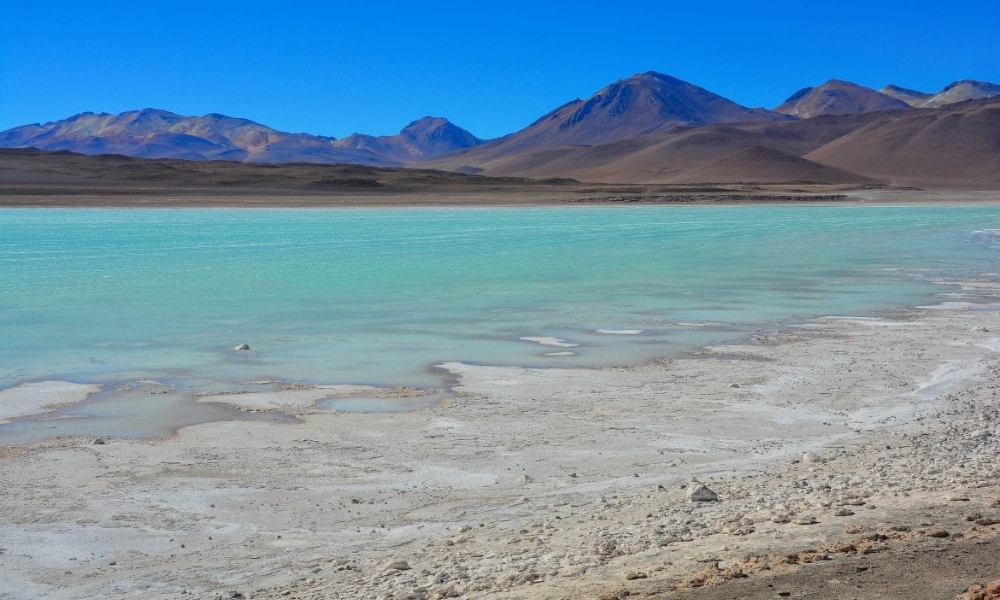
Licancabur Volcano and Laguna Verde
La Laguna Verde, located at the foot of the majestic Licancabur volcano, is distinguished by its deep emerald green color, which comes from the high concentration of minerals such as copper and arsenic. On clear, windy days, the color becomes stronger and the landscape is transformed into a picture-perfect scene thanks to the reflection of the volcano.
Although it is not suitable for water activities, it is one of the most photographed places in the entire reserve.
Sol de Mañana Geysers: the power of the earth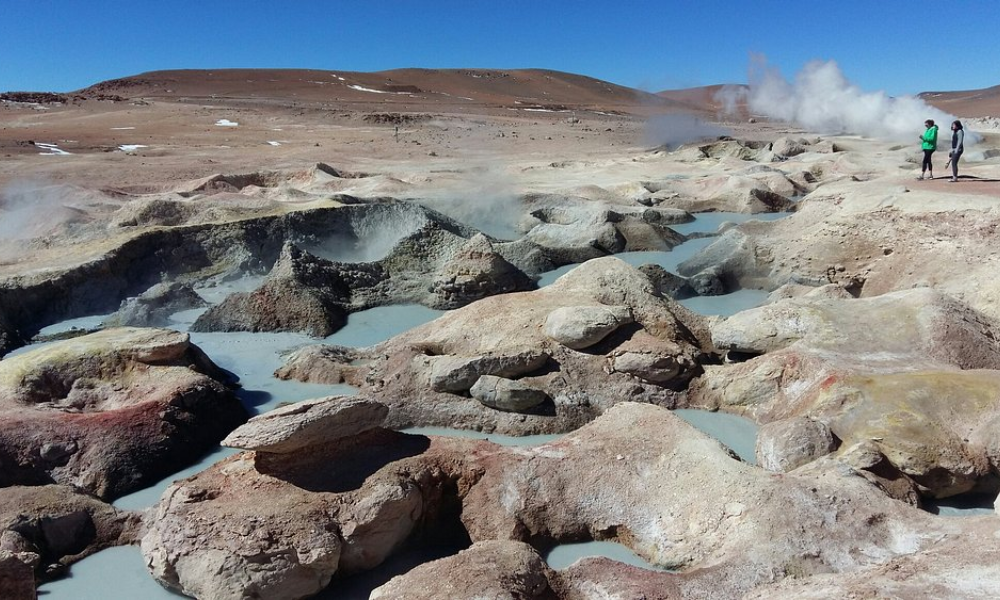
The Sol de Mañana geothermal area is tangible evidence of the intense volcanic activity that characterizes this region. Here, mud bubbles, steam rises persistently from the ground, and the smell of sulfur reminds us that the high plateau is alive.
Visits usually take place very early in the morning, when the contrast between the steam and the extreme cold creates an almost surreal atmosphere.
Desert Salvador Dalí: art in the nature of the highlands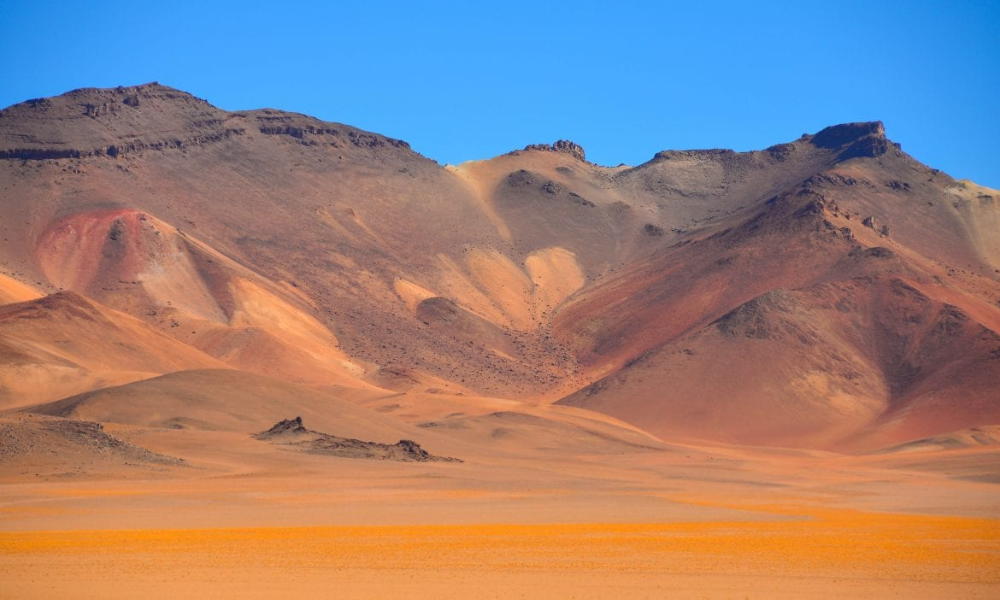
This desert gets its name from the fantastic rock formations that seem to be artistically arranged across a landscape of mountains and endless sky. It is a perfect place to pause, admire the tranquility, and take unique photos of the Andean landscape.
Travel conditions, altitude, and climate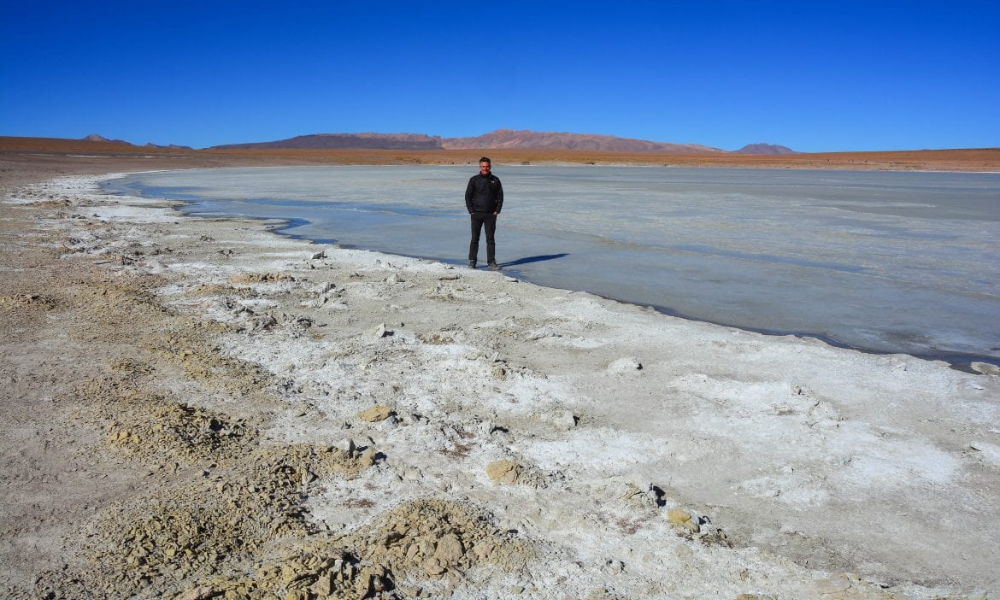
The Eduardo Avaroa Reserve is located between 4,000 and 5,000 meters above sea level, which presents difficult conditions for tourists.
Clima
Temperaturas nocturnas muy bajas
Viento sostenido todo el día
Elevada radiación solar
Variaciones abruptas de temperatura
Relevant suggestions
Wear windproof and thermal clothing
Wear UV sunglasses and sunscreen
Stay hydrated at all times
Avoid unnecessary physical exertion
Acclimatize beforehand in high-altitude locations
These precautions will enable you to enjoy the experience safely.
Andean fauna: life adapted to the extreme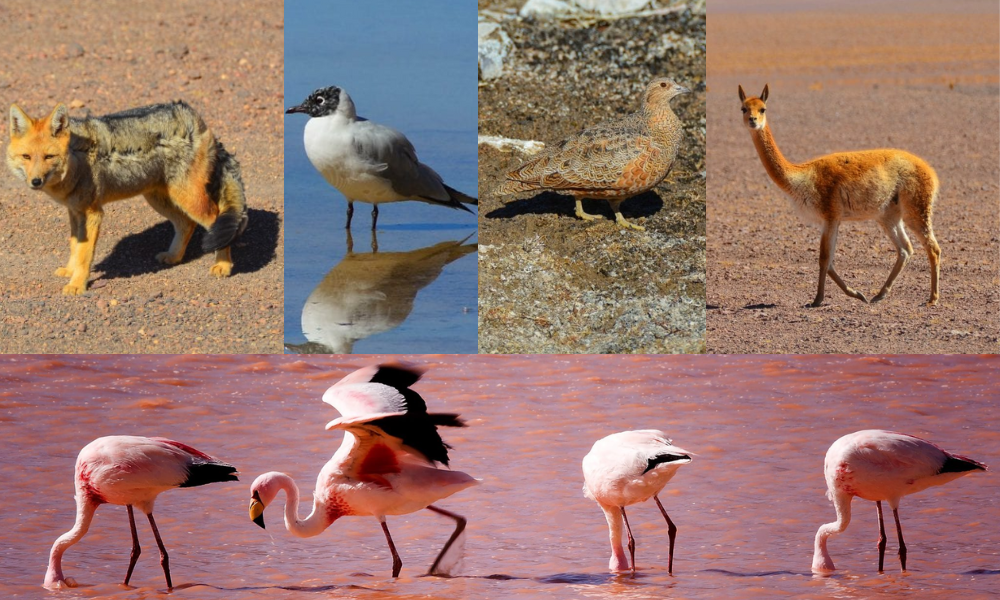
Despite the harsh conditions, the reserve is home to a surprising variety of wildlife:
Andean flamingos
Vicuñas
Andean foxes
Birds of the high Andes
One of the most appealing aspects of the tour is observing the animals in their natural habitat.
Is it worth visiting the Eduardo Avaroa Reserve?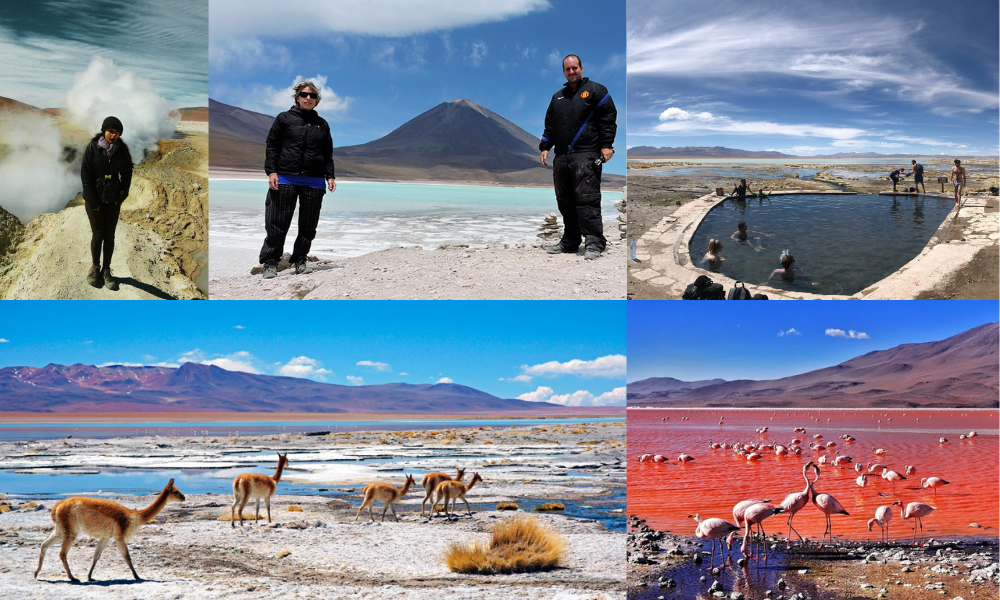
Yes, of course. The Eduardo Avaroa Reserve is a perfect place for tourists who want to have authentic experiences, come into direct contact with the untamed nature of the Bolivian highlands, and enjoy extraordinary landscapes.
Although it is not an urban destination or one offering conventional comforts, it offers something much more valuable: a sense of immensity that is difficult to find elsewhere, total silence, and unique landscapes.
It is a place that is not visited, but experienced.