


How tiring are the tours in Uyuni?
Tours of the Salar de Uyuni are one of Bolivia’s most spectacular experiences, but they can also be physically demanding. Between long hours of travel in 4×4 vehicles, changing weather, and the altitude, it’s normal for many travelers to wonder how tiring these tours can be.
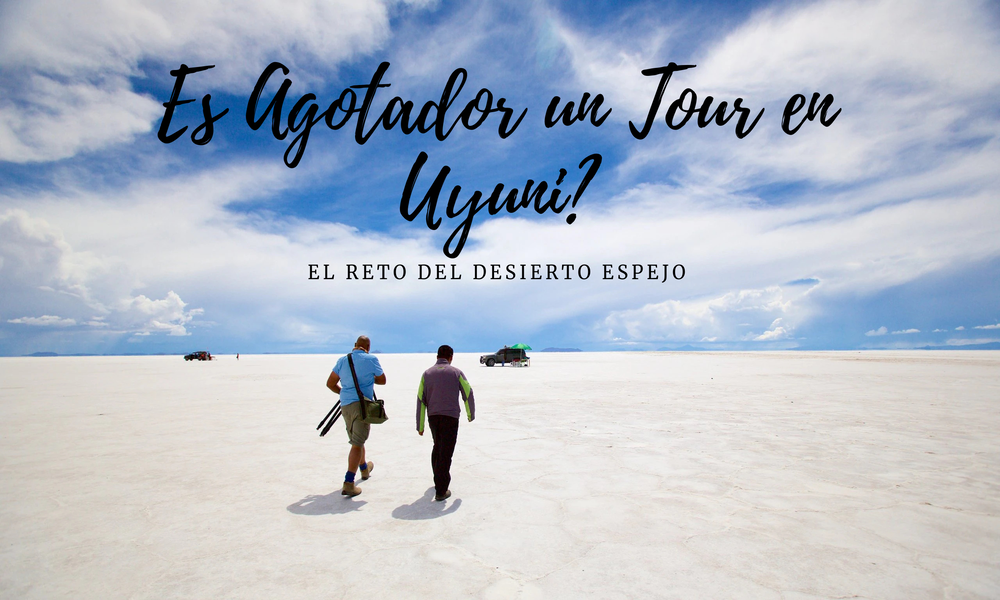
In this guide we’ll analyze the intensity of the tours, what to expect in terms of physical effort, and how to prepare yourself to enjoy it to the fullest without letting fatigue ruin your adventure.
Are they really exhausting?
Tours to the Salar de Uyuni are a unique experience, but not all tours are the same in terms of physical exertion and duration. The intensity of the trip depends on the type of tour, the itinerary, the duration, and each traveler’s level of preparation. Understanding what each option entails will help you decide which one is best for you.
Duration and schedules
The tour duration and departure times directly influence the level of fatigue. From day trips to multi-day expeditions, each option has its own pace and level of exertion.
Day Tours: These are usually less tiring, but involve several hours on the road to cover the main attractions.
2 or 3 day tours: More comprehensive, including visits to lagoons, geysers, volcanoes, and the salt desert. The longer duration means more time on the road, early mornings, and later arrival at accommodations.
Multi-day tours: These can be very demanding, with long journeys and high altitudes, which increases fatigue.
Transportation and roads
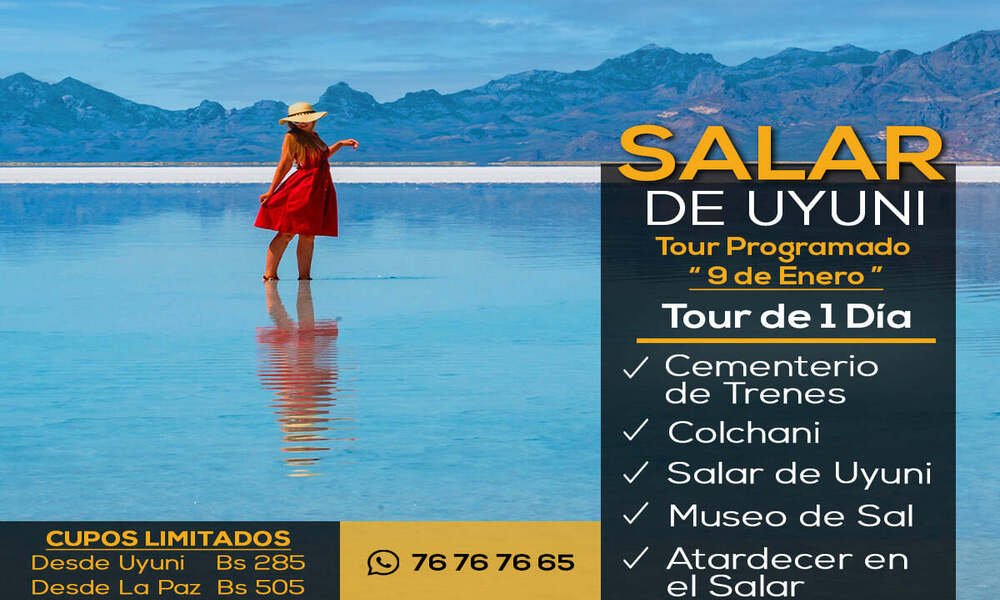
Tours of the Salar de Uyuni involve traveling in 4×4 vehicles along routes of salt, mud, and dirt, which can be physically demanding due to the uneven terrain. Although driving is not required, the long hours of travel can cause fatigue, dizziness, and increased tiredness due to the combination of altitude and temperature changes .
Tours are mainly conducted in 4×4 vehicles on dirt roads, salt and mud.
Uneven terrain can cause physical fatigue and dizziness in some travelers.
Driving is not the tourist’s responsibility, but sitting for hours can be tiring, especially when you add changes in temperature and altitude .
Altitude and climate
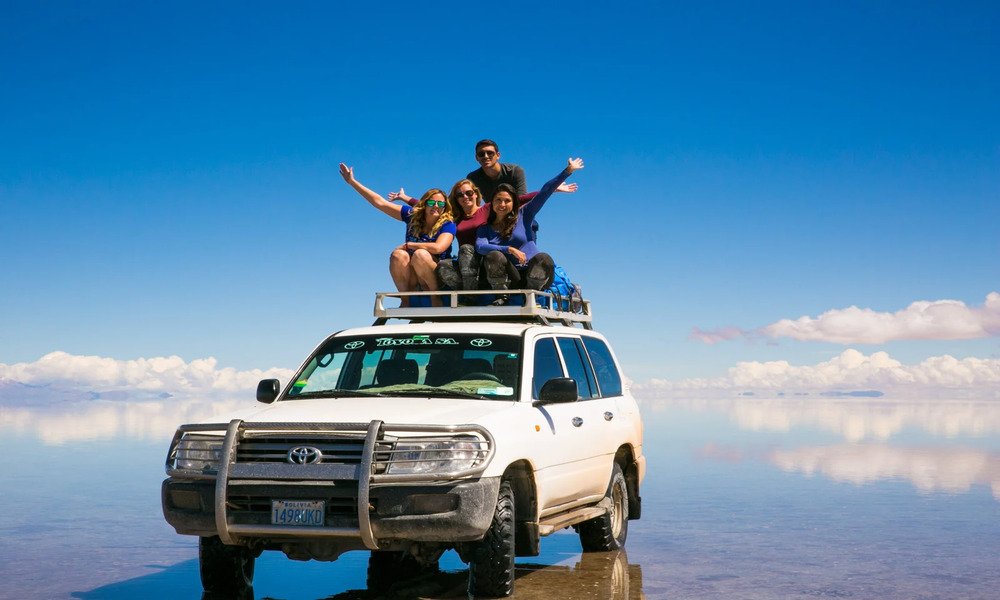
The Salar de Uyuni is located at a high altitude, which can present certain challenges for travelers. The combination of the high altitude and the extreme climate, with large temperature variations , requires good physical preparation and the appropriate equipment to enjoy the tour without discomfort.
The Salar de Uyuni is more than 3,600 meters above sea level , and some areas reach up to 5,000 meters.
Altitude can cause altitude sickness , fatigue, headaches, and difficulty sleeping, increasing the feeling of tiredness during tours.
Temperatures vary greatly: during the day it can be hot, while at night it is extremely cold. This requires appropriate clothing and physical preparation.
Activities during the tour
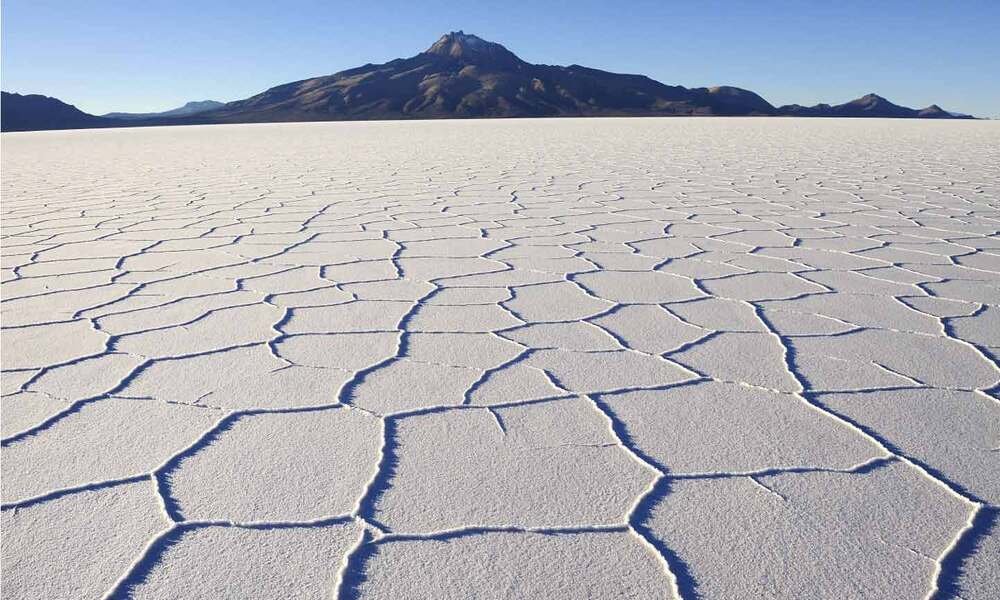
The activities included in tours in Uyuni may seem simple, but at high altitude and with long distances to cover, the physical exertion can increase. From walks across the salt flats to exploring lagoons and local markets, each stop adds an extra physical challenge, especially when you factor in the constant ups and downs of the vehicle.
Short walks: To visit lagoons, rock formations , and salt mounds. Generally easy, but can be more tiring at high altitude.
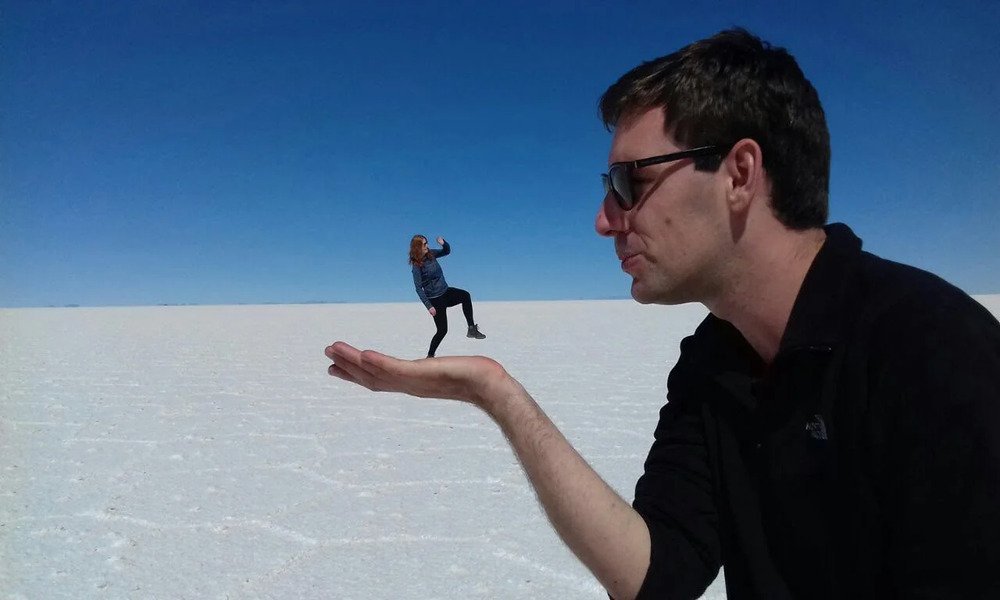
Photography and exploration: Frequent stops for photos involve getting in and out of the vehicle several times.
Visits to towns and local markets: These may require walking several blocks carrying backpacks, increasing fatigue.
Tips to reduce tiredness
Stay hydrated , dry weather and altitude increase dehydration.
Get used to the altitude by spending a day or two in Uyuni or nearby towns before starting the tour.
Wear comfortable clothing and layers to adapt to temperature changes.
Get a good night ‘s sleep before the tour and bring energy snacks.
Consider shorter tours if you are not used to long journeys or altitude.
Conclusion
Tours in Uyuni can be tiring, especially multi-day tours, due to the combination of long hours of travel, altitude, and extreme weather. However, with proper preparation, hydration, rest, and choosing an itinerary that matches your stamina, the experience can be incredibly rewarding and memorable.
