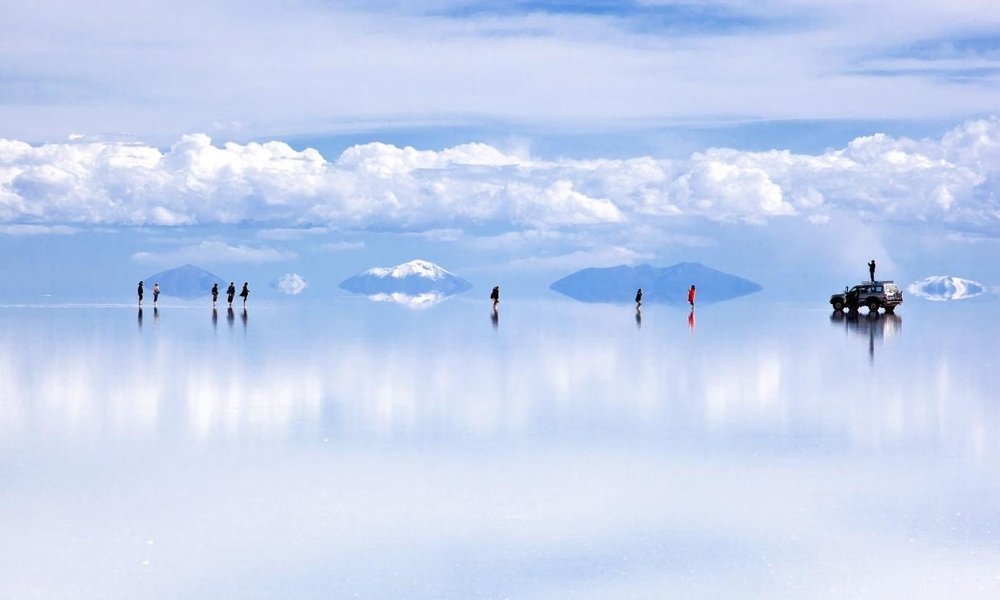
How much does a tour to the Salar de Uyuni cost?

The Salar de Uyuni is one of South America’s most breathtaking destinations, and yet, one of the most challenging when it comes to budgeting. Tour prices can vary considerably depending on the duration, type of service, and the season. Therefore, understanding the true cost of a tour to the Salar de Uyuni is crucial for making the right choice and avoiding surprises.
In this guide we explain the approximate prices, what factors influence the cost and what each type of tour usually includes, so you can make a decision with clear and realistic information .
Average price of tours to the Salar de Uyuni
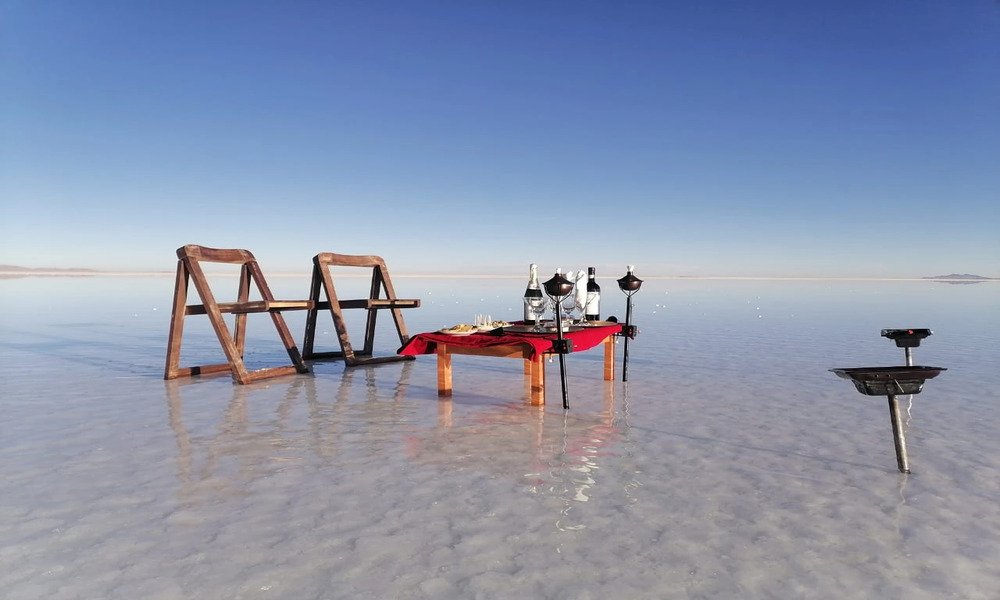
The cost of a tour to the Salar de Uyuni depends primarily on the tour’s duration, the type of service (shared or private), and the time of year. Generally speaking, Uyuni offers competitive prices compared to other world-class natural destinations.
1-day tours: the most economical option
Day tours are the most affordable and popular option for travelers with limited time. They typically cover the main attractions of the salt flats and offer a basic experience without overnight stays.
The average price for this type of tour ranges from US$65 to US$90, depending on the agency, the season, and what’s included.
They are ideal if:
- You have only a few days in Bolivia
- You’re looking for a quick experience
- You’re traveling on a tight budget.
2 and 3 Day Tours: The Complete Experience
The 2- and 3-day tours are highly recommended for those who want to explore the salt flats in depth and additional areas such as lagoons, deserts, and natural formations. These tours include nights in basic accommodations and offer a more immersive experience.
The approximate price of a 3-day tour is usually between US$180 and US$240, varying depending on the level of comfort, type of accommodation, and included extras. Although the cost is higher, the experience is also much more comprehensive.
Why prices can vary so much
Not all tours are the same. The final price may vary depending on:
-
- high or low season
- type of transport
- group size
- quality of food and accommodation
- Additional services (bilingual guide, premium salt hotel, etc.)
Therefore, rather than looking for the cheapest tour, it’s worth comparing what each option includes.
What does a tour to the Salar de Uyuni usually include?

One of the most important things to understand when considering the cost of a tour to the Salar de Uyuni is knowing what’s included in the price. While each agency has slight variations, most tours follow a similar structure, especially shared tours.
Knowing these details will allow you to compare options fairly and avoid paying unnecessary extras during your trip.
Transportation, driver and guided tour
All tours include transportation in 4×4 vehicles, essential for exploring the salt flats and the surrounding desert areas. The driver usually also acts as a guide, explaining the main points of interest along the route and coordinating stops.
In shared tours, the vehicle is filled with several travelers; in private tours, the transport is exclusive, which increases the price but offers greater flexibility.
Food during the tour
Most tours include basic meals, which may vary depending on the duration:
- 1-day tour: usually includes lunch
- 2 and 3 day tours: breakfast, lunch and dinner
The meals are simple but adequate for this type of trip. On budget options, the menu is standard; on higher-category tours, there may be more varied options or options adapted to special diets (with prior notice).
Accommodation on multi-day tours
On 2- and 3-day tours, the price usually includes basic accommodation, often in local hostels or simple salt hotels. These accommodations prioritize the experience and location over luxury.
There are premium tours that offer more comfortable salt hotels, with private rooms and better services, which raises the total cost of the tour.
Entries and visits included
Generally, the tour covers visits to the main attractions of the salt flats and their surroundings. However, some specific entrance fees (such as to nature reserves or specific islands) may be charged separately, depending on the operator.
That’s why it’s important to confirm whether the price includes all entrance fees or if there will be additional cash payments during the tour.
What is normally NOT included
Although the tour covers the essentials, it usually does not include:
- extra drinks
- personal snacks
- bribes
- travel insurance
- very specific entries not indicated
Reading the program details carefully avoids confusion and helps calculate the actual budget for the trip.
Factors that make the price of a tour to the Salar de Uyuni go up or down
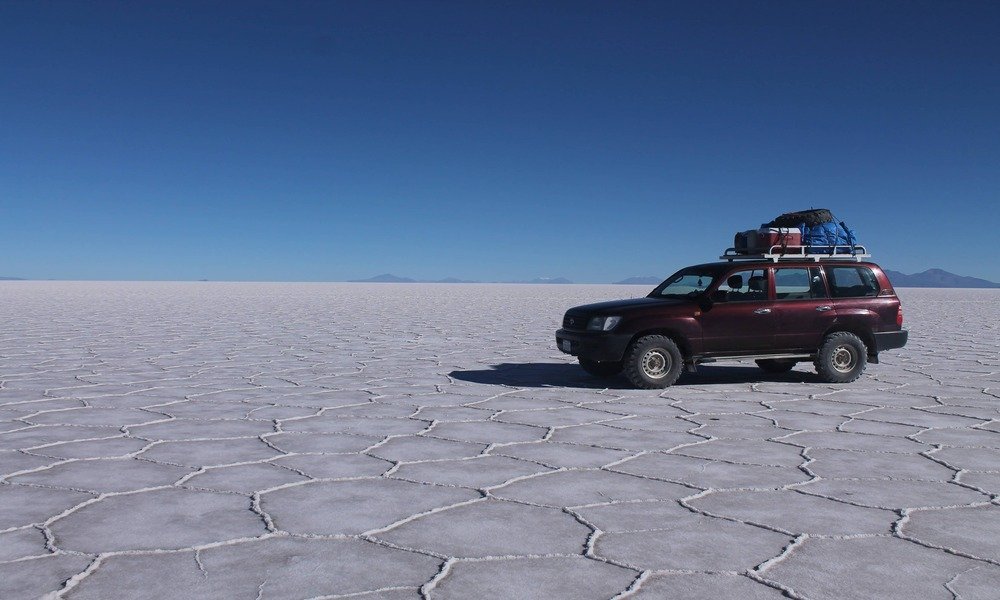
When comparing agencies, it’s normal to see very different prices for “the same tour.” The reason is simple: not all offer the same level of service, travel the same route, or work with the same logistics. In Uyuni, the final price is determined by a combination of factors that directly impact your experience: comfort, safety, timing, food quality, and type of accommodation.
Understanding these points helps you recognize when a tour is more expensive for real reasons… and when it’s expensive without justification.
Service type: shared vs private
One of the biggest price differences is whether the tour is shared or private. On a shared tour, the cost is split among several travelers, which is why it’s usually cheaper. However, it also means less control over the pace of the trip: the stops, timing, and overall experience are adapted to the group.
On a private tour, you pay more because the vehicle is exclusive and the itinerary is better tailored to your preferences: more time for photos, extra stops, more flexible scheduling, and a more relaxed experience. For couples, families, or travelers who are serious about photography, a private tour often feels “expensive,” but also more efficient and comfortable.
Season of the year: dry vs mirror effect
Seasonality plays a significant role. During peak season (months with higher demand), prices tend to rise due to increased travel and reduced availability. Additionally, during rainy seasons, some tours require route adjustments due to water-related issues, which can disrupt logistics.
During the dry season, the weather is more stable and routes tend to be more predictable. Even so, during peak tourist months (like mid-year), demand increases, and with it, prices, especially for hotels and additional services.
Quality of accommodation and real comfort
On 2- or 3-day tours, accommodation makes a significant difference. Sleeping in basic lodging with a shared bathroom is not the same as staying in a premium salt hotel with a private room, more consistent hot showers, and better facilities. This leap in comfort is directly reflected in the price.
Additionally, some tours include a night in a more touristy salt hotel, while others offer simpler options to keep costs down. If rest is important to you, this factor is often decisive, especially given the cold nights in the highlands.
Comidas, extras y detalles “invisibles”
Although it may seem minor, food and logistical details make a significant difference. A budget tour might include a basic, standard menu, while a better-organized tour usually offers more substantial meals, hot drinks, better organization, and planned stops.
There are also extras that influence the price: a bilingual guide, additional equipment, more personalized service, or even the type of itinerary and how many sites it includes. Often, the price difference isn’t in the salt flats themselves, but in how everything surrounding the salt flats is managed.
Vehicle Safety and Condition
This point is key, and many people overlook it. In Uyuni, the 4×4 vehicle and the driver make all the difference. A cheaper tour might use older vehicles or ones with less maintenance. In contrast, more reputable agencies tend to invest more in vehicles and logistics, which is reflected in the price.
It doesn’t mean that the most expensive is always the best, but it is wise to be wary of prices that are too low when they don’t explain what they are offering.
Common extras and additional expenses you should consider
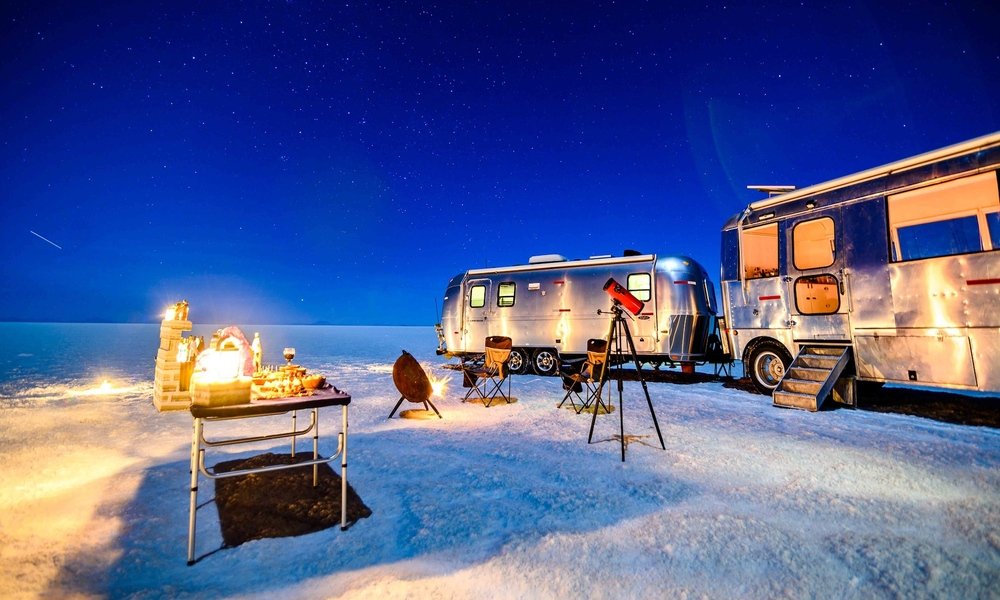
While many tours to the Salar de Uyuni include the essentials, it’s important to know that the advertised price isn’t always the final cost. There are small additional fees that, when added up, can significantly impact your total budget, especially on multi-day tours.
Knowing about these extras in advance helps you travel with peace of mind and avoid surprises during your trip.
Tickets not included and local payments
Some attractions in or around the salt flats require cash payments that aren’t always included in the tour, such as entrance fees to certain islands, reserves, or specific areas. These amounts are usually small, but are paid directly on-site and are typically cash-only.
Therefore, even if the tour is “all inclusive”, it is advisable to confirm which tickets are covered and which are not, to bring the exact amount of money from Uyuni.
Drinks, snacks and personal expenses
The meals included are usually sufficient, but during the tour it’s common to want to buy:
hot drinks
snacks
additional water
local products
These expenses are the responsibility of the traveler and must be paid in cash. In remote areas there are no ATMs or card payments, so it’s important to carry cash from the start of the tour.
Tips and acknowledgments
Tipping is not mandatory, but it is customary if the service was good. Many travelers choose to leave a small amount for the driver/guide at the end of the tour, especially on multi-day tours. This is not usually included in the tour price and depends entirely on your experience and personal preference.
Use of restrooms and small facilities
At some points along the route, especially in rural areas or communities, using the restrooms may incur a small fee. While this is a minor expense, it’s worth factoring into your daily budget.