


Is it comfortable to sleep in salt hotels in Uyuni?
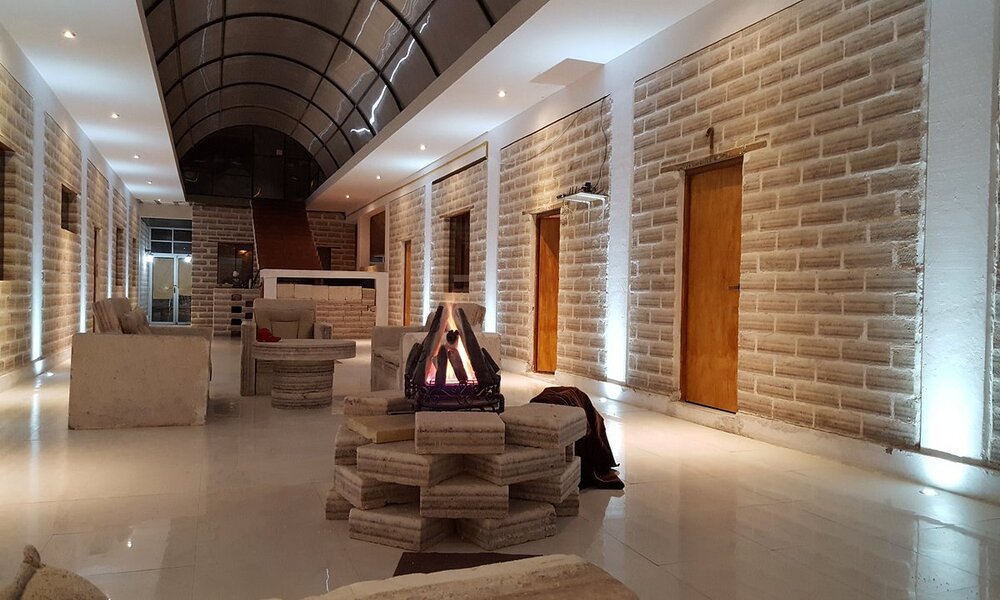
Sleeping in a hotel built with salt blocks raises many questions among travelers, especially those visiting the Salar de Uyuni for the first time. The most common question is clear: is it really comfortable to sleep in salt hotels, or is it just a curious experience?
The answer depends on several factors, such as the type of hotel, the highland climate, and the traveler’s expectations. In this article, we explain what the actual experience of staying in a hotel is like, the level of comfort these accommodations offer, and what you should consider before choosing one for your trip.
What are the rooms like in salt hotels?
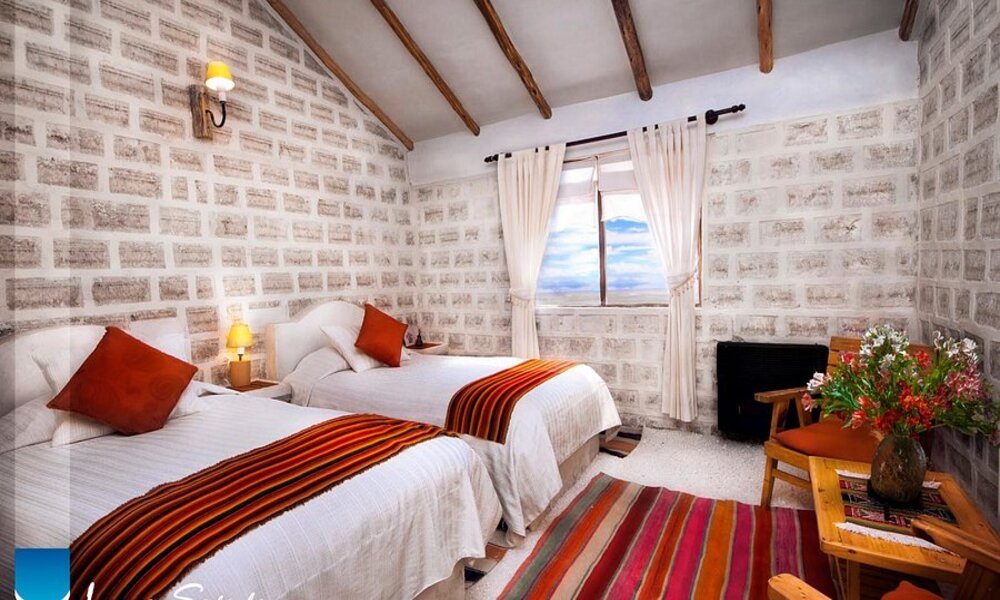
The rooms in the salt hotels of the Salar de Uyuni combine a unique aesthetic with a level of comfort designed for the extreme environment of the high plateau. Although the idea of sleeping surrounded by salt might raise some questions, in practice these spaces are designed to offer functional and safe rest, rather than traditional luxury.
Each room reflects the hotel’s concept: to experience the salt flats from within, without losing the essentials for a good night’s sleep.
Materials, design and interior ambiance
The walls, some of the furniture, and even some decorative details are made from compacted salt blocks, creating a very unique visual atmosphere. However, the beds are not made of salt: they have conventional frames, suitable mattresses, and clean linens.
The interior design is typically simple and rustic, with warm lighting and spaces designed to retain heat. This style doesn’t aim for sophistication, but rather complete integration with the salt flat landscape.
Beds, shelter and comfort items
In terms of comfort, the beds are usually comfortable and well-suited for the cold nights. Most salt hotels offer:
- Firm mattresses
- Several thermal blankets
- Thick comforters
- Additional pillows available upon request
Although these are not luxury hotels, the rest is usually adequate, especially if the traveler is prepared for the conditions of the high plateau.
Private or shared bathrooms
Depending on the hotel and room category, bathrooms may be private or shared. Basic hotels offer shared bathrooms with limited hot water, while mid-range and high-end hotels feature private bathrooms and showers with better water pressure.
It is important to consider that, due to the remote location, the hot water supply may be regulated by schedules, which is common in the area.
What to Really Expect When Sleeping in a Salt Room
Sleeping in a salt hotel is not the same as sleeping in a city hotel. The experience prioritizes the surrounding environment over luxury. If you’re looking for a different kind of night, quiet and surrounded by Bolivia’s most unique landscape, these rooms deliver.
For those who value basic comfort, warmth, and an authentic experience, salt hotel rooms are much more comfortable than many imagine.
Nighttime cold and heating systems in salt hotels
One of the biggest concerns for travelers is the cold nights when sleeping in the salt flats of the Salar de Uyuni. This concern is understandable, as the salt flats are located at a high altitude and temperatures drop sharply at night, especially during the dry season.
However, salt hotels are prepared for these conditions and have practical solutions to ensure a good night’s rest.
Available heating systems
Most hotels offer some form of heating, which can vary depending on the hotel’s category. The most common options are gas heaters, electric heaters, or space heaters in common areas. In higher-end hotels, heating is usually available in the rooms during the coldest hours.
It is important to note that, due to the remote location, the heating may operate at specific times and not continuously throughout the night, which is common in the Bolivian highlands.
Actual temperatures during the night
At night, temperatures can easily drop below 0°C, especially between May and August. Even so, the interior of the rooms is usually kept at a tolerable temperature thanks to the natural insulation provided by the salt and the available insulation systems.
The cold is felt more when getting out of bed or in bathrooms, so it is advisable to wear thermal clothing to sleep in and use appropriate layers during the night.
Thermal blankets and extra warmth
In addition to heating, salt hotels typically provide several thick blankets and thermal duvets. These blankets play a key role in maintaining body heat throughout the night and, in many cases, are sufficient even when the heating is turned off.
Some hotels also offer hot water bottles or extra blankets upon request, especially on colder nights.
Is it cold to sleep in a salt hotel?
Under normal conditions, extreme cold is not an issue if the traveler is well-prepared and chooses a suitable hotel. The cold is part of the high-altitude experience, but it doesn’t usually prevent a good night’s sleep.
With thermal clothing, enough blankets, and a well-sealed room, sleeping in a salt hotel is much more comfortable than many imagine, even on the coldest nights in the Salar de Uyuni.
Actual level of comfort and quality of rest
 days
days
Sleeping in a salt hotel in the Salar de Uyuni offers a functional and adequate level of comfort, provided the traveler has realistic expectations. These accommodations don’t aim to compete with luxury urban hotels, but rather to provide rest in an extreme environment, prioritizing shelter, silence, and a connection with the landscape.
For most visitors, the quality of rest is good and sufficient to recover energy after long days of touring.
Silence, tranquility and deep rest
One of the biggest advantages is the absolute silence that surrounds salt hotels. Located far from urban areas, they typically offer a deep night’s sleep, free from traffic noise and external distractions. This natural tranquility promotes restful sleep, especially for those seeking complete disconnection.
The isolated environment also reduces light pollution, creating a calm atmosphere conducive to rest.
Expectativas realistas sobre el confort
Comfort in salt hotels is simple but well thought out. The rooms have everything you need for a good night’s sleep: a suitable bed, sufficient warmth, and shelter from the wind. However, some details like cold floors, rustic bathrooms, or limited electricity are part of the high-altitude experience.
Those who arrive with a flexible mindset and are prepared for basic conditions usually feel comfortable. In contrast, travelers who are very sensitive to the cold or who seek constant comfort may prefer higher-category options.
Is it easy to sleep in a salt hotel?
Generally speaking, you can sleep well in a salt hotel. The combination of silence, adequate warmth, and natural tiredness after sightseeing promotes restful sleep. For many travelers, the experience is even more pleasant than sleeping in the city, thanks to the tranquility and unique surroundings.
The level of comfort is not luxurious, but it is sufficient and consistent with the experience offered by the Salar de Uyuni.
What you should consider before choosing a salt hotel
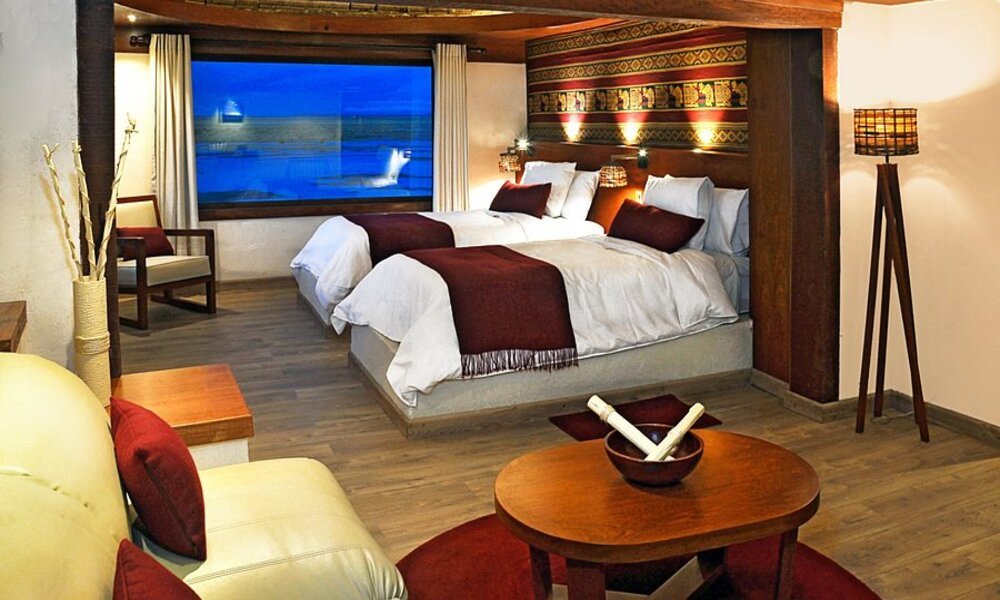
Choosing a salt hotel in the Salar de Uyuni is no small decision, as it directly impacts the quality of your rest and your overall travel experience. While all the hotels share the characteristic of being built with salt blocks, there are significant differences in terms of comfort, services, and adaptation to the extreme climate of the Altiplano. Understanding these aspects before booking allows you to avoid surprises and fully enjoy a night in one of Bolivia’s most unique environments.
Sleeping in a salt hotel means accepting certain conditions specific to the region, but a good choice can transform what many consider a rustic experience into a cozy and memorable stay.
Comfort level, services and hotel category
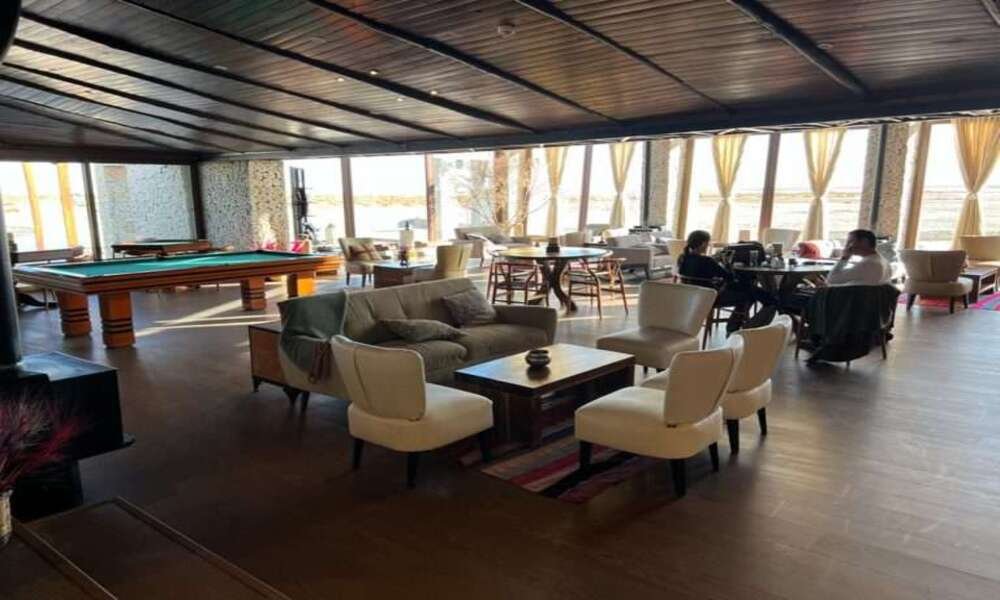
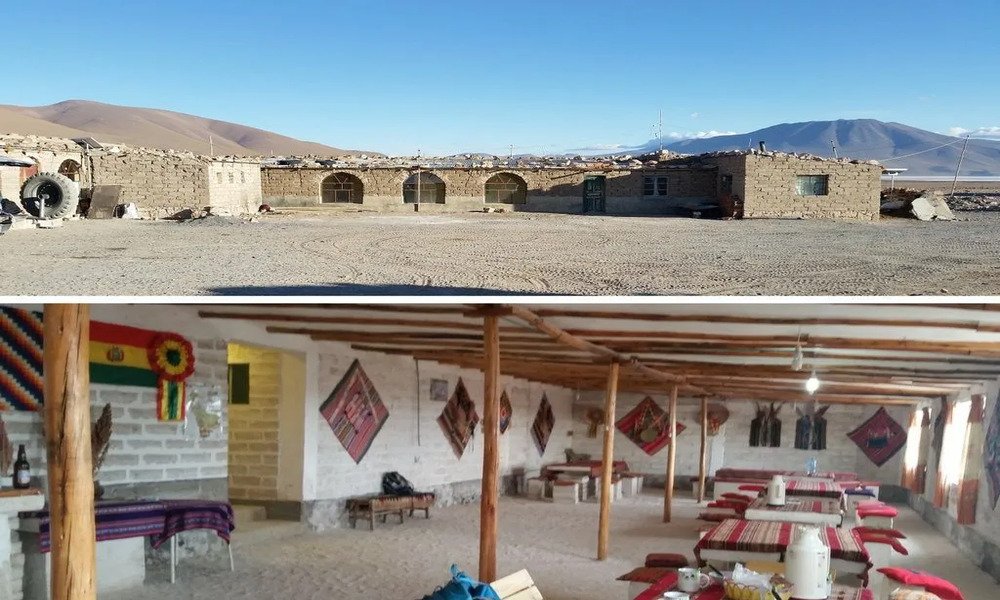
The level of comfort varies considerably among different salt hotels. Some accommodations offer a basic experience, with simple rooms, shared bathrooms, and limited services, while others have a greater investment in infrastructure, providing more comfortable beds, private bathrooms, better thermal insulation, and more efficient heating. Understanding this difference is key to aligning expectations with the reality of the accommodation.
Mid-range and high-end hotels tend to pay more attention to details that influence rest, such as better quality mattresses, warm lighting, and common areas designed to provide shelter from the cold. While none of them aim for urban luxury, these improvements make a noticeable difference at night, especially after long days of exploring the salt flats.
Furthermore, it’s important to consider additional services such as heating schedules, hot water availability, and electricity supply. In such a remote area, these factors aren’t always consistent, so researching them beforehand helps you choose a hotel that best suits your needs and ensures a more comfortable stay.
Climate, travel season and personal preparation
The climate of the Salar de Uyuni is one of the most important factors when choosing a hotel on the salt flats. Nights are generally cold year-round, but between May and August, temperatures drop significantly, requiring extra attention to clothing and heating. During this time, choosing a hotel well-equipped for the cold can make the difference between an uncomfortable night and a restful sleep.
Personal preparation also plays a crucial role. Wearing appropriate thermal clothing, warm pajamas, thick socks, and extra layers helps maintain body heat throughout the night, even when the heating isn’t running continuously. Many travelers find that, with the right gear, the cold becomes manageable and ceases to be a concern.
Taking into account the season, the weather, and your own tolerance for the cold allows you to enjoy the experience with greater peace of mind. When travelers are well-informed and prepared, sleeping in a salt hotel ceases to be a challenge and becomes an authentic and comfortable part of the trip to the Salar de Uyuni.
Who is it recommended for to sleep in a salt hotel?
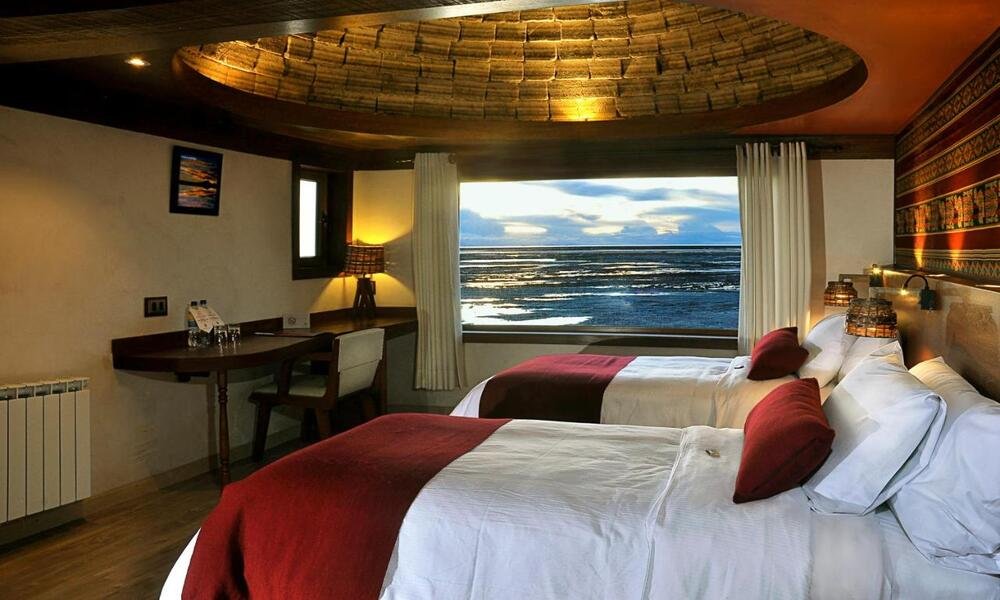
Sleeping in a salt hotel in the Salar de Uyuni isn’t a universal experience, but rather an option better suited to certain types of travelers. Beyond the curiosity this type of accommodation evokes, it’s important to understand what kind of person typically enjoys the experience and for whom it might be less suitable.
With clear expectations, the experience can be highly rewarding and become one of the most special memories of the trip. However, for some travelers, the conditions of the high plateau can present a challenge.
Travelers who enjoy authentic and different experiences
Salt hotels are especially recommended for travelers seeking unique and unconventional experiences. People interested in experiencing extreme natural environments, local culture, and accommodations with their own distinct character often value this type of lodging much more than a traditional hotel.
This type of traveler typically has a flexible mindset and understands that the value of a salt hotel lies in the complete experience of the salt flats, rather than in luxury. For them, sleeping surrounded by absolute silence, unique landscapes, and singular architecture is an essential part of the trip and more than compensates for any limitations in comfort.
In addition, those who enjoy photography, tranquility and digital disconnection often find salt hotels an ideal environment to rest and appreciate the surroundings without distractions.
Travelers who should consider other options
On the other hand, sleeping in a salt hotel may not be the best option for travelers who are very sensitive to the cold, people who require constant comfort, or those who expect standards similar to urban hotels. Limited electricity, heating schedules, or the rustic nature of some amenities may be uncomfortable for this type of traveler.
Those who have difficulty adapting to the altitude or require very specific rest conditions should also carefully evaluate the hotel category or consider more conventional accommodations in or around Uyuni.
Choosing honestly according to your own travel style is key. For those who are drawn to the experience, salt hotels offer an unforgettable night; for others, opting for more traditional alternatives can guarantee greater comfort and tranquility during the trip .
