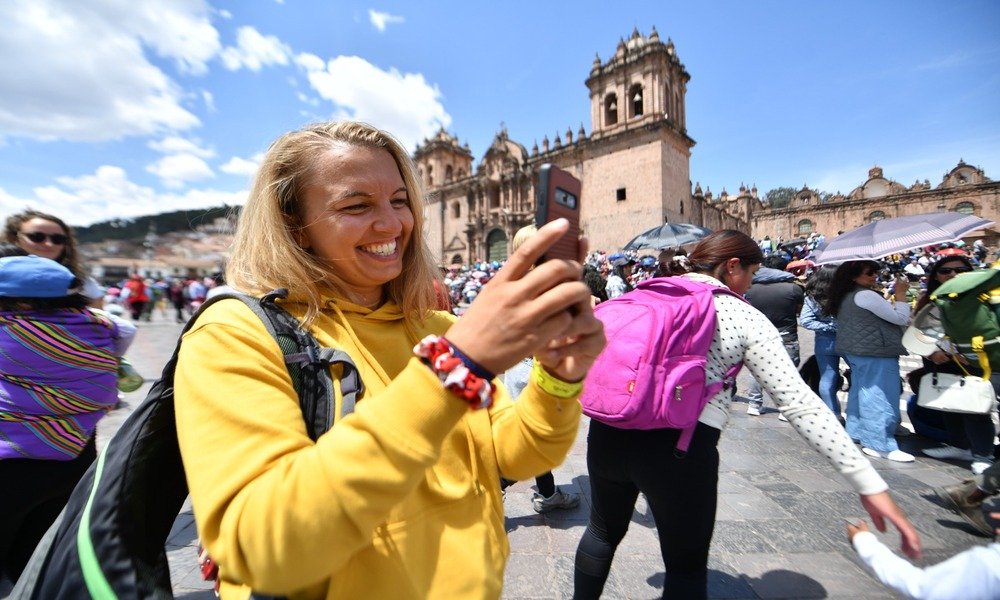
“Cusco Historic Center: History and Charm”
The Historic Center of Cusco is much more than cobblestone streets and picturesque plazas; it is the living heart of Peruvian history. This place combines the grandeur of Inca architecture with Spanish colonial splendor, creating a unique setting where every corner tells a story. From the majestic Plaza de Armas to the temples and charming alleyways, exploring the historic center is to immerse yourself in centuries of tradition, culture, and art that still resonate in the city’s daily life.
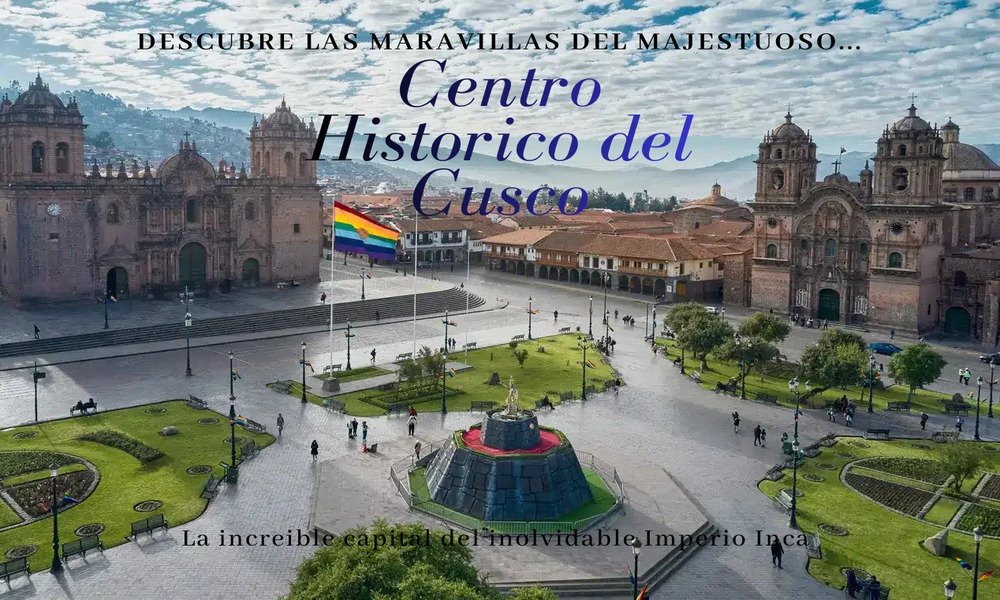
In this guide you will discover the most emblematic places in Cusco, with useful information and essential facts for your visit.
History
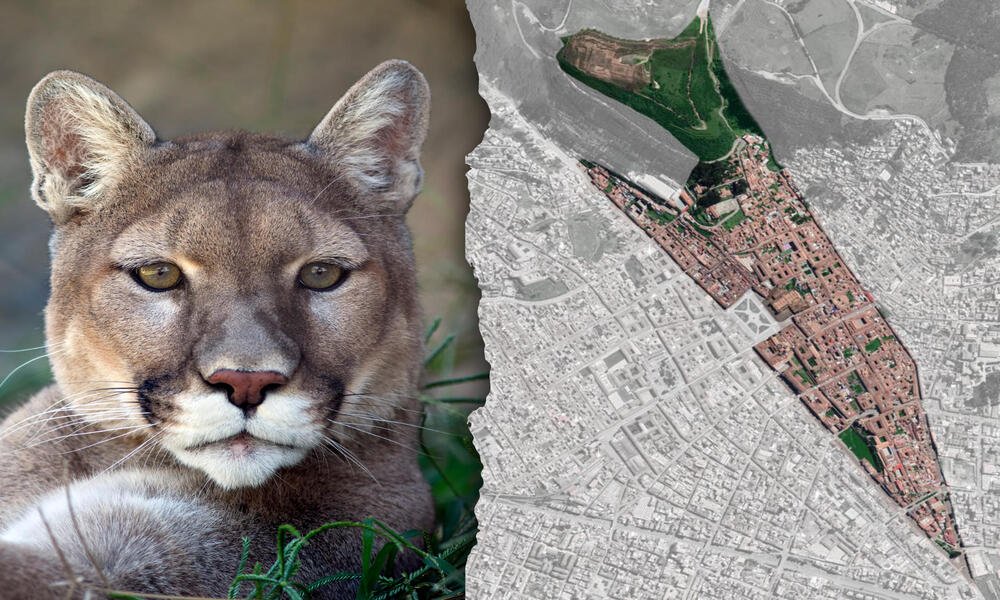
Cusco, founded by the Incas in the 13th century, was the political, religious, and cultural center of one of the most advanced empires in pre-Columbian America. The city was designed in the shape of a puma , a sacred animal, and many of its original structures, such as the foundations of palaces and temples, are still preserved beneath colonial buildings.
With the arrival of the Spanish in the 16th century, churches, convents, and mansions were built on top of the ancient Inca structures, creating a unique architectural mix that can still be admired on every street of the historic center today.
Main Places to Visit
Plaza de Armas (Main Square)
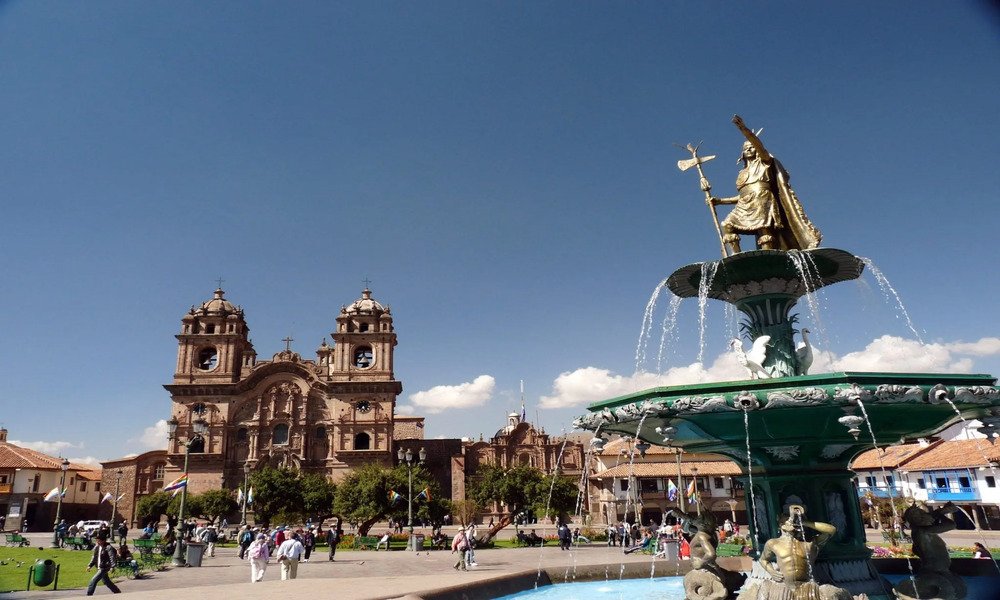
The Plaza de Armas is the true heart of Cusco’s Historic Center and one of the city’s most iconic landmarks. Since Inca times, this plaza has been a central hub of social, political, and religious life, and today it remains a place where locals and tourists gather to celebrate, relax, or explore the city’s history.
History
Originally, during the Inca era, the Plaza de Armas was known as Huacaypata , a ceremonial space where religious festivals, military parades, and markets were held. With the arrival of the Spanish in the 16th century, it was transformed into a colonial plaza: churches, mansions, and arcades were built, maintaining its central role in urban life.
Churches and cathedrals in the Plaza de Armas of Cusco
Cusco Cathedral (Cathedral of Cusco or Basilica Cathedral of Cusco)
Main church of the city and seat of the Archdiocese of Cusco .
Built between 1559 and 1654 on the former palace of the Inca Viracocha.
It stands out for its colonial baroque style and for housing works from the Cusco School of painting .
Church of the Society of Jesus
Built between 1576 and 1601 on Inca foundations.
Famous for its ornate baroque facade and its interior full of altarpieces and sculptures .
It was a Jesuit convent and is one of the most emblematic and photographed buildings in the square.
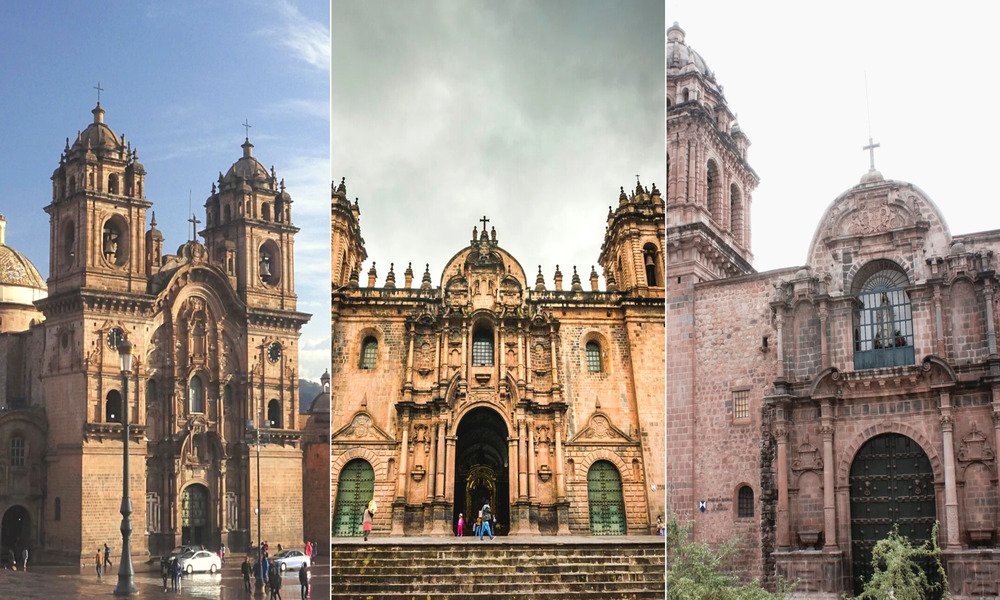
Church of the Triumph
The oldest church in Cusco, built in 1537 , shortly after the arrival of the Spanish.
Its name commemorates the victory of the conquerors over the Incas .
Although smaller than the other churches, it is historic and stands out for its simple and elegant facade .
Church of the Holy Family
Located in the Plaza de Armas, although less known to tourists.
Its architecture combines colonial and modern elements, and it is an active place of worship for the people of Cusco.
It offers a different perspective on the urban development of the square and the architectural evolution after colonization.
Qoricancha (Temple of the Sun)
The Qoricancha , also known as the Temple of the Sun , is one of the most impressive and symbolic sites in Cusco. It was the most important temple of the Inca Empire , dedicated to Inti, the sun god , who was considered the most powerful deity in the Inca religion.
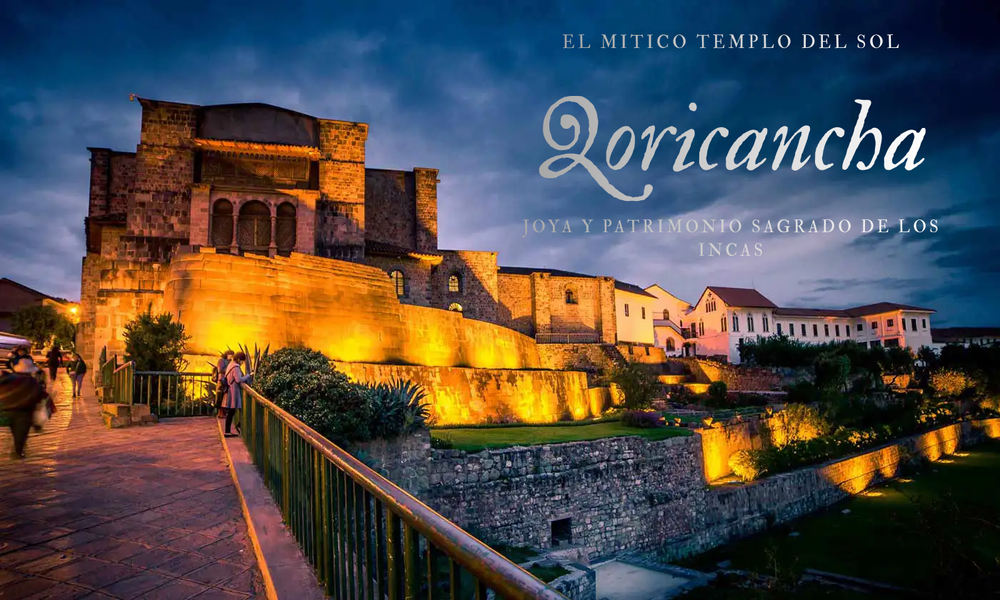
History and Significance
Qoricancha means “Golden Enclosure” in Quechua, since originally its walls and floors were covered with sheets of gold , a symbol of the sun.
It was the most sacred religious center of Cusco , where ceremonies and rituals dedicated to Inti were performed, including festivities and symbolic sacrifices.
The Inca priests resided in the temple, and treasures and offerings for the gods were also kept there.
Architecture
The walls of Qoricancha are an example of the most advanced Inca engineering , with perfectly carved stones that fit together without mortar, resisting earthquakes even today.
The complex included gardens, courtyards , and smaller temples , each with a specific ceremonial function.
The precision of its construction and its symmetry show the deep knowledge of astronomy, geometry and urban design of the Incas.
Hatun Rumiyoc street
Hatun Rumiyoc Street is one of the most emblematic streets in the Historic Center of Cusco and an essential destination for those who wish to experience the combination of history, architecture and daily life of the city.
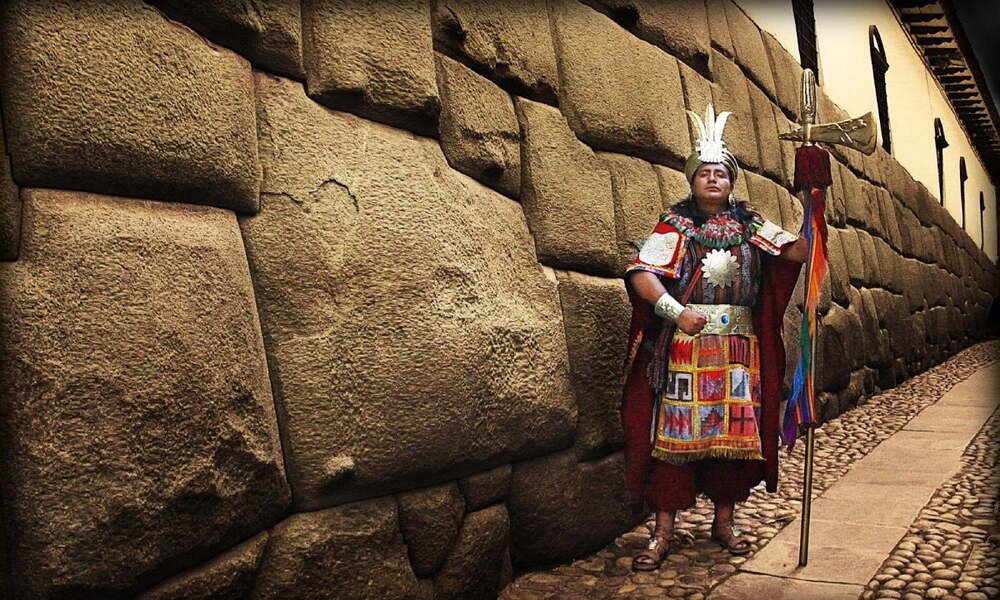
History and Significance
Its name comes from Quechua: Hatun Rumiyoc means “the street of the great stone”.
During the Inca era, this street was part of the urban network that connected temples, palaces and important squares of imperial Cusco.
Today it retains much of its historical character, mixing Inca vestiges with Spanish colonial architecture.
San Blas Neighborhood
The San Blas neighborhood , located on a hill near Cusco’s Historic Center , is known as the artisans’ quarter and one of the city’s most picturesque and charming corners. Its narrow, cobblestone streets , steeped in history and life, make it a perfect place to stroll, explore, and admire the colonial architecture.
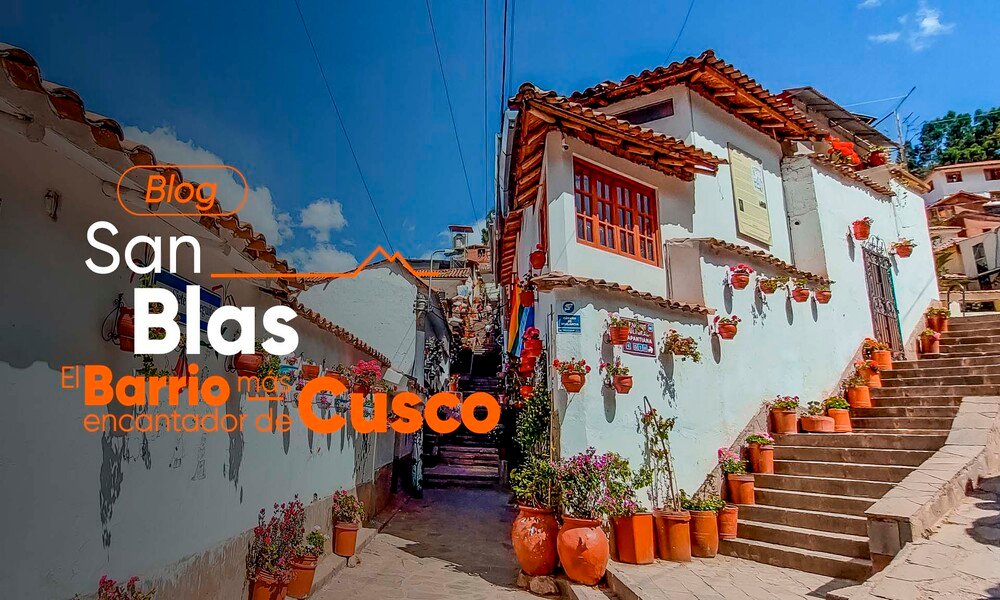
History and tradition
San Blas is one of the oldest neighborhoods in Cusco and has been a cradle of artists and artisans for centuries.
Its name comes from the church of the same name, Church of San Blas , built in the 17th century, famous for its carved wooden altar and its colonial-style balcony .
Over time, the neighborhood has maintained its bohemian and cultural character, attracting tourists and locals interested in art and crafts .
Markets and Local Life
To immerse yourself in the authenticity of Cusco , there’s nothing better than visiting its markets and everyday spaces , where culture, gastronomy and traditions are on display in every corner.
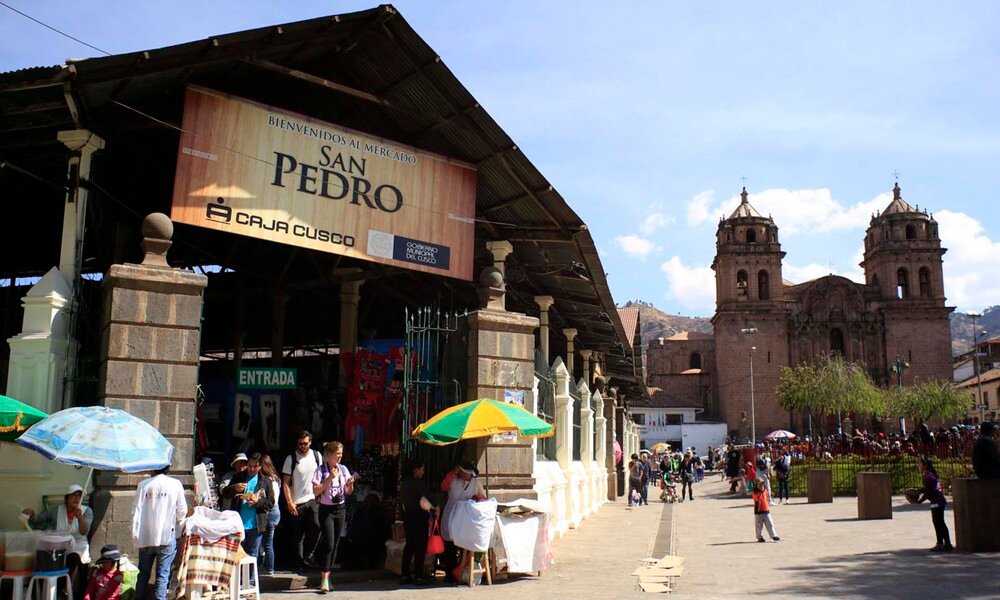
San Pedro Central Market
It is the most famous market in Cusco and an ideal place to experience the daily life of the people of Cusco.
Here you can buy fresh products such as fruits, vegetables, Andean grains, meats and medicinal herbs, as well as typical prepared foods such as empanadas, tamales and natural juices.
You can also find handicrafts , traditional textiles, typical clothing and souvenirs , all at affordable prices and directly from local producers.
Besides shopping, the market is an excellent place to observe and photograph everyday life , from merchants to families who come to do their daily shopping.
Importance of the Historic Center of Cusco
The Historic Centre of Cusco is not only a tourist attraction, but also a cultural and heritage treasure of great importance:
World Heritage : Recognized by UNESCO , it represents the unique fusion between Inca and colonial architecture , showcasing centuries of history in one place.
Cultural and spiritual center : Since Inca times, Cusco has been a key point for the religious, political, and social life of the Andean region. Its temples, plazas, and festivals keep ancient traditions alive.
Historic Preservation : The buildings, streets, and monuments are a tangible testament to Inca ingenuity and Spanish colonial influence, offering lessons in architecture, urban planning, and art.
Tourist and economic engine : As one of the most visited destinations in Peru, it attracts thousands of travelers a year, generating income and promoting local crafts, gastronomy and culture.
Local identity and pride : For the people of Cusco, the historic center is a symbol of their ancestral heritage and cultural identity, strengthening the link between past and present.
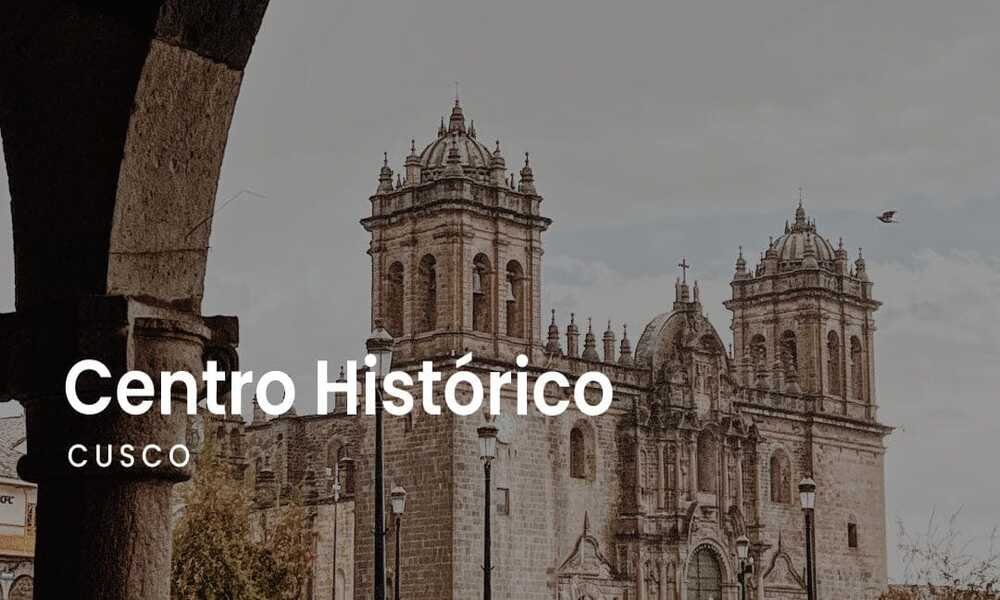
Visiting the Historic Center of Cusco is not just touring a city; it is immersing yourself in the living history of the Andes , understanding the cultural richness that makes Cusco a unique place in the world.
How to get to the Historic Center of Cusco
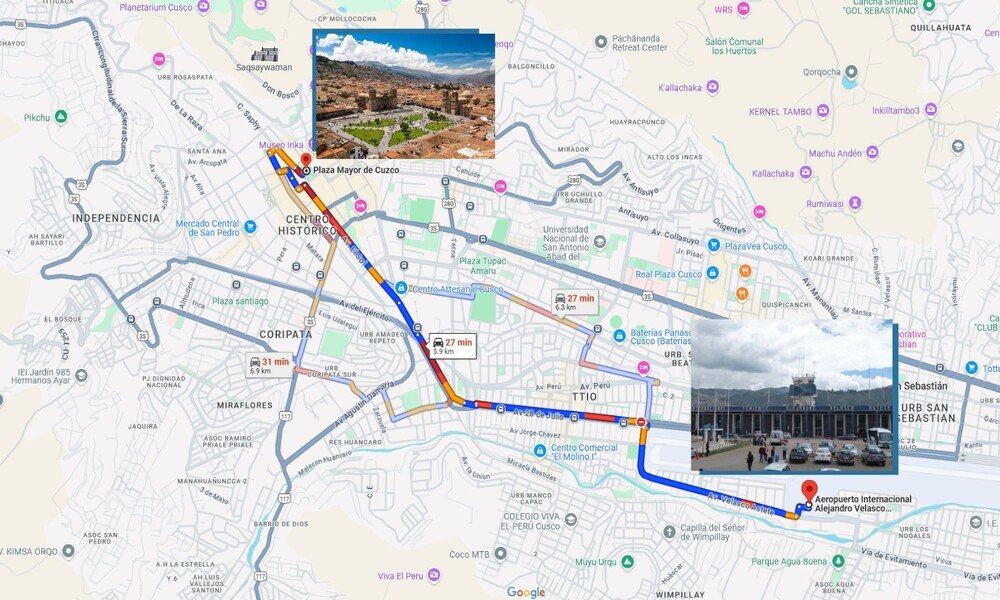
Getting to Cusco’s Historic Center is relatively easy, as it’s the heart of the city and well-connected by various modes of transport. Here are the main options:
The best way to get to and explore the Historic Center is on foot , as the streets are narrow and many are pedestrianized.
There are also taxis and buses that can take you to specific squares or neighborhoods like San Blas , but walking allows you to better enjoy the atmosphere and architecture.
Tips for Your Visit
Check your health and acclimatization: Cusco is 3,400 meters above sea level, so it is important to adapt to the altitude and stay hydrated. It is recommended to rest on the first day and avoid intense physical exertion upon arrival.
Comfortable footwear: The streets are cobbled and in some areas sloping, so wear comfortable shoes.
Respect local culture: Many temples and convents are places of active worship, so appropriate attire and respectful behavior are recommended.
Explore on foot: The best way to get to know the historic center is by walking, to discover hidden corners and enjoy its unique atmosphere.
Unique Experience
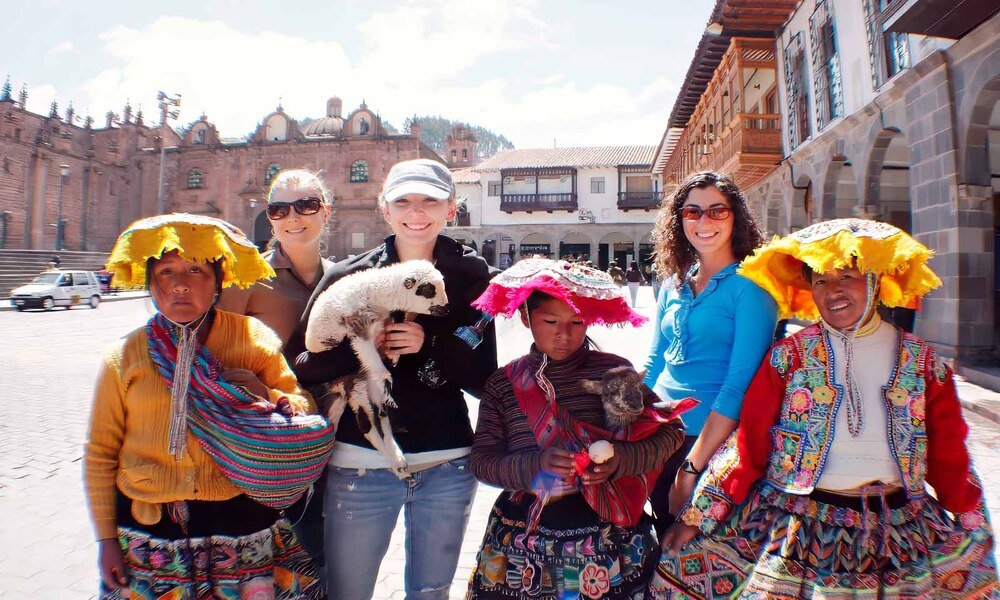
Exploring Cusco’s Historic Center is like stepping back in time. Every stone, plaza, and alleyway tells a story of resilience, art, and tradition , blending Inca majesty with colonial elegance. It’s a destination that captivates every traveler and serves as the ideal starting point for exploring other iconic sites in the region, such as Sacsayhuamán, the Sacred Valley, and, of course, Machu Picchu.