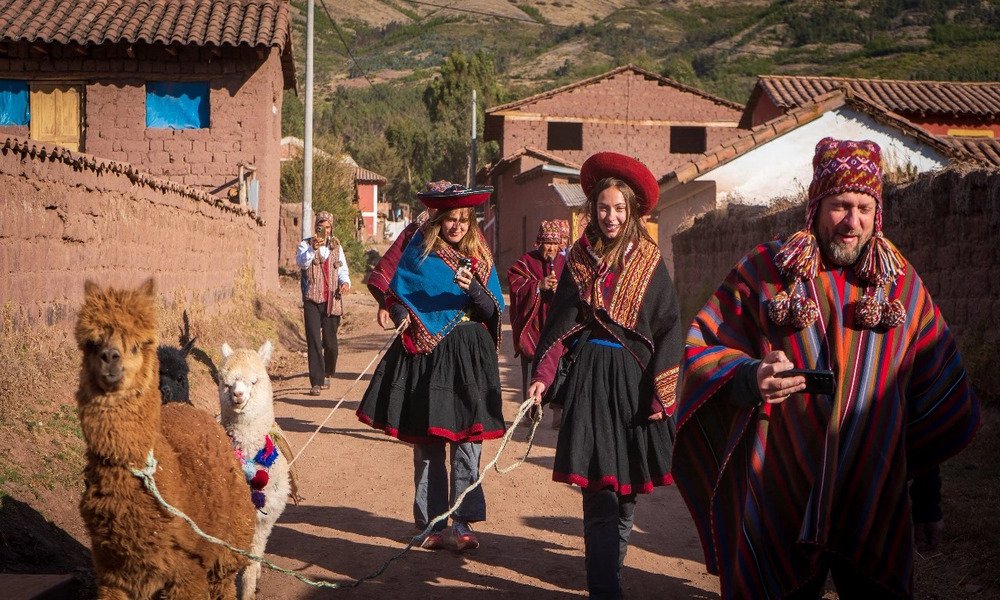
Chinchero: Art and Magic of Andean Textiles
In Chinchero , a picturesque town near Cusco , traditional textiles are not just garments, but a living heritage of Andean culture . Every thread and every color tells stories of the ancestors, reflecting ancestral techniques that have been passed down from generation to generation.
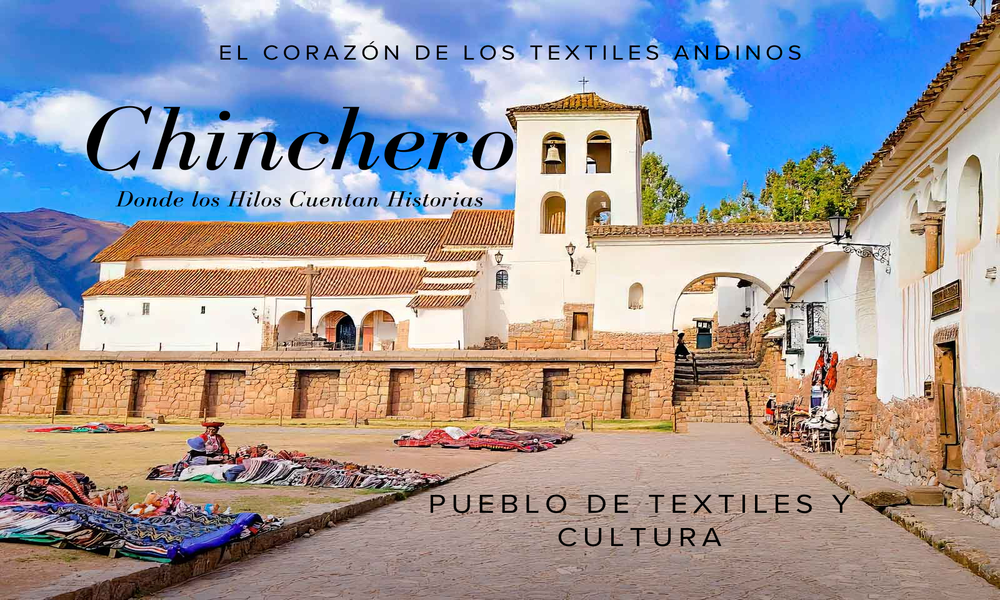
Visiting Chinchero is to immerse yourself in a world where art, tradition, and cultural identity intertwine in every fabric.
What is the place like?
Chinchero, located about 30 km from Cusco, is known as the “town of textiles ,” a place where the Andean textile tradition remains alive. Its inhabitants preserve ancestral techniques that reflect the cultural identity of the Inca Empire and their connection to nature. The textiles are not just clothing or decoration, but stories woven into thread , symbols of history, spirituality, and community.
History of Textiles in Chinchero
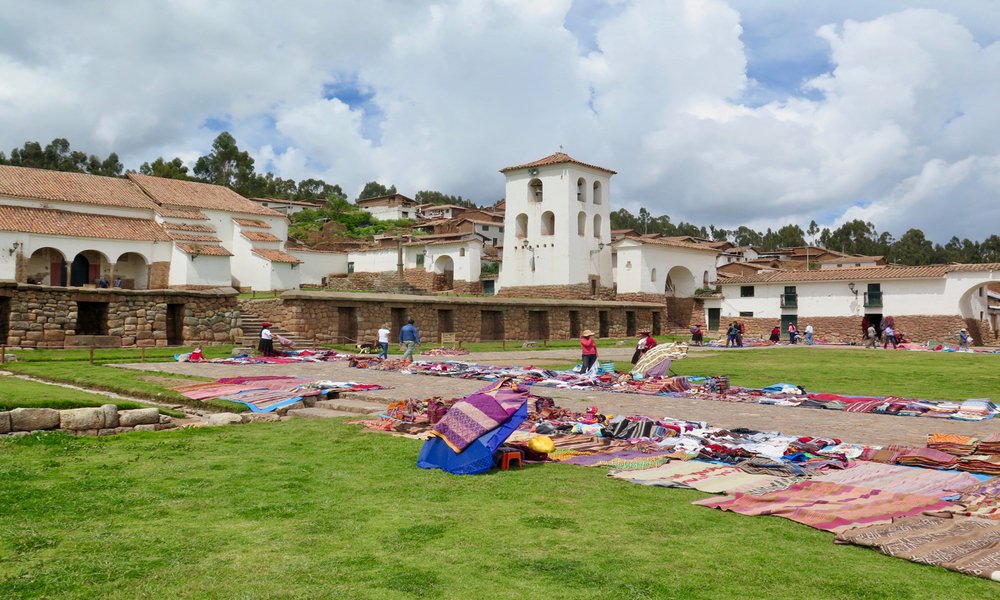
Andean textiles are over a thousand years old , and in Chinchero, these techniques have been perfected for centuries. During the Inca era, textiles were used for ceremonial clothing, tributes, and offerings . Each pattern and color had a symbolic meaning , representing elements of nature, daily life, or social hierarchy.
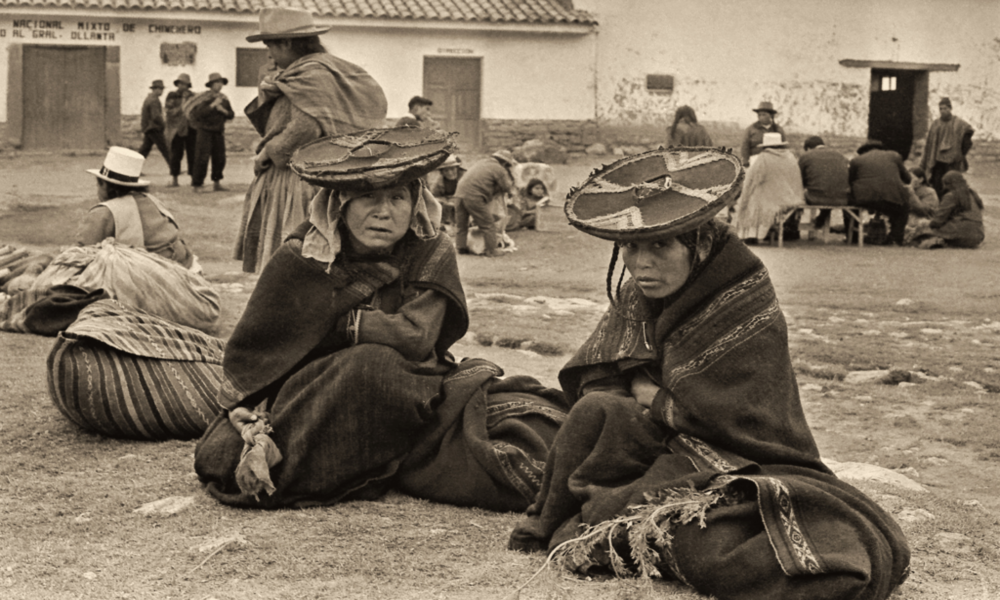
After the arrival of the Spanish, textile traditions survived thanks to the cultural resistance of local communities , who continued to pass on their art from generation to generation.
Techniques and Materials
The artisans of Chinchero use alpaca and sheep wool , hand-spun and dyed with natural pigments extracted from plants, insects, and minerals . Among the most notable techniques are:
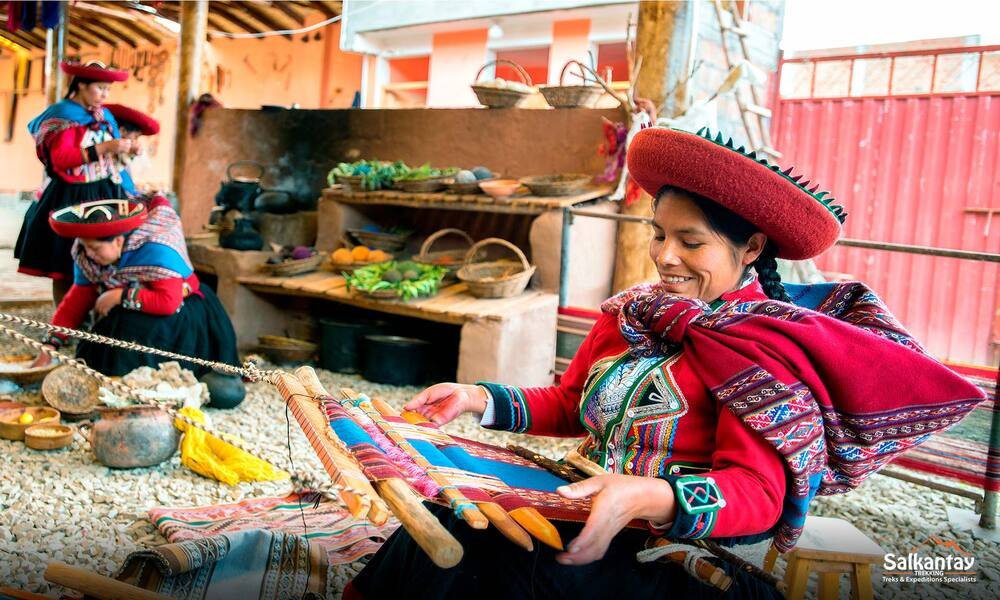
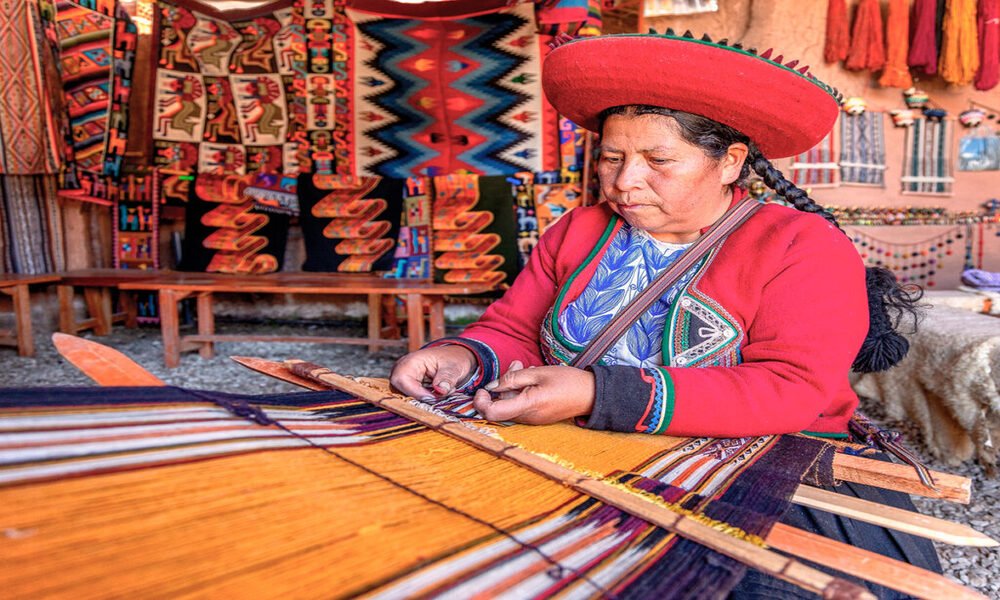
Backstrap loom: a traditional method that allows the creation of complex and detailed fabrics.
Needle knitting: used for embroidery and decorative designs.
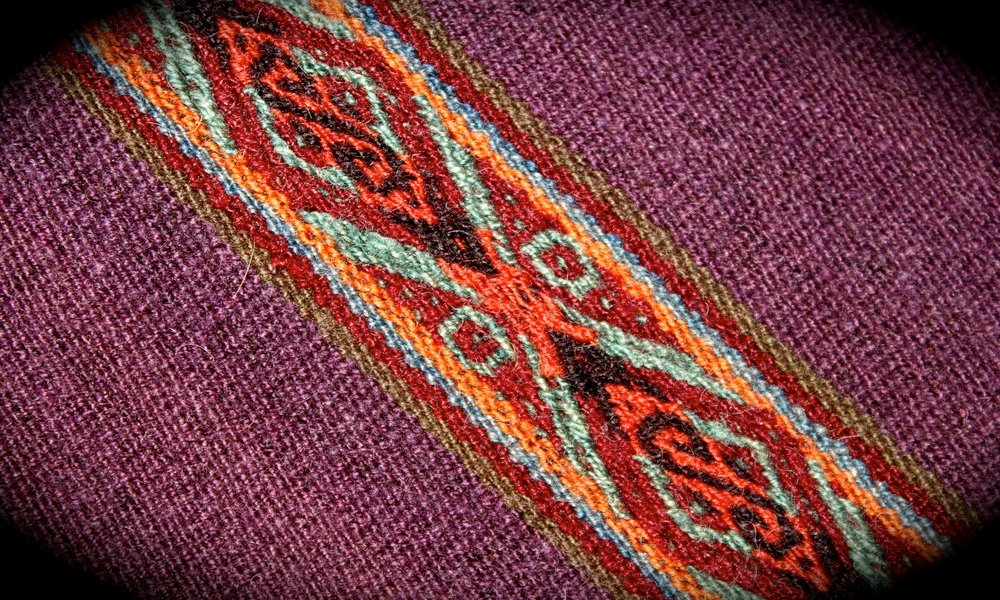
Natural dyeing: dyeing with vivid colors is the result of processes that can last for days, using elements such as cochineal (red), turmeric (yellow) or indigo (blue).
Cultural Significance
Each garment or blanket holds profound meaning , reflecting the Andean worldview, the relationship with Pachamama (Mother Earth), and the community’s history. Textiles are also symbols of local identity and pride , and their production strengthens the social and economic cohesion of the people.
Visitor Experience
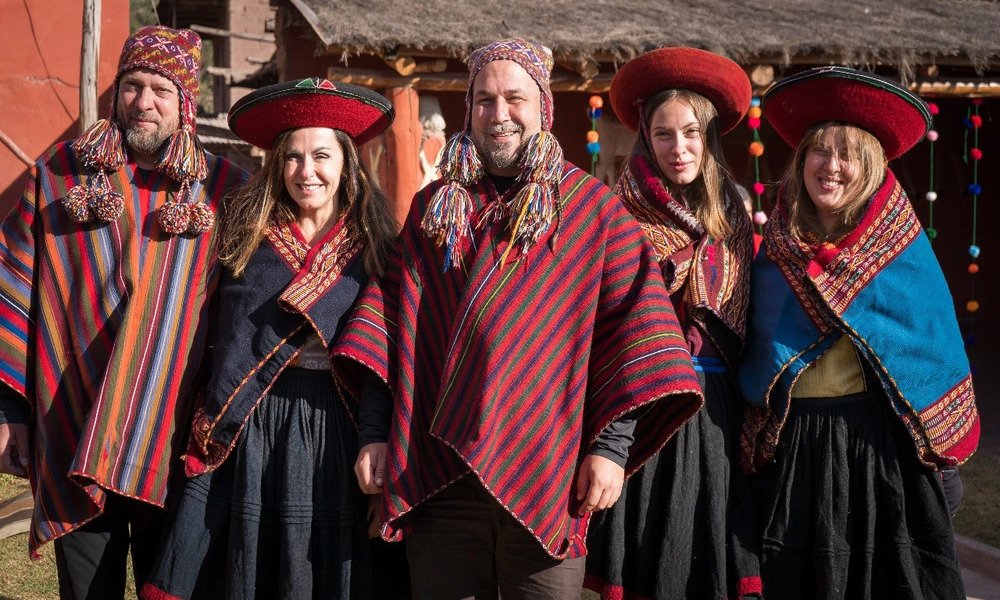
Visiting Chinchero allows you to learn directly from the artisans , see weaving and dyeing demonstrations, and even participate in hands-on workshops . It’s a unique opportunity to appreciate the skill and creativity of the locals and acquire authentic pieces that carry centuries of history.
Economy and Sustainability
Textile production is a primary source of income for many families in Chinchero. Furthermore, artisans prioritize sustainable techniques , such as using natural dyes and local fibers , avoiding chemicals that harm the environment. This allows them to maintain tradition and care for the land , respecting the Andean worldview of harmony with nature.
Innovation Within Tradition
Although the methods are ancient, many artisans in Chinchero are experimenting with new designs and products for the modern market, such as scarves, bags, and accessories. This allows them to adapt to tourism and international sales without losing the cultural essence of their weaving.
Living Heritage
Chinchero is considered a center of cultural preservation . The textiles here are not only created for sale or use, but also teach Andean history and mythology , displaying symbols such as Inti (the Sun) , Pachamama , and geometric patterns representing mountains, rivers, and sacred animals.
Rites and Celebrations
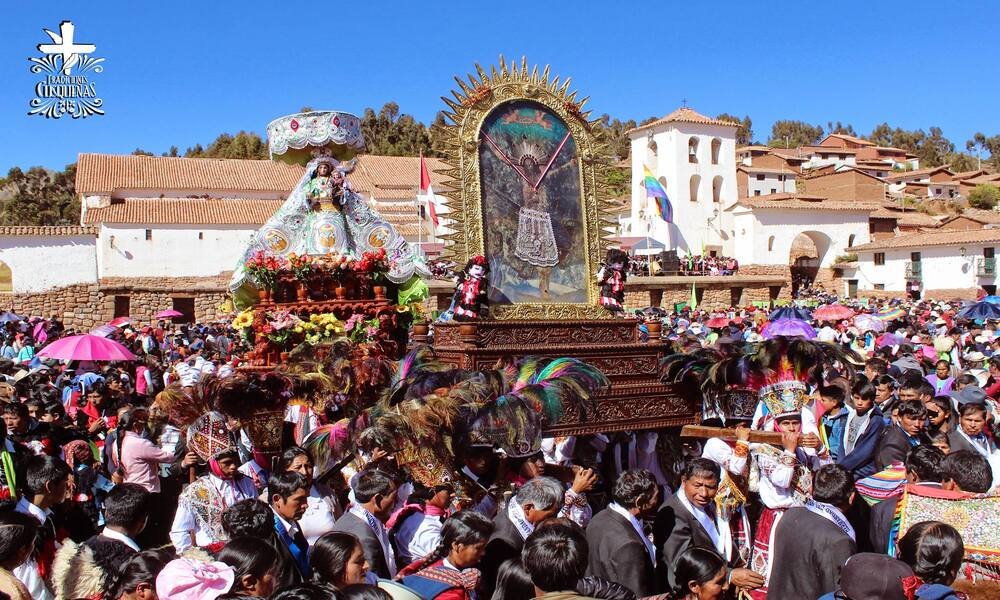
In some local festivities, such as the Feast of Our Lady of Mount Carmel or agricultural celebrations, textiles are used as ceremonial attire , demonstrating the integration of daily life, spirituality, and art. Handmade garments reinforce the community’s identity and its connection to its ancestors.
Responsible Tourism
Visiting Chinchero means learning to appreciate handcrafted work and respecting the artisans , avoiding the purchase of cheap, mass-produced goods. By doing so, travelers directly support the local economy and contribute to the preservation of this ancient tradition.
Inspiration for modern art
The textiles of Chinchero have inspired contemporary designers and artists around the world. Their patterns, colors, and traditional techniques are a source of inspiration for fashion, interior design, and textile art, connecting Andean culture with global trends.
How to get to Chinchero
Chinchero is located about 30 km northwest of Cusco , in the Sacred Valley of the Incas. It can be reached by car, taxi, or organized tour , with a journey of approximately 45 minutes from Cusco. Many tours combine a visit to Chinchero with Pisac, Ollantaytambo, or Moray, including transportation and a guide.

It’s also possible to take shared taxis or minivans from Cusco, a cheaper option but with less flexible schedules. It’s recommended to leave early, wear comfortable clothing and a jacket (Chinchero is at an altitude of 3,762 m ), and bring cash to buy textiles in local workshops.
Conclusion
Chinchero is more than just a tourist destination; it’s a journey to the heart of Andean tradition , where textiles speak louder than words. Every thread, every color, and every pattern is a living testament to culture, art, and resilience . For those seeking to connect with the history and creativity of the Andes , Chinchero is a must-see.