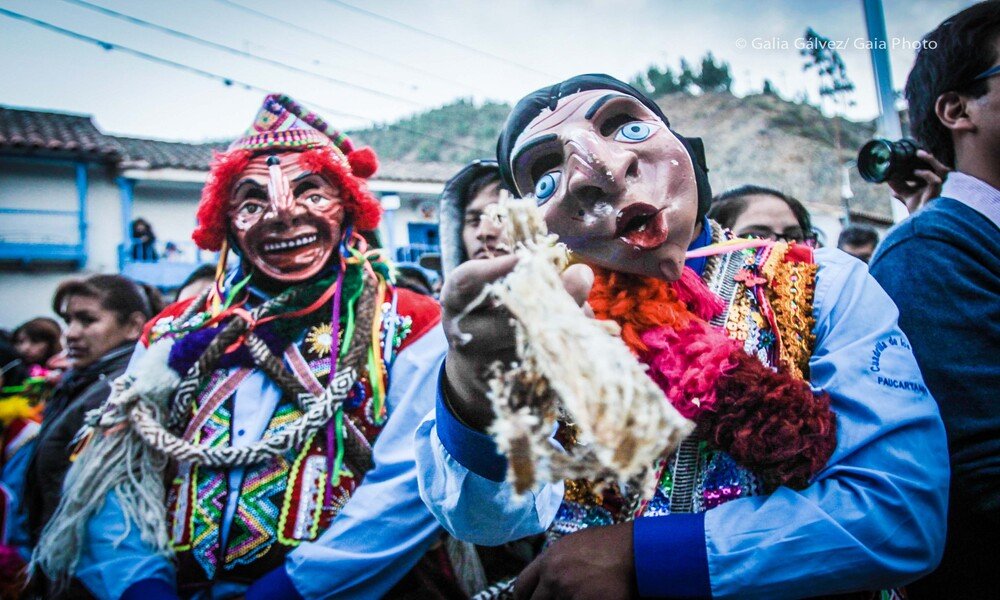
“Paucartambo: The Heart of Andean Celebrations”
Paucartambo, a picturesque district located in the Cusco region, is a place where tradition and joy intertwine on every corner. Recognized for its colorful festivities, especially the Fiesta de la Virgen del Carmen, this place transforms each year into a vibrant stage of music, dance, masks, and ancestral rites that reflect the rich Andean culture.
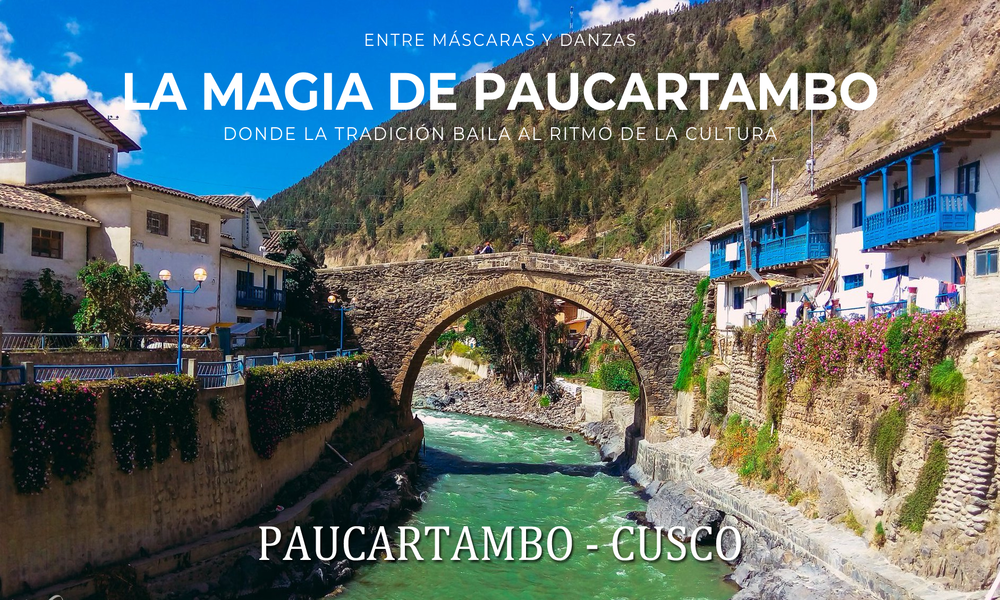
The celebrations of Paucartambo are not only an expression of faith and devotion, but also a living testament to the identity and history of its inhabitants, where every dance and every mask tells stories passed down from generation to generation. Exploring its festivities is to immerse oneself in a universe full of color, tradition, and emotion.
Paucartambo
Paucartambo is known as a cultural center that keeps ancestral Andean customs alive. Its population, mostly of Quechua origin, maintains languages, crafts, and traditional knowledge that are passed down from generation to generation. The local economy is based primarily on agriculture, with crops such as potatoes, corn, wheat, and vegetables, complemented by livestock farming and the sale of handicrafts.
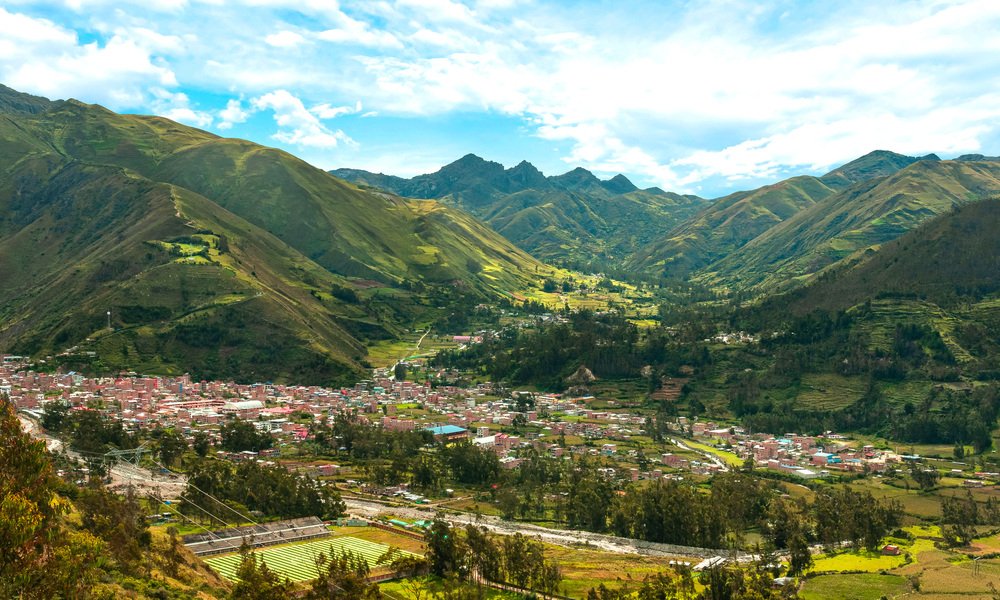
The town is known for its festivals, especially the Fiesta de la Virgen del Carmen, which combines religious rites and folkloric expressions, becoming a space for identity and community cohesion. Furthermore, its streets and squares reflect a daily life deeply rooted in tradition, with local markets selling typical products, textiles, ceramics, and regional foods.
The natural environment surrounding Paucartambo is another of its attractions, with valleys, rivers and mountains that provide impressive landscapes and opportunities for rural and cultural tourism.
Festival of the Virgin of Carmen
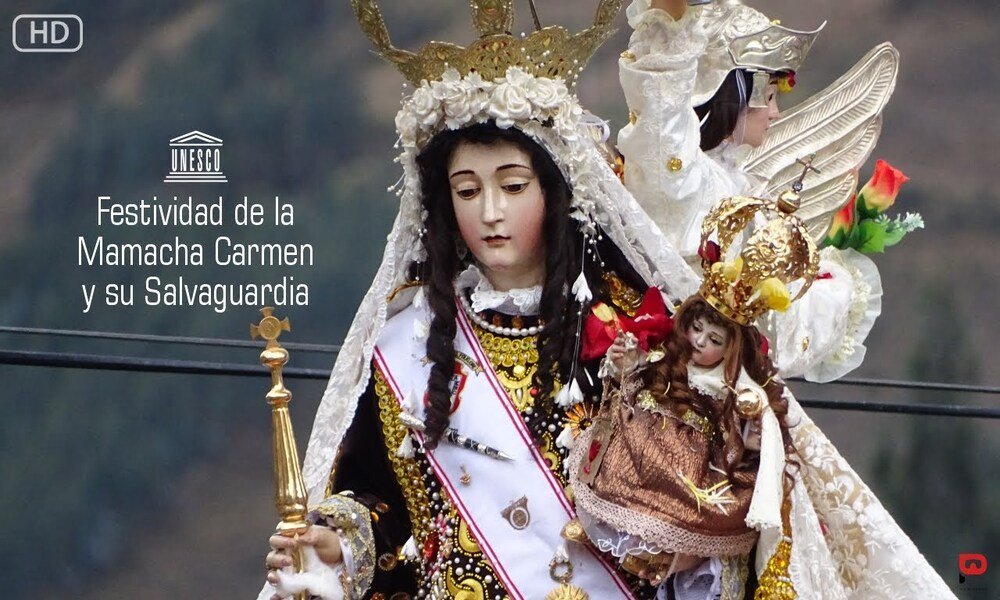
The most emblematic event in Paucartambo, Fiesta de la Virgen del Carmen, celebrated annually from July 15th to 18th, with July 16th being the main day. This festival represents a unique syncretism between Catholicism and Andean traditions, where devotion to the Virgen del Carmen (Mamacha Carmen) is expressed through processions, rituals, and dances steeped in ancestral symbolism.
During the celebration, the town’s streets transform into a spectacle of color, music, and joy, with troupes of dancers adorned in traditional costumes and masks representing historical, mythical, and supernatural figures. Among the best-known dances are the devils, the little black ones, the caporales, and the sicuris, each with its own meaning and ceremonial function, ranging from the protection of the community to the representation of the struggle between good and evil.
The festival is not only a cultural event, but also a moment of social cohesion and spirituality, where the local people actively participate and visitors can appreciate the richness of the local folklore. In addition to dances and processions, there are offerings, solemn masses, and artistic events that keep ancestral traditions alive.
Traditions and Dances
The Paucartambo festival is known for its diverse dances, each one rich in symbolism, history, and spiritual significance. In addition to the Negritos, Diablos, Caporales, and Khachapuris, there are other representative dances:
The little black ones: represent the mixture of cultures and colonial history.
Devils: They symbolize the struggle between good and evil.
The caporales and khachapuris: evoke ancient agricultural rites and community protection.
The sicuris: evoke rituals of the fertility of the land and the abundance of the crops.
The rogues: mischievous characters who represent social satire and criticism of former local authorities, adding a touch of humor and mischief to the festivities.
The rainbows: dances that symbolize the connection between the earthly and spiritual worlds, integrating cosmic elements such as the sun, the moon and the stars.
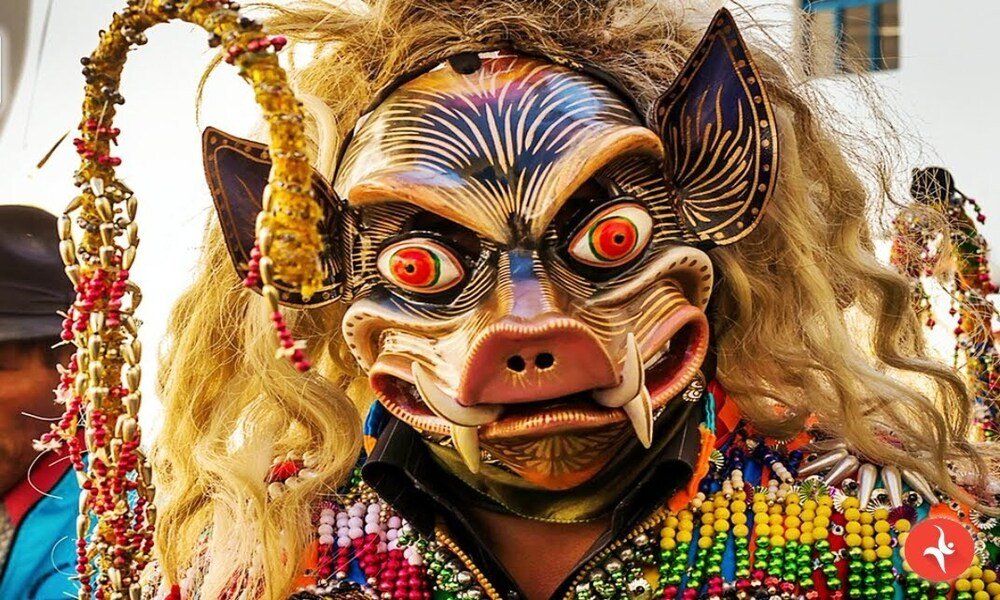
Each dance is performed with elaborate costumes and unique masks, many of them handmade from materials such as papier-mâché, wood, fabric, and natural paints. The masks represent figures and serve a ritual purpose, protecting the dancers and the community from negative influences according to Andean tradition.
Attractions and Heritage
Besides its famous festivals, Paucartambo offers a wealth of cultural and natural attractions that draw tourists from all over the world. Among its main attractions are:
The Colonial Temple of Our Lady of the Rosary: Built in the 17th century, this church not only houses the venerated image of the Virgin of Carmen, but also displays an interior decorated with Baroque paintings and altarpieces, reflecting the fusion of colonial art and local tradition.
The Carlos III Colonial Bridge: a witness to history, this 18th-century bridge connects different parts of the town and is an example of Spanish colonial engineering, as well as offering picturesque views of the river and the surrounding valley.
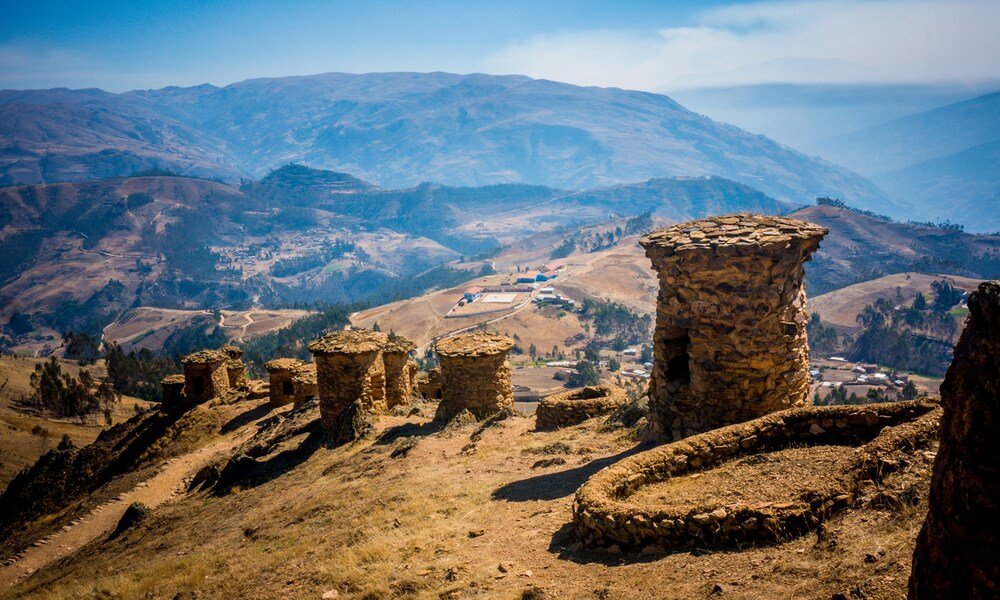
Archaeological sites: the chullpas of Ninamarca are pre-Incan funerary towers that show the ancestral Andean funerary tradition, while the Watoqto allows you to see remains of ceremonial structures and dwellings from ancient times.
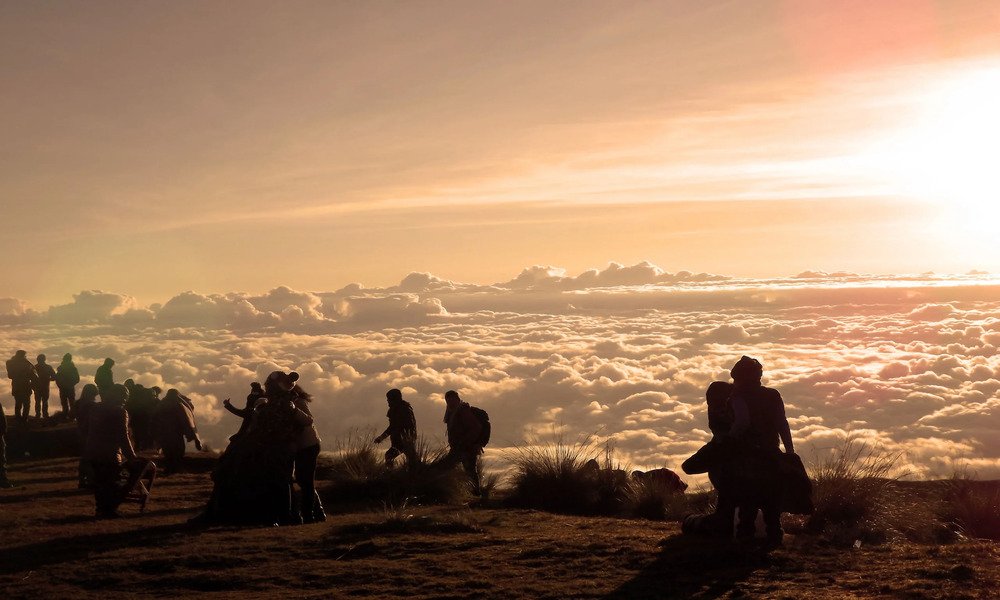
Tres Cruces viewpoint: a popular destination for nature and photography lovers, where visitors can enjoy spectacular panoramas of the valley and the Andes, especially during sunrise and sunset.
Ecotourism: the surroundings of Paucartambo allow for hiking, river exploration, bird watching and visits to rural communities, offering a complete cultural and natural immersion experience.
How to get there
From Cusco
Paucartambo is located approximately 106 km from Cusco, a 3- to 4-hour journey by private vehicle or tourist transport. The main route is the Cusco-Quillabamba highway, passing through Oropesa and Pilcopata. Shared taxis, buses, and minivans also depart daily from the Cusco bus station, providing an affordable and frequent option for visitors.
From Quillabamba
Another option is to travel from Quillabamba, located about 70 km from Paucartambo. This route offers mountain and jungle scenery, and buses and minivans depart several times a day, providing comfort and a more authentic rural experience.
Tourist Transportation and Alternative Routes
Many agencies in Cusco offer tours that include transportation, a guide, and visits to Paucartambo. For those seeking adventure, there are also trekking routes from nearby communities, although these require a local guide and good physical fitness.
Recommendations
Plan ahead: Book transport and accommodation, especially if you are visiting during the Virgen del Carmen Festival (July 15-18).
Appropriate clothing: Wear warm clothing for the evening and light clothing for the day, comfortable shoes, a hat, and sunscreen.
Respect traditions: Ask permission before photographing dancers or rituals and avoid interrupting ceremonies.
Take care of your health: Stay hydrated, avoid questionable foods, and consider the altitude when hiking.
Road safety: Drive with caution on mountain roads or use reliable local transportation.
Enjoy the local culture: Explore markets, crafts and gastronomy, and interact with the community for an authentic experience.
Conclusion
Paucartambo is a living testament to the richness of Andean culture, where history, faith, and traditions come alive in every celebration, dance, and ritual. Its festivals preserve ancestral traditions and celebrate local creativity.