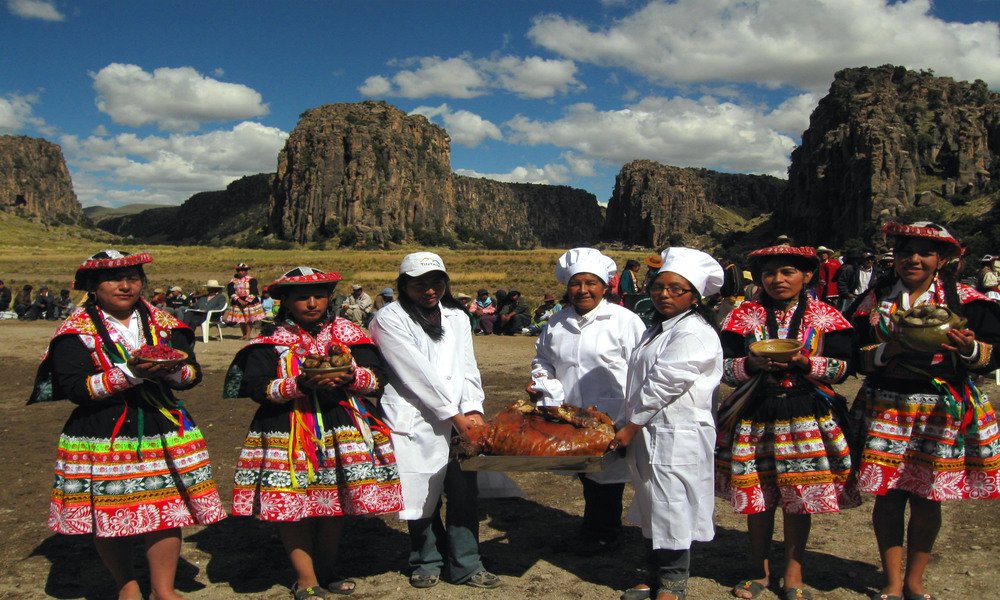
“Espinar: Andean Flavors and Landscapes That Captivate”
Espinar is a destination where the flavors of Andean cuisine blend with the majesty of its landscapes. Each dish tells a story of ancestral tradition and culture, while its mountains, valleys, and rivers offer breathtaking views.
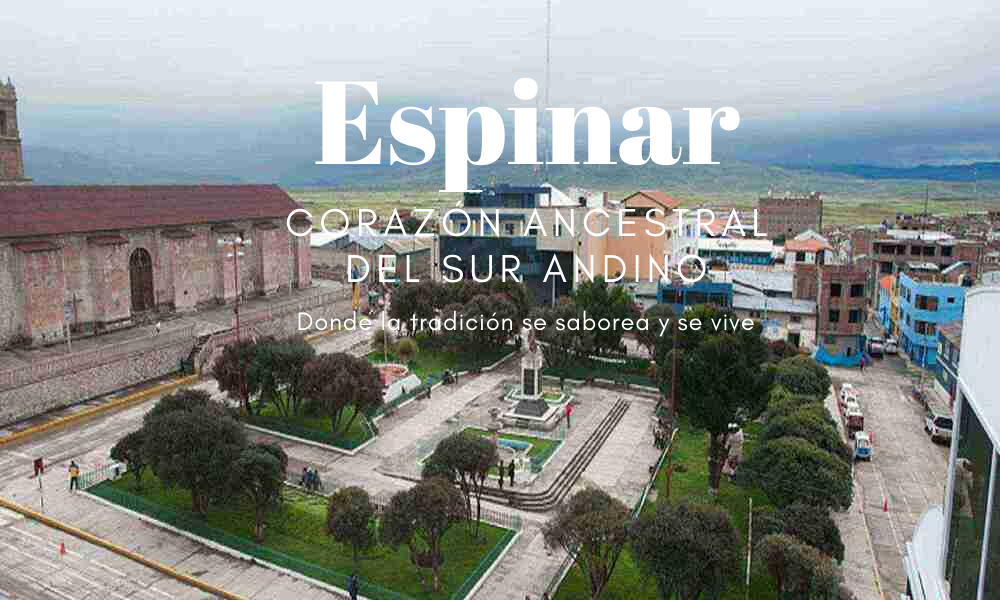
Exploring Espinar is immersing yourself in a world where cuisine, nature, and Andean identity meet, providing experiences that delight all the senses and make each visit unforgettable.
Espinar
It is a province located in the south of the Cusco department , also known as the K’ana Nation , with an average altitude of about 3,900 – 4,000 m above sea level and a strong presence of Quechua-speaking population and Andean traditions.
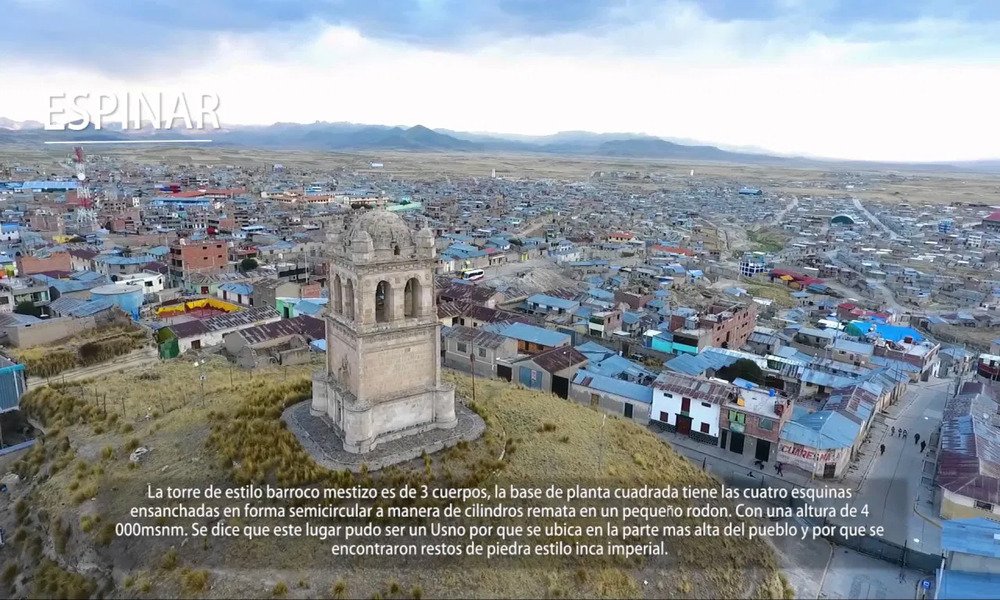
Its geography combines highlands, deep valleys, canyons and mountains that form natural settings of breathtaking beauty, making it an ideal destination for those seeking authentic experiences off the beaten tourist track.
Andean Gastronomy of Espinar
The Andean cuisine of Espinar is a living expression of its cultural identity, deeply linked to rural life, high-altitude livestock farming, and traditional agriculture . Its ancestral recipes have been passed down from generation to generation and are characterized by being nutritious, hearty, and adapted to the region’s cold climate .
Featured Dishes
Lamb head broth : a traditional, highly energetic dish prepared with Andean herbs, potatoes, and corn. It is commonly eaten in the mornings, especially after festive days or agricultural work.

Chuño cola or chuño chaqque: a thick and comforting soup made with chuño (freeze-dried potatoes), beef or lamb, and natural seasonings. It is ideal for coping with the low temperatures of the Altiplano.
Lamb Kankacho : one of the most representative dishes of the area. It consists of lamb marinated with chili peppers and local herbs, slowly baked and accompanied by native potatoes, salad and occasionally cheese.
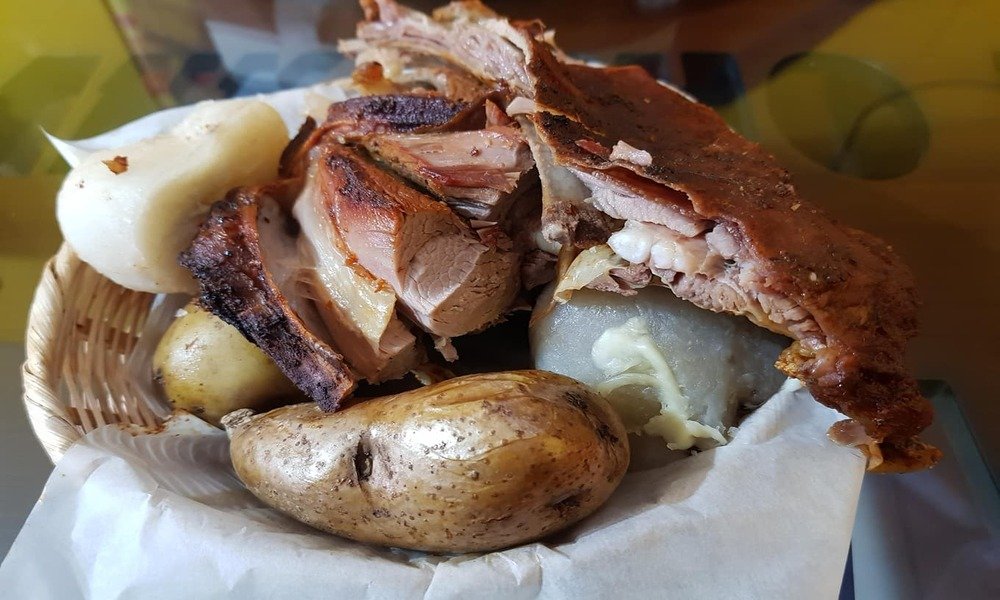
Roasted guinea pig and guinea pig stew : Guinea pig is an emblematic food of Andean culture, associated with celebrations and rituals. It is prepared fried, roasted, or in a stew, accompanied by potatoes and traditional sauces.
Chicharrón with mote and quinoa soup : classic combinations for breakfast or lunch in Espinar. The crispy chicharrón is accompanied by cooked mote and ají (hot sauce), while the quinoa soup provides protein and energy.
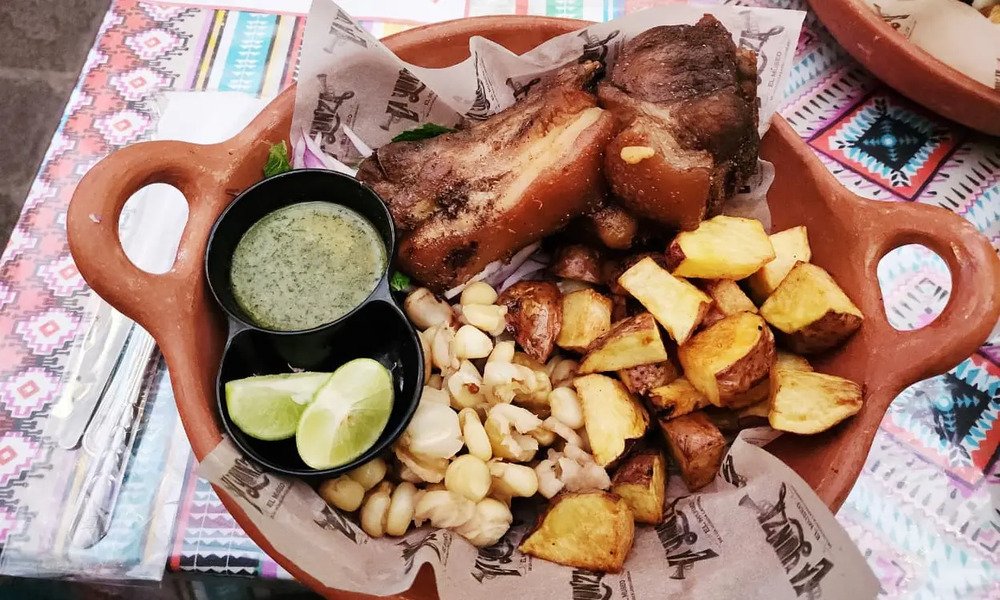
Humitas and causa espinareña : made from corn and potatoes, they reflect the local culinary creativity and the importance of these products in the daily diet.
Traditional Desserts and Beverages
Among the traditional sweets, the most notable are baked milk , rice pudding , picarones and purple corn pudding , prepared especially for festivities and gastronomic fairs.
The most emblematic beverage is chicha de jora , made through the fermentation of corn. This ancestral drink not only accompanies meals but also plays an important role in community celebrations and traditional rituals.
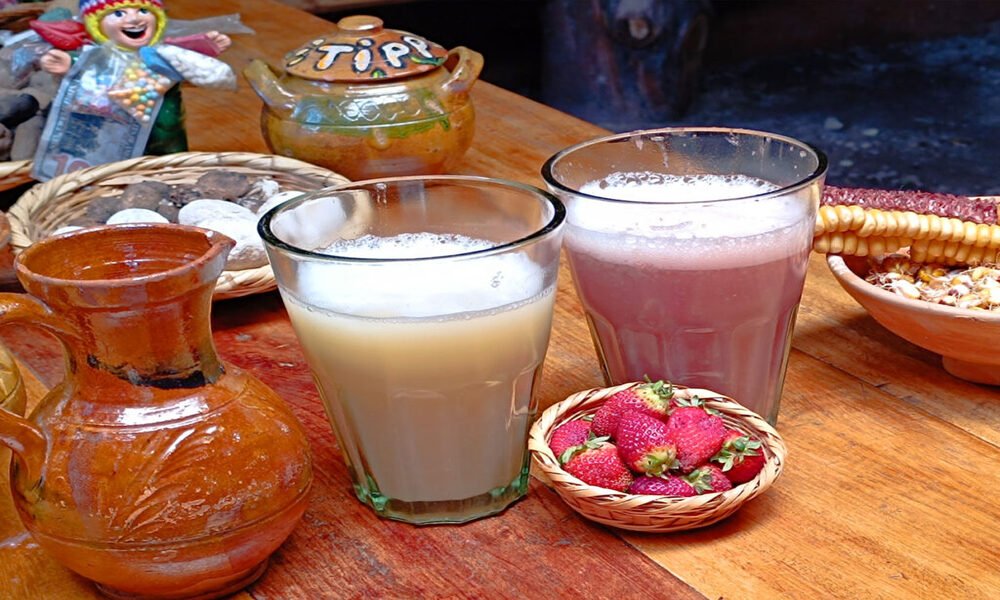
Tasting the gastronomy of Espinar is experiencing Andean culture in its most authentic state , where each dish reflects the history, the natural environment and the ancestral wisdom of its people.
Landscapes, Nature and Adventure
Espinar stands out for its spectacular high Andean landscapes:
The Three Canyons of Suykutambo : deep and scenic natural formations where several rivers converge, ideal for hiking and adventure sports such as canoeing or rappelling.
Pumacocha Lagoon : a crystal clear lake surrounded by mountains, perfect for hiking, bird watching and photography.
Canyons and valleys : the varied geography allows you to explore plateaus, rivers and pampas where alpacas and vicuñas graze, offering unique landscapes.
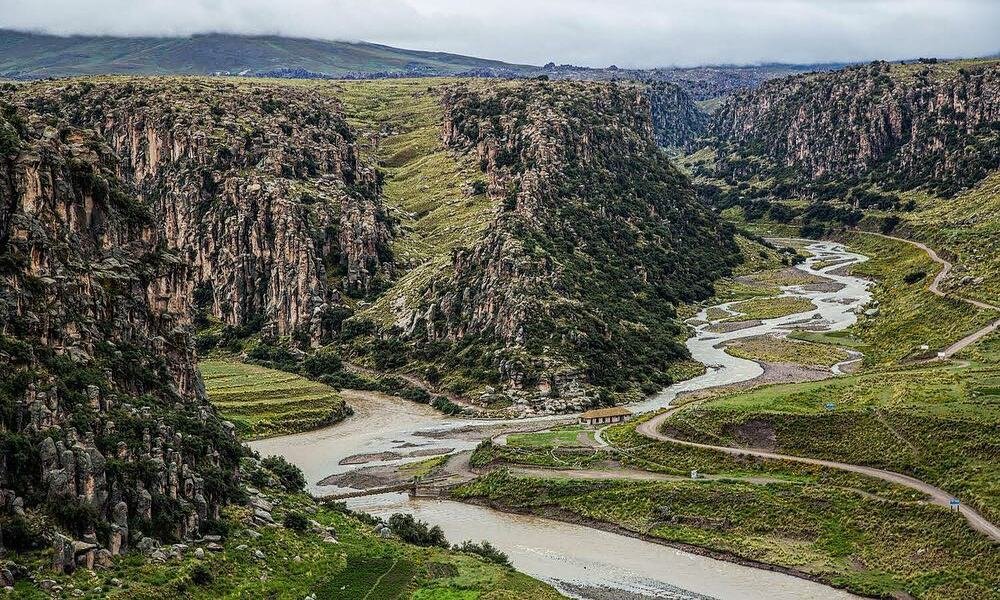
Nature and fauna: species such as the Andean condor and high Andean birds inhabit these ecosystems, making the area an excellent destination for nature tourism lovers.
Cultural Heritage and Sites of Interest
The province of Espinar preserves a rich ancestral heritage that reflects historical continuity from pre-Incan times to the colonial period. Its territory is home to diverse archaeological sites, historical monuments, and cultural spaces that demonstrate the region’s importance in the development of ancient Andean civilizations.
Kanamarca is one of the most representative archaeological complexes. Here, vestiges of the K’ana culture are preserved , a pre-Incan society recognized for its social organization and resistance against the Inca expansion. The site includes stone enclosures, plazas, and terraces, as well as oral traditions that still survive among the local population.
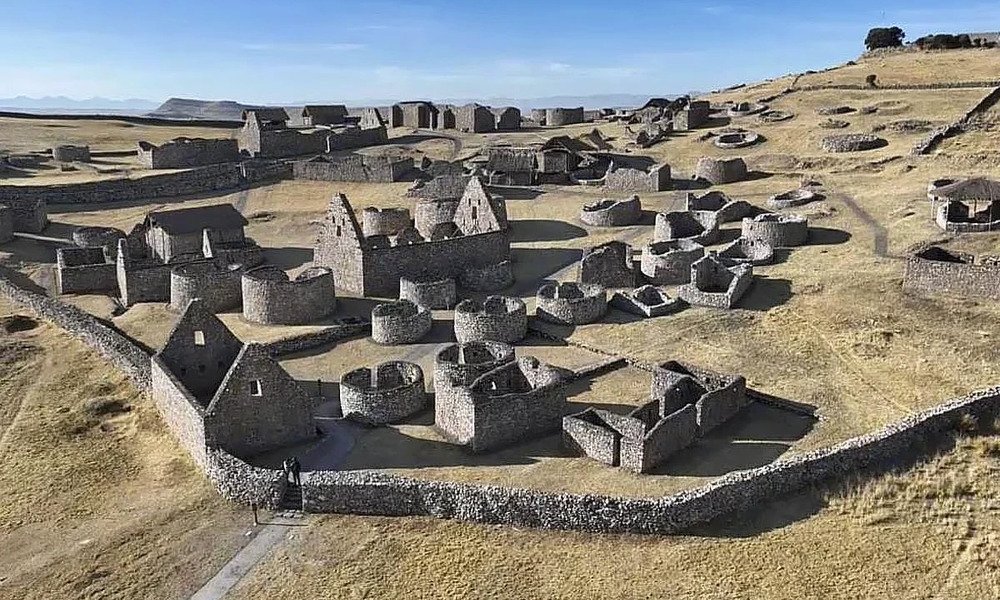
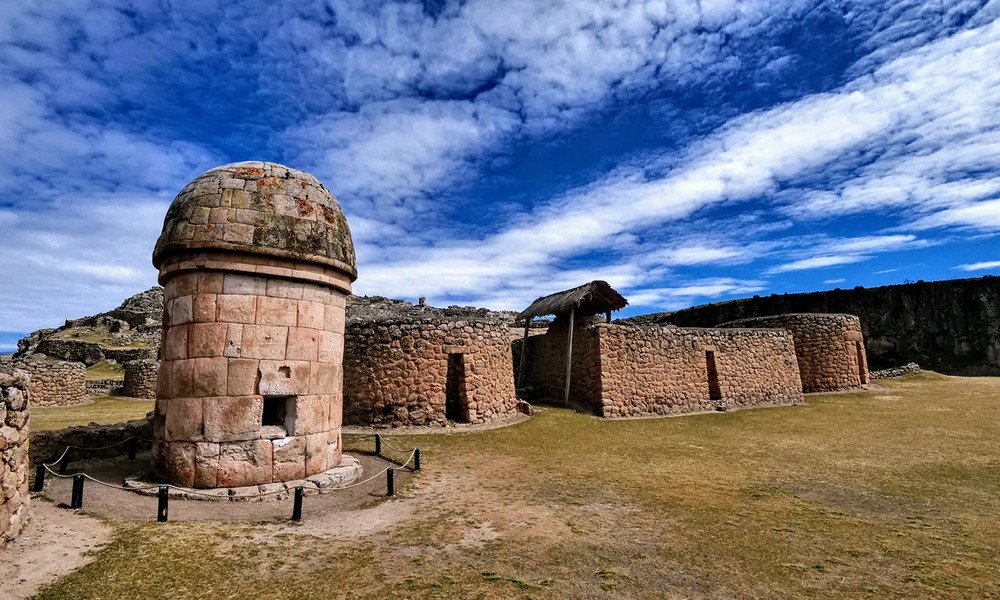
Mauk’allacta stands out as an important pre-Hispanic center, characterized by the presence of stone chullpas that provide evidence of ancestral funerary practices. This site allows us to understand the Andean worldview, ancestor worship, and the strategic use of territory in high Andean regions .
The Temple of Yauri represents the legacy of the colonial period. This historic building houses valuable works of religious art , wood carvings, and a remarkable silver altar , reflecting the evangelization process and the fusion of Andean and European cultural elements.
Mullu Q’awa , declared a National Cultural Heritage site, is another important archaeological site located in the highlands of the Alto Pichigua district. Itsstrategic location and the architectural remains found there suggest its ceremonial and defensive use, as well as its connection to ancient Andean roads and networks.
Participating in these places allows you to connect with the pre-Hispanic and colonial history of the region.
Living Culture and Traditions
The province celebrates several traditional festivities that reflect the Andean heritage, such as the Feast of the Three Kings (January 6), Santa Cruz (May 3) and the K’anamarca Festival in June , with ancestral dances, music and rituals.
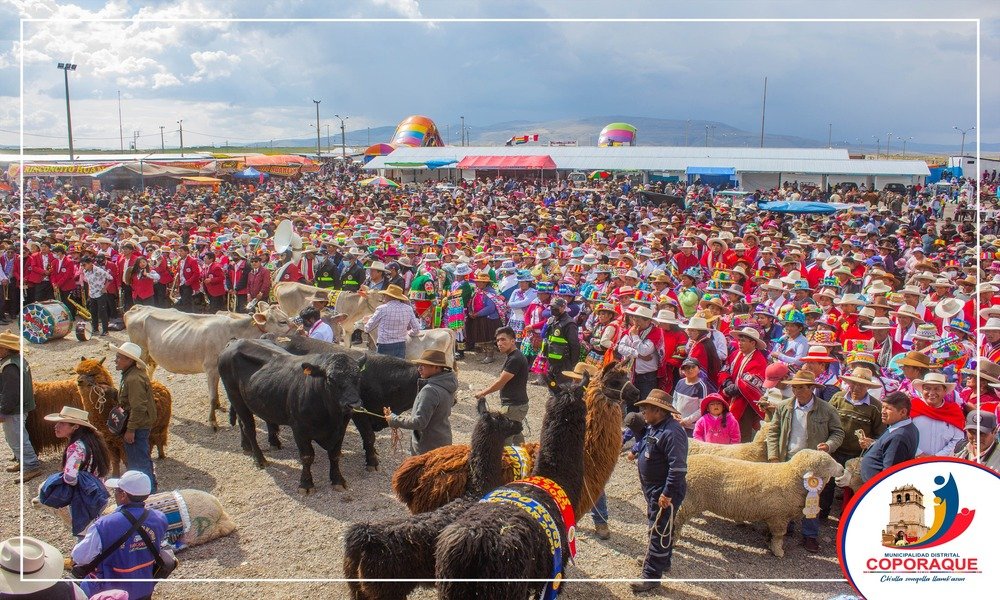
The Quechua language remains a fundamental part of the local identity , and traditional community practices such as minka or ayni are still observed in daily life.
How to Get There and Weather
Espinar is located approximately 236 km south of the city of Cusco and is accessible by road, connecting through Urcos and Sicuani to Yauri, its provincial capital. The climate is cold and dry , with frost at night and mild days during the dry season (April–October), which is the best time to visit the landscapes and enjoy outdoor activities.
Summary
Espinar is a high Andean destination that combines deeply traditional cuisine with stunning natural landscapes and a rich and diverse cultural heritage. Here, ancestral flavors and Andean panoramas come together to offer an authentic and memorable experience to those who wish to explore beyond Peru’s classic tourist routes.