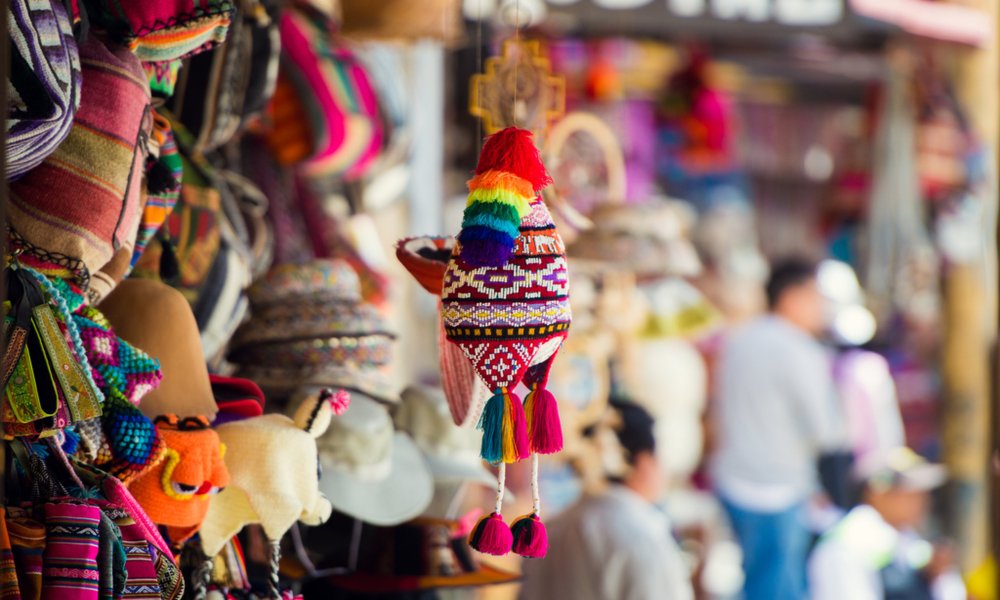
Aguas Calientes Handicraft Market
The Aguas Calientes Artisan Market is a must-see for anyone wanting an authentic souvenir of their visit to the region. Located in the heart of town, this colorful market brings together a wide variety of local crafts, from textiles and jewelry to handmade decorative objects.
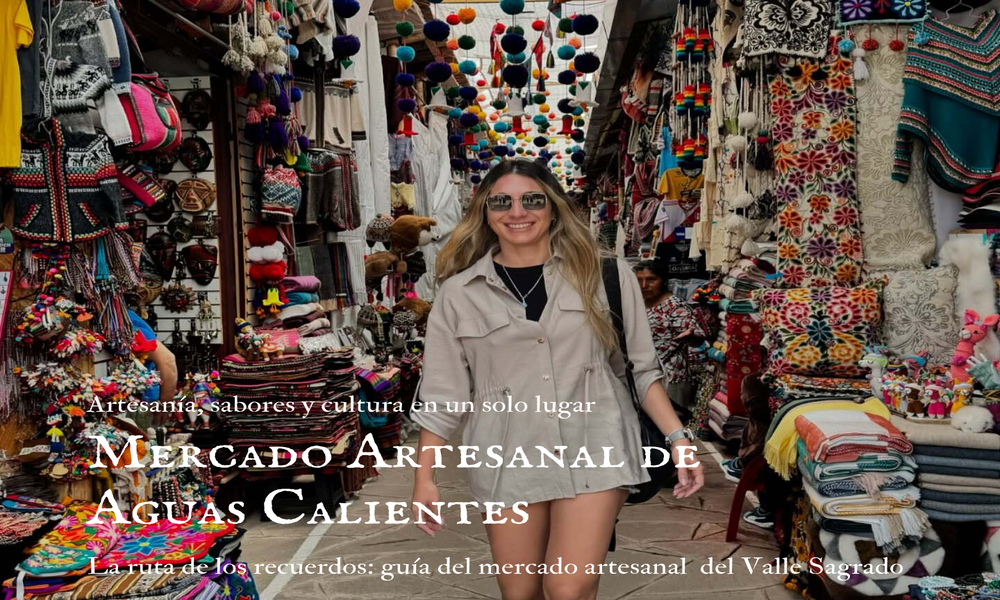
Besides being an ideal place to buy souvenirs, it is a window into the talent and tradition of Andean artisans, where each piece tells a story and reflects the cultural richness of the Sacred Valley.
The heart of Andean craftsmanship
If you’re looking for an authentic experience and an unforgettable souvenir of your visit to Machu Picchu, the Aguas Calientes Artisan Market is a must-see. This colorful market is located in the heart of town and has become one of the most vibrant and representative places in the area, where Andean tradition blends seamlessly with modern tourism.
What will you find at the market?
At the Aguas Calientes Artisan Market, you can find a wide variety of typical Peruvian and Andean products, with options for all tastes and budgets. Besides being an ideal place to buy souvenirs, it’s a space where the area’s rich cultural heritage is preserved and showcased. Among the most popular products are:
Textiles and traditional clothing
One of the market’s main attractions is the Andean textiles , which stand out for their exceptional quality , vibrant colors , and traditional designs imbued with meaning . These pieces are not just garments or accessories: they are the result of centuries of tradition, ancestral techniques, and a deep connection to nature and the cultural identity of the Andes.
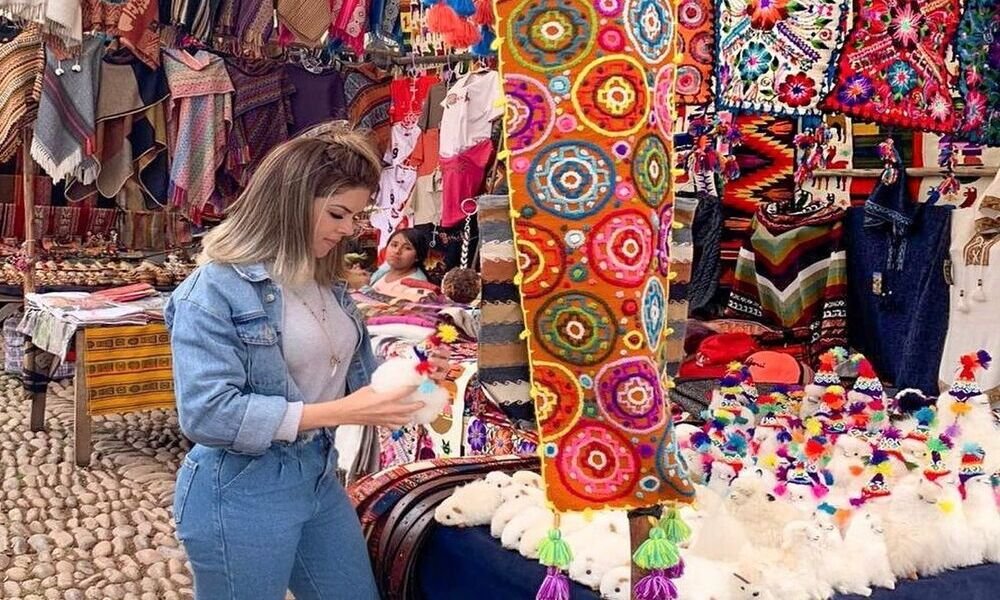
Ponchos and blankets : ideal for the cold climate of the area.
Chullos and hats : made with alpaca or vicuña wool, with typical Andean patterns.
Scarves and gloves : perfect to take as a souvenir or to use on your trip.
Tapestries and rugs : decorative pieces that reflect symbols of the Andean worldview, such as the chakana or the condor.
Tip: If you’re looking for an authentic garment, check the label and ask about the type of wool and its origin.
Jewelry and costume jewelry
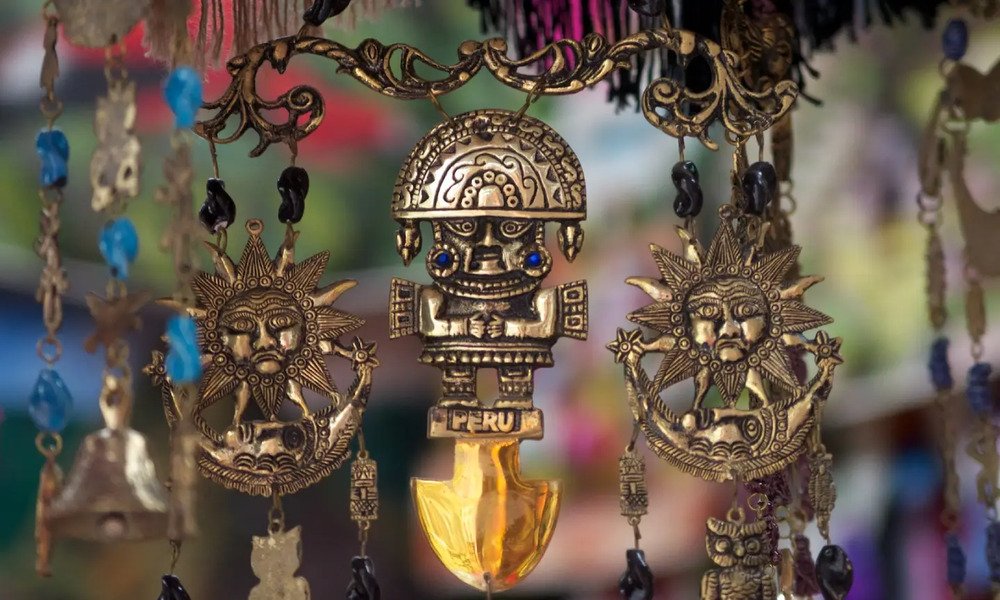
The market is an excellent place to find unique jewelry pieces, crafted with local materials and traditional techniques passed down through generations. Each accessory reflects Andean cultural identity, combining contemporary creativity with ancestral symbols that represent the region’s nature, worldview, and history. Furthermore, many of these designs are handmade by local artisans, giving them a special value and authenticity rarely found in conventional stores.
Bracelets, necklaces and earrings made with semi-precious stones such as turquoise, lapis lazuli or amethyst.
Silver jewelry with designs inspired by Inca culture.
Accessories with seeds, leather and natural fibers , perfect for a more bohemian style.
Souvenirs and handicrafts
If you’re looking for a small but meaningful souvenir, the market offers many options that capture the essence of Peru in simple yet symbolic objects. These items are ideal for packing in your suitcase without taking up much space, yet they possess authentic cultural value, as many are handmade and represent Andean identity through local colors, shapes, and materials.
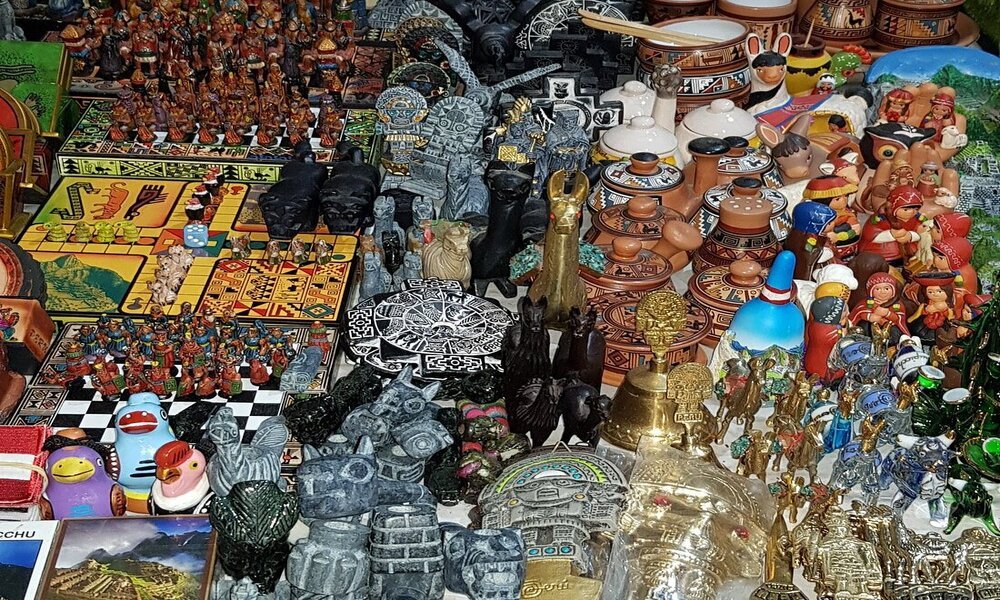
Magnets, keychains and postcards with images of Machu Picchu and the Sacred Valley.
Figures carved in wood of Andean animals such as llamas, alpacas or condors.
Ceramics and stone crafts with traditional motifs.
Masks and decorative items inspired by Andean mythology.
Natural products and traditional foods
The market is also an excellent place to sample authentic regional flavors, as it brings together local products that reflect the agricultural and culinary diversity of the Andes. In addition to being a space for handicrafts, the market functions as a small gastronomic center where aromas, colors, and textures typical of the area mingle.
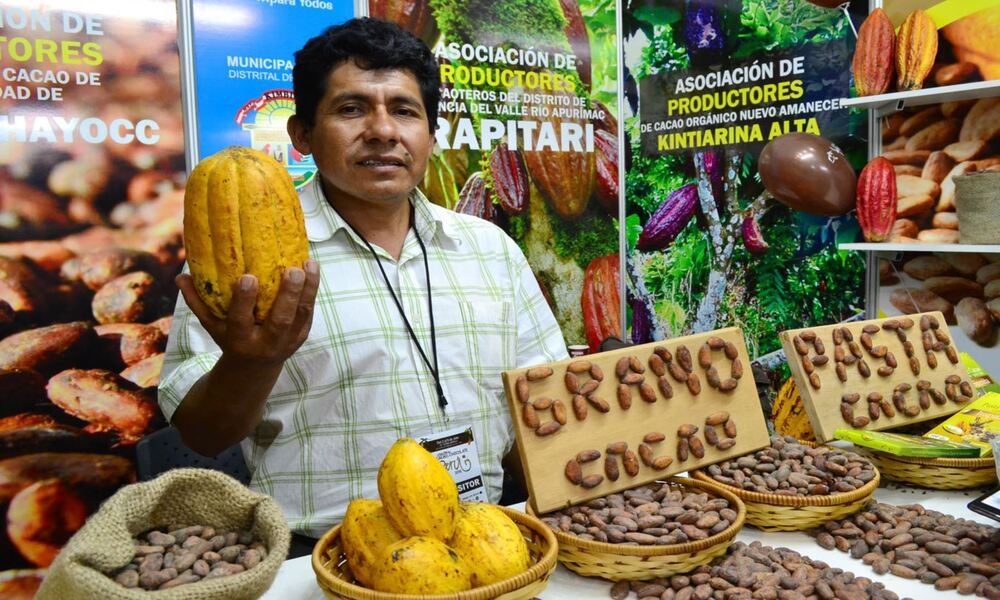
High quality coffee and cocoa , grown in the area.
Medicinal herbs and teas such as muña, coca leaf or manzanillo.
Honey and organic products from small local producers.
Andean snacks such as puffed quinoa, chia, or toasted corn.
Why is it such a special place?
More than just a place to buy souvenirs, the market is a cultural space where the talent of local artisans is showcased. Each piece is full of symbolism: the colors, patterns, and techniques used reflect the history, worldview, and ancestral traditions of the Andes.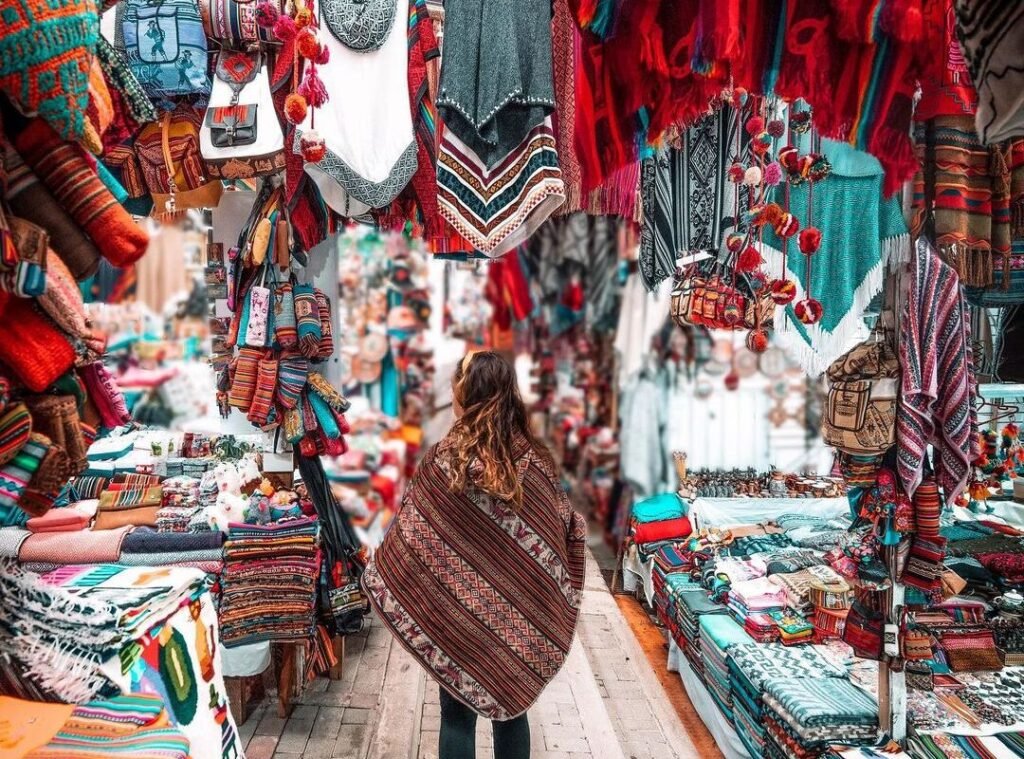
In addition, the market is a perfect spot for:
Interact with local artisans : learn about their stories, their work and the inspiration behind each creation.
Negotiating prices : here, haggling is part of the experience, always with respect and good energy.
Discover authentic products : many pieces are made directly by artisans from the region, guaranteeing quality and originality.
The influence of nearby communities
Many of the handicrafts come from communities in the Sacred Valley, such as Ollantaytambo, Pisac, Urubamba, and Chinchero , where textile traditions and silversmithing remain strong. This makes the market a cultural bridge between Machu Picchu and other Andean regions.
When is the best time to go?
The market is open most of the day, but the best time to visit is in the morning or early afternoon , when there’s a wider variety of products and fewer tourists. It’s also ideal to visit after your trip to Machu Picchu, as a perfect way to end your Sacred Valley experience.
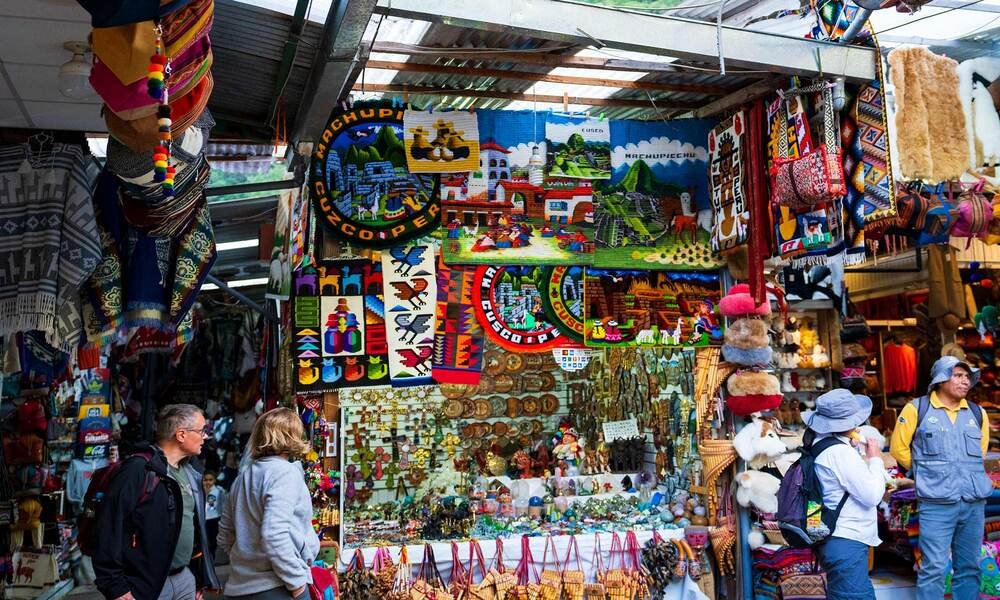
How to get to the Aguas Calientes Artisan Market
Getting to the market is very easy, as it’s located in the town center. From the train station , it’s just a 5–10 minute walk . You can also reach it from the main bridge or any hotel in the center in just a few minutes, following the signs and the flow of tourists.
Practical Tips
To make the most of your visit, here are some helpful tips:
Bring cash : although some stalls accept cards, most operate on cash.
Haggle respectfully : haggling is common, but always with a friendly attitude.
Check the quality : ask about the materials and origin, especially in textiles and jewelry.
Visit different stalls : prices and variety can vary greatly from place to place.
Buy with intention : If you want to support artisans, look for handmade products and avoid mass-produced items.