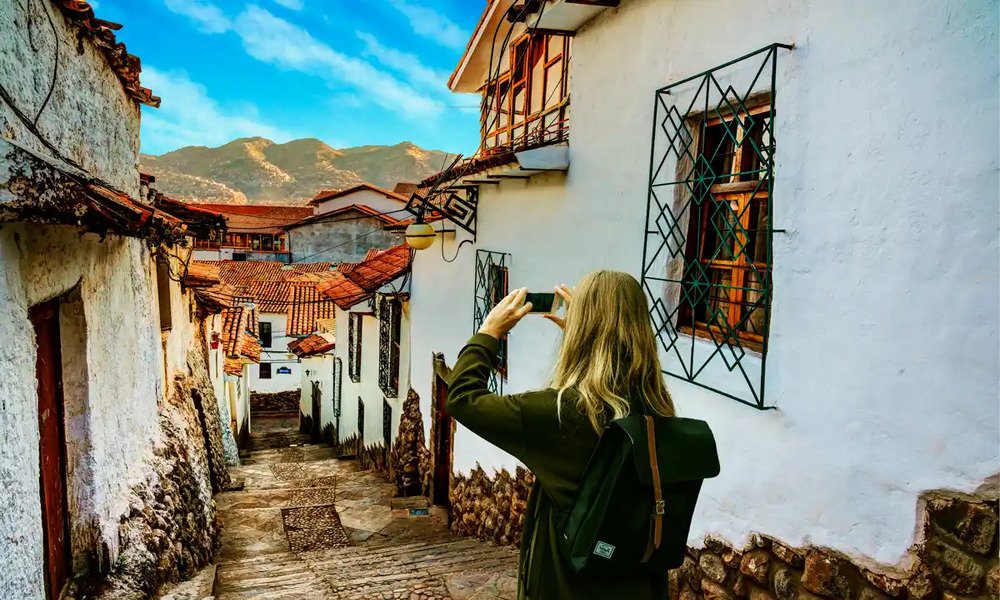
San Blas neighborhood in Cusco: art, history, and unique views
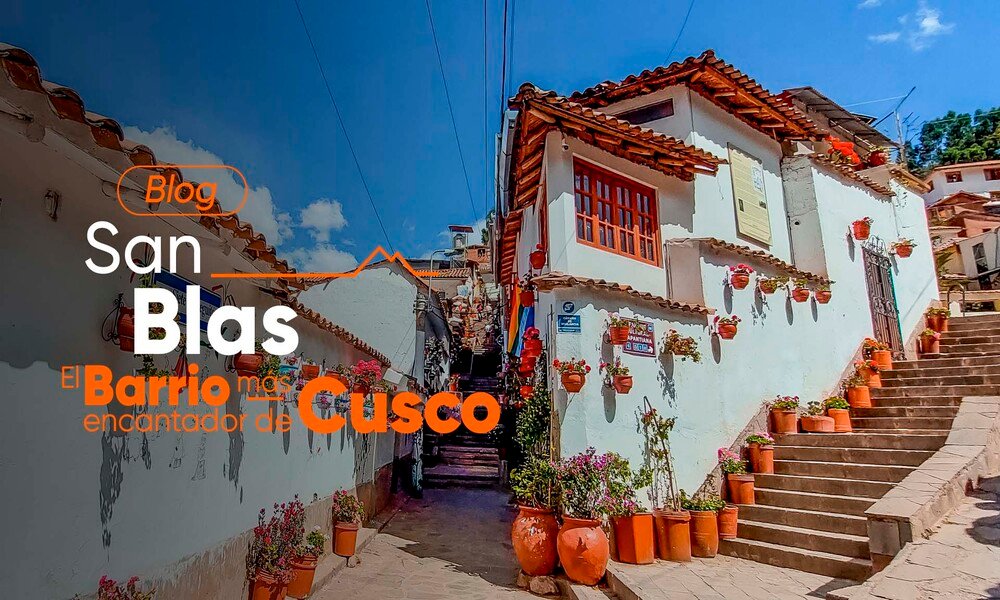
The San Blas neighborhood in Cusco is one of the city’s most traditional and culturally rich areas. Located in an elevated part of the historic center, this neighborhood combines history, art, and a bohemian atmosphere, making it a must-see for both domestic and international visitors. Its narrow, cobblestone, and steep streets preserve the original Inca urban layout, later adapted during the colonial era.
Since pre-Hispanic times, San Blas has been an area inhabited by skilled artisans. This creative spirit continues to this day. Today, the neighborhood is home to artists’ studios, art galleries, craft shops, cultural cafes, and small restaurants. All of this creates a tranquil and authentic atmosphere, quite different from the fast pace of other parts of Cusco.
The neighborhood also stands out for its historical significance. During the colonial period, it was established as an Indigenous and mestizo parish. Within this context, churches, houses, and public spaces were built, many of which are still preserved. The Church of San Blas, for example, is renowned for its carved wooden pulpit, considered a masterpiece of Andean colonial art.
History and origin of the San Blas neighborhood
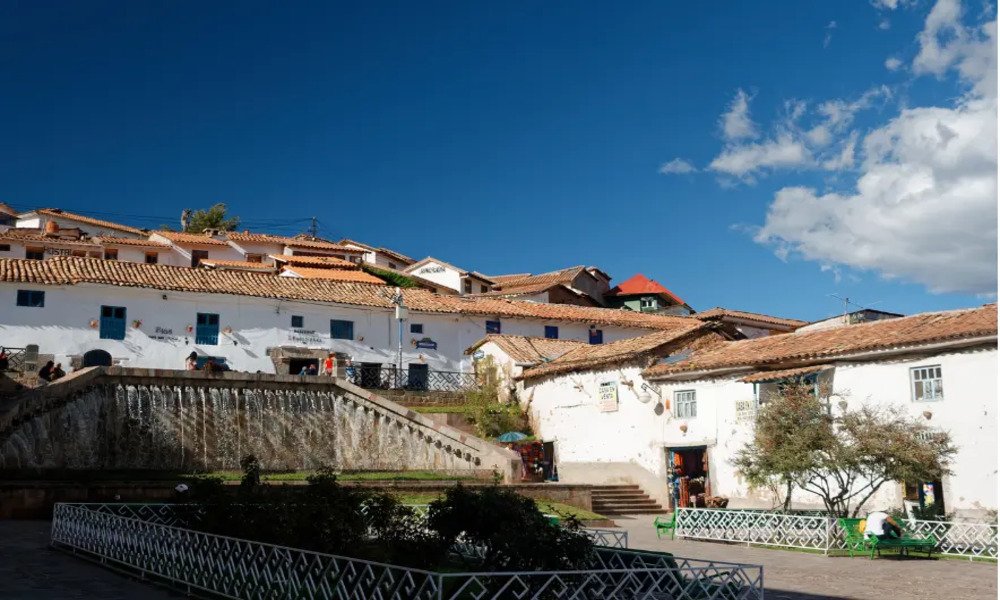
The San Blas neighborhood is one of the oldest areas of Cusco, with origins dating back to pre-Hispanic times. Before the arrival of the Spanish, this area was part of the Inca urban layout and played a vital role in the city’s social and economic organization. Its historical development allows us to understand how Cusco transformed without losing its cultural essence.
Inca origin and artisanal function of the neighborhood
During the Inca period, present-day San Blas was known as T’oqokachi, an area primarily dedicated to artisans. Specialists in stonework, ceramics, and other trades essential to the Inca state lived in this zone. Its proximity to the political and religious center of Cusco facilitated the control and organization of these productive activities.
The neighborhood’s urban design was the result of careful planning. The narrow, cobbled streets followed the natural topography of the land, allowing for better drainage and greater stability. Many of these paths retain their original structure to this day, demonstrating the continuity of Inca urban planning within modern Cusco.
This artisanal tradition did not disappear over time. On the contrary, it became one of the neighborhood’s most defining characteristics. The Inca heritage laid the foundation for San Blas to consolidate itself as a creative and cultural hub, an identity that remains alive today.
Colonial Transformation and Urban Consolidation
With the arrival of the Spanish, the neighborhood underwent a significant transformation. Colonial houses, temples, and plazas were built upon the ancient Inca foundations. One of the most important elements of this period is the Church of San Blas, built in the 16th century as the religious center of the indigenous parish.
During the colonial era, San Blas became a space where Indigenous and mestizo inhabitants coexisted. This cultural mix influenced the neighborhood’s architecture, art, and customs. The colonial houses, many built upon Inca walls, reflect this historical fusion that characterizes Cusco.
Over the centuries, the neighborhood has managed to adapt to urban changes without losing its identity. Today, a walk through San Blas reveals how Inca, colonial, and contemporary elements coexist in the same space. This historical continuity is one of the reasons why the neighborhood holds such high cultural and heritage value within the city.
Must-see places to visit in the San Blas neighborhood
The San Blas neighborhood concentrates several points of cultural, historical, and scenic interest within a small area. This allows visitors to explore different attractions in a short time and enjoy a varied experience. Each place offers a different perspective on the neighborhood and the identity of Cusco.
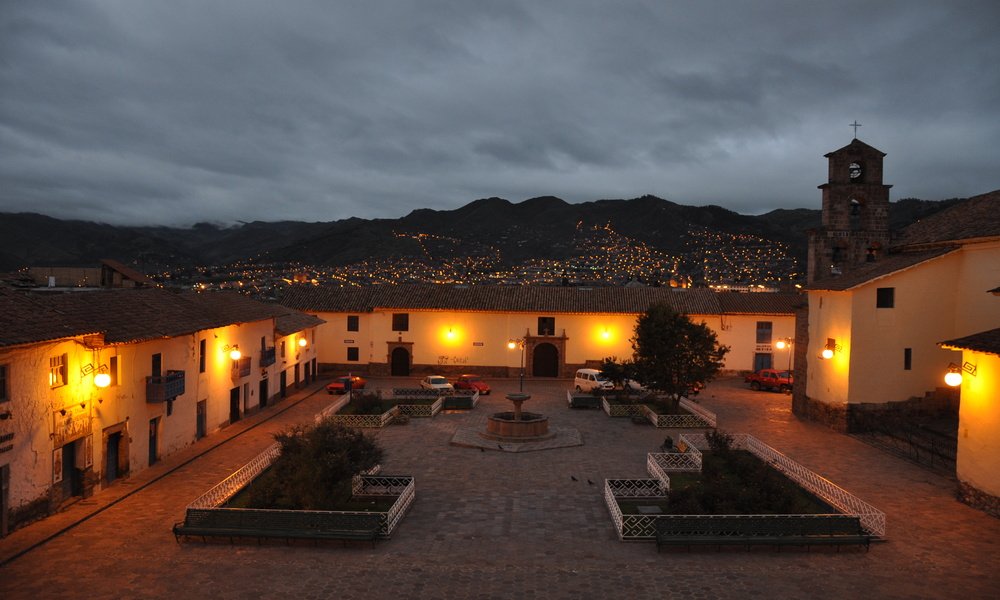
Plazoleta e Iglesia de San Blas
The San Blas Plaza is the social and cultural heart of the neighborhood. This open space is located in front of the San Blas Church and serves as a meeting point for both residents and visitors. Its tranquil atmosphere allows visitors to relax, observe local life, and enjoy spontaneous cultural performances.
The Church of San Blas, built in the 16th century, is one of the most important colonial churches in Cusco. Inside, a carved wooden pulpit is preserved, considered a masterpiece of Andean colonial art. This element reflects the fusion of European techniques with indigenous creativity.
A visit to this complex allows one to understand the religious and community role of the neighborhood throughout history. Furthermore, the small plaza offers a partial view of the historic center, making it a must-see stop on any tour of San Blas.
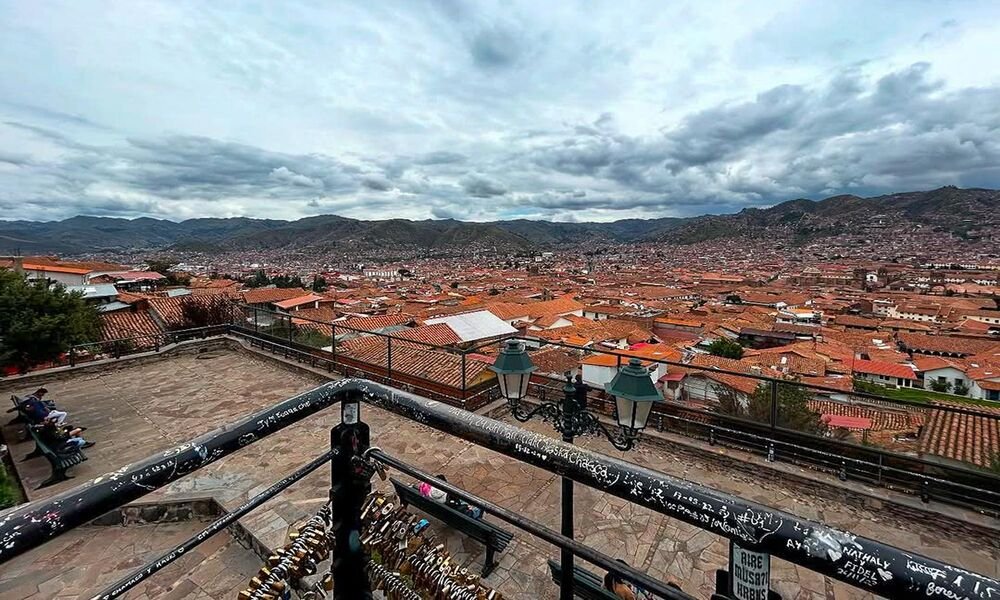
Calle Carmen Alto y mirador natural
Carmen Alto Street is one of the most iconic and photogenic streets in the San Blas neighborhood. Its cobblestone path and gentle slope lead to higher ground, offering panoramic views of Cusco. This street maintains a tranquil atmosphere and is less crowded than other areas of the historic center.
Along Carmen Alto, you’ll find small art galleries, cafes, and traditional houses. These elements reinforce the neighborhood’s bohemian character and offer a more intimate experience of local life. The route invites you to stroll at a leisurely pace and discover architectural and landscape details.
At the end of the trail, visitors reach a natural viewpoint offering a sweeping panorama of the city and the surrounding mountains. This spot is ideal for photography and contemplation, especially at sunset. Carmen Alto is thus establishing itself as a key location for enjoying the urban landscape from San Blas.
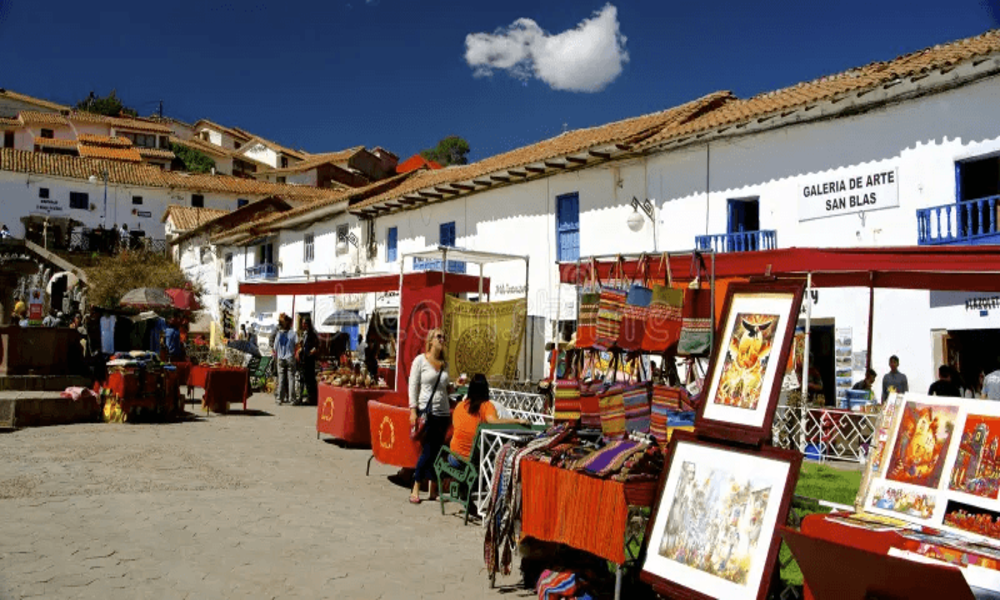
Centro Artesanal de San Blas
The San Blas Craft Center is one of the most representative places to discover the work of local artists and artisans. It houses workshops and small shops showcasing ceramics, paintings, textiles, and jewelry. Each piece reflects traditional techniques adapted to contemporary styles.
This center allows visitors to observe the creative process up close and speak directly with the artisans. This interaction enriches the tourist experience, as it provides insight into the cultural significance of each piece and the effort involved in its creation.
Visiting the San Blas Artisan Center also contributes to the neighborhood’s economic development. Buying directly from artisans supports local artists and promotes the preservation of ancestral knowledge. For this reason, this space is considered a key stop for those seeking an authentic souvenir of Cusco.
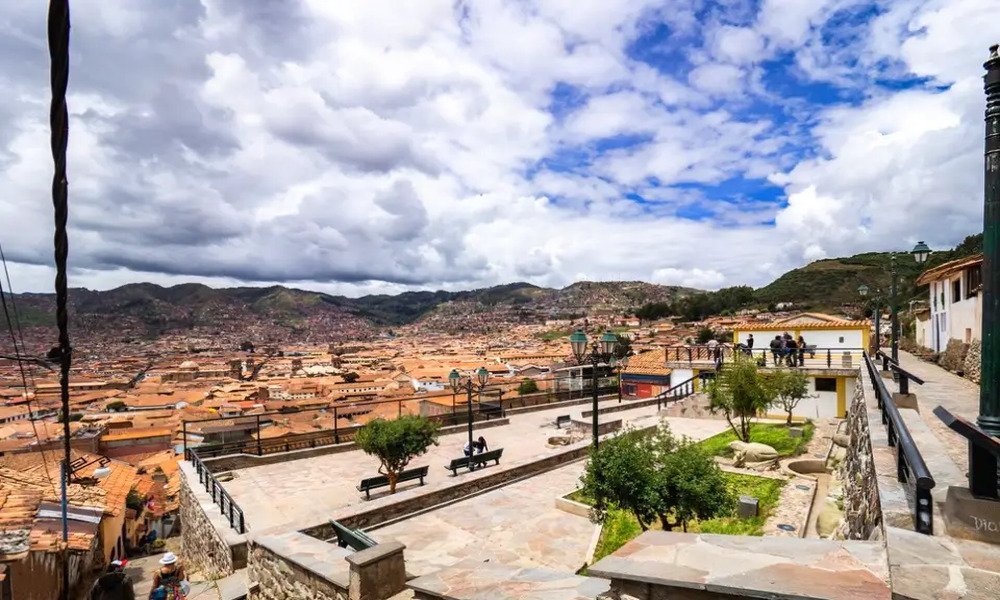
Mirador de San Blas (Calle Tandapata)
The San Blas viewpoint, located in the upper part of Tandapata Street, is one of the neighborhood’s lesser-known but most attractive spots. From here, you get a sweeping view of Cusco, with a perspective different from that of other, more crowded viewpoints.
Access to the viewpoint is via steep, quiet streets, reinforcing the feeling of being far removed from the tourist bustle. This route allows you to observe traditional homes and everyday spaces of the neighborhood’s residents.
The viewpoint is ideal for those seeking moments of calm and contemplation. At sunset, the cityscape is bathed in warm tones that enhance the beauty of Cusco. This place thus becomes a special spot for photography and connecting with the surroundings.
Art, creativity and cultural life in San Blas
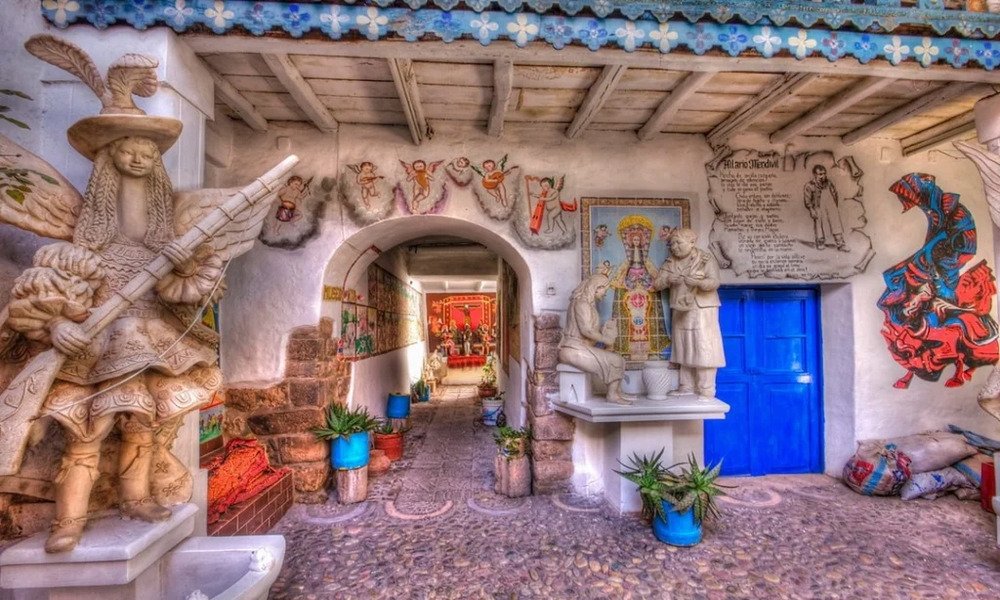
The San Blas neighborhood is recognized as the artistic heart of Cusco. Its creative atmosphere is reflected in every street, where art is an integral part of daily life. This neighborhood not only preserves history but also fosters contemporary cultural expressions that strengthen its bohemian identity.
Craft workshops and local artists
San Blas is home to numerous artisan workshops where local artists work with both traditional and modern techniques. These spaces are used to create ceramics, paintings, sculptures, jewelry, and textiles. Many of these artisans continue practices inherited from previous generations, adapting them to new styles and audiences.
The presence of workshops open to the public allows for direct interaction between artists and visitors. This proximity fosters an authentic cultural experience, as travelers can observe the creative process and learn the meaning behind each piece. Furthermore, purchasing handicrafts directly contributes to local economic development and the preservation of traditional knowledge.
Art in San Blas isn’t confined to enclosed spaces. Murals, architectural details, and small artistic interventions appear in various corners of the neighborhood. These elements transform the urban space into an open-air gallery, where creativity blends seamlessly with the historical surroundings.
Cultural spaces, cafes and bohemian life
The cultural life of San Blas is enriched by its cafes, cultural bars, and small art centers. These spaces serve as meeting points for artists, residents, and visitors, hosting exhibitions, musical performances, readings, and other small-scale cultural activities.
The neighborhood cafes are known for their tranquil atmosphere and welcoming design. Many are located in restored historic buildings, reinforcing the connection between past and present. These spaces encourage conversation, contemplation, and cultural exchange, becoming an essential part of the San Blas experience.
Thanks to this combination of art, gastronomy, and culture, the neighborhood maintains a vibrant life throughout the day. San Blas presents itself as a space where creativity is not only observed but experienced. This cultural dynamism strengthens its tourist appeal and its value as a living, historic neighborhood within Cusco.
Viewpoints and panoramic views of the San Blas neighborhood
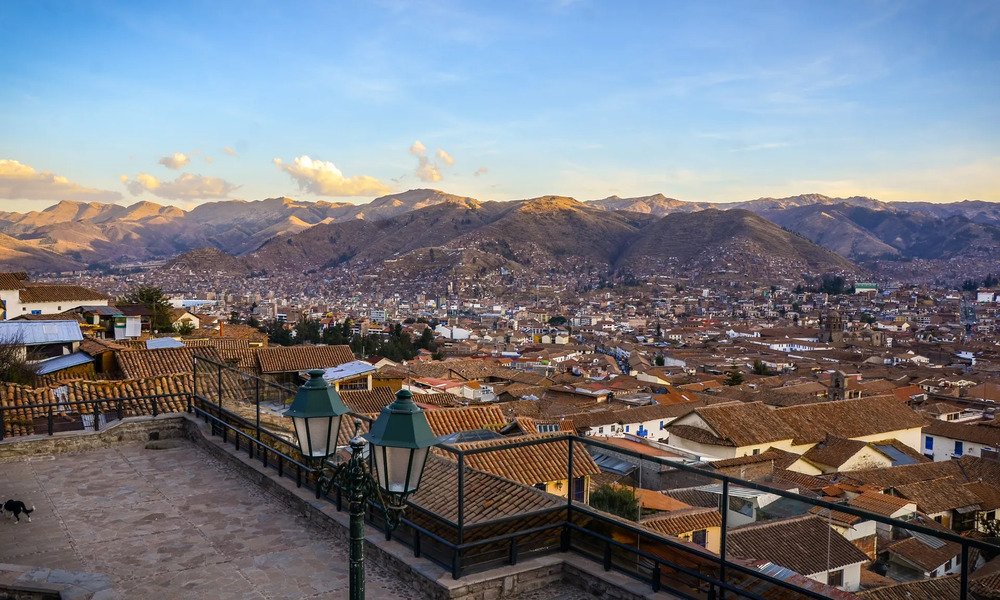
One of the greatest attractions of the San Blas neighborhood is its elevated location within Cusco’s historic center. This feature affords it some of the most privileged views of the city. From various points within the neighborhood, it’s possible to observe the urban layout, the colonial rooftops, and the mountains that surround the Cusco Valley.
Natural viewpoints and strategic points
San Blas boasts several natural viewpoints formed by its topography. Along its steep streets, small open spaces offer opportunities to pause and appreciate the scenery. These spots aren’t always signposted, encouraging visitors to discover them spontaneously as they wander.
From these viewpoints, you get a sweeping view of the historic center, including church domes, plazas, and traditional neighborhoods. During the day, the light highlights the colors of the colonial buildings. At sunset, the landscape transforms with warm tones, making San Blas an ideal spot for photography.
The tranquility of the surroundings allows visitors to enjoy the scenery without the intense noise of busier areas. This characteristic makes the neighborhood’s viewpoints spaces for contemplation and relaxation, highly valued by both tourists and local residents.
Photography, sunsets and visual experience
Sunsets in San Blas are one of the most cherished experiences for visitors to the neighborhood. Its elevated position allows one to watch the sun descend over Cusco, gradually illuminating the city. This phenomenon creates a unique visual experience that enhances the charm of the place.
Photography has become a popular activity in this area. Many travelers seek to capture panoramic images that reflect the harmony between architecture, landscape, and the Andean sky. San Blas offers ideal settings for urban photography, portraits, and landscapes.
Beyond its visual appeal, the neighborhood’s views foster an emotional connection with the city. Observing Cusco from San Blas allows one to grasp its historical and geographical significance. This experience reinforces the neighborhood’s value as a space that blends natural beauty, history, and urban life in a single location.
Route, access and visitor experience in San Blas
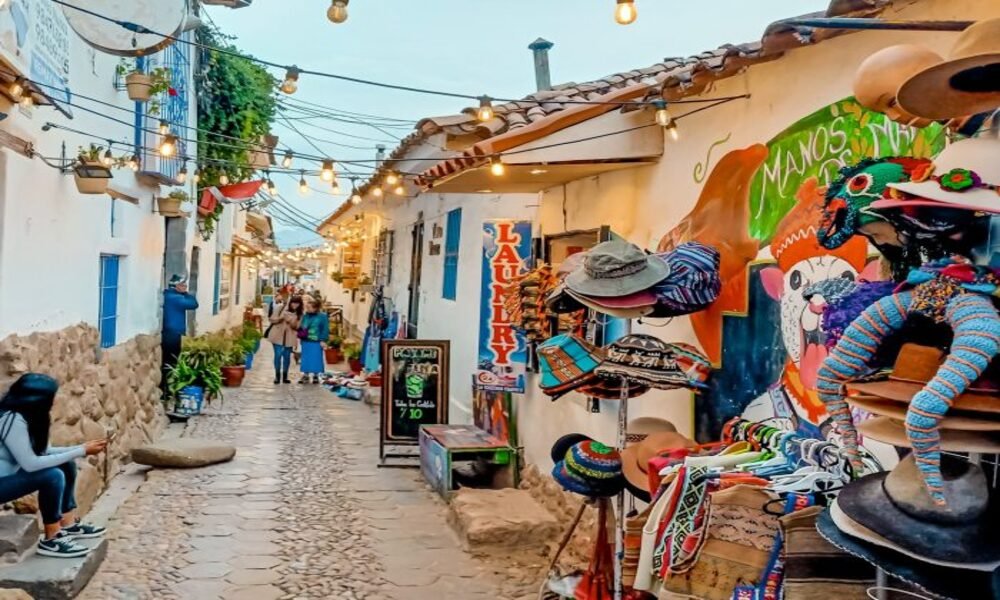
Exploring the San Blas neighborhood is an experience that combines walking, history, and direct contact with local life. Due to its elevated location, accessing the neighborhood involves climbing steep streets, which is part of its charm. This route allows you to discover corners of great cultural and scenic value.
Access, cobblestone streets and mobility
Access to San Blas is primarily on foot from Cusco’s historic center. Streets like Hatun Rumiyoc and Cuesta de San Blas lead directly to the neighborhood, passing through areas with Inca walls and colonial buildings. These streets retain their traditional character and require a leisurely pace due to their steep incline.
The narrow, cobblestone streets limit vehicular traffic, creating a peaceful and safe environment for visitors. This allows for leisurely strolls through the neighborhood, revealing architectural details that often go unnoticed in other parts of the city.
For those who prefer to avoid long walks, there are alternative access routes via taxis to nearby points. However, exploring San Blas on foot remains the best way to appreciate its essence and its relationship with the urban landscape of Cusco.
Tourist experience, recommendations and cultural contact
The San Blas experience goes beyond a simple visit. The neighborhood invites you to interact with local artists, residents, and business owners. This close connection allows you to learn about stories, traditions, and ways of life that enrich your tourist experience.
It is recommended to visit the neighborhood in the morning or late afternoon. At these times, the weather is more pleasant and there are fewer visitors. These times also allow you to better enjoy the viewpoints and cultural spaces of the neighborhood.
Respecting the environment is fundamental to preserving its authenticity. Walking peacefully, taking care of public spaces, and appreciating the work of artisans contribute to a responsible experience. In this way, San Blas presents itself as a place where tourism and local life can coexist harmoniously.