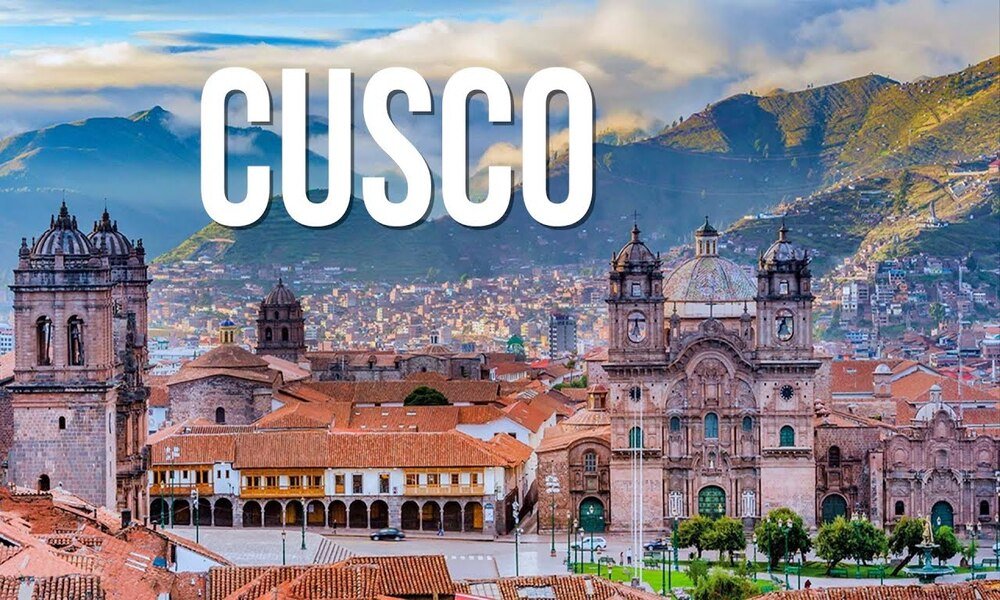
Is Cusco worth a visit? History, culture and unique experiences
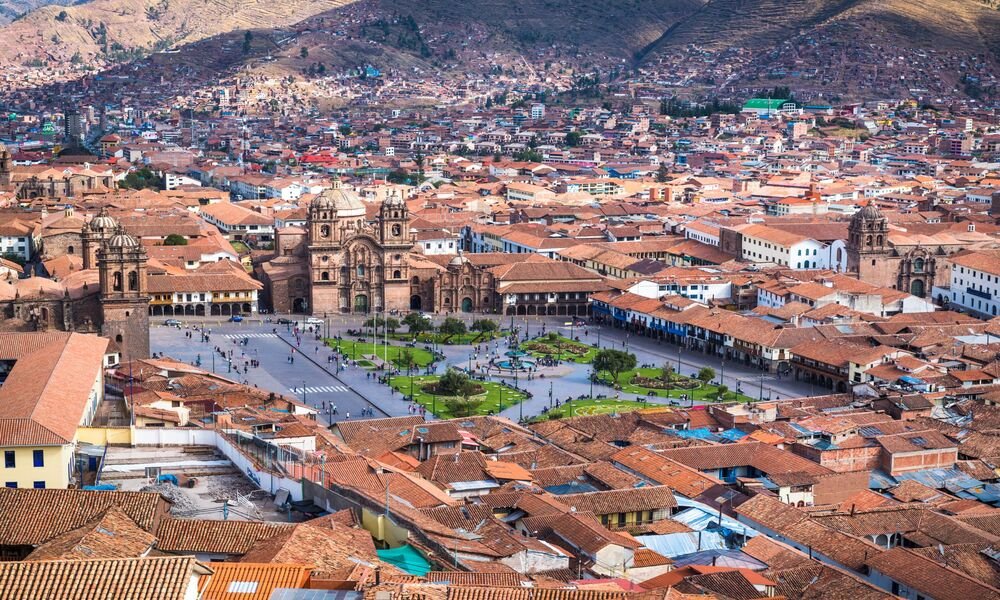
Cusco is one of the most iconic destinations in Peru and South America, and many people wonder if it’s truly worth visiting. The answer lies in the unique combination of history, culture, Andean landscapes, and authentic experiences that this city offers. Once the capital of the Inca Empire, Cusco still preserves a rich cultural heritage visible in its streets, buildings, and living traditions.
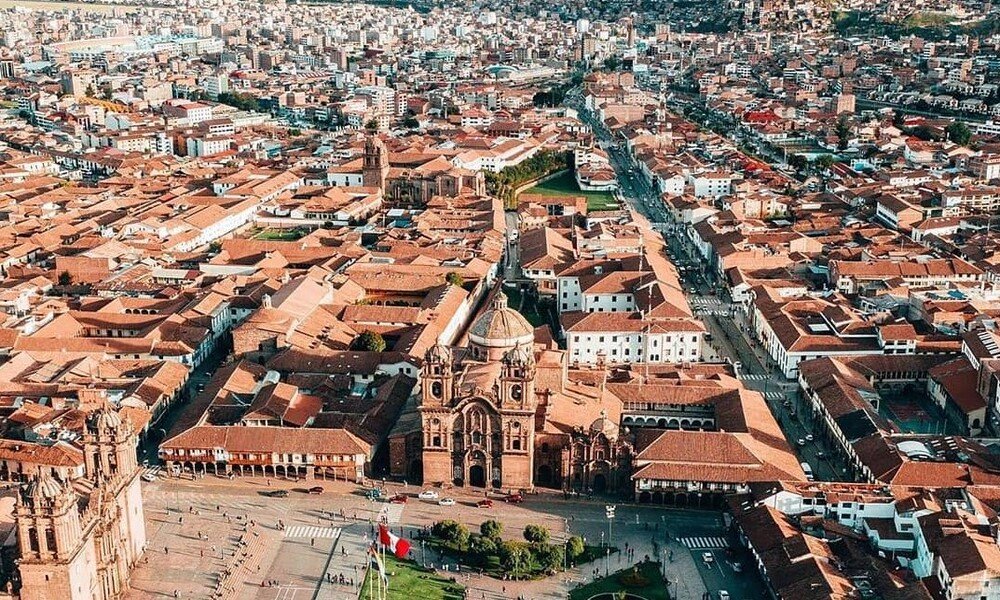
Walking through the historic center, visitors discover a city where past and present coexist seamlessly. Inca walls blend with colonial buildings, creating a unique urban landscape unlike any other in the world. This fusion makes Cusco an ideal destination for those seeking to learn about ancient civilizations, appreciate architecture, and understand Peru’s historical evolution.
Beyond its historical significance, Cusco stands out for its vibrant contemporary culture. Traditional festivals, local cuisine, and folk art reflect the identity of its people. Visitors not only observe the culture but also participate in it through markets, traditional neighborhoods, and celebrations that keep Andean customs alive. This direct connection with the local culture enriches the travel experience.
Historical importance of Cusco as the capital of the Inca Empire
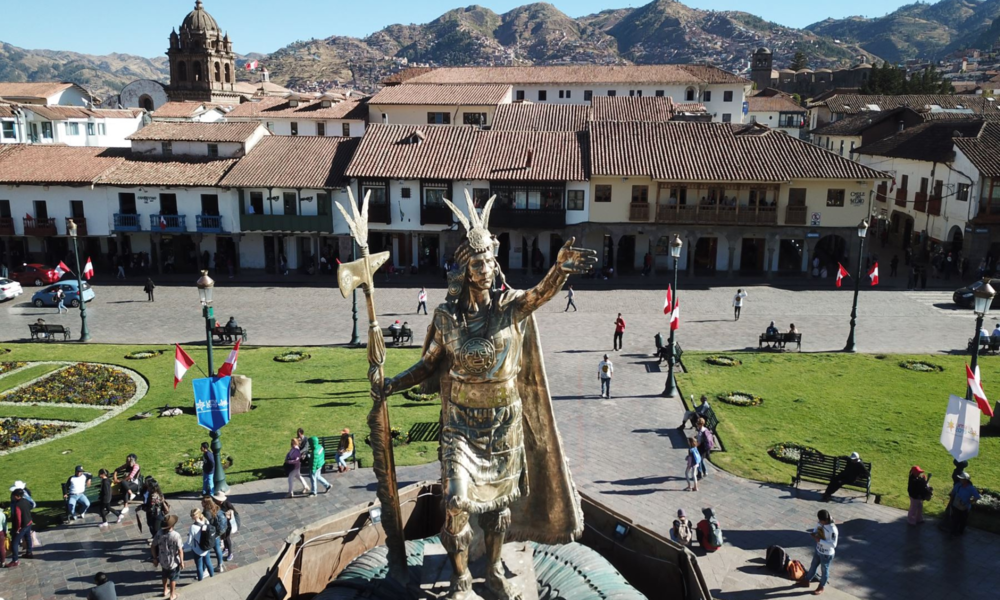
Cusco was the capital of the Inca Empire, known as Tahuantinsuyo, and played a fundamental role in the political, religious, and administrative organization of the Andean world. From this city, a vast territory spanning much of South America was governed. Its historical significance makes Cusco one of the most important destinations for understanding the Inca civilization and its legacy.
The urban planning of Inca Cusco reflected an ordered and symbolic vision of space. The city was designed with streets, plazas, and buildings that reflected the power of the Inca state and its connection to nature and the cosmos. Many of these elements are still preserved and form part of the current urban landscape, allowing visitors to appreciate the grandeur of the ancient empire.
Archaeological remains integrated into the current city
One of the most striking aspects of Cusco is the presence of archaeological remains integrated into daily life. Inca walls of finely carved stone still stand and serve as the foundation for colonial and modern buildings. This integration demonstrates the quality of Inca engineering and their ability to create durable and functional structures.
Examples such as cobblestone streets, cyclopean walls, and ancient ceremonial sites allow visitors to explore the city as if it were an open-air museum. This coexistence of past and present reinforces Cusco’s historical value and explains why visiting the city is a unique and educational experience.
Cusco as the political and religious center of the Tahuantinsuyo
During the Inca period, Cusco served as the empire’s main political and religious center. From here, administrative decisions were made, military campaigns were organized, and major religious ceremonies were held. The city housed temples, palaces, and sacred spaces that reflected the social hierarchy and the power of the Inca.
This central role transformed Cusco into a cultural and spiritual landmark for the Andean peoples. Today, this heritage remains alive in festivals, rituals, and traditions that continue to define the city’s identity. For visitors, understanding this historical dimension allows them to grasp why Cusco remains the cultural heart of Peru.
Cultural richness and living traditions in Cusco
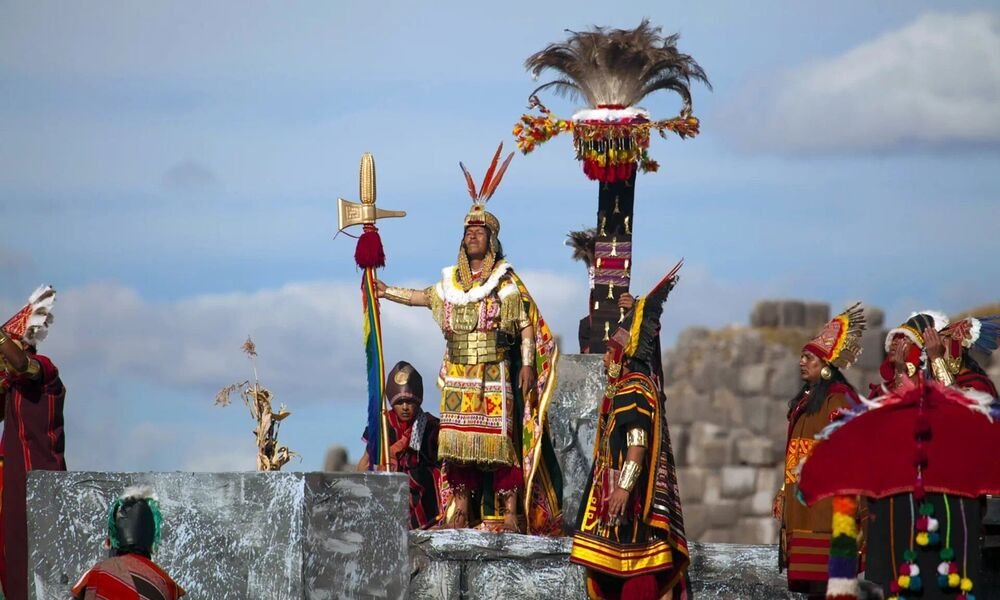
Cusco stands out not only for its historical past but also for its vibrant cultural life. The city preserves ancestral traditions that are an integral part of daily life. These cultural expressions allow visitors to experience an authentic city where Andean customs continue to be passed down from generation to generation.
Cultural expressions are reflected in music, dance, traditional clothing, and community practices. This cultural continuity makes Cusco an ideal destination for those who wish to explore beyond the tourist attractions and connect with the local identity.
Traditional festivities and cultural celebrations
Traditional festivals are one of the most visible expressions of Cusco’s culture. Throughout the year, events are celebrated that combine pre-Hispanic rituals and religious traditions inherited from the colonial era. These celebrations bring together entire communities and reflect a deep sense of collective identity.
During these festivities, the streets fill with dances, music, and colorful costumes representing different Andean regions and customs. For visitors, participating in or witnessing these celebrations offers a unique opportunity to understand the spirituality, history, and cultural pride of Cusco.
Local gastronomy as a cultural expression
Cusco’s gastronomy is another key manifestation of its cultural richness. Traditional dishes use Andean ingredients such as corn, potatoes, quinoa, and various local herbs, combined with ancestral culinary techniques. This cuisine reflects the historical relationship between the people and their natural environment.
Sampling local cuisine allows visitors to discover unique flavors and understand the importance of food within Andean culture. Markets, traditional restaurants, and gastronomic spaces offer experiences that complement the cultural tour of the city, reinforcing the idea that visiting Cusco is a holistic and sensory experience.
Natural landscapes and Andean environment surrounding Cusco
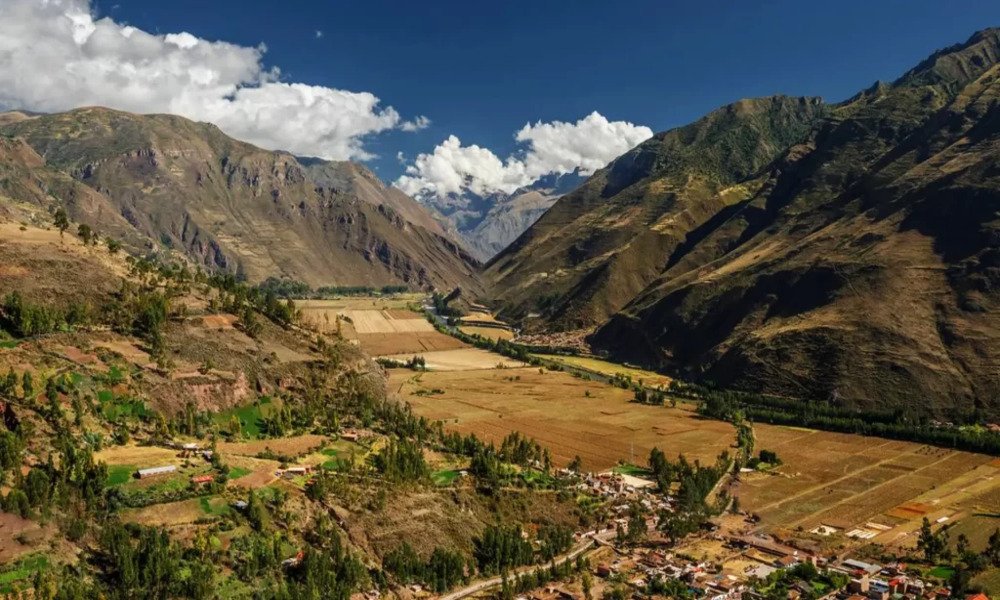
One of the main reasons Cusco is worth visiting is its stunning natural surroundings. The city is nestled amidst mountains, valleys, and Andean landscapes that are an essential part of the traveler’s experience. This environment not only enhances the city’s beauty but also influences the culture, traditions, and lifestyle of its people.
The Andean landscape offers a blend of nature, history, and spirituality. For many Andean cultures, the mountains represent sacred entities, adding symbolic value to the territory. This relationship between the natural environment and daily life makes Cusco an ideal destination for those seeking a deeper connection with nature and local culture.
Valleys, mountains and scenic routes near the city
Surrounding Cusco are valleys and mountains that offer panoramic views and stunning natural landscapes. These areas allow visitors to enjoy hiking, scenic walks, and cultural routes without venturing too far from the city. The presence of ancient paths reinforces the historical value of the surroundings, as many of them were used since Inca times.
The scenic routes connecting Cusco with rural areas showcase agricultural terraces, rivers, and Andean communities. These landscapes offer insight into human adaptation to a mountainous environment and the balanced relationship between nature and human activity. For visitors, exploring these areas provides an enriching visual and cultural experience.
Nature tourism and outdoor experiences
The Andean environment of Cusco is ideal for nature tourism and outdoor activities. The varied geography allows for hiking, rural exploration, and visits to natural viewpoints that offer sweeping vistas of the city and its surroundings. These experiences complement cultural tourism and diversify the trip.
Furthermore, contact with nature contributes to the visitor’s well-being and reinforces the value of the trip as a holistic experience. The possibility of combining urban tours with outdoor activities makes Cusco a balanced destination, where history and nature are harmoniously integrated. This aspect reinforces the idea that visiting Cusco is a complete and enriching experience.
Cusco beyond Machu Picchu: other must-see places
Although Cusco is world-renowned for Machu Picchu, the city and its surroundings offer a wide variety of attractions that broaden the traveler’s experience. Limiting a visit solely to this archaeological site means overlooking historical, cultural, and natural spaces that complement and enrich the region. Cusco is much more than a single destination and boasts places that allow for a deeper understanding of the grandeur of the Andean legacy.
These spaces showcase different aspects of Inca history, architecture, landscape, and contemporary life. Visiting other sites besides Machu Picchu allows for a more complete and profound experience of Cusco, connecting with its cultural and territorial diversity.
Sacsayhuaman: monumental architecture and Andean landscape
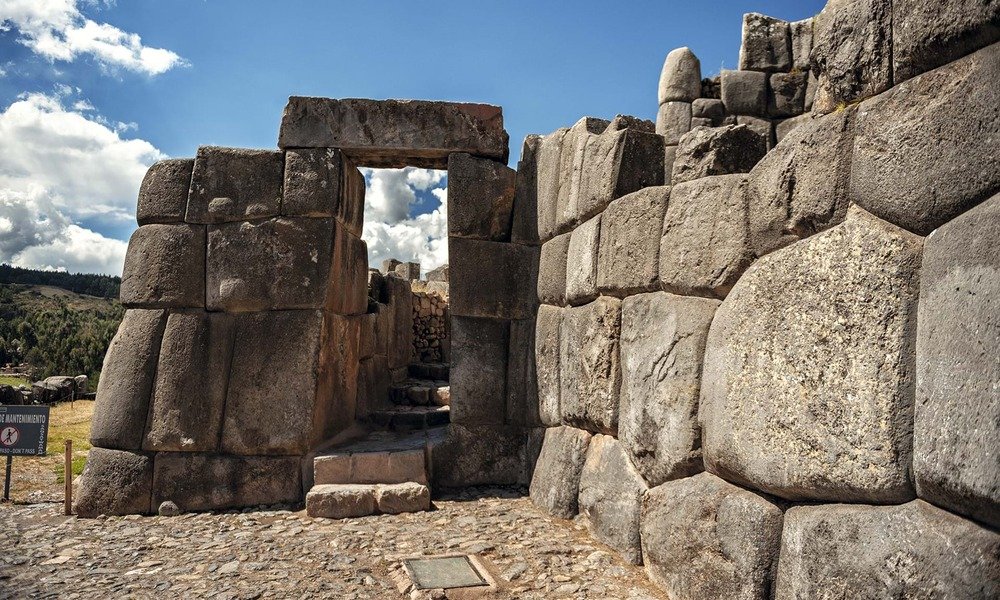
Sacsayhuamán is one of the most impressive archaeological complexes in Cusco. It stands out for its enormous, perfectly fitted stone walls, which demonstrate the advanced construction techniques of the Incas. Its elevated location offers a panoramic view of the city, making it a key site both historically and scenically.
This site also holds strong symbolic and ceremonial value. Walking through Sacsayhuamán allows one to appreciate the relationship between architecture, nature, and the Andean worldview, reinforcing the idea that Cusco was a political and spiritual center of great importance.
Qorikancha: the religious center of the Inca world
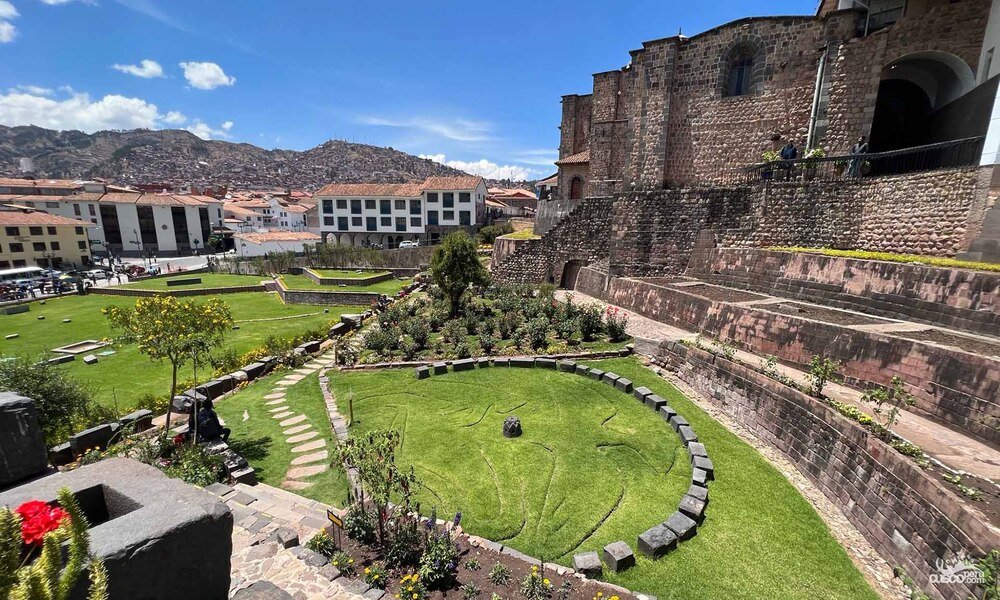
The Qorikancha, known as the Temple of the Sun, was the main religious center of the Inca Empire. In this space, the most important deities were worshipped, and ceremonies fundamental to the agricultural and spiritual calendar were performed. Its Inca walls, integrated with a colonial construction, reflect the historical layering that characterizes Cusco.
A visit to Qorikancha offers insight into the role of religion in the organization of the Inca Empire. Furthermore, its central location makes it an accessible and essential stop on any urban tour of the city.
Sacred Valley of the Incas: Living Culture and Unique Landscapes
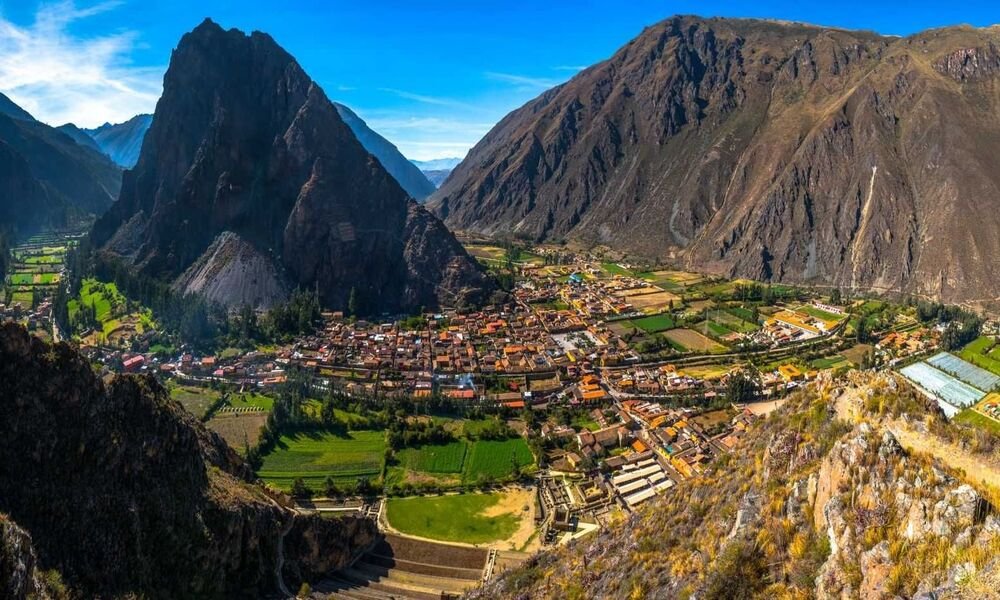
The Sacred Valley of the Incas stretches along the Urubamba River and is home to traditional villages, archaeological sites, and stunning agricultural landscapes. This valley was a key area for food production and the territorial organization of the Inca Empire. Today, it preserves communities that maintain ancestral practices and a strong cultural identity.
Exploring the Sacred Valley allows visitors to discover a more rural and authentic side of Cusco. Its landscapes, local markets, and historical sites offer an experience that complements urban and archaeological tourism.
Traditional neighborhoods and viewpoints of Cusco
Cusco can also be discovered through its traditional neighborhoods and natural viewpoints. Places like San Blas and the city’s higher elevations offer a glimpse into daily life, local art, and panoramic views of the urban landscape. These locations provide a more tranquil experience and a closer connection to the local population.
The viewpoints offer unique perspectives of the city and its Andean geography, especially at sunrise or sunset. Visiting these spots reinforces the idea that Cusco is not limited to Machu Picchu, but offers a wealth of cultural, scenic, and historical experiences.
Tourist experiences and visitor convenience
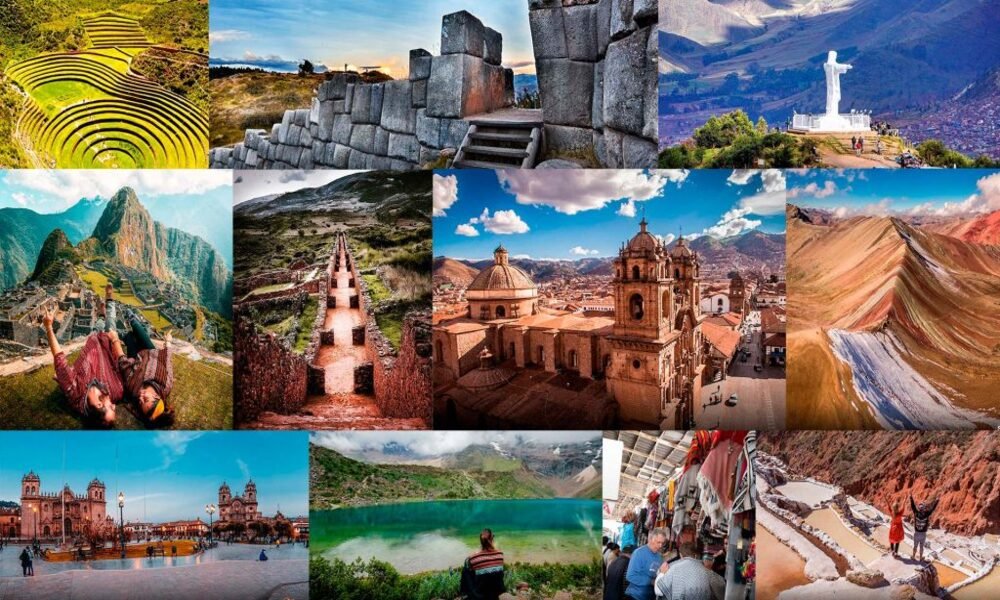
Another key aspect that demonstrates why Cusco is worth visiting is the wide variety of tourist experiences it offers and the ease with which visitors can explore the city. Cusco has established itself as a destination prepared to receive national and international travelers, providing services, infrastructure, and options tailored to different types of tourists.
The city offers a combination of cultural tours, culinary experiences, urban walks, and nature activities. This diversity makes each visit flexible and customizable, allowing travelers to design their own travel pace according to their interests and available time.
Accessible urban tours and cultural experiences
Cusco offers numerous urban tours that can be easily explored on foot, especially in its historic center. Plazas, old streets, museums, and traditional neighborhoods are all within walking distance, making it easy to explore without long journeys. This accessibility allows visitors to discover the city at a relaxed and direct pace.
In addition, cultural experiences such as guided tours, interactive museums, traditional markets, and art spaces enrich the visit. These activities allow visitors to understand Cusco’s history and identity from different perspectives, making the tourist experience educational and dynamic.
Tourist infrastructure and services for travelers
Cusco boasts a well-developed tourism infrastructure, including a wide range of accommodations, restaurants, tour operators, and transportation services. This variety caters to different budgets and travel styles, from budget tourism to more specialized experiences.
The availability of tourist information, signage, and visitor-oriented services makes the stay easier and enhances the overall experience. Thanks to this organization, Cusco presents itself as a comfortable and safe destination, even for first-time visitors. This reinforces the idea that traveling to Cusco is not only valuable for its cultural significance but also for the ease with which the destination can be enjoyed.