What is the Sacred Valley of the Incas? History and importance
The Sacred Valley of the Incas is one of the most important and visited regions of Cusco, both for its historical value and its rich cultural and natural heritage. This valley was a key territory for the Inca civilization, as it offered ideal conditions for agriculture, human settlement, and the development of administrative and religious centers.
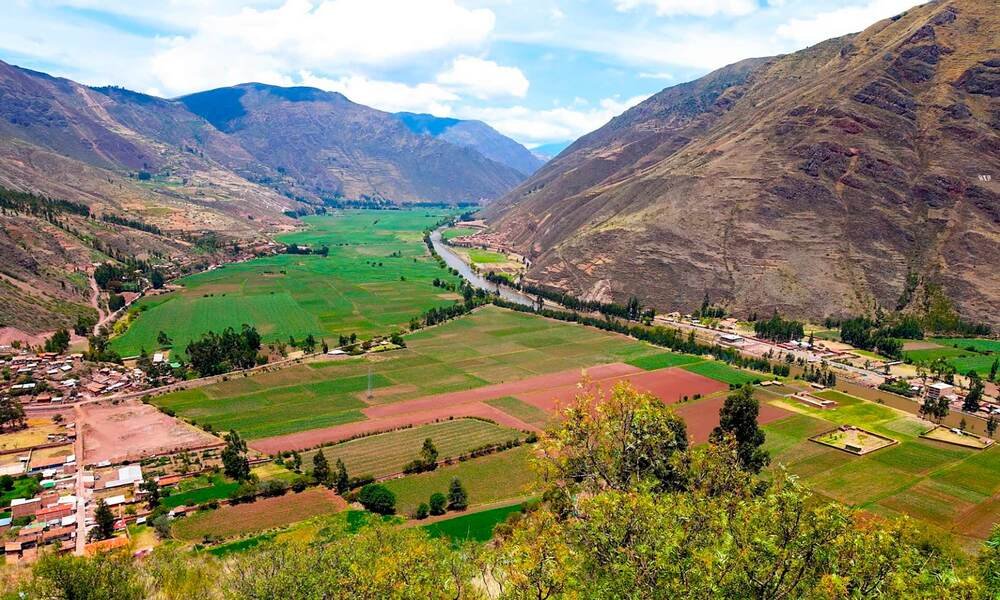
Located between the cities of Cusco and Machu Picchu, the Sacred Valley stretches along the Vilcanota River and is home to traditional villages, archaeological sites, and stunning Andean landscapes. Its temperate climate and fertile lands made it a strategic location for the Inca Empire.
Today, the Sacred Valley is a must-see destination for travelers who want to better understand Inca history and learn about communities that still preserve ancestral traditions. Visiting this area allows you to connect the past with the present and enriches your travel experience in Cusco.
Location and characteristics of the Sacred Valley of the Incas
The Sacred Valley of the Incas is located in the Cusco region and extends along the course of the Vilcanota River. Its strategic location and natural conditions made this territory one of the most important for the development of the Inca Empire. Understanding its location and main characteristics allows us to understand why it was so highly valued in pre-Hispanic times.
Geographic location and extent of the valley
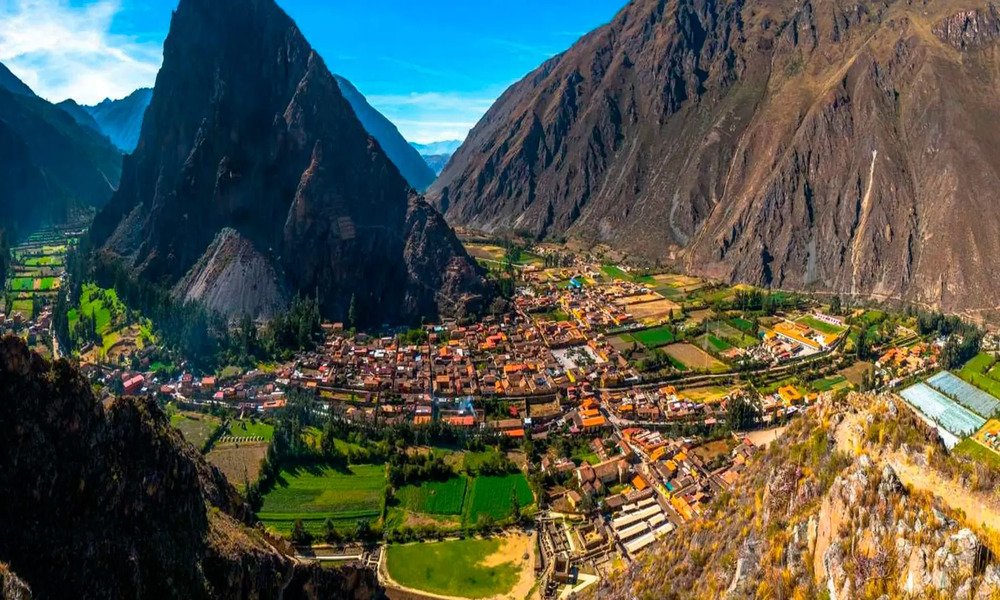
The Sacred Valley is located northeast of the city of Cusco, between this ancient Inca capital and Machu Picchu. It encompasses several districts and traditional towns such as Pisac, Urubamba, Ollantaytambo, and Chinchero, which developed around the Vilcanota River, the valley’s central axis.
This area is located at a lower average altitude than the city of Cusco, resulting in a milder and more pleasant climate. Thanks to this characteristic, the valley was considered a prime location for agriculture and human settlement. The proximity of the towns facilitates tourism and allows visitors to explore several attractions in a short amount of time.
The valley’s size and its natural connection to other Inca routes made it a crucial corridor within the empire. From here, roads, agricultural resources, and access to the jungle and other regions of Tahuantinsuyo were controlled.
Climate, landscape and natural conditions
One of the main characteristics of the Sacred Valley is its temperate climate for much of the year. Temperatures are generally milder than in Cusco, with sunny days and cool nights, which is ideal for both agriculture and tourism.
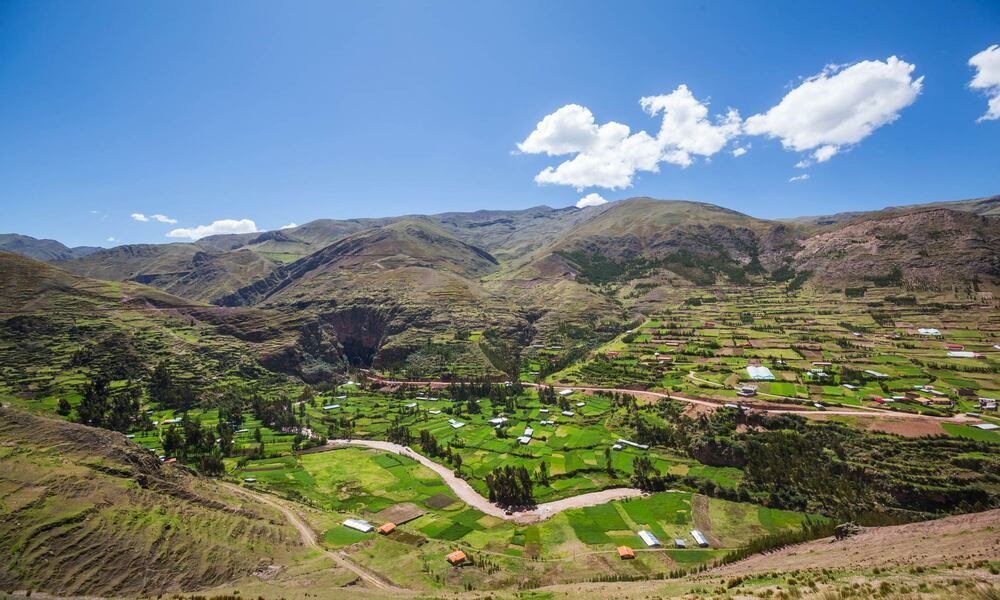
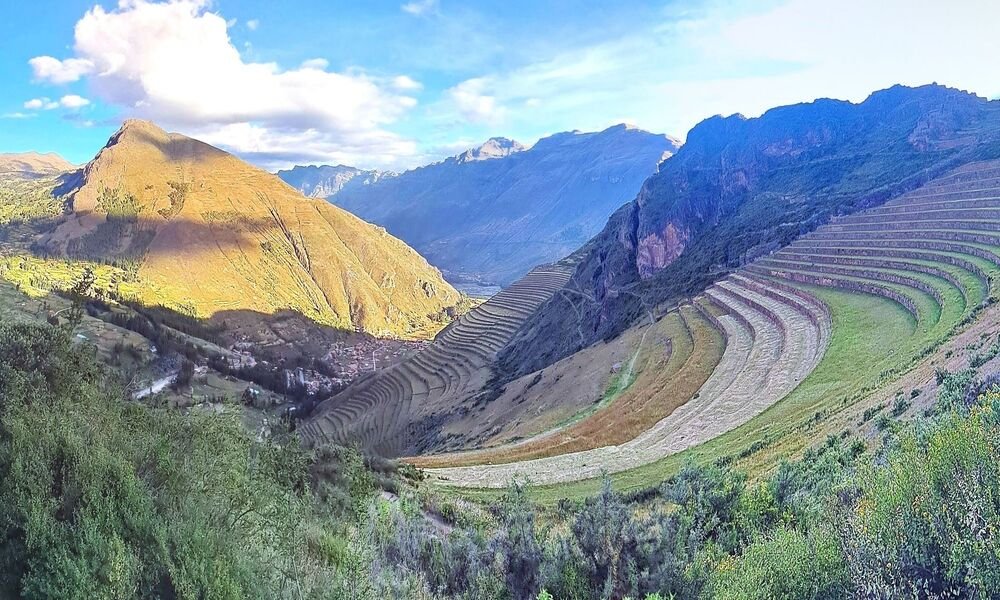
The valley’s landscape is dominated by Andean mountains, agricultural terraces, rivers, and cultivated fields. This combination creates a very attractive natural environment, where the presence of the Vilcanota River brings life and fertility to the area. The valley’s lands allowed for the cultivation of products such as corn, considered sacred by the Incas.
These natural conditions explain why the Sacred Valley was a key agricultural center for the empire. Even today, many communities maintain traditional farming practices, reinforcing the valley’s cultural and scenic value.
Historical importance of the Sacred Valley for the Incas
The Sacred Valley of the Incas was one of the most valuable regions of the Inca Empire. Its importance stemmed not only from its geographical location but also from its political, agricultural, and religious role within the empire. This territory was carefully organized and utilized by the Incas as a fundamental part of their system of government and production.
Agricultural and economic center of the Inca Empire
The Sacred Valley was considered one of the main agricultural centers of the Inca Empire. Its fertile lands and temperate climate allowed for the cultivation of strategic products, especially corn, which had great nutritional, economic, and ceremonial value.
The Incas developed advanced agricultural techniques in the valley, such as terraces, irrigation canals, and storage systems. These innovations allowed them to maximize production and ensure food supplies for Cusco and other regions of the empire, even during times of scarcity.
Thanks to this productive capacity, the valley sustained a large population and played a key role in supplying the Inca state. Agriculture not only guaranteed survival but also strengthened the economic and political power of the empire.
Inca political, religious and residential space
In addition to its agricultural function, the Sacred Valley had a strong political and religious character. Important administrative and ceremonial centers were built in this area, as well as residences for the Inca nobility and the Inca himself.
Many sites in the valley, such as Ollantaytambo and Pisac, served strategic functions for territorial control and defense. At the same time, they were sacred spaces where rituals related to nature, fertility, and the Andean gods were performed.
The valley was seen as a special place, closely linked to the Inca worldview. Its proximity to Cusco and its connection to Machu Picchu reinforce its importance as a central axis within the pre-Hispanic Andean world.
Main archaeological sites of the Sacred Valley
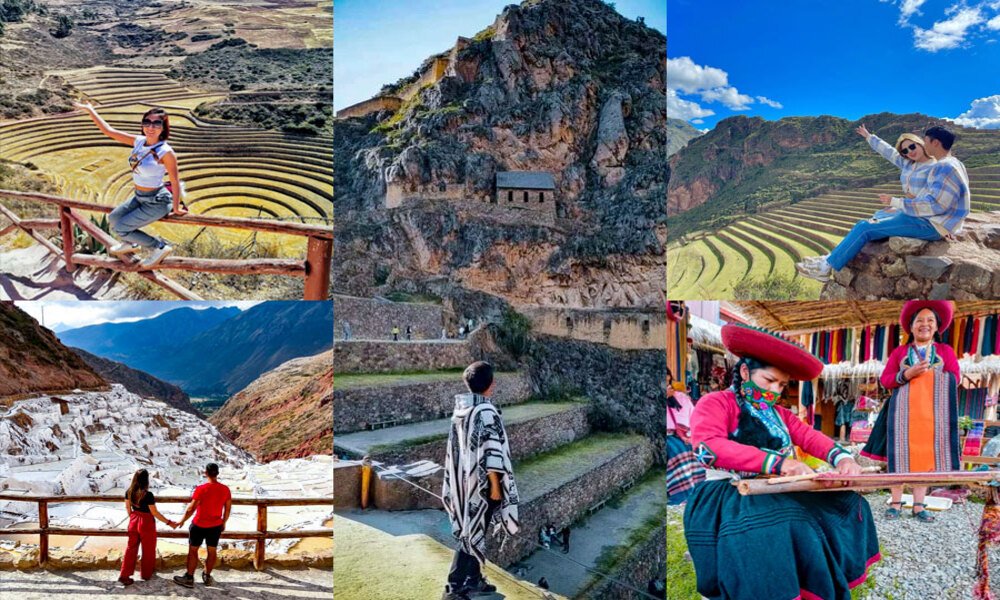
The Sacred Valley of the Incas is home to some of the most important archaeological sites in Cusco. These sites are remarkable not only for their architecture but also for their strategic, agricultural, and ceremonial functions within the Inca Empire. Visiting these places offers a deeper understanding of the organization and power of this civilization.
Pisac and Ollantaytambo: strategic and defensive centers
Pisac is one of the most representative archaeological sites in the Sacred Valley . Located atop a mountain, it combines agricultural terraces, residential areas, and ceremonial structures. Its location allowed for control of the valley and protection of crops, in addition to serving religious functions.
Ollantaytambo, for its part, was one of the main administrative and military centers of the empire. Its imposing stone architecture and stepped terraces demonstrate the high level of knowledge in engineering and urban planning possessed by the Incas.
Both sites were key to the territorial control of the Sacred Valley. Furthermore, they retain much of their original structure today, making them essential stops for anyone wishing to explore the Inca legacy in depth.
Chinchero and other archaeological complexes in the valley
Chinchero is another prominent site in the Sacred Valley , known for its ceremonial and cultural significance. Here you’ll find the remains of Inca palaces and a colonial church built upon pre-Hispanic foundations, reflecting the layering of cultures after the arrival of the Spanish.
Besides Chinchero, the valley is home to other less massive but equally important archaeological complexes. These sites allow us to observe how the Incas adapted their architecture to the mountainous environment and made the most of every available space for agriculture and human settlement.
The diversity of archaeological sites in the Sacred Valley demonstrates their importance within the Inca Empire. Each complex fulfills a specific function, and together they form a system that reveals the magnitude and organization of this civilization.
The Sacred Valley today and its tourist value
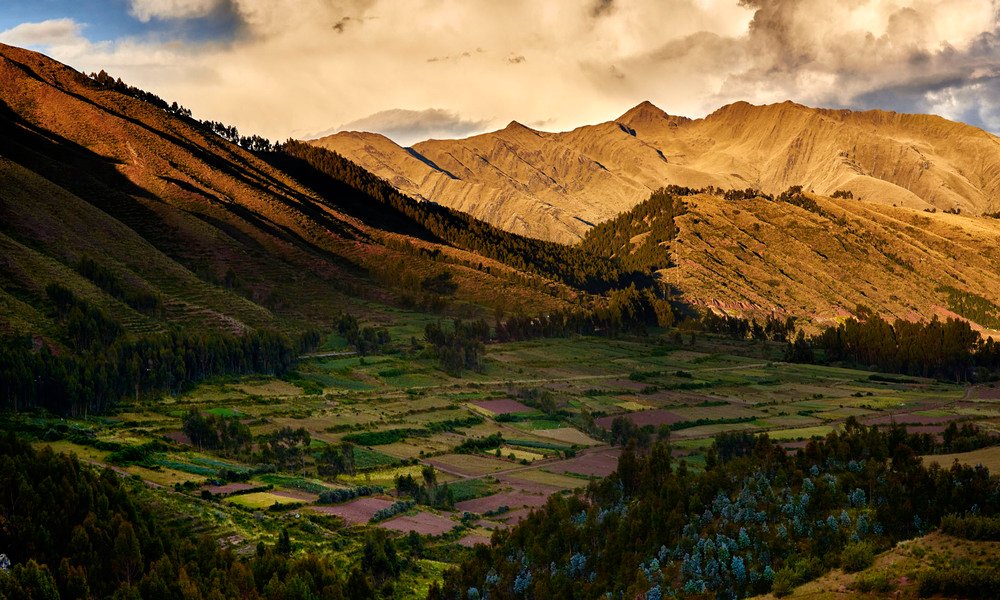
Today, the Sacred Valley of the Incas is one of Peru’s most important tourist destinations. Its combination of history, living culture, and natural landscapes makes it a key area for understanding the Inca past while enjoying authentic experiences in contact with local communities.
Cultural tourism and connection with Machu Picchu
The Sacred Valley plays a fundamental role in Cusco’s tourist circuits, connecting the imperial city with Machu Picchu. Many travelers explore the valley as part of their route, visiting towns and archaeological sites before reaching the Inca citadel.
This tour allows for a better understanding of the historical context of Machu Picchu. By exploring the Sacred Valley first, visitors can appreciate how the network of roads, administrative centers, and agricultural areas that sustained the empire functioned.
Furthermore, tourism in the valley is characterized by a more leisurely pace. Unlike other, more crowded destinations, here it’s possible to enjoy the scenery, explore traditional villages, and visit archaeological sites at a relaxed pace, enriching the travel experience.
Local Communities, Traditions and Andean Life
The Sacred Valley is not only known for its archaeological sites, but also for its vibrant communities. In many of the valley’s villages, Andean traditions are kept alive through agriculture, textiles, and local festivals.
The inhabitants of the valley continue to use ancestral techniques, especially in textile work and agriculture. These practices are part of their cultural identity and represent a valuable intangible heritage passed down from generation to generation.
Contact with the local communities allows visitors to experience a way of life deeply connected to nature and the Andean worldview. This cultural exchange transforms the Sacred Valley into a destination that transcends conventional tourism, offering an authentic and meaningful experience.