What activities are there to do in the Sacred Valley?
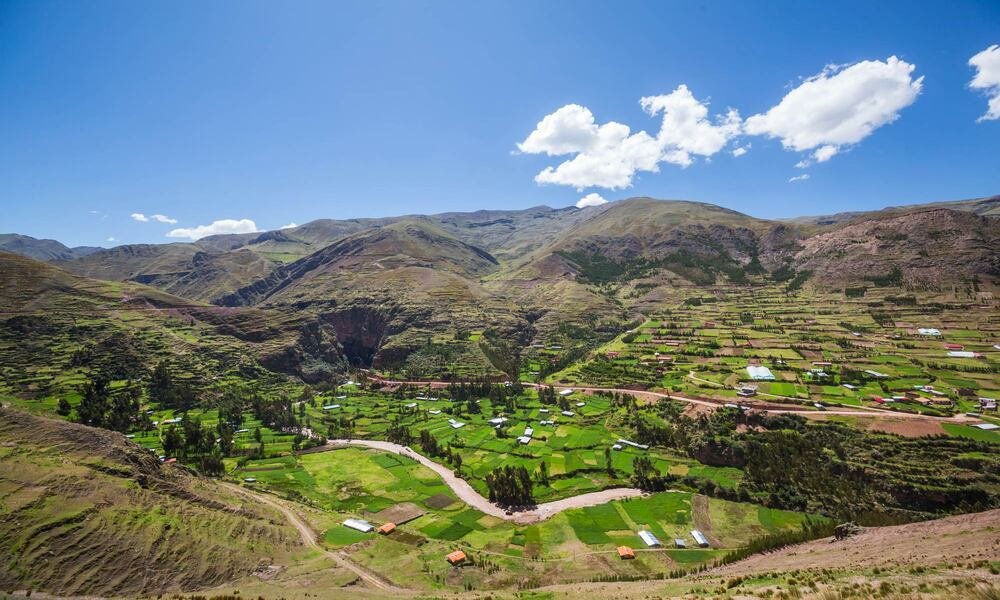
The Sacred Valley of the Incas is one of the most important tourist destinations in the Cusco region, not only because of its historical significance, but also due to the wide variety of activities it offers visitors. Located between Cusco and Machu Picchu, this valley combines breathtaking natural landscapes, traditional villages, and archaeological sites. As a result, it provides an intimate look into Andean cultural heritage.
Activities in the Sacred Valley are diverse and suitable for different types of travelers. For example, visitors can enjoy cultural tours, archaeological visits, nature experiences, and adventure activities. Therefore, the valley offers options for those seeking learning, relaxation, or excitement. Thanks to its pleasant climate and moderate altitude, it is an ideal place to explore without facing the extreme challenges of other high-altitude routes.
Moreover, the Sacred Valley stands out for the authenticity of its communities. In these villages, ancestral traditions, Inca farming methods, and vibrant cultural expressions are still preserved. By participating in local activities, visitors not only discover historical heritage, but also understand the strong relationship between nature and daily life.
Archaeological visits in the Sacred Valley
One of the main activities in the Sacred Valley of the Incas is visiting its numerous archaeological sites. This area was fundamental to the Inca Empire due to its fertility, strategic location, and proximity to Cusco, making it home to important administrative, religious, and agricultural centers.
Exploring these sites offers a firsthand look at how the Incas lived, how they organized their territory, and how they utilized the natural environment. The stone constructions, agricultural terraces, and temples showcase the high level of architectural and cultural knowledge achieved by this civilization.
Furthermore, archaeological visits in the Sacred Valley are usually carried out in a privileged natural environment, surrounded by mountains and rivers, which makes the experience not only educational, but also visually stunning and enriching for the visitor.
Top archaeological sites to visit
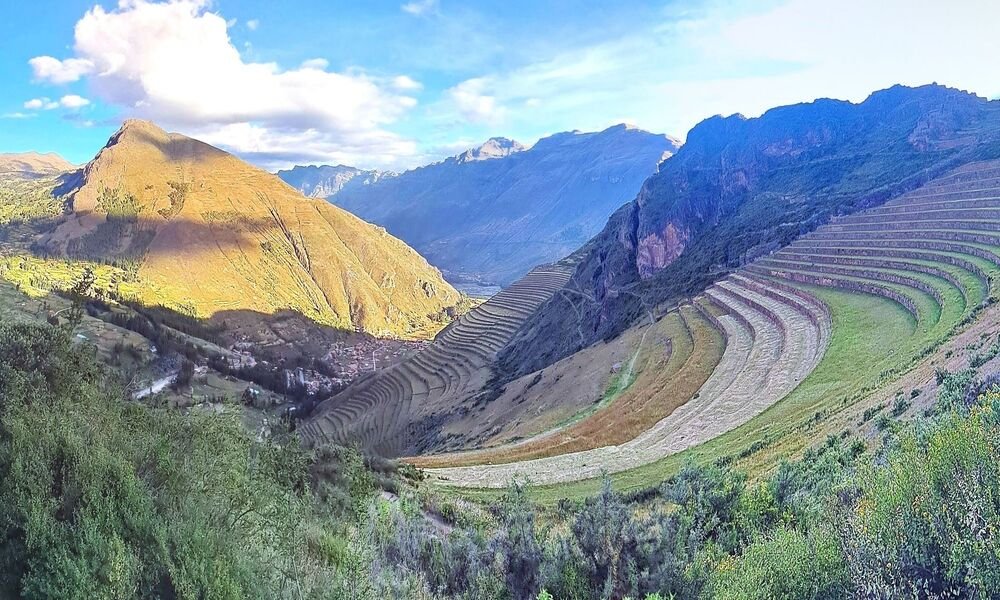
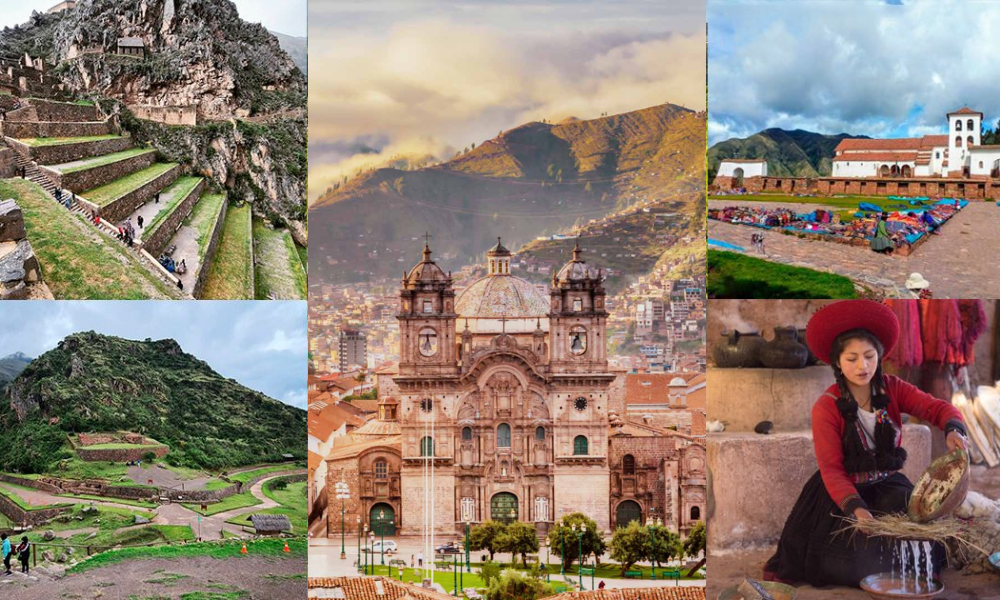
Among the most visited sites is Pisac, known for its extensive agricultural terraces and its location high in the mountains, offering panoramic views of the valley. This complex stands out for its agricultural and ceremonial importance within the Inca system.
Another key site is Ollantaytambo, considered one of the most important archaeological centers in the Sacred Valley. Its fortress, temples, and Inca urban layout are still in use, allowing visitors to observe the historical continuity between the past and the present.
Chinchero is also a site that combines archaeological remains with a strong contemporary cultural presence. Here you can see Inca walls, a colonial church built on Inca foundations, and communities that preserve ancestral traditions, especially in textiles.
Historical and cultural importance of these visits
Archaeological visits to the Sacred Valley not only allow visitors to observe ancient structures, but also to understand the role this region played within the Inca Empire. The valley functioned as a key agricultural center that supplied Cusco and sustained the imperial population.
Furthermore, exploring these sites helps contextualize other destinations like Machu Picchu, as the Sacred Valley was part of an integrated network of roads, production centers, and ceremonial spaces. This allows visitors to gain a more complete understanding of the pre-Hispanic Andean world.
Finally, these activities foster respect for cultural heritage and appreciation of Peru’s living history, making the Sacred Valley an ideal space for cultural and educational tourism.
Nature and adventure activities in the Sacred Valley
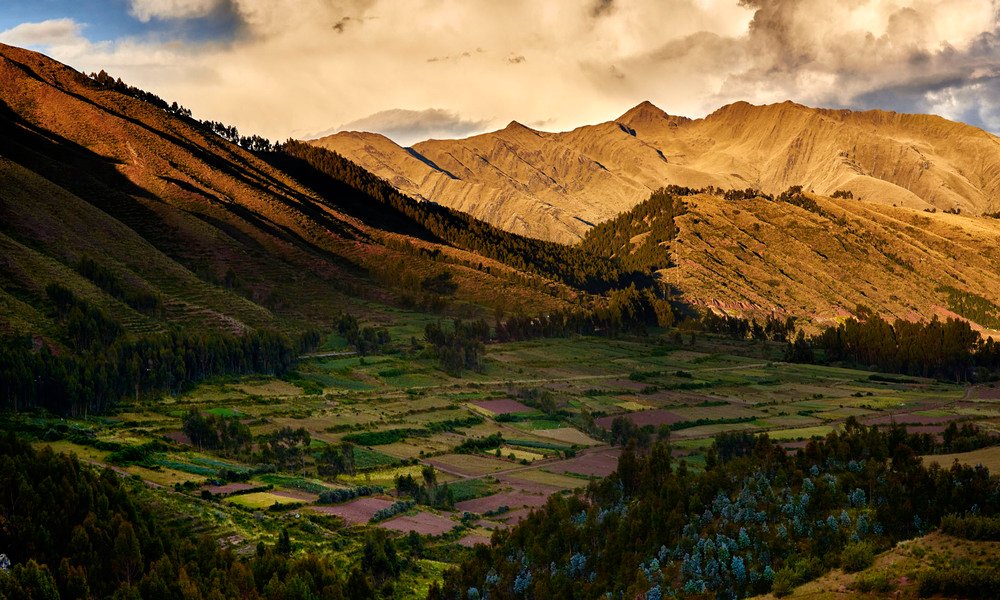
The Sacred Valley of the Incas is also an ideal destination for those seeking outdoor activities and direct contact with nature. Thanks to its varied geography, which combines rivers, mountains, and ancient trails, the valley offers numerous options for enjoying adventure experiences without requiring extreme preparation.
These activities allow you to explore the valley from a different perspective, moving away from traditional routes and discovering relatively untouched landscapes. Furthermore, its moderate altitude compared to other areas of Cusco makes it accessible to most visitors.
Nature tourism in the Sacred Valley is characterized by combining physical exercise, contemplation of the landscape and connection with the Andean environment, making it a balanced experience between adventure and enjoyment.
Hiking and outdoor trails
One of the most popular activities is hiking along nature trails and Inca roads. There are short, moderately difficult routes that allow you to explore the valley without strenuous physical exertion, ideal for travelers who want to explore at their own pace.
Some hikes connect small villages, natural viewpoints, and archaeological sites, allowing you to combine nature and history in a single experience. Along the way, you’ll often see agricultural terraces, rivers, and mountains that are part of the Sacred Valley’s characteristic landscape.
These routes also offer the opportunity to interact with local communities, which adds cultural value to the experience and allows you to get to know Andean rural life up close.
Adventure activities and contact with the environment
In addition to hiking, the Sacred Valley offers adventure activities such as mountain biking and rafting on the Urubamba River. These experiences are geared towards those seeking a higher level of excitement, always under the supervision of specialized tour operators.
Rafting, for example, allows you to travel along stretches of the river surrounded by natural landscapes, combining adrenaline with panoramic views. On the other hand, mountain biking takes place on routes that pass through villages and rural roads, offering a dynamic way to explore the valley.
These activities strengthen active and responsible tourism, promoting respect for the environment and the sustainable use of the natural resources of the Sacred Valley.
Cultural experiences and living traditions
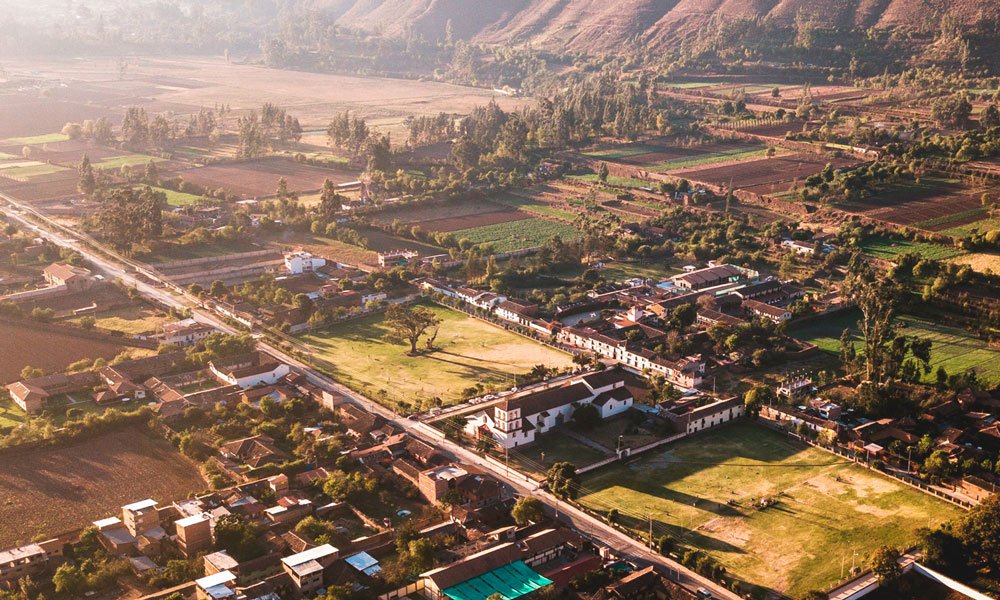
The Sacred Valley of the Incas is not only a place of great archaeological and natural value, but also a place where Andean traditions remain alive. One of the most enriching activities for visitors is participating in cultural experiences that offer a close-up look at the customs, art, and daily life of the local communities.
These experiences offer an authentic glimpse into the Andean world, as many current practices originated in the Inca era and have been passed down through generations. Direct contact with the local population allows for a deeper understanding of the relationship between Andean culture, territory, and worldview.
Furthermore, this type of activity promotes a more conscious and respectful tourism, where the visitor not only observes, but also learns and values the cultural identity of the Sacred Valley.
Traditional textiles and ancestral knowledge
One of the most representative cultural experiences of the Sacred Valley is encountering traditional textiles. In towns like Chinchero, communities maintain ancestral weaving techniques using alpaca and sheep wool, as well as natural dyes obtained from plants and minerals.
Visitors can observe demonstrations of the textile process, from spinning to the final weaving, and learn the meaning of the colors and designs, which often represent elements of nature and Andean life. This activity allows visitors to appreciate the artisanal work and its importance within the local economy.
Textile production is not only a productive activity, but also a cultural expression that reflects the identity and history of the communities of the Sacred Valley.
Festivities, customs and community life
Another way to experience the culture of the Sacred Valley is through its local festivals and traditions. Many celebrations combine pre-Hispanic and religious elements, showcasing the cultural syncretism characteristic of the region.
During these festivities, it is common to witness traditional dances, music, and rituals linked to nature and agriculture. Participating in or witnessing these celebrations allows visitors to understand the importance of community and Andean spirituality.
These experiences strengthen the bond between the visitor and the destination, making the Sacred Valley a place where culture is not only observed, but lived authentically.
Gastronomy and culinary experiences in the Sacred Valley
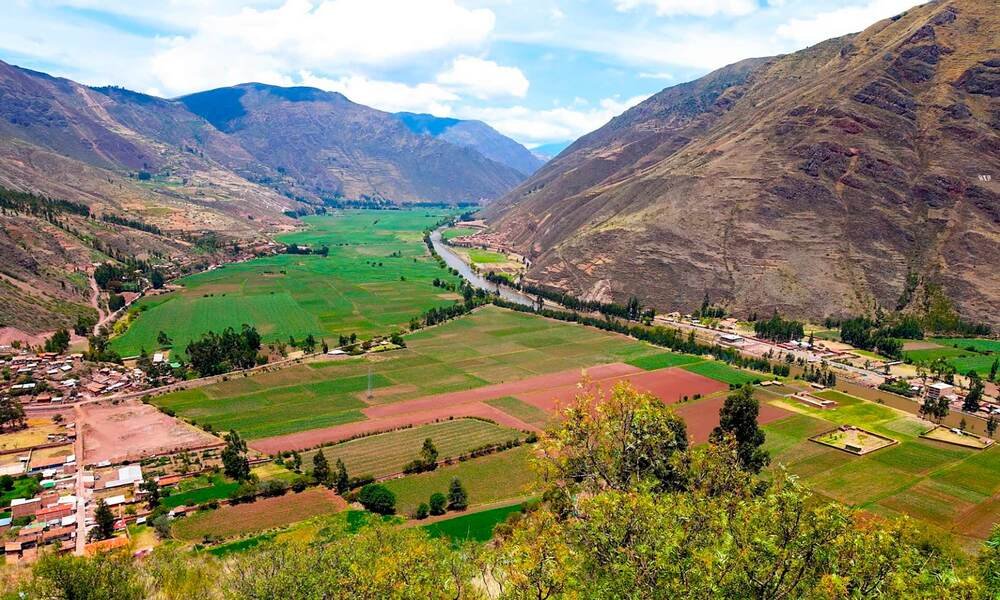
Gastronomy is another of the most important activities to enjoy in the Sacred Valley of the Incas. Thanks to its fertile lands and the continuity of ancestral agricultural practices, the valley offers authentic cuisine based on local products and traditional recipes that are part of the Andean identity.
Participating in culinary experiences allows visitors to discover the profound relationship between food, agriculture, and local culture. Each dish reflects the valley’s natural environment and the knowledge inherited from generations who have known how to make the most of the land’s resources.
Furthermore, the Sacred Valley has become a gastronomic benchmark within Cusco, combining traditional cuisine with contemporary proposals that value Andean ingredients.
Local products and traditional Andean cuisine
One of the main culinary experiences in the Sacred Valley is tasting dishes made with local products such as corn, potatoes, quinoa, and other ancestral crops. These foods have been part of the Andean diet since pre-Hispanic times and remain fundamental to modern cuisine.
In many villages throughout the valley, visitors can sample traditional dishes prepared in a home-style manner, using techniques inherited from the Inca era. This cuisine is characterized by its simplicity, nutritional value, and close connection to the agricultural calendar.
Understanding the local cuisine allows us to grasp how food is linked to the land, the seasons, and the Andean worldview, reinforcing the cultural value of the Sacred Valley.
Local markets and current gastronomic experiences
Another highlight is visiting local markets and restaurants in the Sacred Valley , where you can find fresh produce directly from local farmers. These spaces offer a glimpse into traditional trade practices and the exchange between communities.
In recent years, the valley has also developed a modern culinary scene that celebrates Andean ingredients. Restaurants and culinary experiences combine contemporary techniques with local products, offering options that appeal to both travelers and food lovers.
These experiences strengthen gastronomic tourism and contribute to the local economy, positioning the Sacred Valley as a destination where culture is also experienced through flavor.