


“Can you explore the Sacred Valley without a tour?”
The Sacred Valley of the Incas, located in the Andean region of Peru, is one of the most fascinating and visited destinations for tourists from all over the world. Its breathtaking landscapes, archaeological sites, and towns steeped in history make it a truly unique place. However, one of the most common questions among travelers is whether it’s possible to explore this majestic valley without an organized tour. While many opt for the comfort and expertise offered by local guides, exploring the Sacred Valley independently can also be an enriching experience, but it does require careful planning.
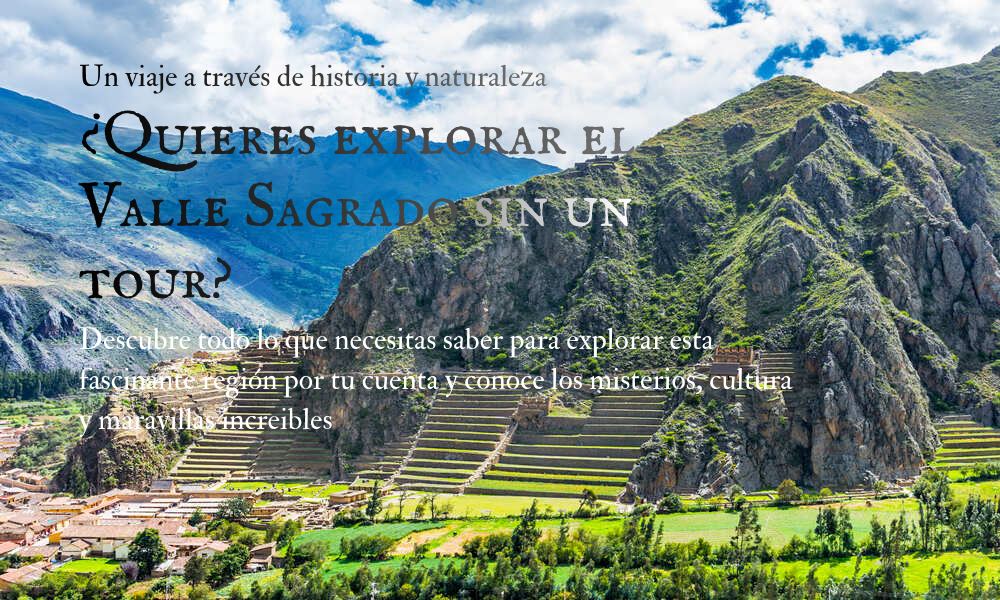
In this reflection, we will explore the advantages, challenges, and aspects to consider when deciding if this type of adventure is a viable option for you.
¿Is it possible?
Yes, it’s absolutely possible to explore the Sacred Valley without an organized tour. In fact, many people do so every year and enjoy a more flexible and personalized experience. However, going it alone requires a bit more planning and preparation, as the Valley has several routes and sites scattered throughout, and some areas aren’t always as well-marked or accessible as others.
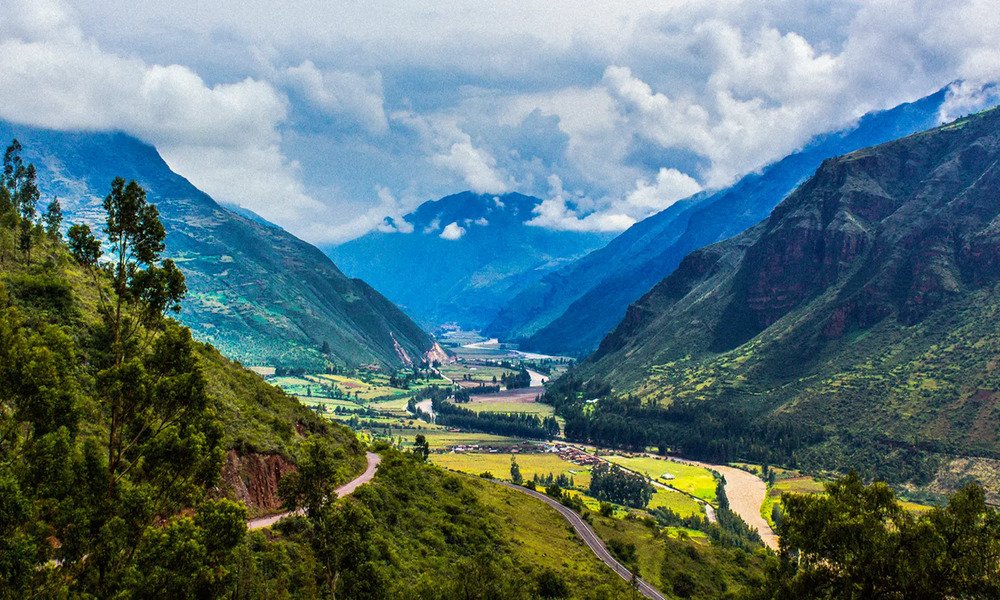
The Sacred Valley of the Incas is one of Peru’s most fascinating regions, both for its natural beauty and its rich history and culture. Located in the Andes, near Cusco, the Sacred Valley was one of the most important areas during the Inca Empire. Its name is no coincidence: this valley, watered by the Urubamba River, was a sacred place for both the Incas, who considered it a key energy center, and the inhabitants of the region, who revered it for its fertile lands and majestic landscapes.
Features of the Sacred Valley
Breathtaking Landscapes: The valley is surrounded by mountains covered in lush vegetation and, in some places, spiraling agricultural terraces that still retain their magnificence today. The Urubamba River meanders through the valley, creating spectacular scenery and providing water resources that allowed ancient civilizations to cultivate a wide variety of crops.
Cultural and Historical Riches: The Sacred Valley is famous for its archaeological remains, which attest to its importance to the Inca Empire. The valley contains impressive complexes of ruins, temples, and ceremonial sites. The Incas believed this area to be a place of special energy, and for this reason, they built some of their most significant structures there.
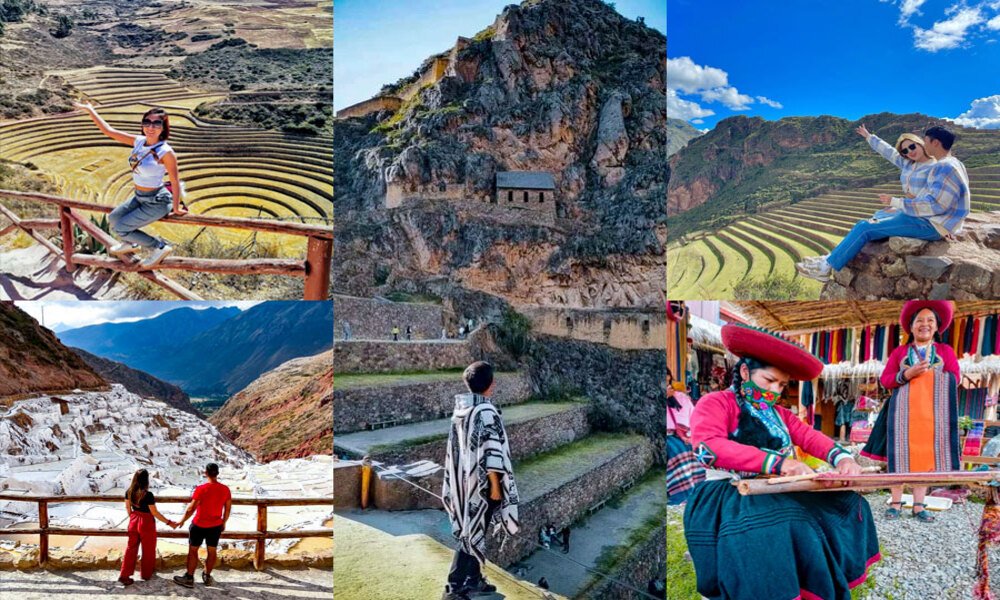
Traditional Villages: In addition to archaeological sites, the Sacred Valley is home to traditional villages such as Pisac, Ollantaytambo, Moray, and Chinchero, among others. These villages keep Andean culture alive, with markets, festivals, and ancestral customs that still endure. Many of these villages preserve colonial architecture that blends with Inca heritage.
Why explore the Sacred Valley on your own?
There’s nothing quite like the feeling of freedom you get when traveling without the rigid structure of a tour. By choosing to explore the Sacred Valley on your own, you not only save money, but you also have the opportunity to customize your itinerary and stay as long as you like in each place. Furthermore, you can connect more deeply with local communities, stop at less touristy viewpoints, and generally enjoy a more authentic experience.
What places can’t you miss?
Although the Sacred Valley is known for its traditional tourist offerings, it hides many fascinating corners that you can explore without being tied to a group. Here are the must-see spots:
Pisac: Famous for its artisan market, one of the largest in the region, and its impressive Inca ruins perched atop a mountain. From its viewpoint, you can enjoy a panoramic view of the valley. The agricultural terraces and the sun temple at the archaeological site are testament to Pisac’s historical importance.
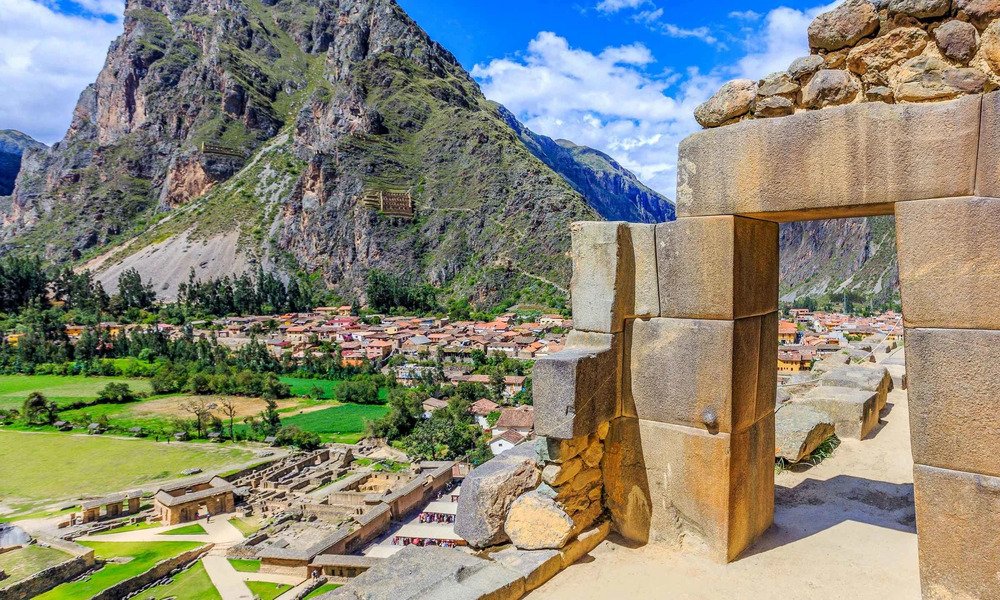
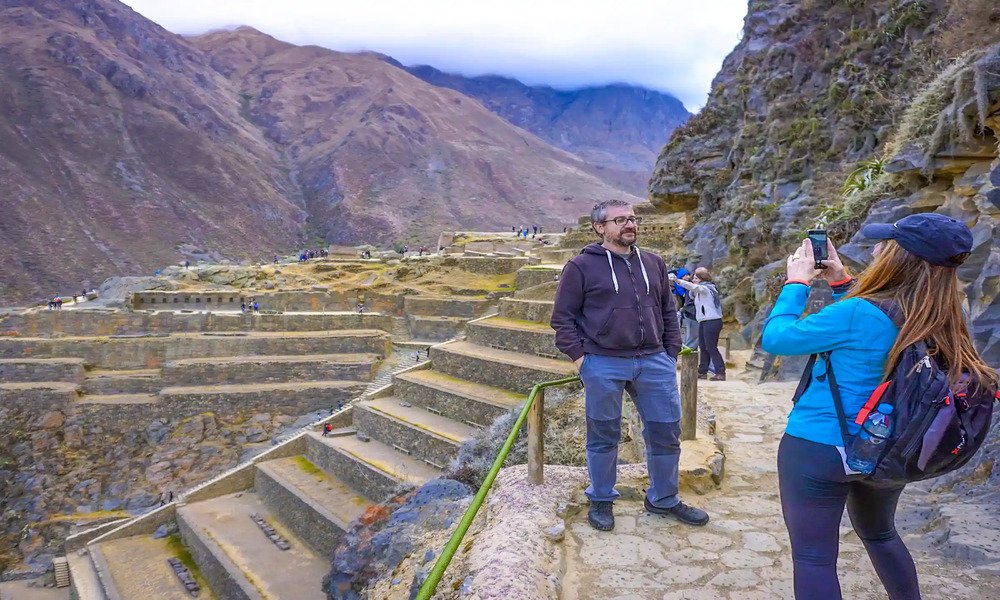
Ollantaytambo: A town that preserves its Inca architecture, with cobblestone streets and a monumental fortress that dominates the landscape. The site’s ruins include temples, terraces , and a ceremonial center. The place offers a unique experience, with breathtaking views of the valley and the Urubamba River.
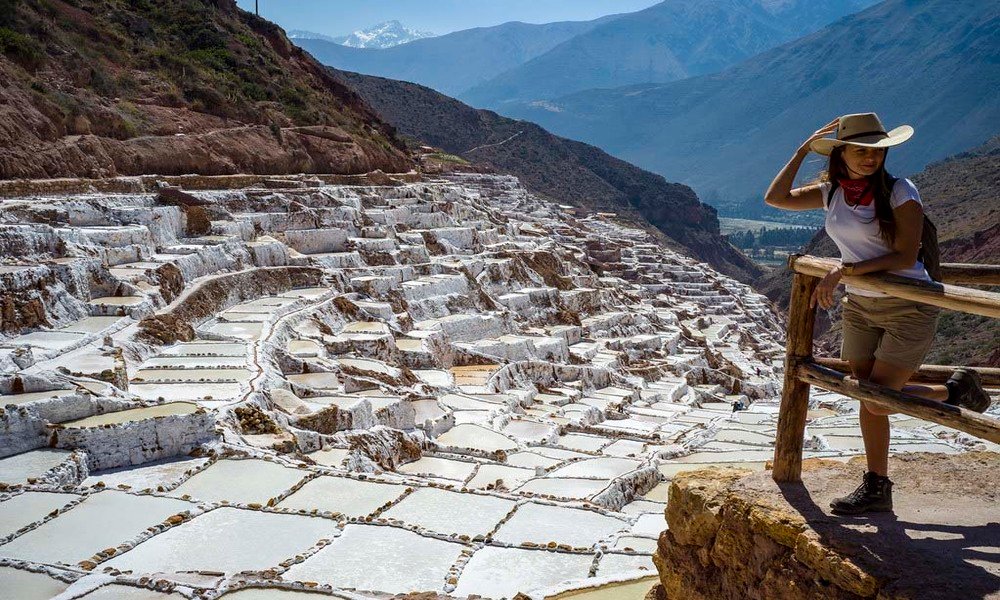
Moray and the Maras Salt Mines: A unique archaeological site, known for its circular terraces that served as an Inca agricultural laboratory. A short distance away, the Maras Salt Mines offer a unique landscape of salt ponds fed by natural springs. Both locations provide a tranquil atmosphere and excellent photo opportunities.
Chinchero: Known for its traditional textile market, this town is where local weavers continue to use ancestral techniques to create handcrafted products. The Inca ruins on site and the colonial church built on an Inca ceremonial plaza add a historical touch to this picturesque town.
Transportation: How to get around the Sacred Valley
The Sacred Valley is fairly well connected, but getting around can be challenging if you’re not prepared. Here are some options:
Minivans and shared taxis: These are shared vehicles that you can take from the Plaza de Armas in Cusco. They are inexpensive and go to the main towns in the valley.
Taxis or private hire cars: If you prefer more comfort, you can opt for a taxi or a private service, although it is more expensive. Always negotiate the price before getting in.
Bicycle: If you love adventure, renting a bicycle is an excellent option. Many local agencies offer bicycle tours through the valley.
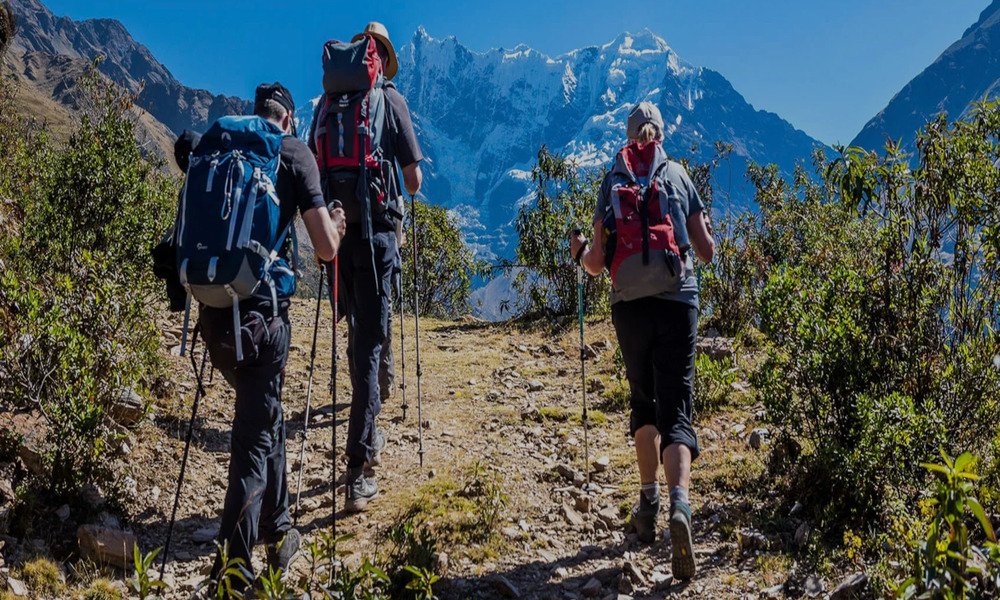
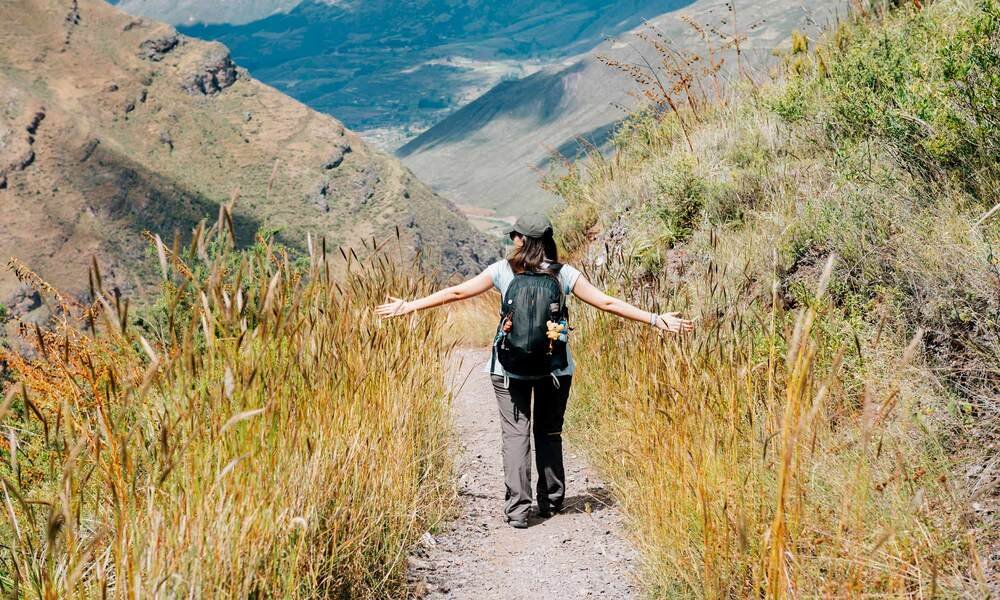
On foot: If you’re an avid hiker, you’ll be happy to know that there are several trekking routes connecting different towns and archaeological sites. One of the most popular is the Inca Trail , which you can hike without a guide if you’re up for it.
Practical tips for independent travel
Acclimatization: The Sacred Valley is located at a considerable altitude. Make sure you arrive in Cusco with enough time to acclimatize and avoid altitude sickness.
Food and water: Although you can find restaurants in the main towns, we recommend bringing some water and snacks, especially if you are going to travel on more remote or less traveled routes.
Maps and Apps: Having a map or using offline map apps like Maps.me will help you find your way around the valley. There are also specific apps for trekking and hiking.
Entrance fees and opening hours: Archaeological sites charge an entrance fee, and in some cases, advance booking is required. Check the opening hours so you don’t miss anything.
Safety and precautions
Although the Sacred Valley is a fairly safe place, it is always important to be alert and take precautions:
Cash: Some places don’t accept cards, so bring enough money in soles, especially if you ‘re going to smaller towns.
Theft of belongings: As in any tourist place, keep your belongings close and avoid displaying valuables ostentatiously.
Pay attention to the signage: Some routes are not very well signposted, so make sure you are well informed before you go for a walk, and if possible, take a companion.
Is a guide necessary?
While hiring a guide isn’t mandatory for exploring the Sacred Valley, a local guide can greatly enrich your experience, especially at the most important archaeological sites. If you decide to go on your own, you can use audio guides or research the history of the places you plan to visit.
The magic of traveling at your own pace
Ultimately, exploring the Sacred Valley without an organized tour will allow for a more personalized experience, full of unexpected moments. You can stop to talk to the locals, discover hidden gems that many tourists overlook, and feel connected to the history of this magical place.
Conclusion
Exploring the Sacred Valley of the Incas independently is a completely viable and enriching experience. This place, brimming with history, culture, and breathtaking landscapes, is perfect for those seeking more freedom and flexibility during their trip. While the Sacred Valley boasts a well-developed infrastructure, from transportation to accommodations, choosing not to rely on an organized tour will allow you to immerse yourself more authentically in local life, explore sites off the beaten path, and personalize your itinerary to suit your interests. However, as with any independent adventure, the key lies in proper planning to make the most of your time in the region.