


“Is Cusco a good destination for solo travel?”
Traveling alone can be a transformative experience: it challenges you to step outside your comfort zone, explore new cultures, and discover much about yourself. But choosing the right destination is key to making the adventure safe, exciting, and enriching. In this context, Cusco, the historic capital of the ancient Inca Empire, emerges as a fascinating option. With its cobblestone streets steeped in history, its vibrant Andean culture, and its proximity to wonders like Machu Picchu, Cusco offers a unique combination of adventure, learning, and connecting with people from all over the world.
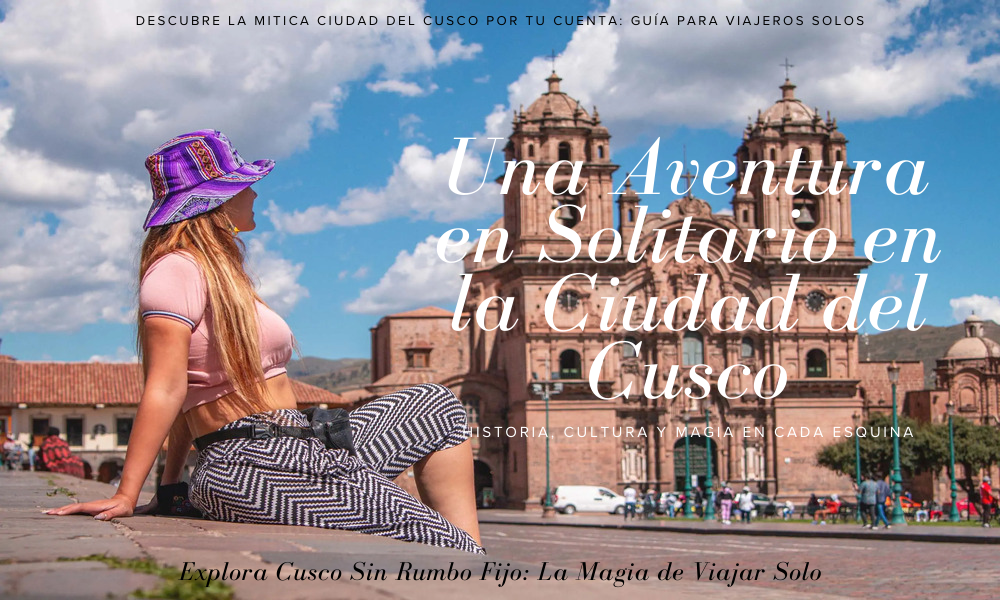
If you’ve ever wondered whether Cusco is a good destination for solo travel, this guide will explore everything you need to know: from safety and logistics to must-see sights and practical tips for making the most of your solo trip. Get ready to discover how this Peruvian gem can become your next unforgettable destination.
Why Cusco Attracts Solo Travelers
Cusco is not just the gateway to Machu Picchu; it’s a city that blends history, culture, and adventure at every turn. Walking its cobblestone streets, surrounded by colonial and Inca architecture, transports you to another era and makes you feel part of a millennia-old history. For solo travelers, this city offers a unique experience: a perfect balance between exploration, tranquility, and opportunities to meet new people.
Living Culture
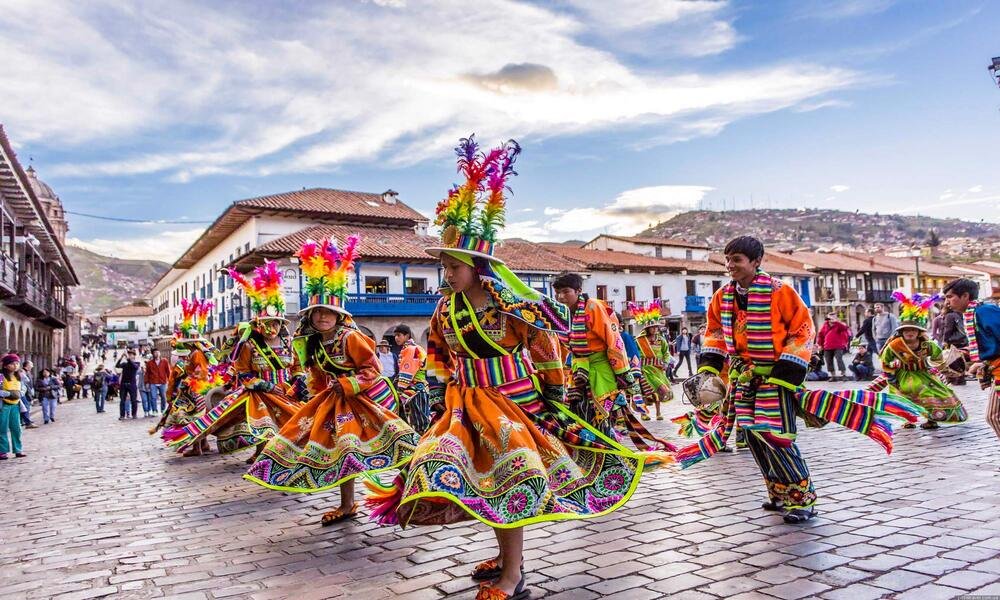
Cusco is a place where history isn’t just observed, it’s lived. From local markets, where you can sample Andean delicacies and buy authentic handicrafts, to traditional festivals brimming with music, dance, and color, the city invites you to immerse yourself in its rich culture. Traveling alone allows you to enjoy these experiences at your own pace: stopping at a textile workshop, participating in local ceremonies, or simply strolling and observing daily life without rushing.
Interaction with Other Travelers
Traveling alone doesn’t mean being isolated. Cusco’s hostels, cafes, and cultural spaces are ideal meeting points to connect with people from all over the world. Here you can exchange stories, plan joint excursions, or simply share a meal while meeting other travelers with similar interests. This international community makes even the most solitary travelers feel accompanied.
Variety of Activities
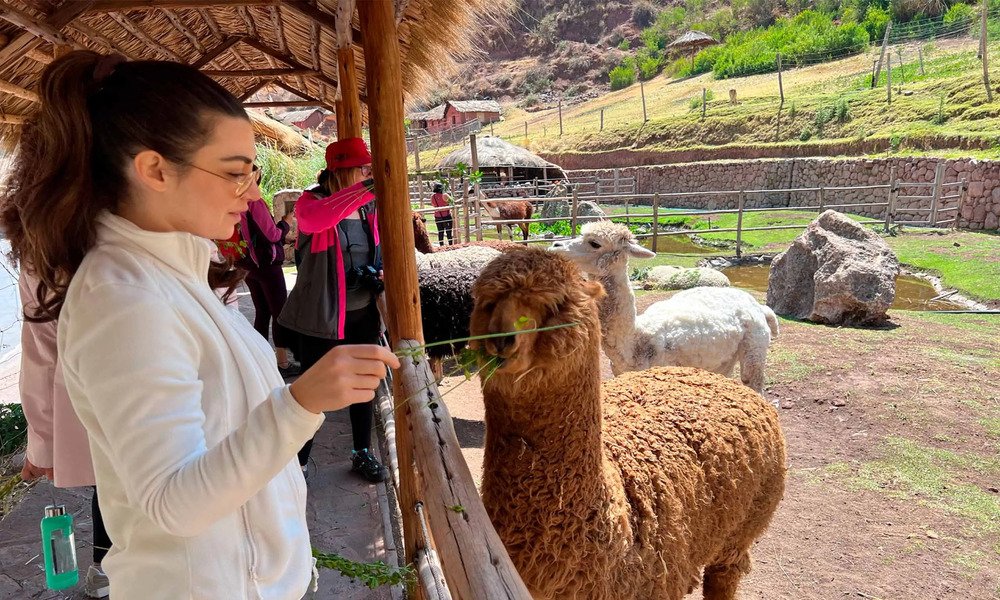
Cusco and its surroundings offer an impressive array of activities for those seeking adventure and a connection with nature. You can explore the Sacred Valley, visit ancient Inca ruins, trek to Machu Picchu, or venture up to Rainbow Mountain. Each activity can be tailored to your own pace and energy level, and by traveling solo, you have the freedom to choose exactly what you want to experience without being tied to a group or fixed itinerary.
Safety for solo travelers
Traveling alone always requires extra precautions, but Cusco is a fairly solo-friendly city. Here are some more comprehensive tips:
Move with caution: Avoid very isolated areas at night and stay in busy areas, especially around the Plaza de Armas and main streets. During the day, most tourist attractions are safe, but it is always advisable to be aware of your surroundings.
Use reliable transportation: Opt for licensed taxis, services like Beat or Uber, or transportation provided by hotels and hostels. Avoid hailing unverified taxis on the street.
Take care of your belongings: Use crossbody bags and store valuables in internal compartments. Be careful of pickpockets in markets and on public transport.
Clothing and Health: Cusco is over 3,300 meters above sea level. To prevent altitude sickness, increase your physical activity gradually, rest, stay hydrated, and consider eating light meals for the first few days. Sunscreen and warm clothing are essential, as the weather changes rapidly between day and night.
Connectivity and communication: Keep your phone charged and consider buying a local SIM card for data. It ‘s also helpful to have offline directions and maps downloaded.
Must-see places in Cusco for solo travelers
Plaza de Armas:
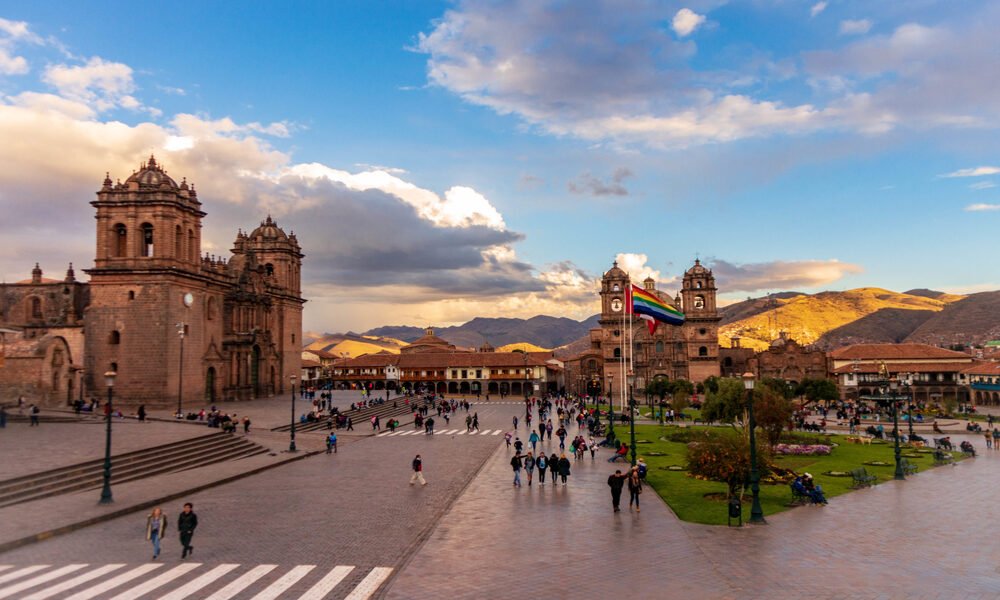
The heart of Cusco is a perfect place to begin exploring the city. Besides walking around and taking photos, you can visit the Cusco Cathedral and the Church of the Society of Jesus, which offer a glimpse into colonial art and architecture. The surrounding cafes and restaurants allow you to observe local life while enjoying a coffee or a typical Peruvian breakfast. At night, although the plaza remains lively, it’s advisable to keep an eye on your belongings and prefer well-lit areas.
Sacsayhuamán:
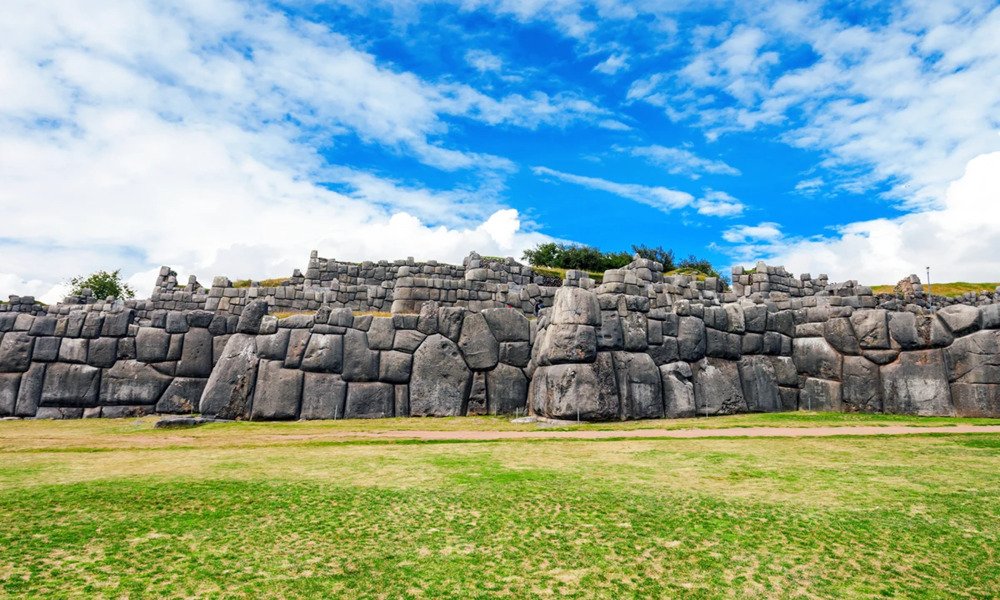
This impressive Inca fortress is famous for its enormous stone blocks fitted together perfectly without mortar. Arriving early not only avoids crowds but also allows you to enjoy the tranquility of the site and the sunrise over Cusco. It’s an ideal place to walk at your own pace, reflect, or simply contemplate the panoramic views of the city and the surrounding valleys. Don’t forget to bring water and comfortable shoes, as there are several slopes and uneven paths.
San Pedro Market:
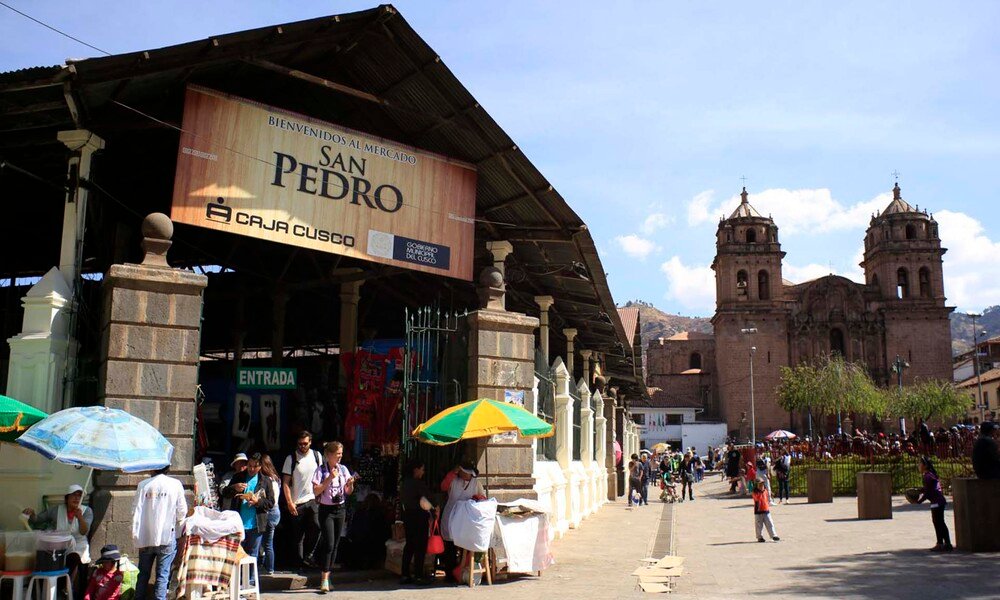
This market offers a true immersion into local culture. Here you can sample lesser-known Andean fruits, freshly squeezed natural juices, and traditional dishes like tamales, empanadas, and anticuchos. It’s a safe place for solo travelers as long as you keep your belongings in sight and mind your pockets. It’s also excellent for purchasing unique handicrafts, textiles, and souvenirs directly from local vendors. For a more enriching experience, consider taking a guided culinary tour of the market.
Sacred Valley:
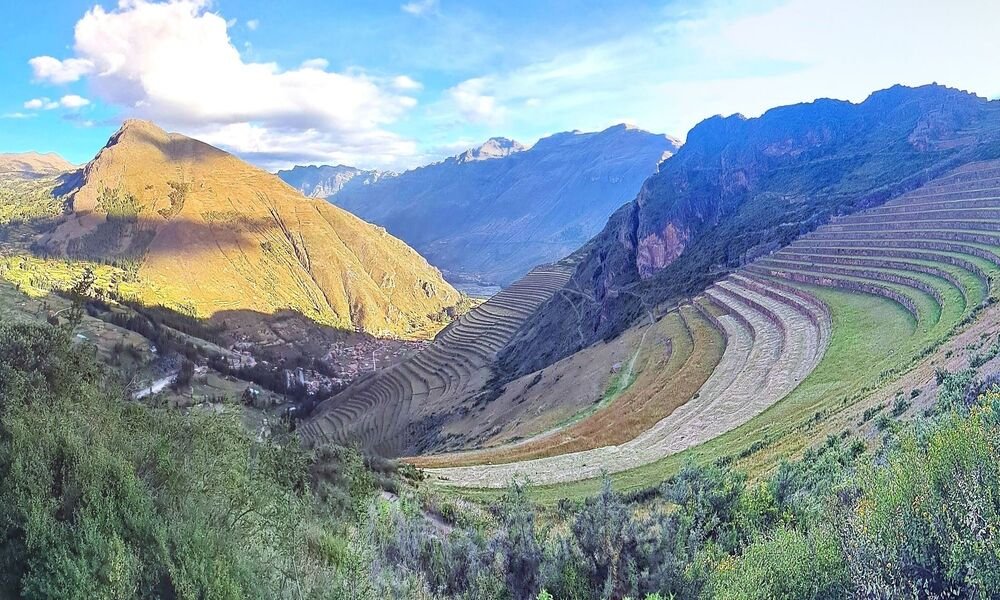
The Sacred Valley is home to traditional villages and archaeological sites that can be explored on day trips from Cusco. Pisac is famous for its artisan market and Inca terraces, while Ollantaytambo offers an Inca fortress with trails for hiking and exploring. Chinchero, known for its textile workshops, allows you to see the process of dyeing alpaca wool and cotton. If you’re traveling solo, a group tour can be a good opportunity to socialize, although renting private transportation gives you the freedom to explore at your own pace and make impromptu stops in small towns and viewpoints.
Machu Picchu:
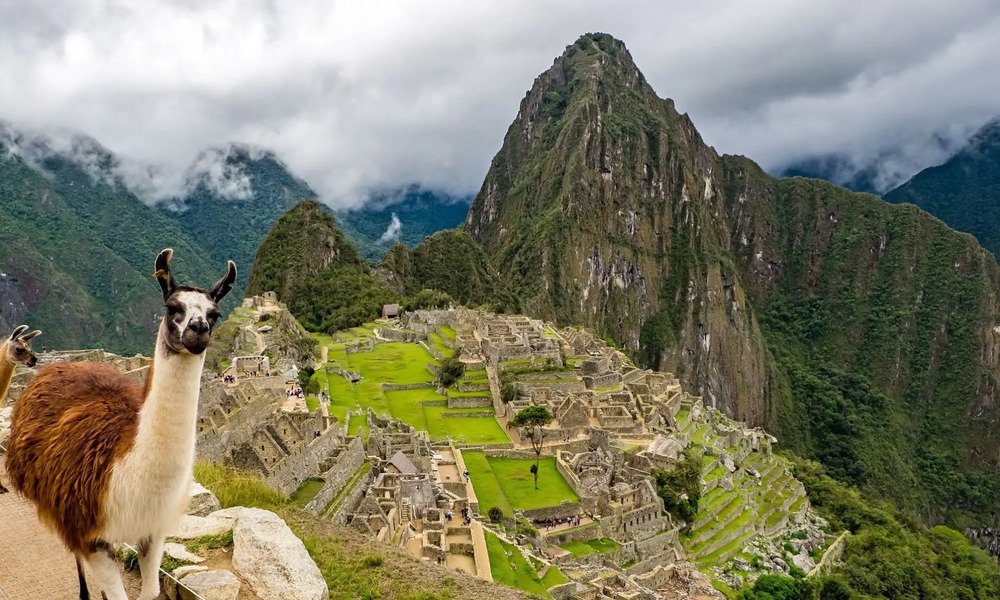
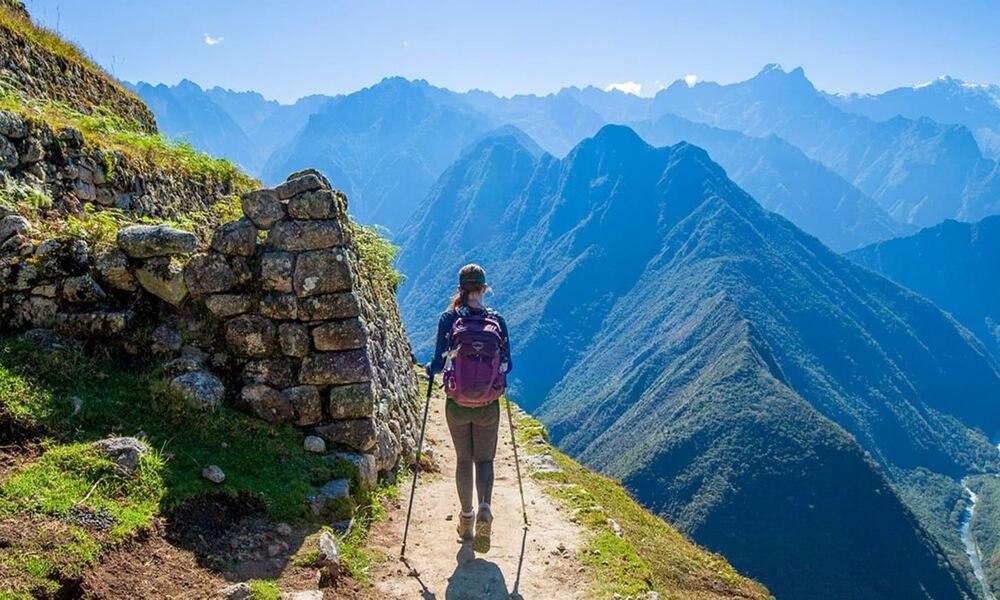
Peru’s most iconic destination offers unique experiences for solo travelers. You can choose guided tours to learn about Inca history in detail, or simply explore the site on your own, enjoying the magic of its temples and terraces. For adventurers, the Inca Trail or alternative routes like the Salkantay Trek provide an intense and profound connection with nature and culture. It’s important to plan entrance fees and transportation in advance, especially during peak season, and bring plenty of water and snacks to maintain your energy during your visit.
Practical Tips
-
Accommodation: Hostels and boutique hotels are ideal for meeting people. Many offer group activities.
-
Food: Trying local dishes like cuy chactado or causa limeña in markets and restaurants is safe and delicious.
-
Money: Bring some cash in soles, but also cards. The city has reliable ATMs and currency exchange offices.
-
Language: Although Spanish is the main language, many locals and tour guides speak English, especially in tourist areas.
Advantages of Traveling Solo in Cusco
-
Total freedom: Your itinerary depends only on your tastes and pace.
-
Personal connection: Being alone in historical and natural places allows you to reflect and disconnect from your routine.
-
Flexibility: You can decide when to socialize on tours or when to enjoy solitude.
-
Deeper cultural interaction: When traveling alone, it’s easier to approach locals and learn about their daily lives.
Challenges and how to overcome them
Traveling alone can be incredibly enriching, but it also presents some challenges that are best anticipated and planned for. Here’s how to deal with them:
Altitude: Cusco is over 3,300 meters above sea level, so altitude sickness is common. Take it easy on your first day, avoid strenuous physical activity, stay hydrated, and eat light meals. Avoid alcohol and heavy meals, and consider coca tea or preventative medication. If you experience headaches, dizziness, or nausea, rest and seek medical assistance if necessary.
Logistics: Planning ahead prevents setbacks. Purchase Machu Picchu tickets, train tickets, and bus tickets well in advance, especially during peak season (May to September). Check schedules and routes for the Sacred Valley, and consider using transportation apps or reliable guides to coordinate excursions. Always carry digital and physical copies of reservations, tickets, and your passport.
Weather and terrain conditions: The weather in Cusco can be unpredictable: intense sun during the day, frequent rain from November to March, and cool nights year-round. Dress in layers and bring a waterproof jacket, comfortable shoes for walking on cobblestones and uneven terrain, and sun protection with a hat or cap. Always carry water and snacks, especially on longer hikes.
Personal safety: Although Cusco is generally safe, avoid lonely streets at night and poorly lit areas. Keep your belongings in sight and use cross body bags or backpacks with zippers. It’s advisable to inform someone of your daily itinerary, especially if you plan long or solo excursions.
Common illnesses and prevention: Wash your hands frequently and use hand sanitizer. If you eat street food, make sure it’s freshly cooked. Carry a basic first-aid kit with pain relievers, stomach medication, and bandages for minor injuries.
Conclusion
If you’re looking for a destination that combines history, culture, adventure, and safety, Cusco is ideal for solo travel. The city not only offers incredible places to discover but also the opportunity to find yourself as you wander its magical streets. With the right preparation and an open mind, your trip to Cusco can become one of the most memorable experiences of your life.
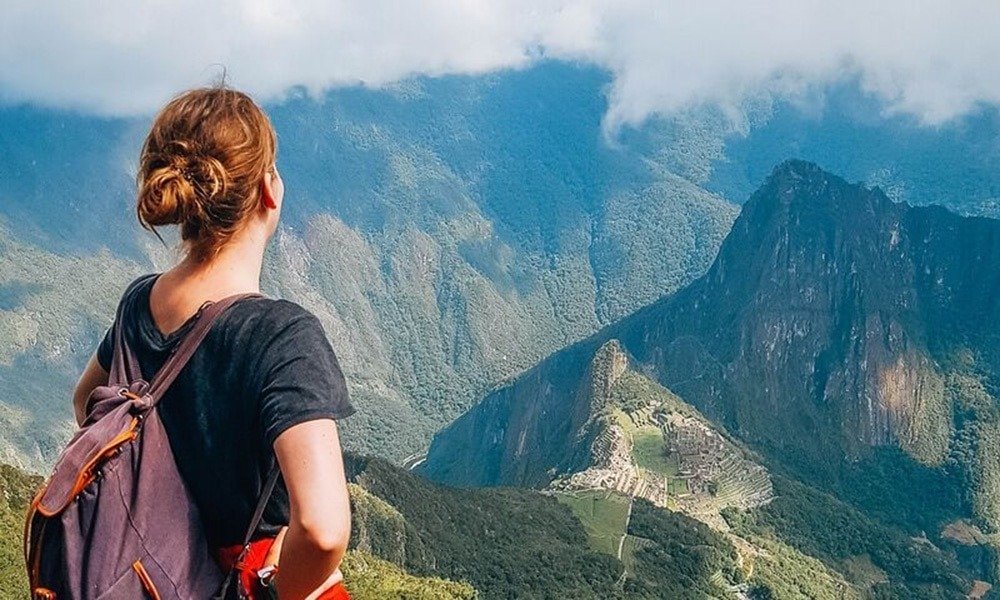
Traveling alone to Cusco is not just a tourist trip: it is an experience of growth, adventure and cultural connection that you will remember forever.