


“Is it possible to do Choquequirao without a tour?”
Yes, it’s entirely possible to trek to Choquequirao without an organized tour, and every year many experienced travelers choose to do it independently. Unlike the Inca Trail, there’s no system of limited permits or strict daily quotas managed by the government. This gives you much greater freedom to organize the trip according to your own schedule, pace, and budget. You can choose how many days to hike, where to stop for longer periods, and how to distribute the physical effort—something many hikers greatly appreciate.
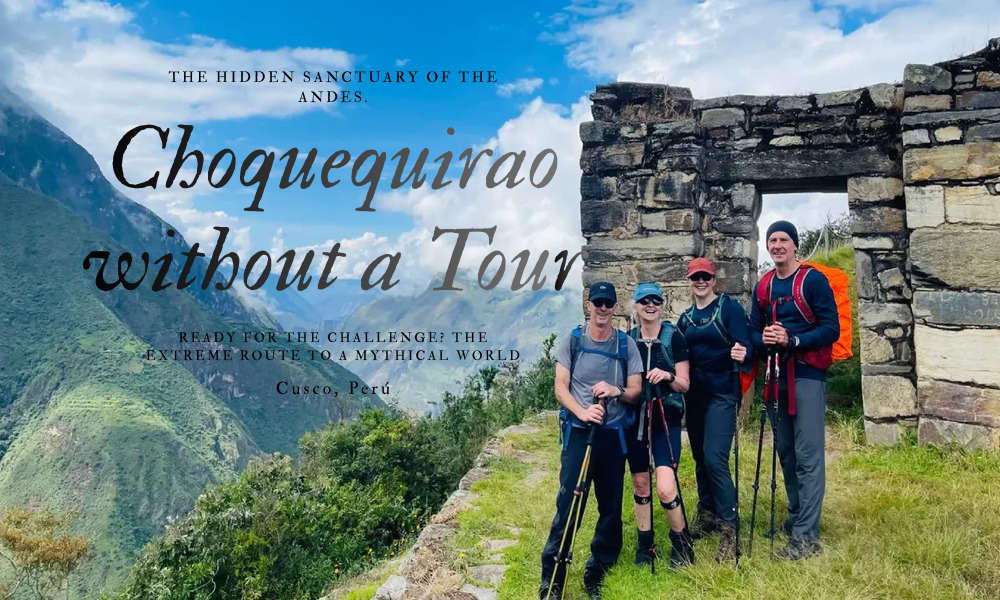
However, just because it’s possible doesn’t mean it’s easy. Choquequirao is considered one of the most demanding treks in southern Peru, not only because of its total distance, but also because of the combination of accumulated elevation gain, changeable weather, and geographic isolation. It’s not simply a matter of walking for several hours a day; the terrain requires long, technical descents followed by prolonged ascents that can last for hours without a real break. Furthermore, the intense heat at the bottom of the canyon contrasts sharply with the cold nights at high altitude, demanding good physical preparation and appropriate equipment. The route is remote, and cell phone service is limited or nonexistent in several sections, making self-sufficiency essential.
How do you organize the route if you’re going on your own?
The classic trek begins in the Capuliyoc area, near the town of Cachora, which you can reach from the city of Cusco or from Abancay. From there, a hike begins that, in its traditional version, lasts between 4 and 5 days round trip, although many people extend it to 6 days to walk at a more leisurely pace and better enjoy the surroundings.
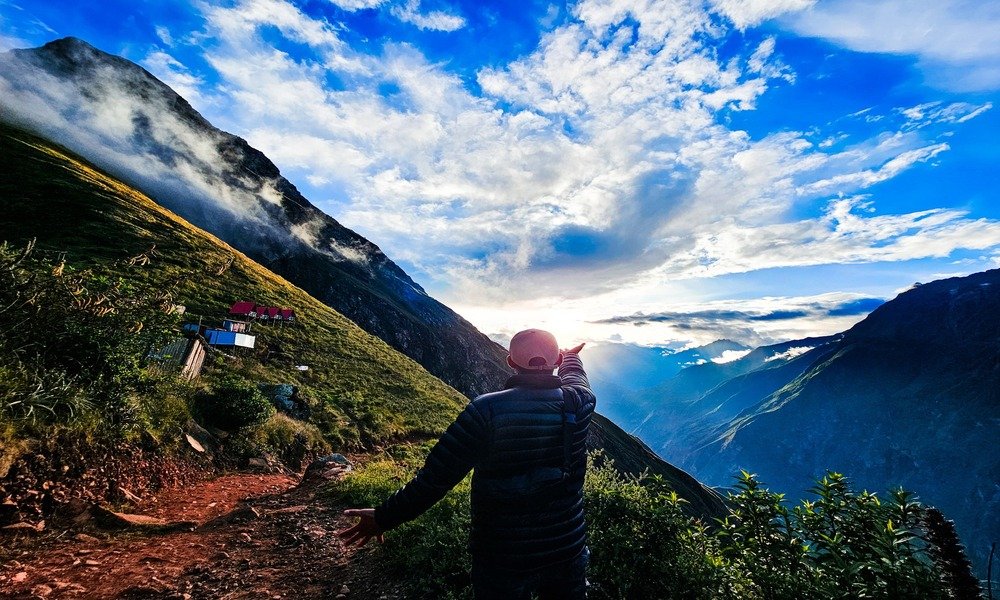
The route begins with a long, steep descent into the deep Apurímac River Canyon, one of the most impressive in South America. This section is quite punishing on the knees and can be tougher than it looks, especially under the intense midday sun. After crossing the river comes one of the trek’s greatest challenges: the continuous and prolonged ascent to the archaeological complex, located approximately 3,050 meters above sea level. This section combines a constant incline, heat, and accumulated fatigue, making it the most physically and mentally demanding point.
If you take the tour without an agency, you will need to plan carefully:
Where to camp each night
How many hours to walk per day
How much water to carry or where to refill
How to distribute the weight of your backpack
Although there are basic campsites along the trail (some with rustic bathrooms), they lack developed tourist infrastructure and permanent services. During the off-season, some may even be closed or unmaintained.
Full logistics: what going without a tour involves
Trekking without a tour means taking full logistical responsibility from start to finish. This includes arranging transportation to the starting point, planning your return, managing food supplies for several days, and ensuring you have all the necessary equipment for varying weather and terrain conditions.
Transport to the starting point
Purchase or rental of camping equipment
Multi-day meal planning
Water Handling and Purification
Time and Camp Organization
Basic Emergency Management
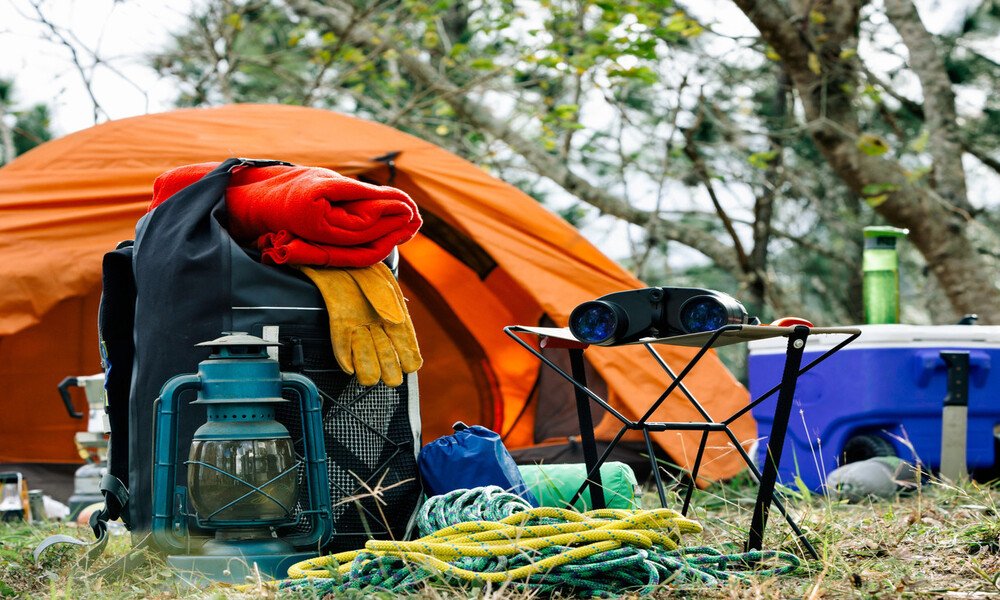
In practice, this means carrying a backpack with a tent, a sleeping bag suitable for cold mountain conditions, a sleeping pad, a portable stove, fuel, utensils, warm clothing, and sufficient food. Depending on your experience and ability to optimize weight, the backpack can weigh between 12 and 18 kilos. This additional load directly affects the difficulty level of the trek, especially on long ascents.
An intermediate option is to hire muleteers and mules directly in Cachora, which allows you to significantly reduce the weight of your backpack without paying for a full tour. This option maintains your independence but requires direct coordination with locals, clear agreements on times and meeting points, and advance planning.
Approximate costs without a tour
One of the biggest advantages of visiting Choquequirao independently is the cost savings. While an organized 4- or 5-day tour can cost between $400 and $700 USD, doing it independently significantly reduces the overall budget.
On the other hand, if you go it alone, the costs can be distributed as follows:
Transporte ida y vuelta: 20–50 USD aprox.
Entrance to the archaeological complex: around S/60 (approx. 15–18 USD).
Food for 4–5 days: $40–$80.
Campsites: small payments for use of areas (variable).
Equipment rental (if you don’t have your own): variable depending on quality.
Generally speaking, the total budget for independent travel can range from approximately $80 to $250 USD. The difference will depend on whether you already have your own equipment, whether you decide to hire local support, or whether you opt for private transportation instead of public transport.
Real Risks and Challenges
Choquequirao is not a typical tourist hike; it’s an adventure experience that demands respect for the environment and awareness of the risks. The physical demands are high, with long stretches without shade and very steep inclines that test cardiovascular and muscular endurance. The heat at the bottom of the canyon can be intense, while nights at higher altitudes can drop to quite cold temperatures. Cell phone service is virtually nonexistent along most of the route, meaning that any emergency must be handled with your own resources or with the help of other hikers. Medical assistance is remote, and an evacuation can take several hours or even longer, depending on the location and weather conditions.
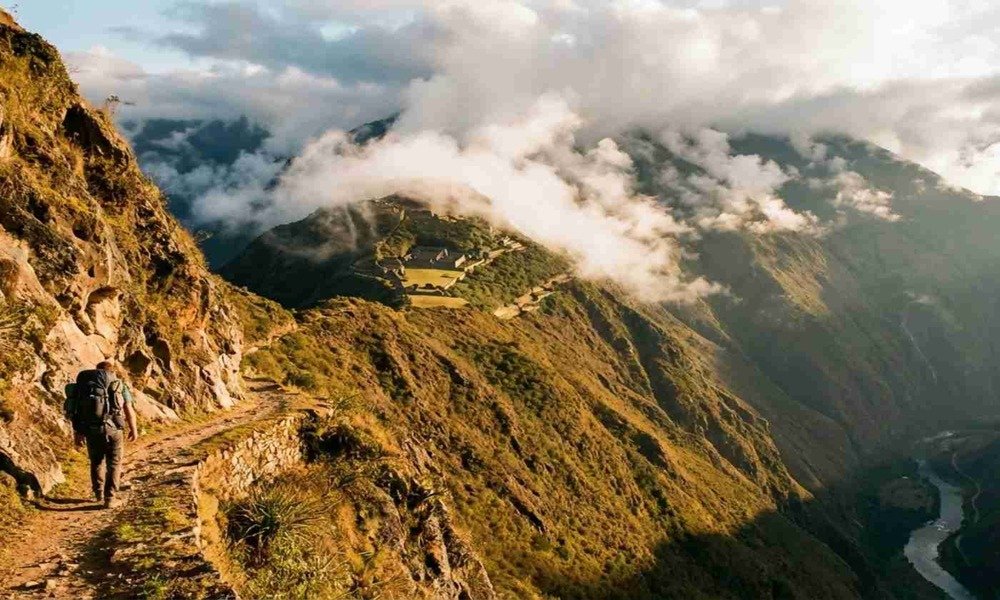
Furthermore, many people underestimate the return journey, which includes climbing back up from the river to the starting point. This final stretch, combined with the accumulated fatigue of several days, is often one of the toughest parts of the trek.
Best time to do it
The best time to trek to Choquequirao is during the dry season, which runs roughly from May to October. During these months, rainfall is infrequent, allowing the trails to remain firmer and more stable. This is especially important on a route with steep ascents and descents, where the dry terrain significantly reduces the risk of slips and falls. Furthermore, the risk of landslides is considerably lower, providing greater safety on exposed sections of the trail.
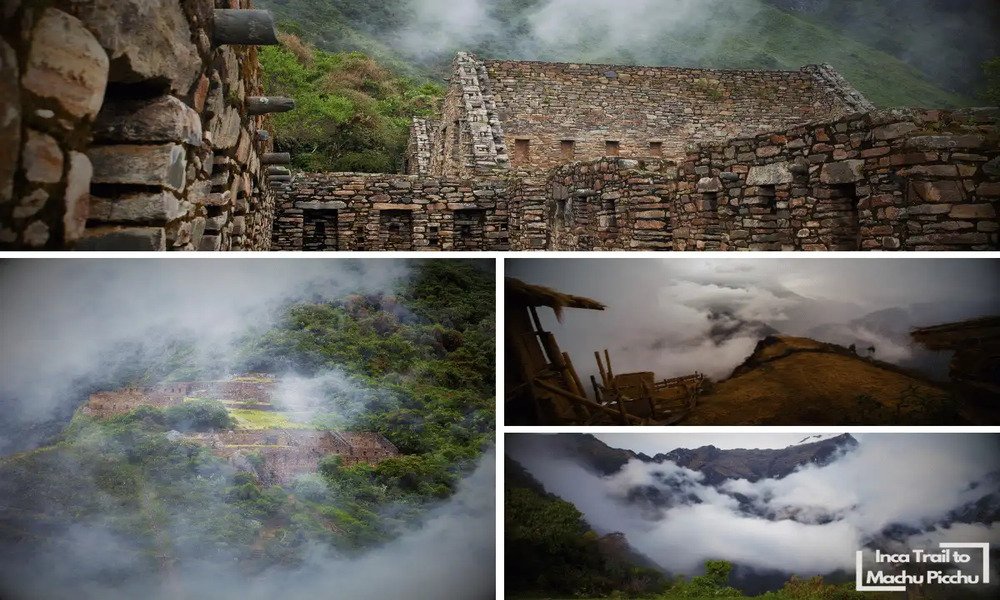
Another advantage of the dry season is the greater predictability of the weather. Although nights can be cold—especially in high-altitude camping areas—days are usually clear with good visibility, allowing you to better enjoy the landscapes of the Apurímac Canyon and the panoramic views of the archaeological complex. These more stable conditions facilitate independent planning, as you are less likely to have to modify your itinerary due to heavy rains or flash floods.
The rainy season in the Andean region runs from November to April. During these months, the landscape is transformed: the mountains are covered in a vibrant green, and the vegetation is more abundant and lively. Visually, the scenery can be even more spectacular and photogenic. However, this beauty comes with greater logistical and physical challenges.
Is it worth doing it without a tour?
Visiting Choquequirao independently offers a profoundly authentic and personal experience. It’s a much less visited archaeological site than Machu Picchu, allowing you to explore it at your own pace, without large crowds, and with a much more intimate sense of discovery.
The satisfaction of arriving through your own effort, after several days of demanding hiking, creates a special connection with the landscape and the history of the place. Every terrace, every wall, and every panoramic view feels more meaningful when the journey there has been entirely self-directed.
Conclusion
Yes, you can hike Choquequirao without a tour. You don’t need special permits or reservations made months in advance. However, it’s a challenging, remote, and physically demanding trek that requires preparation, responsible planning, and prior multi-day trekking experience.
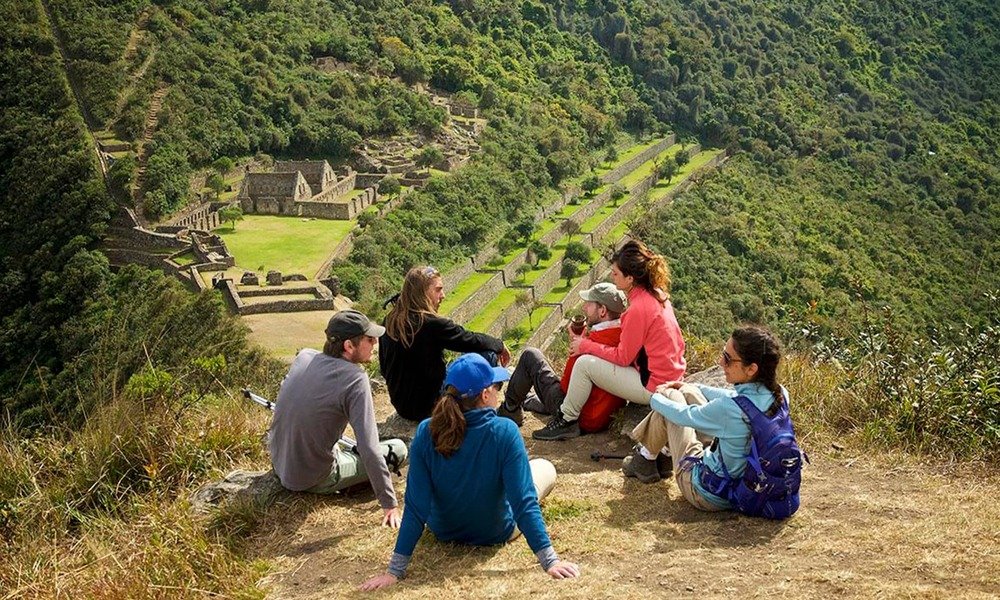
If you’re in good physical condition, have mountain experience, and enjoy self-sufficiency, hiking on your own can be one of the most rewarding adventures you’ll experience in the Peruvian Andes. However, if you prefer greater logistical security and reduced risks, opting for an organized tour can provide peace of mind and constant support throughout your trek.