


Recommendations for preventing altitude sickness while trekking
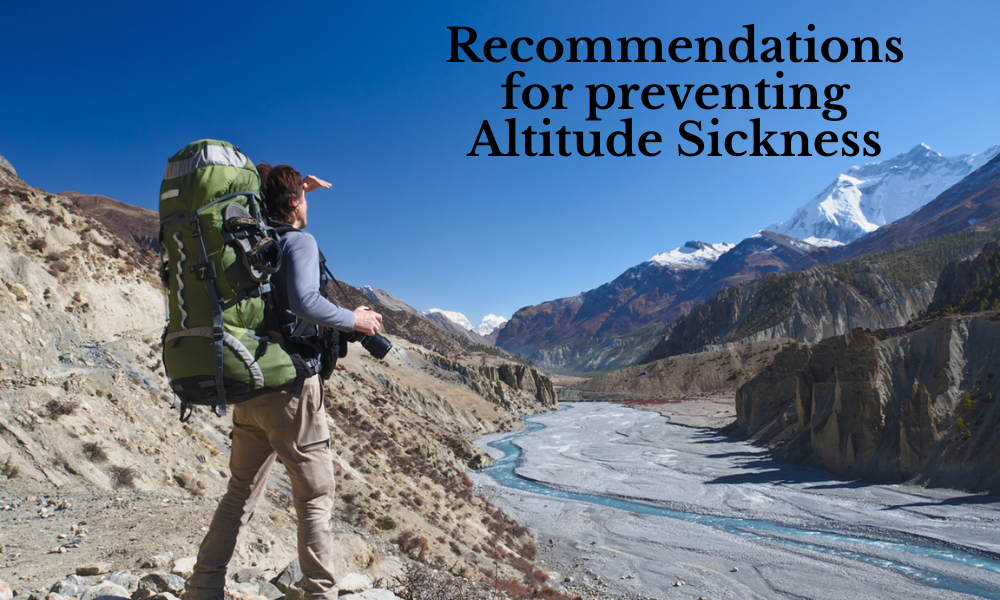
Recommendations for preventing altitude sickness while trekking: Trekking in high-altitude areas is a unique experience that allows you to enjoy spectacular landscapes, especially in mountainous regions like the Andes. However, when we ascend to places with less oxygen, our bodies can experience altitude sickness, also known as soroche. With good preparation and some basic precautions, it is possible to significantly reduce the risk and enjoy the trip safely.
What is altitude sickness?
Altitude sickness occurs when the body doesn’t adapt properly to the reduced oxygen levels found at altitudes generally above 2,500 meters (8,500 feet) above sea level. The most common symptoms include headache, fatigue, dizziness, nausea, loss of appetite, and difficulty sleeping.
Although in many cases the symptoms are mild, if precautions aren’t taken they can worsen and negatively impact the trekking experience.
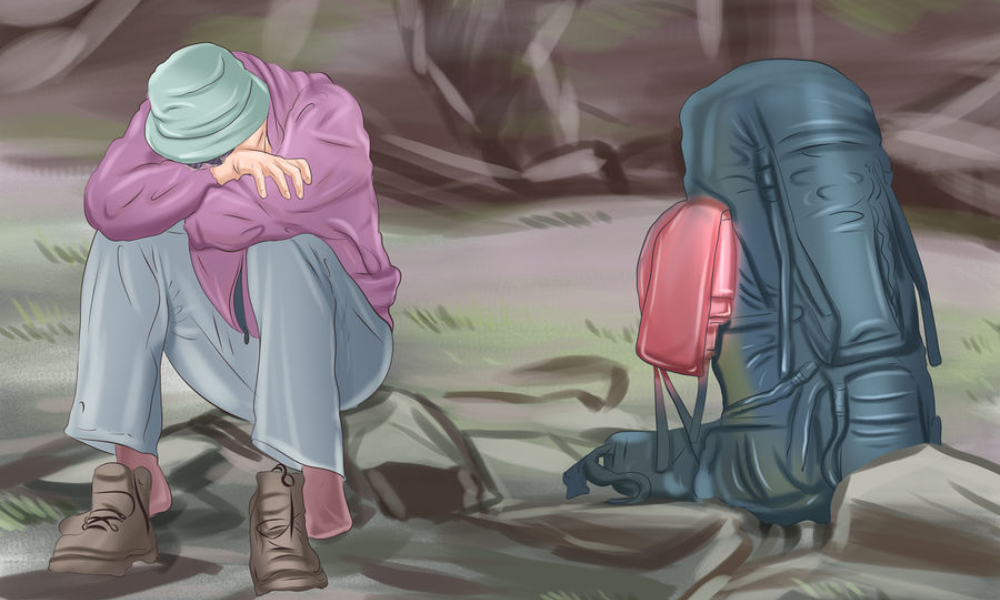
1. To achieve proper acclimatization
One of the most important factors in preventing altitude sickness is allowing the body to adapt gradually. It’s advisable to spend one or two days at an intermediate altitude before starting a demanding trek.
During this period, it’s recommended to take gentle walks, get plenty of rest, and avoid strenuous physical activity.
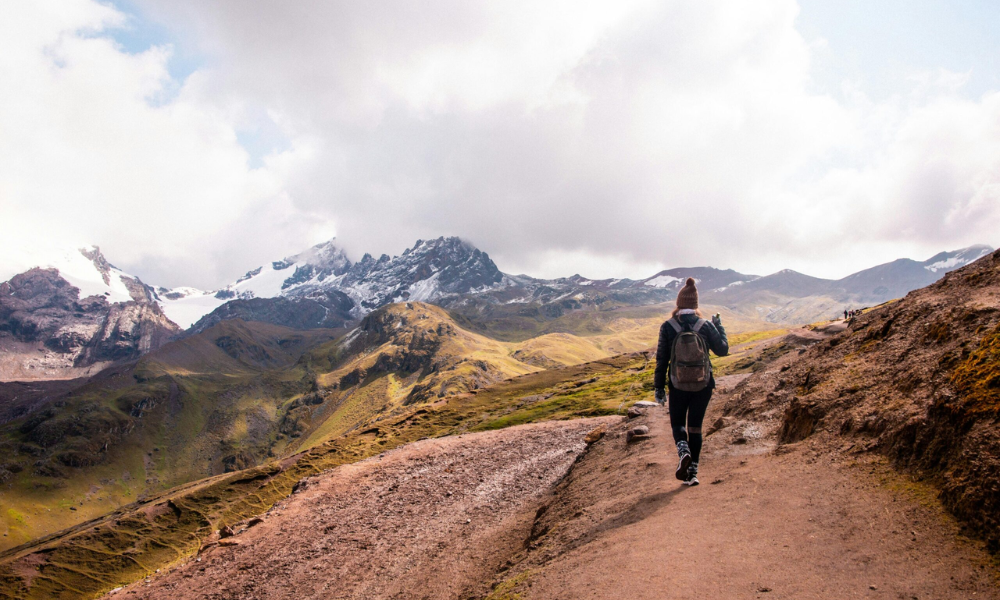
2. Ascend gradually
When trekking in high mountains, it’s best to increase altitude gradually. A common rule is to not sleep more than 300 to 500 meters higher than the previous night when above 3,000 meters.
This allows the body to better adapt to the changes in pressure and oxygen levels.
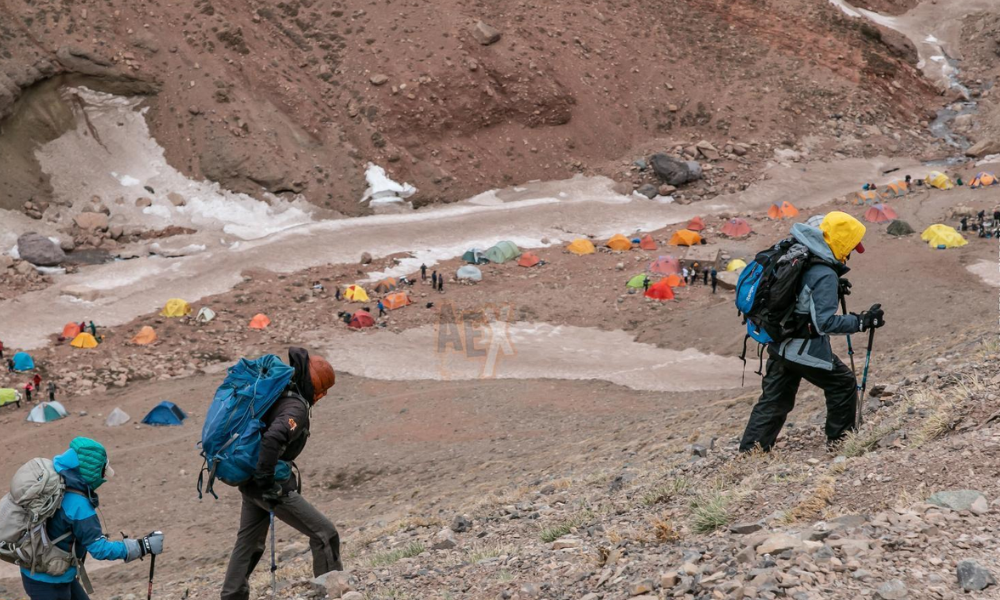
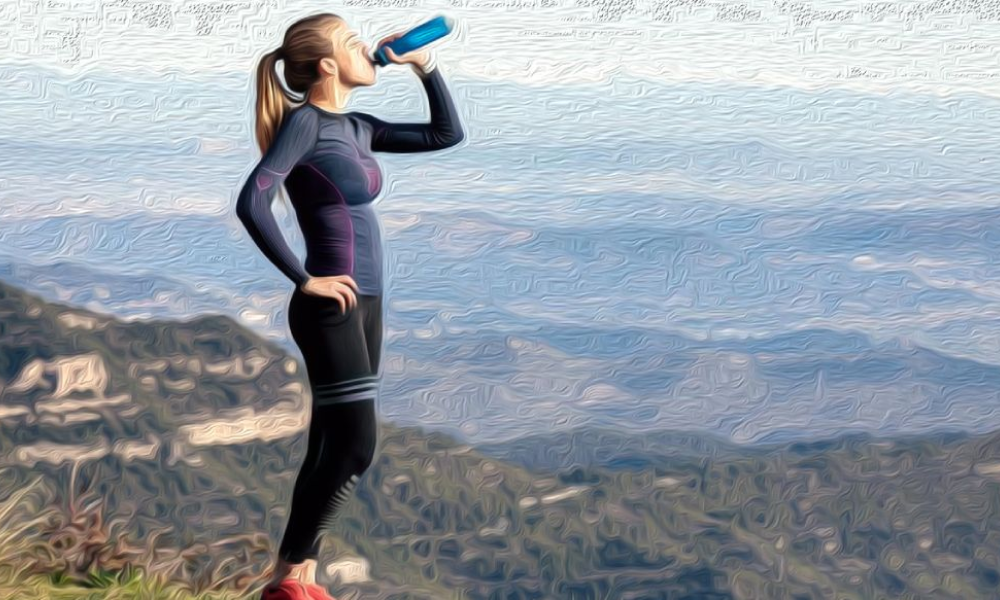
3. Maintain good hydration
Dehydration can worsen the symptoms of altitude sickness. Therefore, it’s important to drink plenty of water throughout the day. It’s also recommended to avoid excessive alcohol consumption and limit highly caffeinated beverages.
Hot herbal teas and electrolyte drinks can help maintain the body’s balance.
4. Eat a proper diet
During trekking, it’s recommended to eat light, carbohydrate-rich foods, as the body uses them more efficiently in low-oxygen conditions.
Fruits, cereals, soups, and easily digestible foods are good options for maintaining energy levels during hikes.

5. Listen to your body
Everyone reacts differently to altitude. If symptoms such as severe headache, vomiting, or difficulty breathing appear, it’s best to stop ascending and rest.
In more severe cases, the most effective measure is usually to descend to a lower altitude.
6. Consider natural remedies or medications
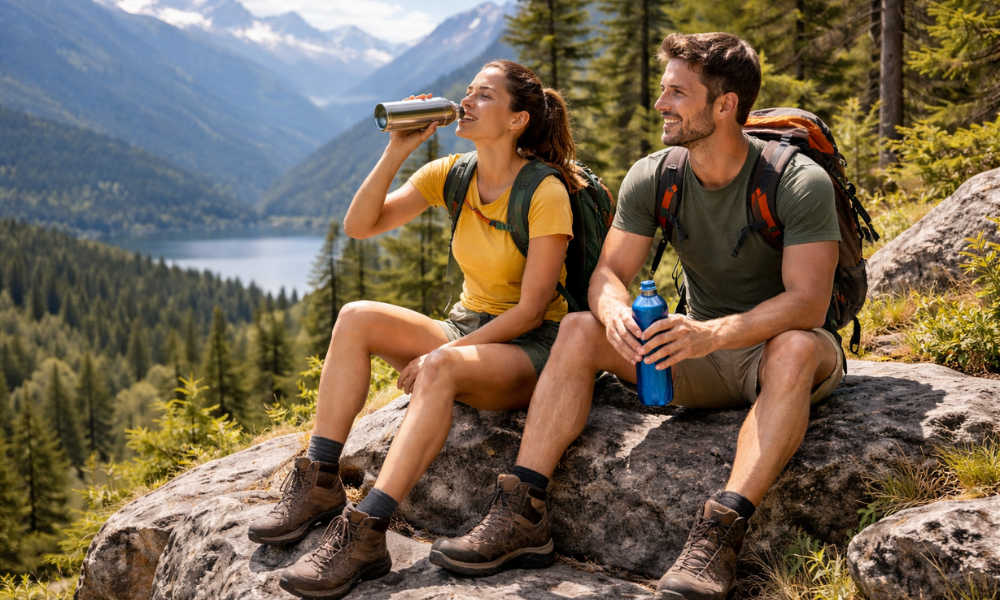
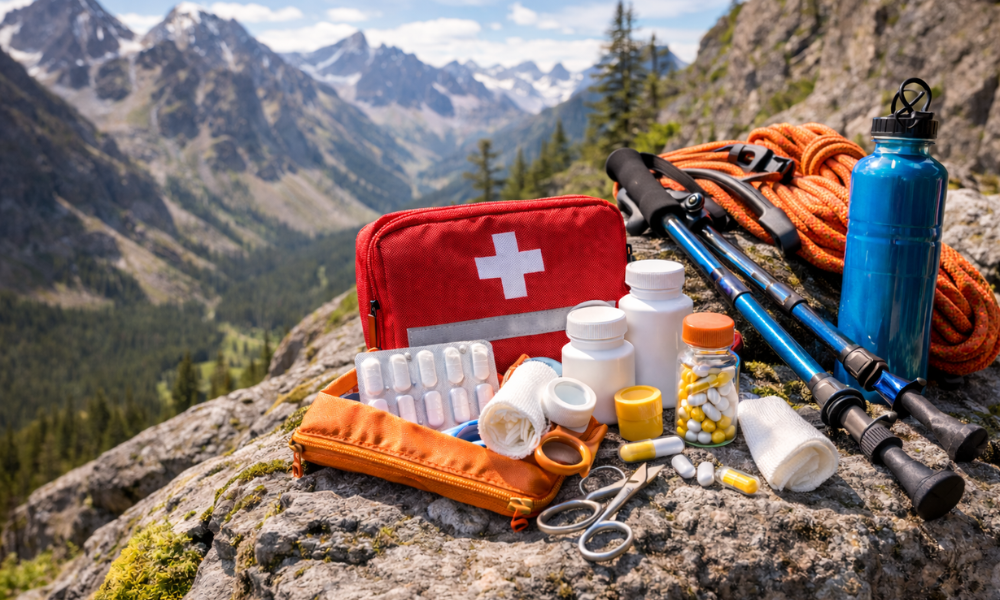
In some Andean regions, it’s common to drink coca tea, which can help alleviate mild symptoms of altitude sickness. There are also medications that healthcare professionals may recommend to prevent or treat altitude sickness.
It’s always advisable to consult a doctor before traveling, especially if you plan to trek at high altitude.
Conclusión
Recommendations for preventing altitude sickness while trekking: Altitude sickness doesn’t have to ruin a mountain adventure. With good planning, proper acclimatization, and listening to your body’s signals, it’s possible to enjoy high-altitude trekking safely.
Preparing well before your hike will ensure that the experience is not only exciting but also healthy and memorable.