How long Americans can stay in Peru without a visa
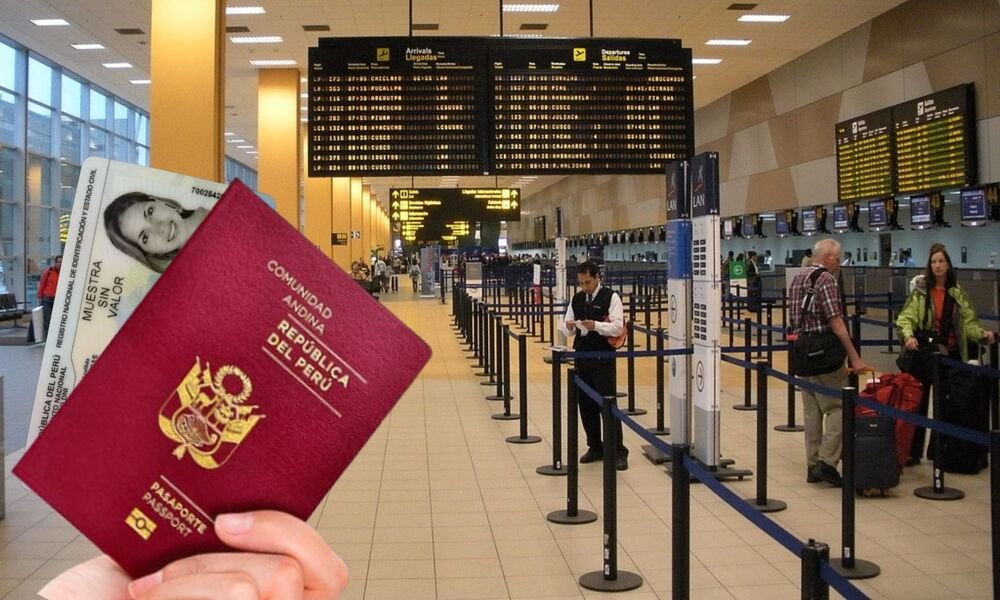
If you’re planning a trip to Machu Picchu, Cusco, or the Peruvian Amazon, understanding the entry rules is essential. U.S. citizens don’t need a visa for short tourist visits — but there are specific time limits you must know. In this guide, we’ll explain the official rule, what actually happens at immigration, and how to manage your stay legally while exploring one of South America’s most fascinating countries.
7 Essential Facts About U.S. Citizens’ Stay in Peru
The Official Regulation
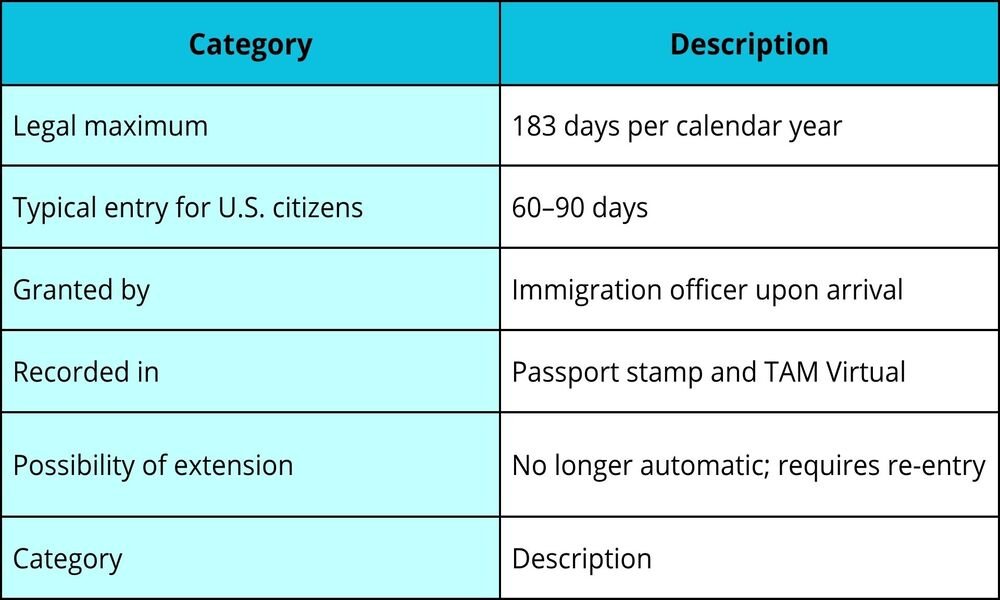
Peru’s immigration system authorizes a maximum stay of 183 days per calendar year for tourists from the United States.
This does not necessarily mean you will automatically receive six months. When you arrive, the officer will decide how many days to stamp in your passport — it could be 30, 60, 90, 120, or 183 days — based on your travel plans, return ticket, or accommodation details.
-
Then vs. Now: What Has Changed
In the past, it was common for U.S. citizens to be given the full 183 days automatically upon entry.
Today, things have changed slightly. Immigration officers are now more selective, and most American visitors receive 90 days or less on their first visit.
This shift happened after the 2023 Immigration Law update (Legislative Decree No. 1582), which introduced stricter control over the total number of days a tourist can spend in the country each year.
-
Why This Flexibility Exists
The difference between the official rule and what travelers actually receive is intentional.
Peru’s immigration authorities prefer to evaluate each visitor’s travel behavior. Many digital nomads or long-term tourists used to stay indefinitely by leaving and re-entering the country, so the government introduced more discretion at entry points.
If you have a clear itinerary, hotel reservations, and a round-trip flight, it is still possible to be granted a longer stay — even up to 183 days — but it is not guaranteed.
Peru’s Immigration Law (Legislative Decree No. 1582)
Peru’s updated immigration framework, known as Legislative Decree No. 1582, officially defines how long Americans can stay in Peru without a visa. This law, enacted in 2023, establishes that U.S. citizens may remain in the country for up to 183 days within a 365-day period. These days are cumulative, which means the total time spent in Peru across multiple trips throughout the year cannot exceed that limit. The number of days granted is decided by the immigration officer upon arrival and may vary depending on your travel plans, return ticket, or reason for visiting. While some travelers receive the full 183 days, most are given 60 or 90 days as standard practice, especially for short-term visits.
Before this regulation, it was easier to extend a tourist stay directly within Peru. However, under the new system, travelers who wish to remain longer must leave the country and re-enter to obtain a new period of stay. This change aligns Peru’s immigration controls with international standards and helps monitor long-term visitors more effectively. Every traveler’s entry and exit data is recorded digitally in the TAM Virtual system, allowing tourists to verify their authorized stay and avoid potential fines or restrictions for overstaying.
Tourist Entry Process: What Happens at the Airport or Border
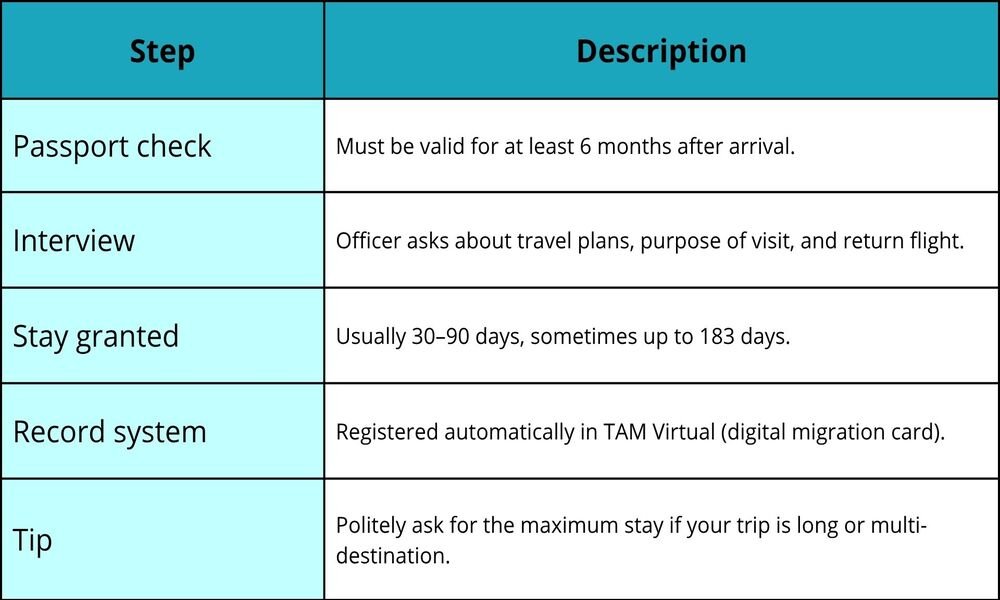
When arriving in Peru, American travelers go through a simple but important immigration process that determines how long they can stay in Peru without a visa. At the airport or land border, an immigration officer will review your passport, which must be valid for at least six months beyond your entry date. They will then ask about your travel plans, your return flight, and the purpose of your visit. Based on this information, the officer decides the number of days you are authorized to stay—typically 30, 60, 90, 120, or up to 183 days. This decision is discretionary and can differ from traveler to traveler. Although you can politely request the maximum stay of 183 days, approval depends entirely on the officer’s assessment of your documents and travel intentions.
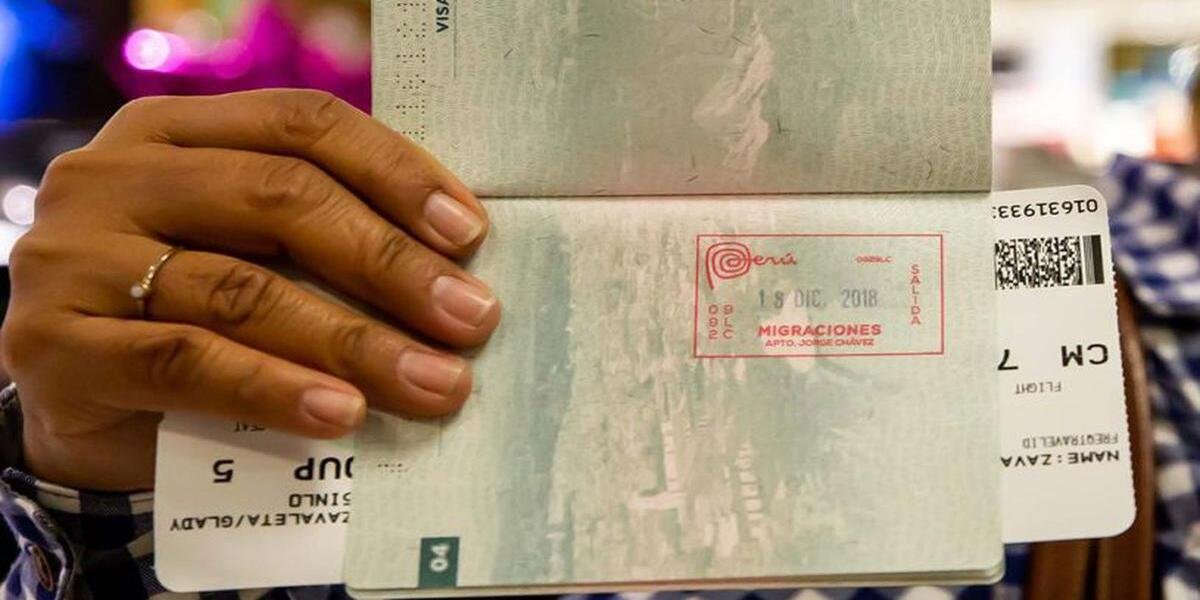
Once your entry is approved, you will not receive a physical card, as Peru has replaced the old system with a digital record called TAM Virtual . This system automatically stores your entry date, the number of days granted, and your personal details. You can access or download this record online to confirm the expiration of your stay. It’s essential to verify the information as soon as possible to avoid overstaying, since Peru now enforces stricter penalties for exceeding your permitted time. Keeping a screenshot or printed copy of your entry record can help you prove your legal stay during hotel check-ins or airport departures.
“Traveling is never a matter of money but of courage.” – Paulo Coelho
Can You Extend Your Stay in Peru?
Many travelers often ask how long Americans can stay in Peru without a visa and whether it’s possible to extend that time once they arrive. In the past, it was simple for tourists to apply for an extension at the immigration office and stay longer by paying a small fee. However, the new rules under Legislative Decree No. 1582 have changed this process completely. Extensions are no longer automatic or guaranteed. Now, if you want to stay beyond the days granted on arrival, you must leave the country and re-enter to receive a new entry period. This ensures that no traveler exceeds the legal limit of 183 days within a 365-day period, which is the official duration allowed for American tourists visiting Peru without a visa.
Today, the most common way to extend your stay is by taking a short trip to a nearby country, such as Chile, Bolivia, or Ecuador, and returning afterward. However, this method doesn’t always work. Immigration officers have full authority to decide whether to grant you more days or deny re-entry if they believe you’ve been living in Peru continuously under tourist status. To remain longer legally, you can apply for another visa type — such as student, work, or resident — depending on your situation. Always check your TAM Virtual record to confirm your authorized stay and avoid fines or issues during departure. Planning ahead and respecting your allowed time is the best way to keep your travels worry-free.

What Happens If You Overstay?
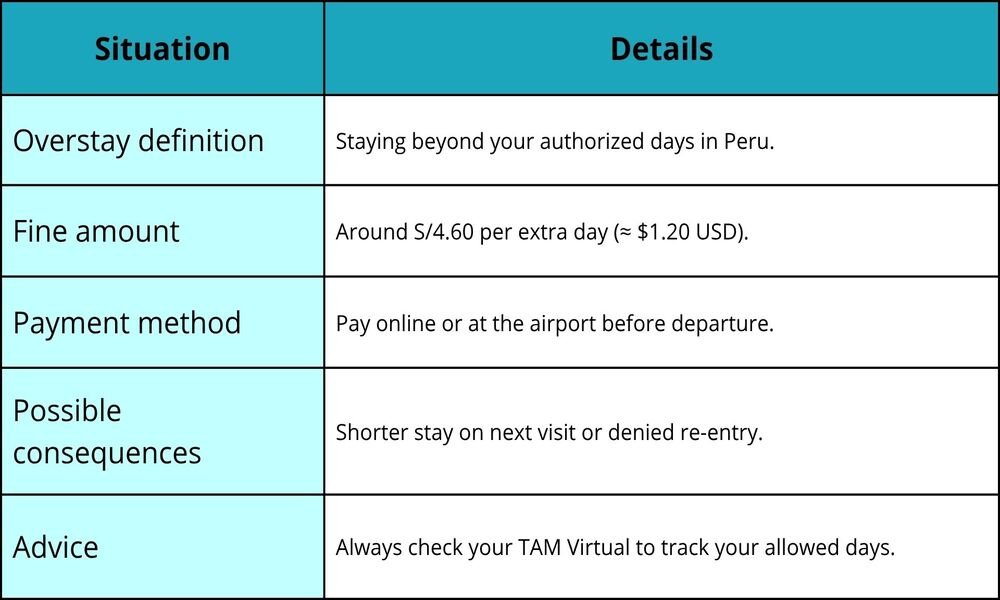
If you stay in Peru longer than the period authorized by immigration, you will be officially considered an overstaying tourist. This can happen easily if you lose track of the days granted upon arrival, which is why it’s important to check your TAM Virtual regularly. The current fine for overstaying is around 4.60 soles per day (about $1.20 USD), calculated from the day your legal stay expires until the day you leave. The payment can be made online through the Migraciones Perú website or directly at the airport before departure. Even though the process to pay is simple, it’s always better to avoid overstaying, since repeated violations could lead to additional questioning or limited entry in future visits.
Overstaying also affects how long Americans can stay in Peru without a visa on their next trip. Immigration officers may grant a shorter period or deny re-entry if they see multiple overstays in your record. Moreover, travelers who overstay significantly might be flagged in the TAM Virtual system, which tracks all entries and exits digitally. To prevent problems, plan your return flight a few days before your permitted stay ends, or renew your entry legally by exiting and re-entering the country if necessary. Following the official rules helps you maintain a clean immigration history and ensures your future travels through Peru remain smooth and stress-free.
Multiple Entries: Leaving and Coming Back
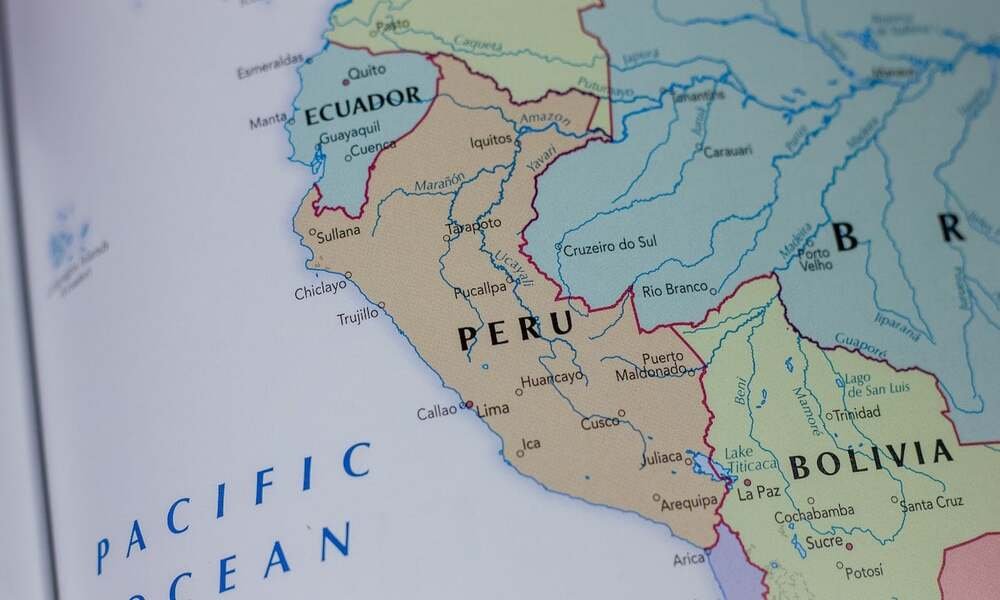
Some travelers think that leaving and re-entering Peru completely resets their stay, but that’s not entirely true. U.S. citizens can enter Peru several times a year without a visa, yet the total time spent in the country cannot exceed 183 days within a 365-day period. This limit applies to all visa-exempt visitors and is clearly stated in Peru’s immigration law. In practice, many travelers make short trips to nearby countries like Chile, Bolivia, or Ecuador before coming back to Peru. While this is allowed, immigration officers always have the final say. They may approve a new entry with fewer days or, in some cases, refuse re-entry if they believe you are living in Peru under a tourist permit.
Therefore, it’s important to plan your travel days carefully and keep track of your time through the TAM Virtual system, which records every entry and exit automatically. If your travel history shows long or frequent stays, the authorities might shorten your next visit. This rule helps maintain fair use of Peru’s visa-free policy and prevents visitors from using tourist entries as a substitute for residency. To stay longer legally, consider applying for a resident, student, or work visa instead of relying on continuous border crossings. Staying organized and respecting your allowed period will make your future entries smooth and problem-free.
When You Need a Visa or Residency Permit
Knowing how long Americans can stay in Peru without a visa is useful for short-term visitors, but those who want to live, work, or study in the country need a different status. If your total stay will exceed 183 days within a year, you must apply for a visa or residency permit. Peru offers several options depending on your purpose: a work visa if you have a local job offer, a student visa for academic programs, a retirement visa for pensioned travelers, or a family visa if you are married to a Peruvian citizen. Each visa type has its own requirements, such as proof of income, background checks, or official documents legalized by the Peruvian consulate. The process is managed by Migraciones Perú and usually takes a few weeks, so it’s best to apply well before your tourist stay ends.
Applying for the correct visa not only lets you stay longer but also gives you more rights while living in Peru. With legal residency, you can open a bank account, rent a house, sign contracts, and even travel in and out of the country freely without worrying about overstaying. For digital nomads or remote workers, residency also provides stability and access to long-term services. Following the proper process ensures that your stay is fully legal and prevents problems with future entries or fines. Planning ahead and respecting the 183-day limit is the smartest way to enjoy Peru safely and responsibly.