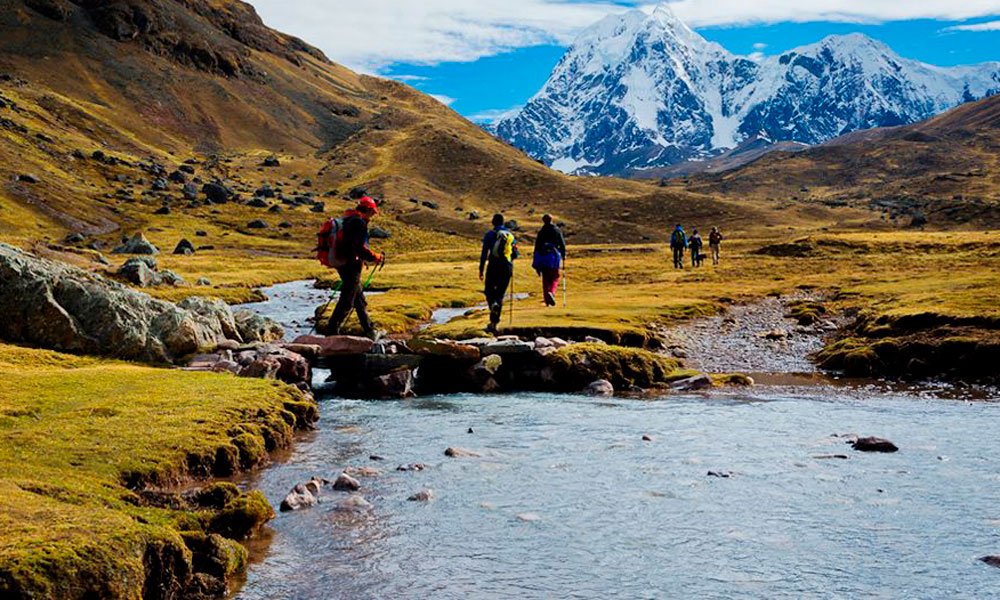
How to prepare for altitude and climate changes.
Traveling or engaging in outdoor activities in places with varied climates and altitudes can be an extraordinary experience, but also a challenge for the body. The amount of oxygen available is affected by altitude. At the same time, changes in humidity and temperature can impact our overall well-being and physical performance. By being well prepared, you can avoid dehydration, altitude sickness, and other harmful consequences, allowing you to enjoy your trip with greater confidence and energy.
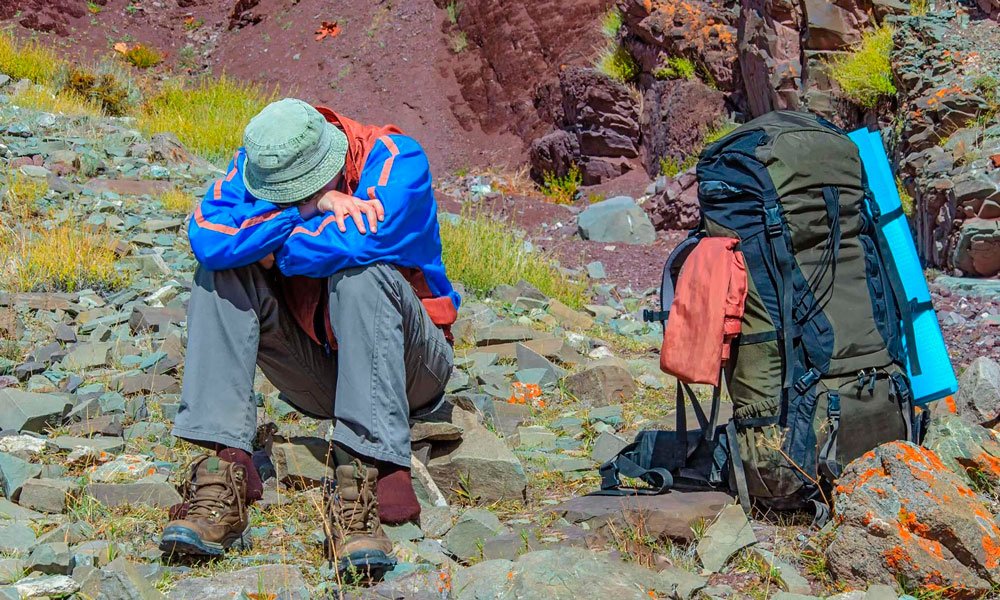
Understand the impact of altitude on the body
The higher we go, the less oxygen there is in the air. This can cause symptoms such as dizziness, headaches, fatigue, or trouble sleeping. This group of discomforts is called soroche or altitude sickness.
To adapt, the key is to do so gradually: ascend gradually, stay well hydrated, and avoid overexerting yourself the first few days. It’s also beneficial to eat light, carbohydrate-rich foods, as they help the body produce energy with a reduced need for oxygen.
Helpful Suggestions:
- Increase gradually to give your body time to adapt.
- Make sure you’re well hydrated throughout the day.
- In the first 24-48 hours, refrain from strenuous exercise.
- Eat light meals that are high in carbohydrates.
- If symptoms worsen, slow down and rest.
Pre-trip physical preparation
If you’re planning a trip to the mountains or a destination above 2,000 meters above sea level, start your training several weeks beforehand. To improve lung and heart strength, do cardiovascular exercise, such as cycling or walking.
It may also be helpful to incorporate deep breathing sessions or simulated altitude training. A body with good lung capacity and accustomed to physical activity adapts more easily to altitude changes.
Suggestions:
- Do cardiovascular exercises such as cycling, running, or walking.
- To strengthen your lungs, practice deep breathing.
- If possible, train on inclines or at a medium altitude.
- Maintain a balanced diet rich in iron and protein.
- To facilitate muscle recovery, make sure you get enough rest.
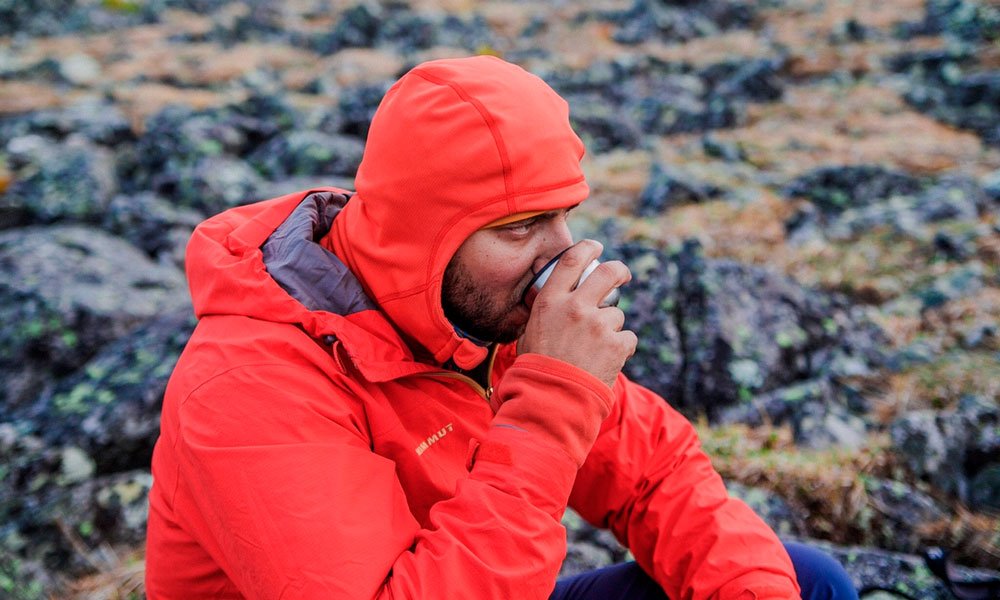
Weather-Appropriate Clothing and Gear
The weather at high altitudes tends to be unpredictable: it can be hot in the sun and extremely cold in the evening. The most effective strategy is to dress in layers: a base layer that wicks away sweat, a midlayer to maintain warmth, and an outer layer that is waterproof and protects from the wind.
Keep in mind that ultraviolet (UV) radiation increases as you rise in altitude, so don’t forget to protect yourself from the sun. Wear a cap or hat, sunscreen, and sunglasses with UV protection. Appropriate gear can determine whether you have a pleasant experience or a bad time.
What to add:
- Base layer: Breathable t-shirt or thermal to wick away sweat.
- Mid layer: Sweater or fleece to maintain body heat.
- Outer layer: Windproof and waterproof jacket.
- Accessories: Sunscreen, gloves, UV protection glasses, and a hat.
- Footwear: Durable and comfortable boots that offer good traction.
Smart Eating and Hydration
As you climb in altitude, your body eliminates more fluids through breathing and sweating. It’s essential to drink water regularly, even if you’re not thirsty. Because they can worsen dehydration, avoid coffee and alcohol.
Regarding your diet, choose light foods, fresh fruits, and energy-boosting snacks. Lean meats and legumes, which are high in iron, contribute to the body’s production of red blood cells and improve oxygenation.
Key Tips:
- Drink water often, even if you’re not thirsty.
- Avoid beverages containing caffeine or alcohol.
- Eat fresh fruit and energy-boosting snacks.
- Eat foods high in iron (spinach, lean meats, legumes).
- Prioritize light, easily digestible foods.
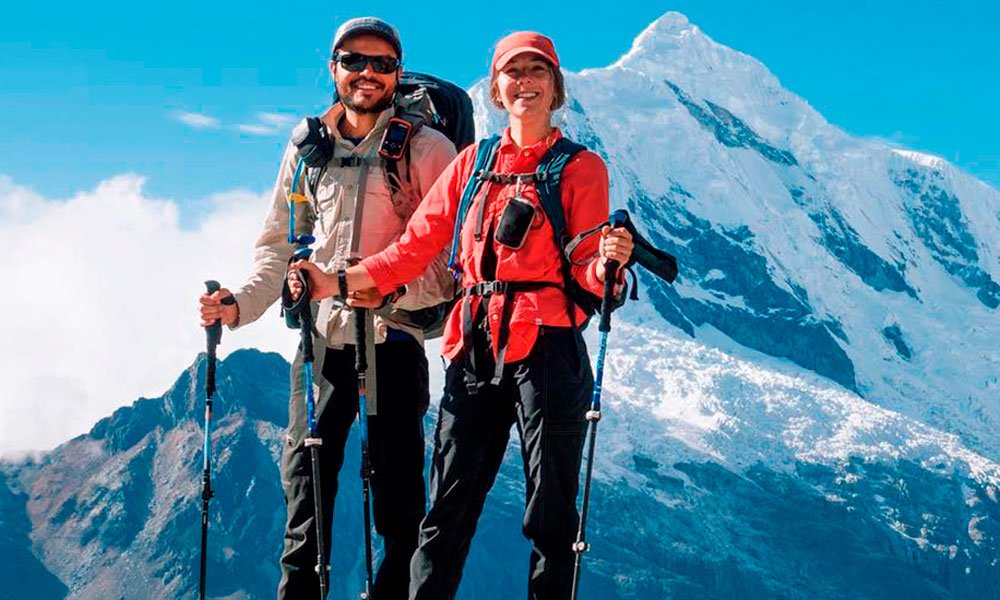
Pay attention to what your body is telling you
Don’t dismiss the symptoms of altitude sickness. If you feel nausea, dizziness, or a severe headache, take a break, hydrate, and rest. Descending a few hundred meters may be enough to alleviate the symptoms.
The body needs time to adapt, and forcing it will only increase the likelihood of complications. Keep in mind that adventure also requires taking care of yourself during the trek.
What to do if you experience symptoms:
Relax and stop climbing.
- Stay hydrated with mild herbal teas or water.
- Avoid alcohol and eat light meals.
- If symptoms persist, descend a few hundred meters.
- If you experience vomiting or a severe headache, seek medical attention.
Conclusion
Not only does it improve your physical performance, but it also ensures a safer and more enjoyable experience when you prepare for changes in temperature and altitude. Gradual adaptation, proper hydration, proper nutrition, and appropriate clothing are essential. With these tips, you’ll be prepared to enjoy every step of your journey at altitude.