


Is medical insurance mandatory for traveling to Peru?
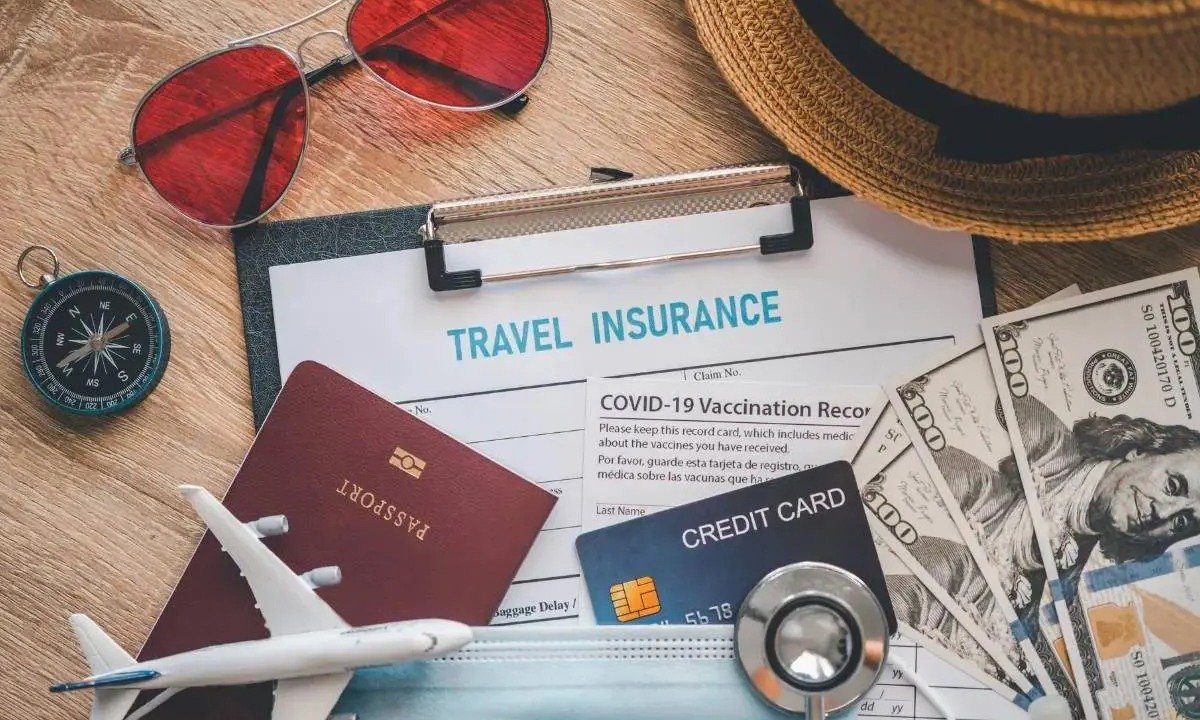
Is health insurance an important requirement to enter Peru?
Traveling to Peru opens the door to a country full of history, culture, and breathtaking landscapes. But before packing your bags and embarking on your adventure, it’s essential to know the most important entry requirements to avoid any complications.
Is it mandatory to have health insurance to enter Peru?
No, currently Peru does not require mandatory health insurance for entry.
However, it is highly recommended to purchase one before your trip, especially if you are a foreign tourist. International medical insurance protects you in case of illness, accident, or medical emergency and can make the difference between a peaceful experience and a major problem during your vacation.
Having travel insurance that includes medical coverage, emergency evacuation, and medical repatriation will give you peace of mind knowing you’re protected against unforeseen events, even in remote places such as Machu Picchu or the Peruvian Amazon.
💡 Useful tip: Although it’s not an official requirement, the COVID-19 pandemic showed how important it is to travel with reliable insurance. Many travelers were stranded without medical assistance or coverage, resulting in unexpected expenses. Nowadays, having international health insurance not only protects your health but also your finances.
You can find more information on the official tourism website of Peru.
Why is it advisable to have travel medical insurance in Peru?
Even though it’s not a mandatory requirement to enter the country, traveling with health or travel insurance is a smart decision. Peru is an incredibly diverse destination: you can go from sea level in Lima to more than 3,000 meters in Cusco within a few hours. This geographical and climatic diversity involves risks worth preparing for.
- 🏥 Private medical care can be expensive
In tourist cities like Lima, Arequipa, or Cusco, there are high-quality private clinics with excellent doctors and modern services. However, costs can be high, especially for foreign visitors.
A medical consultation can range between $50 and $200 USD, and hospitalization can easily exceed $1,000 USD per day, not including tests or medication.
Having international medical coverage can save you thousands of dollars and allow you to receive quality care without worry.
- ⛰️ Machu Picchu and other remote destinations
If you plan to visit Machu Picchu, Humantay Lake, or Rainbow Mountain, keep in mind that these are remote areas with limited medical care. In an emergency, you may need evacuation by helicopter or air ambulance to a hospital in Cusco or Lima, which can cost thousands of dollars without insurance covering this type of transport.
- 💨 Altitude sickness is more common than you think
The famous soroche or altitude sickness affects many travelers visiting destinations above 3,600 m a.s.l., such as Cusco, Puno, or the Sacred Valley.
The most common symptoms include:
-
- Headache
- Nausea or vomiting
- Dizziness and fatigue
- Difficulty breathing
Although in most cases it improves with rest, hydration, and acclimatization, some people require oxygen or immediate medical attention. In such cases, insurance can cover treatment or even emergency transportation, avoiding unexpected costs.
In severe cases, immediate medical care is necessary, and without travel insurance, treatment can be expensive.
How much does travel health insurance for Peru cost?
The cost of medical insurance depends on several factors: trip duration, traveler’s age, coverage type, and planned activities. For reference, here’s an approximate price range:
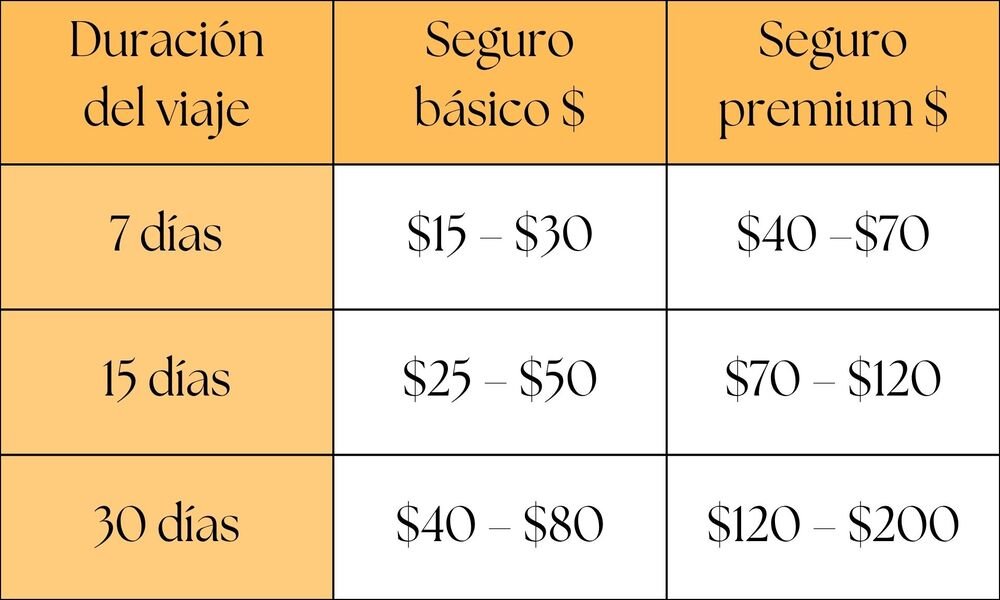
The type of traveler you are can also affect the price:
-
- It can also vary depending on what type of traveler you are:
- 👟 Regular tourist: If you’re visiting Lima, Arequipa, Cusco, or other popular destinations without practicing risky sports, a basic plan covering medical emergencies, hospitalization, and medication will be enough.
- ⛰️ Adventurer: If you plan to trek the Inca Trail, climb mountains, or visit Humantay Lake, you’ll need insurance that covers adventure activities and air medical evacuation.
- 🎒 Backpacker: If you’re traveling through several countries or staying longer than a month, choose a multi-destination policy with coverage of at least 30 days — ideal for exploring South America by land.
- It can also vary depending on what type of traveler you are:
What should good medical insurance for Peru include?
When taking out your insurance, make sure it covers these six essential benefits:
-
-
-
Comprehensive medical coverage: expenses for illnesses, accidents, or injuries.
-
Medical evacuation or repatriation: essential for remote areas like Cusco or the jungle.
-
Trip cancellation or interruption: protects you from unforeseen events that prevent travel.
-
Theft or loss of luggage and documents: very useful in airports or terminals.
-
24/7 assistance: phone support in any language, available at all times.
-
Coverage for adventure activities: ideal if you plan hiking, biking, or rafting.
-
-
What happens if you don’t have insurance and something goes wrong?
As mentioned, health insurance is not mandatory, but traveling without it can be very expensive.
If you suffer an accident, illness, or injury during your trip, you’ll need to seek care at a medical center that usually requires an advance payment or a credit card guarantee before treatment.
In many cases, private hospitals in Peru do not provide care without an upfront payment, and costs can be quite high.
Moreover, most of the country’s tourist attractions are located in remote areas with limited medical facilities.
If something happens in places such as Machu Picchu, Rainbow Mountain, or the Amazon jungle, you might need to be transported on a stretcher, mule, or even by helicopter to a hospital in Cusco or Lima.
Such evacuations are not covered by the Peruvian government.
💡 Tip: Even a basic international health insurance policy can save you from many problems and unexpected expenses. In addition, many insurers offer 24-hour assistance in Spanish, making communication easier in an emergency.
Where to buy reliable travel health insurance for Peru?
Nowadays, you don’t need to do it in person. You can purchase 100 % online health insurance from anywhere in the world with immediate coverage.
Here are some of the most recognized and trusted providers among international travelers:
-
-
ASSIST CARD: One of the most popular in Latin America. Offers coverage from $30,000 USD to unlimited, COVID-19 assistance, and recreational sports.
-
HEYMONDO: Very popular among backpackers and frequent travelers. Plans cover up to $250,000 USD at competitive prices.
-
WORLD NOMADS: Ideal for adventurers planning to trek Machu Picchu or visit remote areas.
-
AXA ASSISTANCE: Prestigious international brand. Some plans include pre-existing conditions, rarely covered elsewhere.
-
IATI SEGUROS: Well known in Spain and Latin America. Offers complete and affordable plans for backpackers, families, and sports travelers.
-
Basic recommendations for safe travel
- Get travel insurance.
Ideally, it should cover medical emergencies, hospitalization, evacuation, and repatriation. Even if you only use it in emergencies, it can save you a lot of money and simplify medical procedures. - Carry cash and payment methods.
Have enough funds for emergencies.
Ensure your credit card is accepted in major private clinics, especially in Lima or Cusco.
Also carry some local currency (soles) for minor expenses. - Learn about quality private hospitals.
Know where reliable private medical centers are located, especially in Lima, Cusco, and Arequipa.
This knowledge can save time and stress in an emergency. - Bring your translated medical history.
If you have medical conditions or allergies, carry a copy of your history translated into English or Spanish.
This helps doctors understand your situation and treat you quickly.
Additional tips by destination and activity
- Check vaccines and prevention.
Before traveling, check which vaccines are recommended for Peru, such as yellow fever for jungle regions.
This can prevent illnesses and complications during your trip. - Learn about altitude sickness symptoms.
If you go to Cusco or other high-altitude areas, learn how to identify and prevent altitude sickness.
Bring recommended medication and rest properly to avoid problems. - Consider additional insurance for risky activities.
If you plan to go trekking, canopying, rafting, or explore the jungle, verify that your insurance covers these activities.
Some companies exclude adventure sports, so ask beforehand. - Keep emergency contacts handy.
Carry phone numbers for your insurance, embassy or consulate, and nearby clinics.
That way you can act quickly if something unexpected happens.