


What to do in case of protests or flight delays
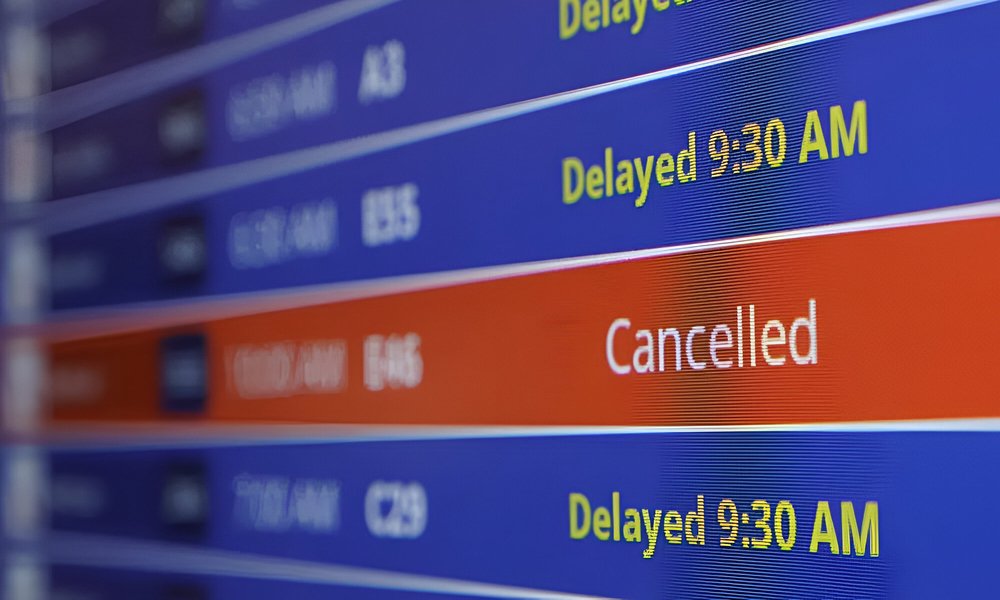
Traveling can be unpredictable. Sometimes, political protests or unexpected flight delays can interrupt even the most carefully planned itinerary. Knowing what to do in case of protests or flight delays helps you protect your safety, your time, and your budget. By preparing ahead and staying informed, you can manage these disruptions without panic, minimize stress, and continue your journey with confidence.
Understanding Travel Disruptions
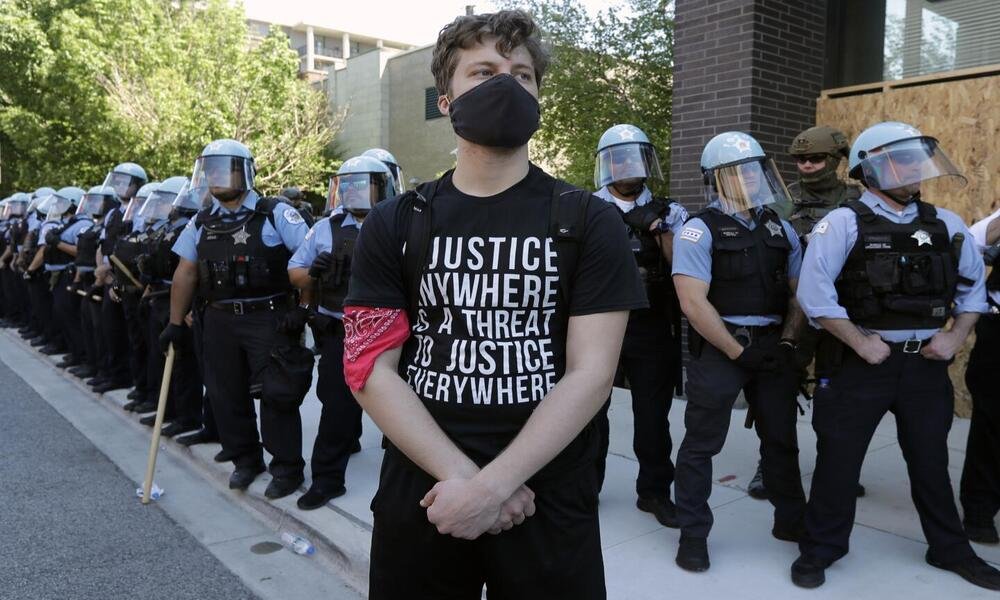
Every traveler should understand how and why journeys get interrupted. Protests and flight delays might seem unrelated, but both share one thing in common: they can throw your schedule into chaos. In this section, you’ll learn about the main causes of disruptions and how they impact travelers physically, emotionally, and financially. Recognizing these factors helps you react with clarity rather than frustration.
Common Causes of Protests and Flight Delays
Protests can erupt for political, social, or economic reasons, often without much warning. Roads can close, transportation stops, and even airports may restrict access. Flight delays, on the other hand, may occur due to bad weather, technical problems, crew shortages, or congestion at other hubs.
By understanding these patterns, you reduce stress when things don’t go as planned. Before traveling, always monitor local news and check your airline’s status updates. This habit gives you a time advantage to adjust plans or contact support before the situation escalates.
How These Situations Affect Travelers
Both protests and delays can trigger a domino effect: missed connections, extra expenses, or even the need to change your route entirely. Emotionally, they can drain your patience and energy. The best response is to stay flexible and focus on what you can control.
Plan to arrive a day early for important events, keep emergency funds accessible, and prepare mentally for possible interruptions. Accepting that delays are part of modern travel helps you stay calm and avoid impulsive decisions.
Safety First: How to Protect Yourself During Protests
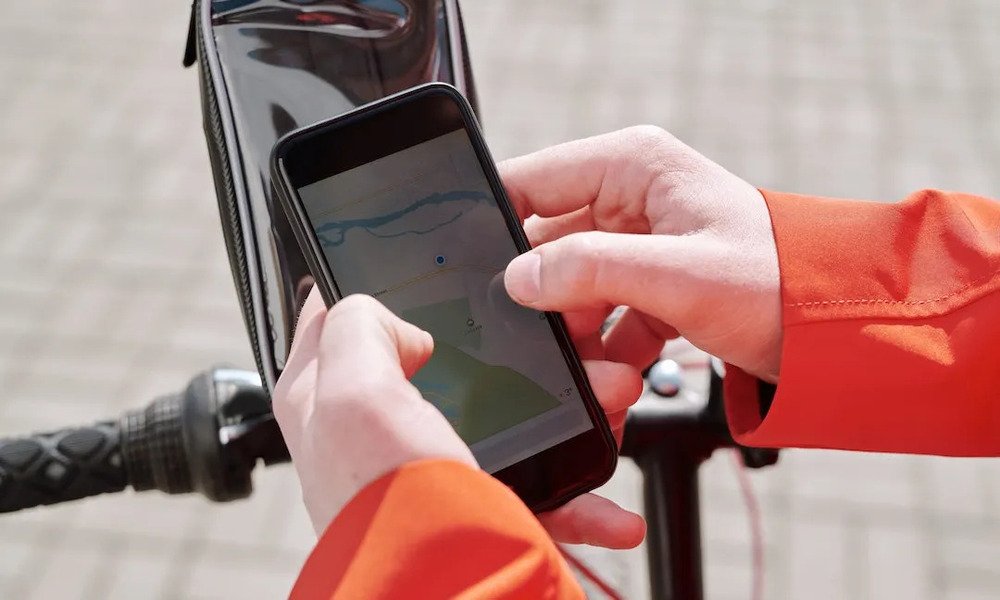
When protests or unrest occur, your safety becomes the first priority. This section explains how to avoid risky zones, stay informed, and maintain communication so you can make smart, secure movements. A calm, informed traveler is less likely to get caught in the middle of trouble.
Avoiding Protest Areas and Unrest Zones
If you notice demonstrations near your hotel or airport, move away quickly and discreetly. Don’t stop to record videos or take photos — this can draw unwanted attention. Use navigation apps and local news to check which streets or neighborhoods are blocked.
If your hotel is in a protest zone, ask reception for guidance or a temporary transfer to another area. Staying calm and visible to authorities (not protesters) can keep you safe until the situation normalizes.
Staying Informed Through Reliable Sources
During unrest, misinformation spreads fast. Always rely on verified sources — official embassy channels, airline announcements, or reputable local media. Avoid rumors on social media.
Enable flight-status notifications on your phone and follow airport accounts on X (Twitter) or Facebook. Having a fully charged device and backup power bank keeps you connected when communication is critical.
Dealing with Flight Cancellations and Long Delays
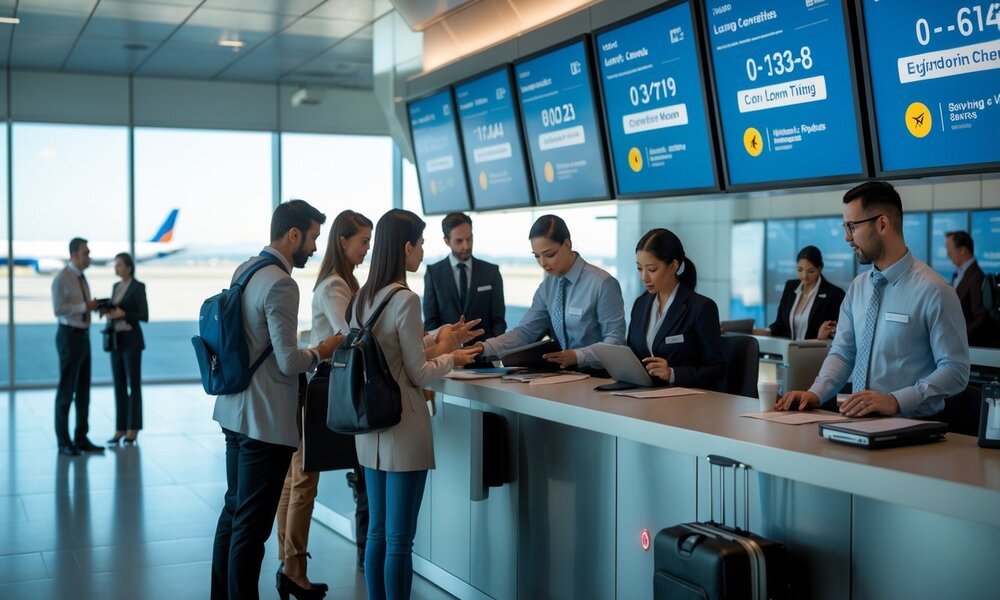
Flight delays can test anyone’s patience, especially when they last several hours or force overnight stays. In this section, you’ll discover how to act quickly, who to contact first, and what rights you have as a passenger. Being proactive instead of reactive can turn a stressful delay into an organized plan.
Contacting Your Airline and Travel Agent
Once you know your flight is delayed, take immediate action. Use the airline’s mobile app or chat support before joining long queues at the counter. Be polite but assertive; agents handle many frustrated customers at once.
If you booked through a travel agency, inform them too — they may negotiate reroutes or refunds faster. Keep every piece of evidence: boarding pass, delay message, and receipts. These documents are key for refunds or insurance claims later.
Exploring Rebooking and Refund Options
When delays extend for hours or cancellations occur, airlines must offer alternatives. You can request rebooking, a refund, or transportation to a nearby airport. Some carriers provide hotel or meal vouchers — but only if you ask directly.
Check your travel insurance terms: many plans reimburse extra expenses like food or lodging during disruptions. Always stay within official airport zones for safety, and decline unauthorized offers for “quick tickets.” Calm persistence and documentation always lead to better outcomes.
Managing Expenses and Insurance Claims
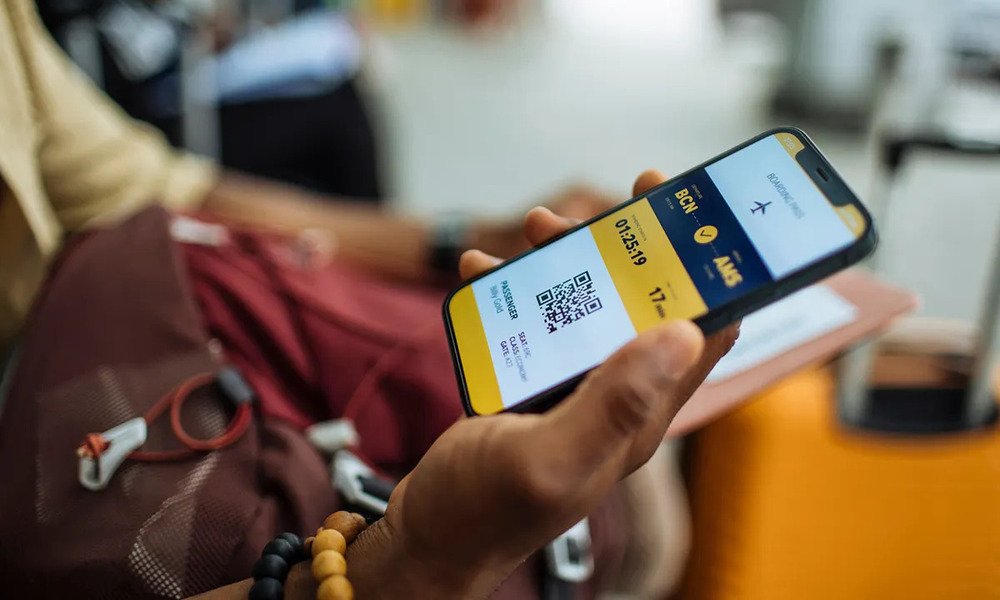
Unexpected delays or protests can easily increase your travel costs — hotel nights, meals, transportation, or even rebooking tickets. In this section, you’ll learn how to manage your money wisely during disruptions and how to handle travel insurance claims so you can recover your expenses later.
Keep All Receipts and Travel Documents
The most important rule in any travel disruption is to document everything. Every expense you make — food, taxis, hotels, or flight changes — should have a receipt. These documents are your proof when claiming reimbursement from airlines or insurers.
Create a simple folder (physical or digital) to store:
- Boarding passes and flight change emails.
- Payment receipts for meals, accommodation, or transportation.
- Official notices or letters from airlines confirming delays or cancellations.
When you return home, this organization will make your claim process faster and more successful. Remember that insurers can deny claims without valid proof.
How Travel Insurance Covers Protests and Delays
Not all insurance policies automatically cover protests or civil unrest. Therefore, it’s crucial to read the fine print before traveling. Some plans classify protests under “extraordinary events” and offer partial compensation, while others fully reimburse trip interruptions caused by safety concerns.
Comprehensive plans often include:
- Reimbursement for unused hotel nights or canceled tours.
- Coverage for extended stays during transportation shutdowns.
- Assistance for rebooking or emergency evacuation if airports close.
If you have doubts, contact your insurance provider directly. Having this conversation before traveling ensures you know exactly what to do in case of protests or flight delays under your specific policy.
Expert Travel Tips to Stay Calm and Flexible
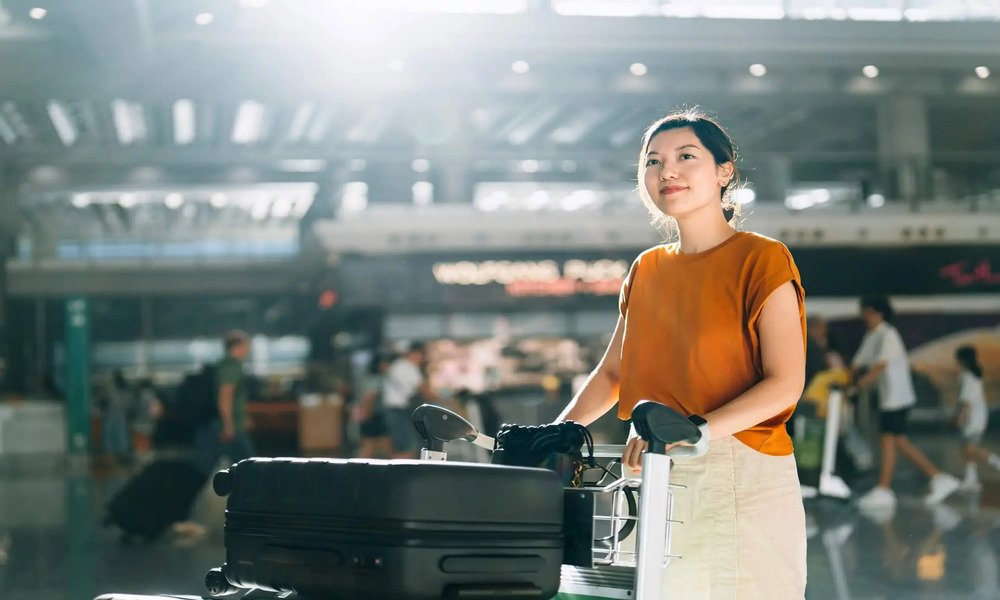
When travel chaos strikes, attitude and preparation make the biggest difference. This section focuses on practical expert advice to help you keep your plans adaptable, your mind calm, and your trip enjoyable — even if things don’t go exactly as expected.
Stay Flexible with Your Itinerary
Flexibility is your best defense against stress. Always plan with backup options:
- Book hotels with free cancellation when possible.
- Choose refundable flight fares if your route is uncertain.
- Keep a list of alternative transportation (train, bus, car rental).
If delays occur, adjust calmly instead of panicking. Often, a little patience leads to a smoother resolution than rushing into last-minute decisions.
Use Waiting Time Productively
Long delays don’t have to mean wasted time. You can review your next travel plans, organize photos, rest, or explore nearby attractions if conditions allow. Some airports even offer free lounges, showers, or city tours for delayed passengers.
Use this time to recharge your mind — a calm traveler makes better decisions and handles uncertainty more effectively.
Keep a Positive Mindset
Delays and protests are frustrating, but your reaction determines the outcome. Maintaining a positive and patient mindset keeps you alert, polite, and efficient when dealing with staff or rebooking services.
Many travelers report that kindness and patience helped them get faster assistance, better seats, or even complimentary upgrades. Remember — everyone’s doing their best in a complex situation.
Final Recommendations for Safer Travels
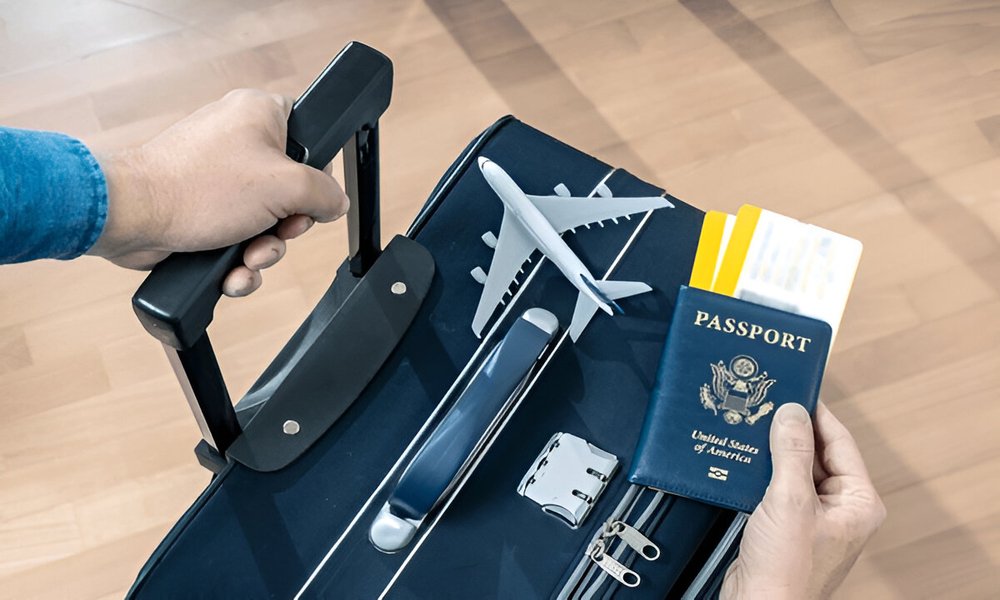
As we conclude, this section summarizes essential habits every traveler should adopt. By following these travel insurance and safety recommendations, you’ll minimize risk and handle disruptions like a professional.
Prepare Before You Leave
Before boarding, always check your destination’s political and weather conditions. Save emergency contacts for your airline, embassy, and insurance provider in your phone and email. Carry copies of important documents — both digital and printed.
A few minutes of preparation before your trip can save hours of stress later.
Stay Connected and Informed
Use travel apps for real-time updates on flights, weather, and local alerts. Sign up for SMS notifications from your airline, and follow verified local sources. If protests or natural disruptions occur, having instant updates lets you act before everyone else.
Travel with Confidence
Confidence comes from awareness and preparation. You can’t control delays or protests, but you can control your attitude, organization, and response. With the right knowledge, patience, and travel insurance coverage, you’ll always have a solution within reach.

If you want to learn more about how travel insurance can protect you during emergencies, visit our detailed guide: Chullos Travel Perú