


Historic Center of Arequipa (Plaza de Armas and Cathedral)
The Historic Center of Arequipa , the White City, recognized by UNESCO as a World Heritage Site since 2000, is an extraordinary example of the fusion between European architecture and indigenous building techniques. Constructed mostly of sillar, a white volcanic stone extracted from nearby quarries, this area combines beauty, history, culture, and a vibrant atmosphere that captivates every visitor.
Arequipa’s Plaza de Armas: Heart of the White City
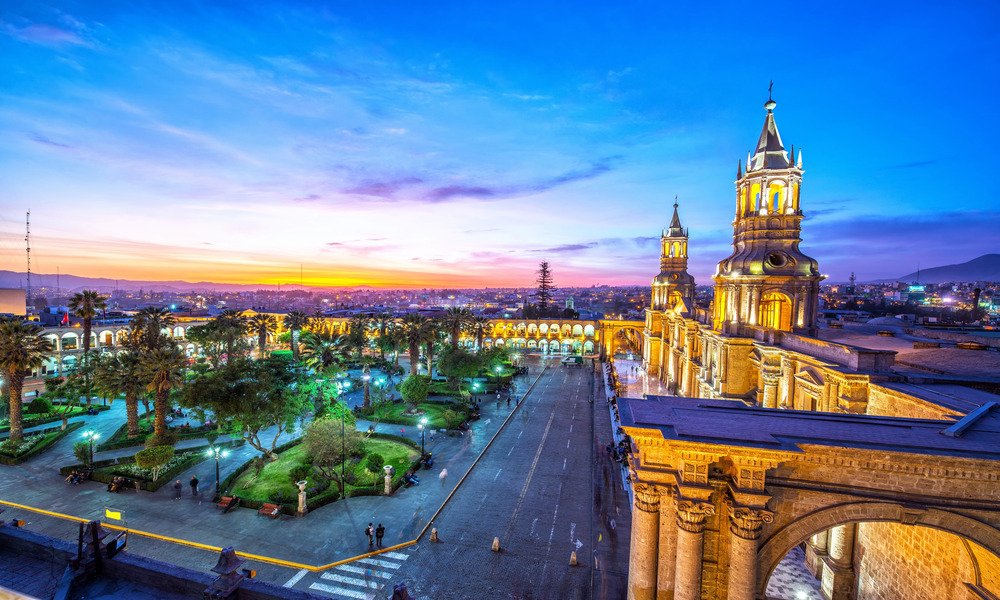
The Plaza de Armas in Arequipa is considered one of the most elegant and monumental squares in South America. Its harmonious design, with a square layout and surrounded by imposing colonial arcades of white volcanic stone, conveys a sense of visual balance and serenity. At its center stands a historic 18th-century bronze fountain, crowned by the famous figure of the “Tuturutu,” who, according to tradition, represents an ancient drummer responsible for announcing public celebrations.
The plaza is also a strategic vantage point for appreciating the impressive natural backdrop formed by the Misti , Chachani, and Pichu Pichu volcanoes , which on clear days rise majestically behind the Cathedral and the colonial mansions. This natural setting makes the plaza one of the most photographed spots in Peru.
Main features
-
Colonial arcades on three of its sides, with wooden and stone balconies.
-
Central gardens with palm trees, green areas and an 18th-century bronze fountain.
-
Privileged views towards the Misti, Chachani and Pichu Pichu volcanoes, which frame the city.
-
A perfect combination of tradition, local life and architectural monumentality.
Recommended activities
-
Start a guided tour of the historic center here.
-
Visit the Cathedral and the colonial mansions that surround it.
-
Observe local celebrations, festivals, parades, and religious events.
Arequipa Cathedral Basilica: Monument of Faith and Architecture
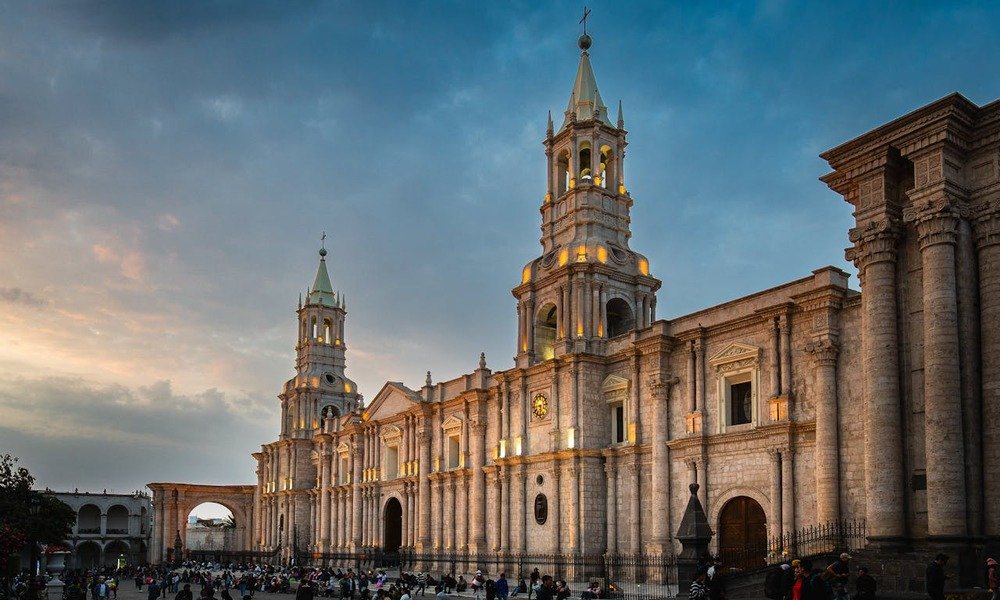
Dominating the north side of the Plaza, the Cathedral Basilica of Arequipa, also known as the White City, is one of the city’s first religious buildings, originally constructed in 1656. Throughout its history, it has been rebuilt due to earthquakes and fires, yet it retains its majestic design. In addition to its architectural value, the cathedral houses a religious museum that safeguards liturgical objects, historical documents, and relics of great cultural and spiritual significance. Its strategic location in the plaza makes it a landmark not only for religious activities but also for civic events and traditional celebrations, solidifying its position as a center of social and cultural life in Arequipa.
Architecture and highlights
-
Neo-Renaissance facade made entirely of white ashlar.
-
Two twin towers , an icon of the Arequipa skyline.
-
Spacious interior with:
-
A pulpit carved from cedar wood , brought from France.
-
A monumental organ of Belgian origin, considered one of the largest on the continent.
-
Altarpieces and liturgical pieces of high historical value.
-
-
Museum exhibiting:
-
Religious ornaments.
-
Historical documents.
-
Objects of sacred art.
-
The Cathedral offers guided tours during the day and at night, the latter being highly recommended for the solemn atmosphere and the views from the top of the tower.
Nearby attractions and must-sees of Arequipa’s Plaza de Armas
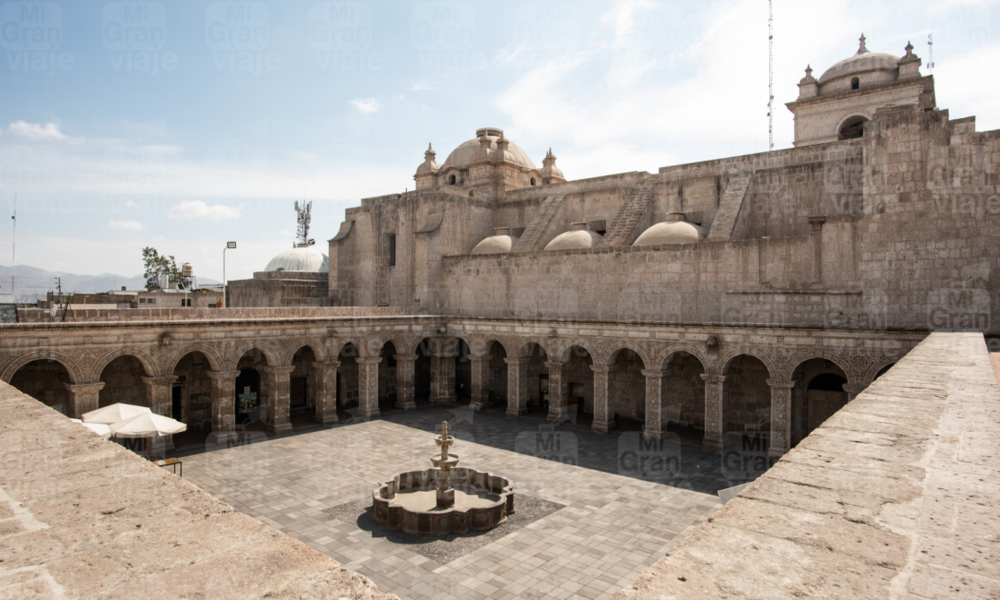
Monastery of Saint Catherine
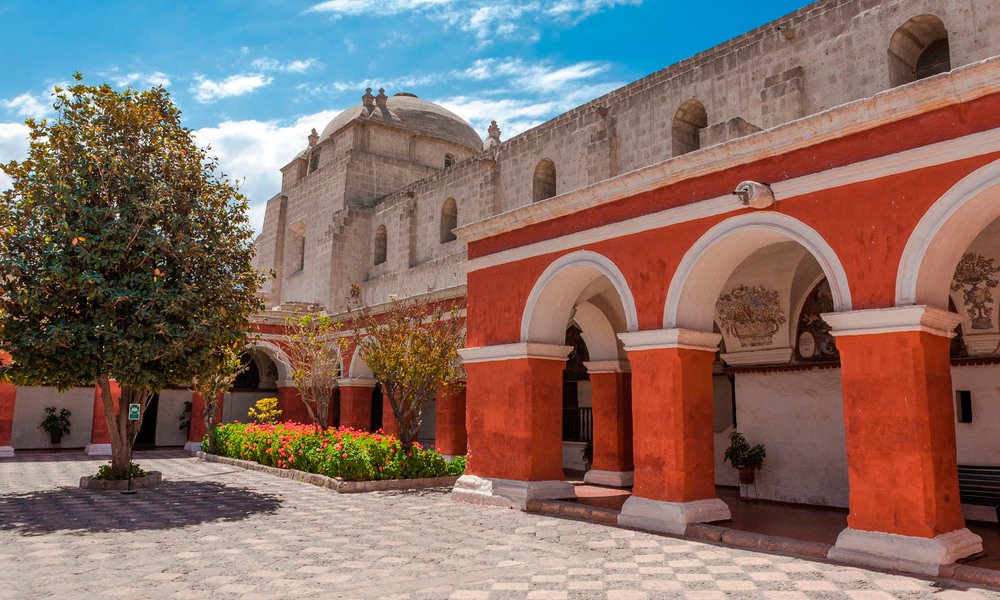
A “city within the White City,” with colorful passageways, cloisters, old kitchens, and a fascinating history. Built almost entirely of sillar —volcanic stone typical of Arequipa—combining white sillar (from the Chachani volcano) and pink sillar (from the Misti volcano), giving it a distinctive and beautiful appearance. Its design reflects colonial architecture, with large stone walls, arches, cloisters, narrow passageways, courtyards, fountains, frescoes, and decorations that blend European and indigenous influences.
Museum of Andean Sanctuaries
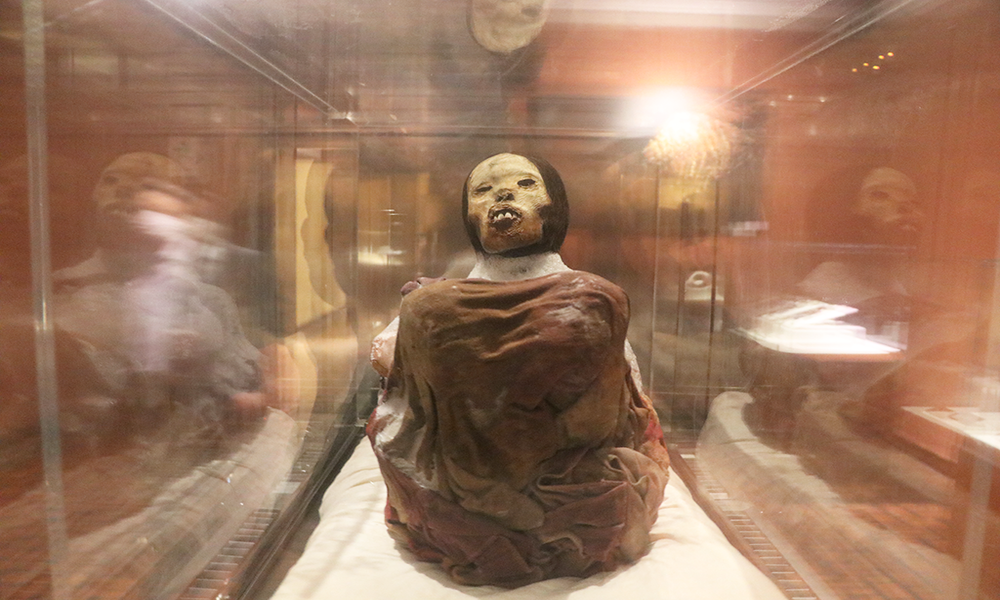
Home to Juanita , the famous Inca mummy sacrificed on Ampato. One of Peru’s most impressive museums, it houses a priceless archaeological collection, with objects dating back more than 500 years, many linked to Andean and Inca rituals.
Church of the Company
With a mestizo baroque facade considered a jewel of Latin American art, built by the Jesuit order, it is one of the oldest and most important temples in the city.
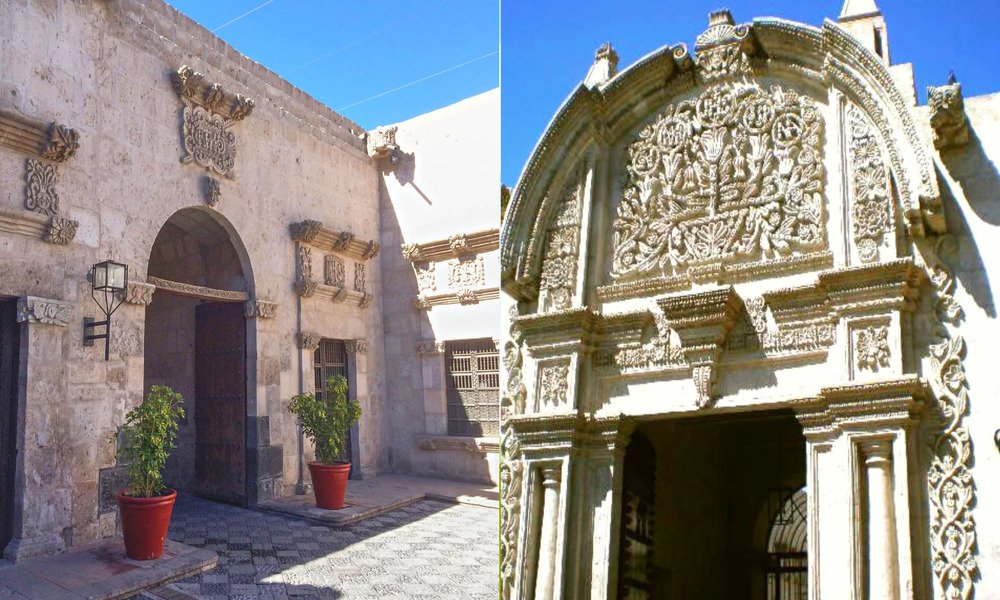
Tristan del Pozo Mansion
An emblematic example of Arequipa’s civil architecture. This type of structure (monumental facade + interior courtyards) exemplifies the civil architecture of the viceregal era in Arequipa, adapted to the local context, with a strong regional identity.
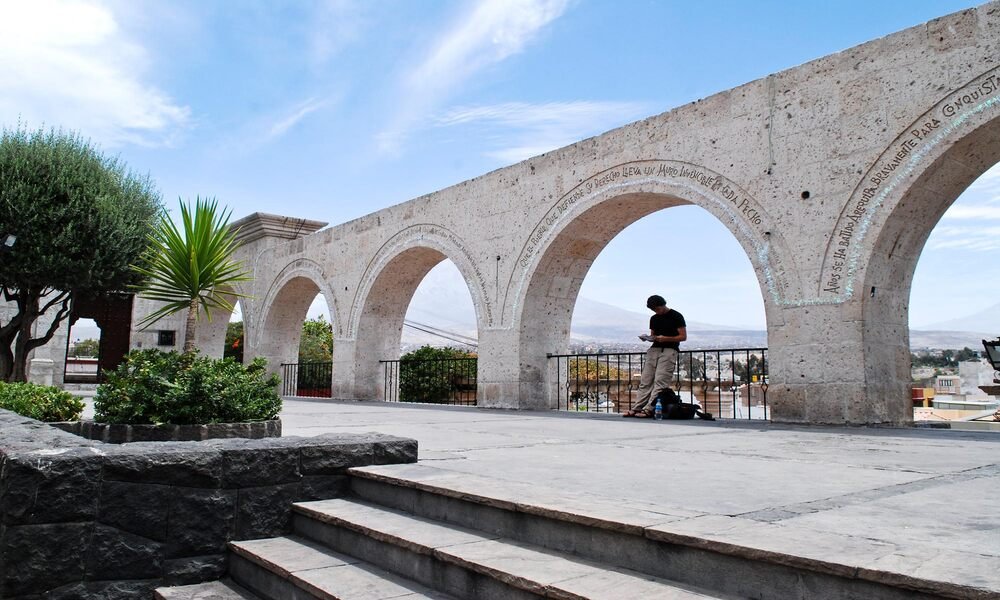
Natural viewpoints
Such as Yanahuara and Carmen Alto, from where you can appreciate the volcanoes and the countryside.
Gastronomy in the Historic Center
Arequipa is one of Peru’s culinary capitals. The gastronomy of the White City is recognized as one of the richest and most varied in Peru, and it’s no coincidence that the city is known as the “Gastronomic Capital of the South.” Its cuisine combines Andean tradition with Spanish influences and viceregal techniques, resulting in dishes full of flavor, creativity, and authenticity.
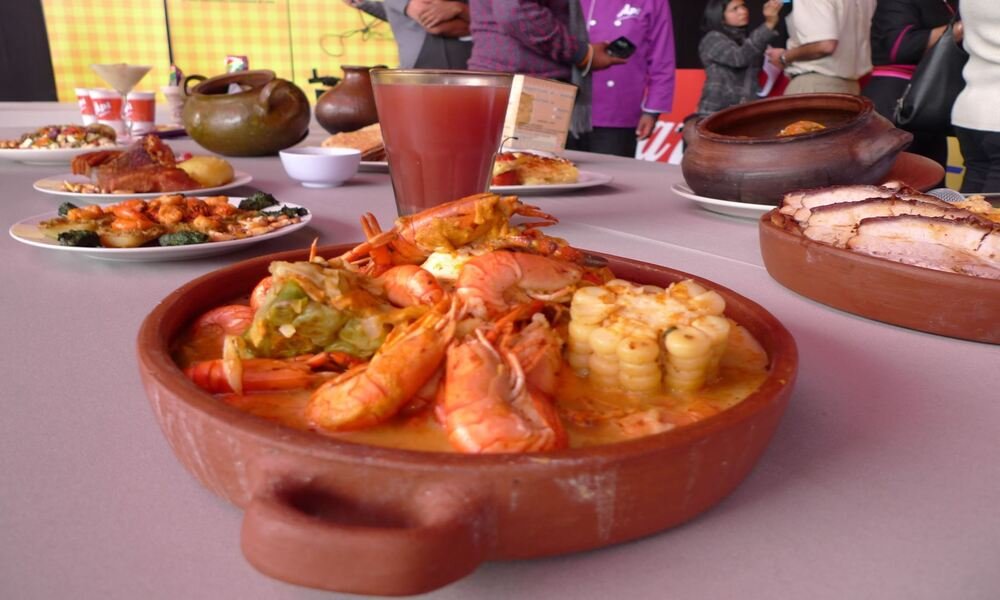
Among the most prominent are:
-
Traditional restaurants with dishes such as rocoto relleno, adobo, chupe de camarones and pastel de papa.
-
Restaurants overlooking the square.
-
Cafes that offer local products such as ice cream, artisanal chocolate, and high-altitude coffee.
-
Nearby markets like San Camilo are ideal for trying typical fruits, juices, and sweets.