What is the difference between Colca and the Colca Valley?
The Colca Canyon is one of the most iconic destinations in southern Peru, specifically near Arequipa , but the question often arises whether “Colca” and “Colca Valley” mean the same thing. Although both terms are related, they don’t refer to a single place. One describes a vast region full of villages, vibrant culture, and ancient agricultural landscapes; the other, an imposing geological formation considered one of the deepest canyons in the world. Understanding this difference helps in better trip planning and appreciating the true scale of the area.
Valle del Colca
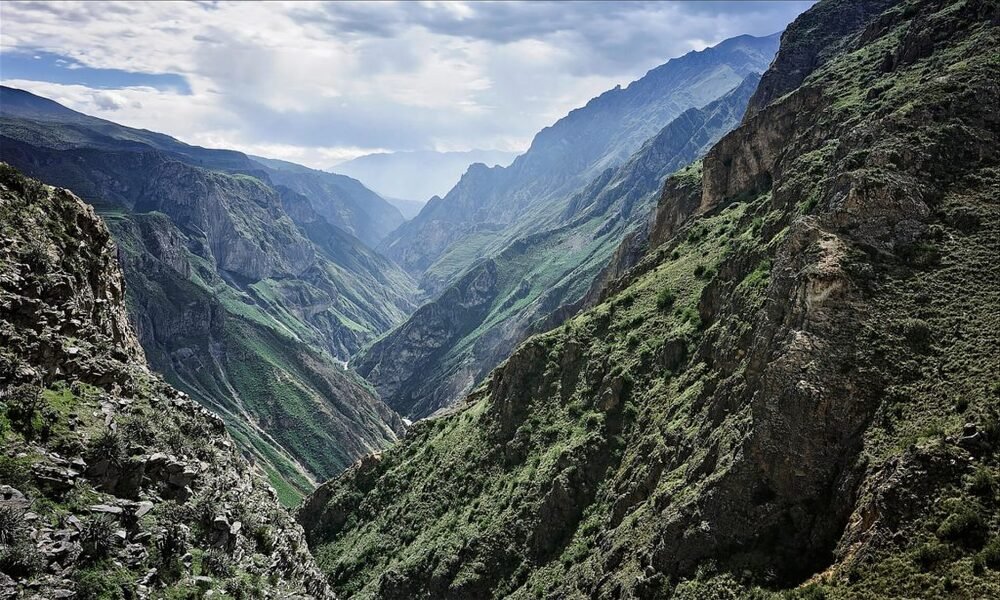
The Colca Valley is one of the most important geographical and cultural areas in southern Peru. It stretches for about 100 kilometers , following the course of the Colca River , and has been inhabited since pre-Hispanic times by Andean communities who have shaped the landscape with impressive terraces, irrigation canals, and agricultural systems that are still in use today.
Main characteristics
1. Extension and dimension of the territory
The valley encompasses a vast area that includes high plateaus, agricultural zones, ravines , and is complemented by mountain ranges that form part of the Andes Mountains.
Its extent is both geographical and cultural, as it includes numerous towns with their own distinct identities.
2. Diverse altitude and ecosystems
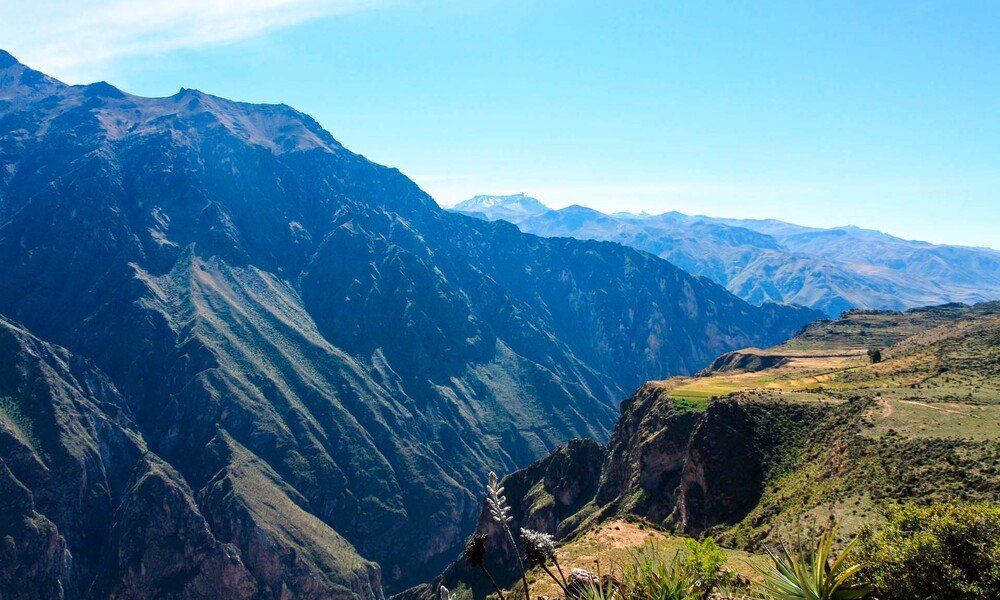
The altitudinal ranges between 3,000 and 4,900 m above sea level generate multiple ecological zones , each with particular characteristics:
-
Quechua and Suni: agricultural areas where potatoes, quinoa, and barley are grown.
-
Puna: high Andean areas occupied by grasslands, lagoons and fauna such as alpacas and vicuñas.
-
Volcanic zones: related to the Hualca Hualca , Sabancaya and Ampato massifs , the latter famous for the appearance of the Inca mummy “Juanita”.
Traditional towns
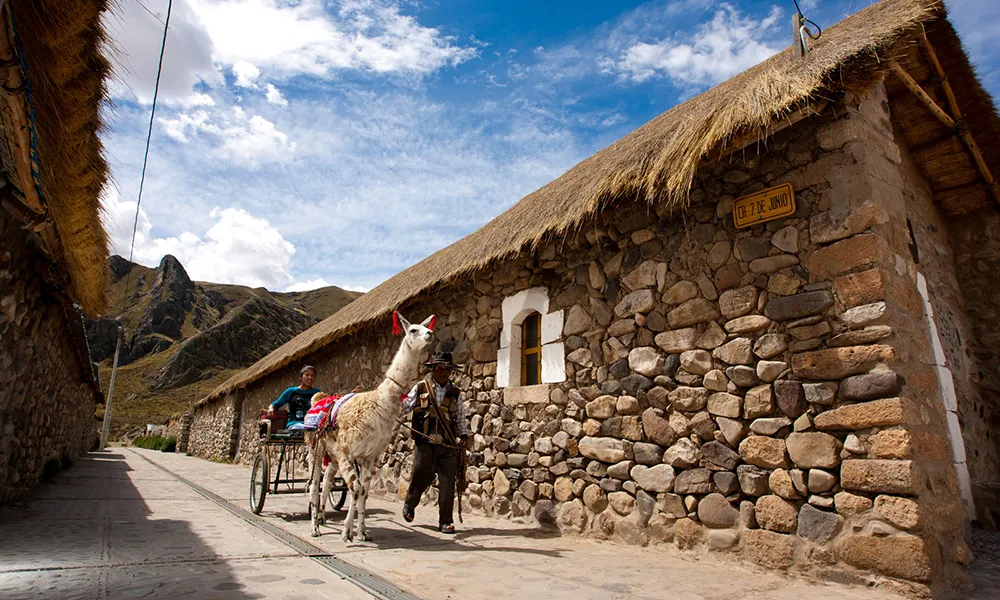
Besides Chivay, the valley’s capital, the towns maintain colonial architecture , traditional plazas, old churches, and living customs.
Each one has its own unique characteristics:
-
Yanque: traditional dances and beautiful baroque churches.
-
Cabanaconde: gateway to the canyon and the trek to the Sangalle Oasis.
-
Coporaque: considered one of the oldest towns in the valley.
-
Lari and Madrigal: natural viewpoints and ancient agricultural terraces.
-
Maca: famous for its colonial church and its viewpoints overlooking the valley.
What are some typical tourist attractions in the Colca Valley?
1. Hot springs
-
La Calera (Chivay) and Yanque : volcanic waters rich in minerals, ideal for relaxing with views of the valley.
2. Valley viewpoints
Beyond the canyon viewpoints, the valley has spaces from which to observe terraces, mountains and rivers:
-
He will speak.
-
Antahuilque
-
Choquetico , where there are petroglyphs and pre-Hispanic lithic “models”.
3. Colonial churches
Built between the 16th and 18th centuries by the Spanish, many preserve mestizo baroque art and traditional sculptures.
4. Colca–Ampato Route
A circuit for lovers of trekking and geology, which borders the volcanic chain and allows you to observe unique landscapes including the canyon and the volcano.
5. Cultural trails
There are historical routes such as:
-
Pre-Columbian roads that connected villages in the valley.
-
Sectors of the Qhapaq Ñan (Inca Trail).
-
Guided tours of old terraces, mills and hydraulic systems.
Colca or Colca Canyon
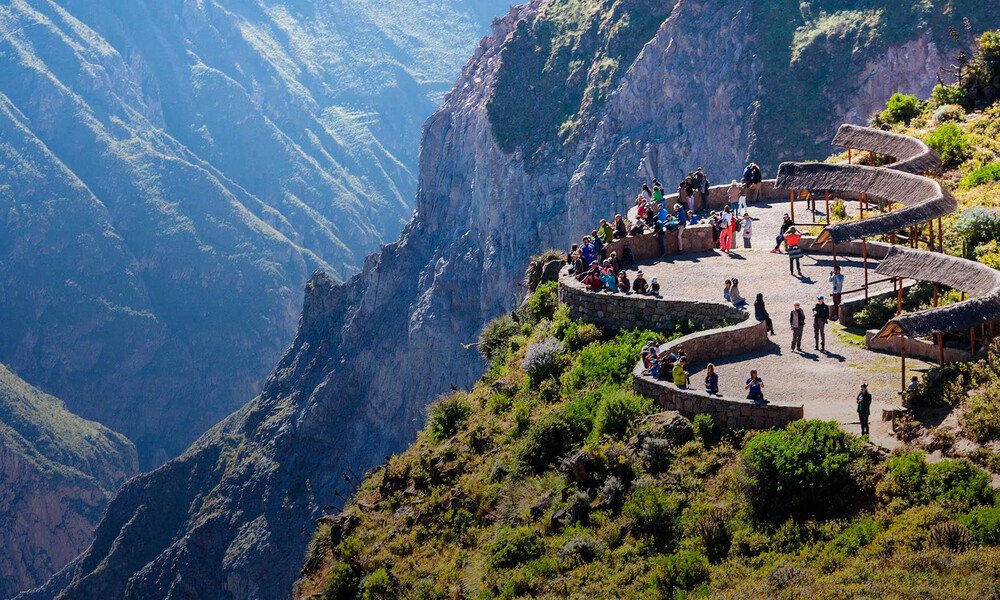
When people simply say “Colca ,” most are referring to the Colca Canyon , a monumental geological formation that constitutes the deepest, narrowest, and steepest part of the Colca Valley. It is one of the most impressive canyons in the world, renowned for its vertical walls, biodiversity, and cultural significance.
Main characteristics
1. Extension and location
The canyon stretches for approximately 70 km, following the course of the Colca River , and passes through areas where the terrain changes abruptly from cultivated terraces to vertical walls that drop hundreds of meters. Its depth ranges from 3,270 to over 4,160 meters , depending on the measurement point. These figures place it among the deepest canyons on the planet , surpassing even the Grand Canyon (USA) in some sections.
Attractions of the Colca Canyon
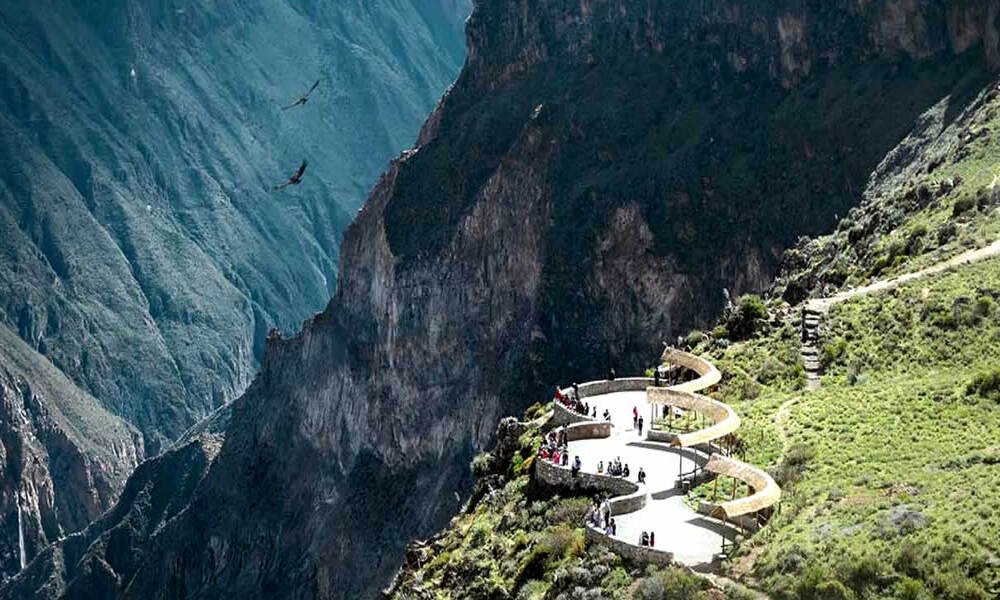
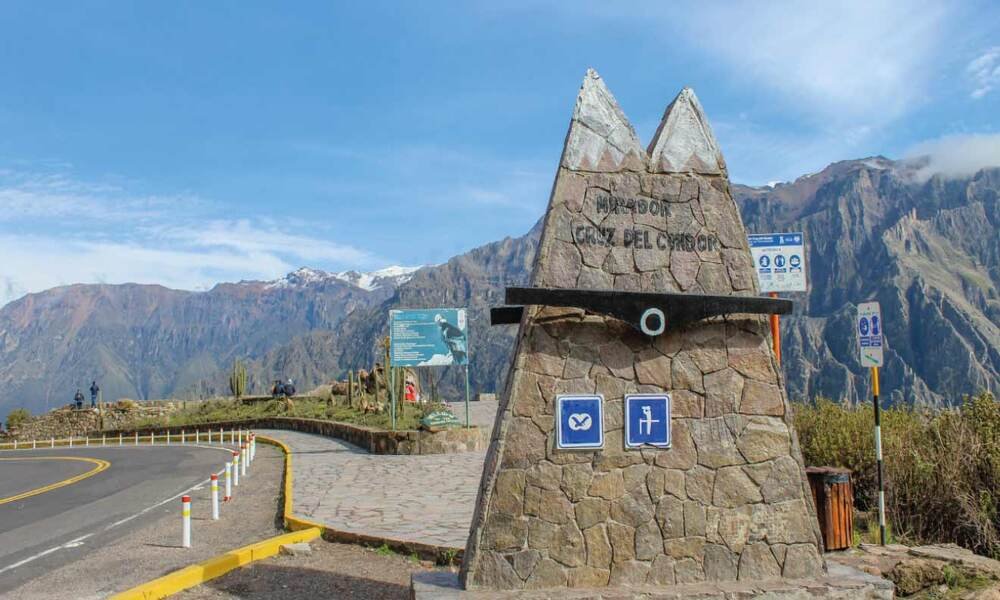
1. Cruz del Cóndor Viewpoint
One of the most famous spots in the canyon.
Here it is common to see the Andean condor , the largest carrion bird in the world, taking advantage of the thermal currents that rise along the canyon walls.
2. Trekking trails
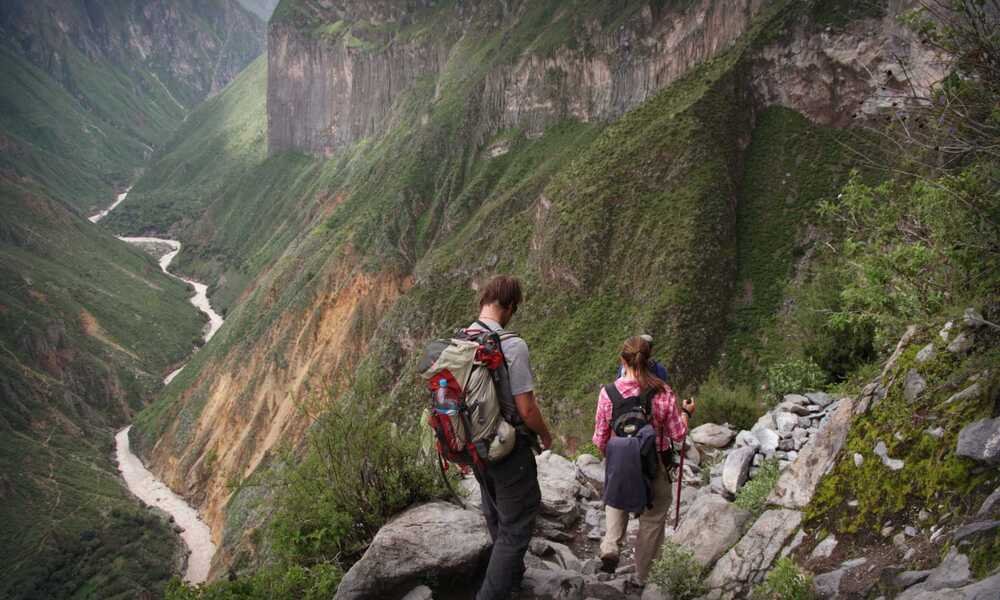
The canyon is considered one of the best places for adventure hiking in Peru. Among the most popular routes are:
Cabanaconde – Sangalle (Oasis) – San Juan de Chuccho Route
-
It’s the most popular hike. It allows you to descend into the canyon where Sangalle is located, a natural oasis with pools and tropical vegetation.
Cabanaconde – Llahuar Route
-
More demanding, but less crowded. Llahuar offers natural hot springs along the Colca River.
Routes to Tapay and Malata
-
These are traditional paths used since pre-Hispanic times. They lead to very peaceful villages with spectacular scenery.
Why are they confused?
-
In tourism, “Colca” is used to refer to the entire area.
-
Many agencies sell packages simply as “Colca”, although they visit the valley and not always the canyon .
-
The name of the river is “Colca”, that’s why they both share the word.
Main difference
Concept Colca Valley Colca Canyon (Colca)
Extent Much wider Only the deep part
Includes towns, culture, volcanoes. Just the canyon.
Activities: Culture, hot springs, high landscapes, trekking, deep viewpoints
Focus Cultural + scenic focus Adventure + extreme nature