


“Anapia Island (Lake Titicaca): Community Tourism, Total Tranquility, and a Low-Tourist Experience”
Anapia Island , located in Lake Titicaca , is a perfect destination for those seeking an authentic experience far removed from conventional tourism. It stands out for its community-based tourism , where visitors are welcomed by local families who share their traditions and way of life. The island offers complete tranquility , with natural landscapes and a serene atmosphere, ideal for relaxing and connecting with Andean culture in a relatively untouched setting.
Location
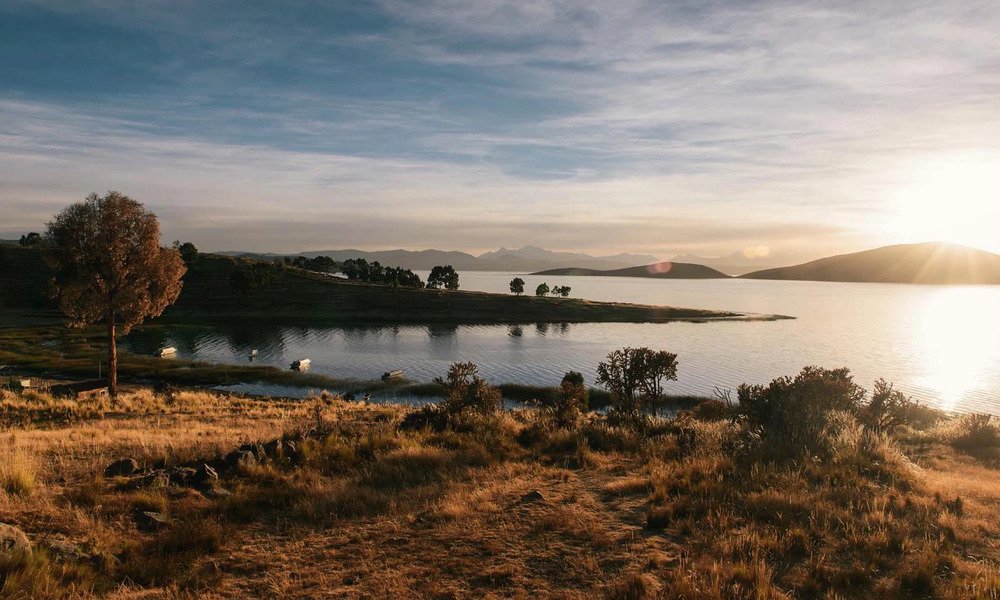
Anapia Island is located in Lake Titicaca , in southern Peru , within the Puno region , Yunguyo province . It lies near the border with Bolivia and forms part of a small archipelago in the southern part of the lake.
Community Tourism
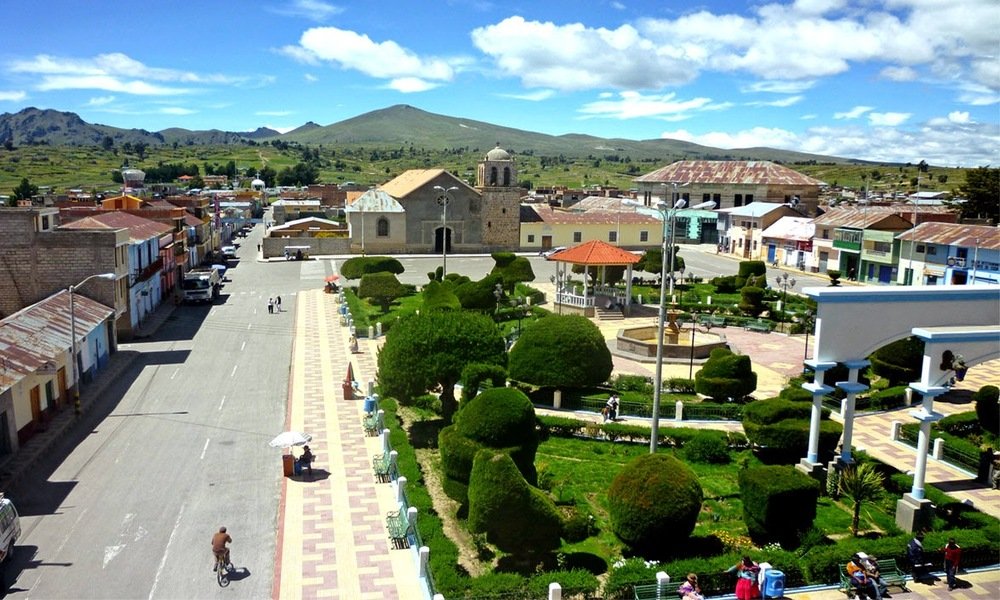
Community-based tourism on Anapia Island , located in Lake Titicaca , relies on the direct participation of local families, who welcome visitors into their homes. Tourists stay in family homes and share in the daily life of the community, participating in activities such as artisanal fishing, agriculture, traditional weaving, and the preparation of typical foods.
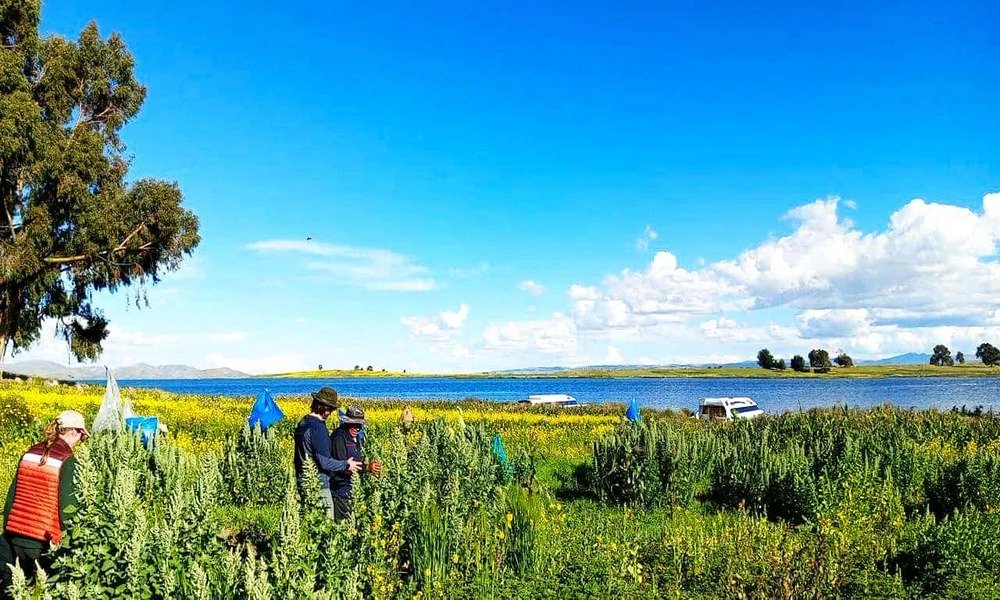
This experience is characterized by tranquility, respect for Andean culture, and care for the natural environment. As it is not a mass-tourism destination, community tourism in Anapia allows for genuine cultural exchange and contributes to local economic development, keeping the island’s customs and way of life alive.
Tourist Experience
The tourist experience on Anapia Island focuses on tranquility, community interaction, and direct contact with local culture. As a little-visited destination, tourism is not mass-oriented, allowing visitors to enjoy a quiet and natural environment, ideal for disconnecting from the urban pace.
Visitors participate in community tourism by staying in local families’ homes and sharing their daily activities, such as artisanal fishing, agriculture, traditional weaving, and the preparation of typical dishes. They can also enjoy walks around the island, landscape observation, and cultural activities, providing an authentic, respectful, and enriching experience where cultural exchange is the main value of the trip.
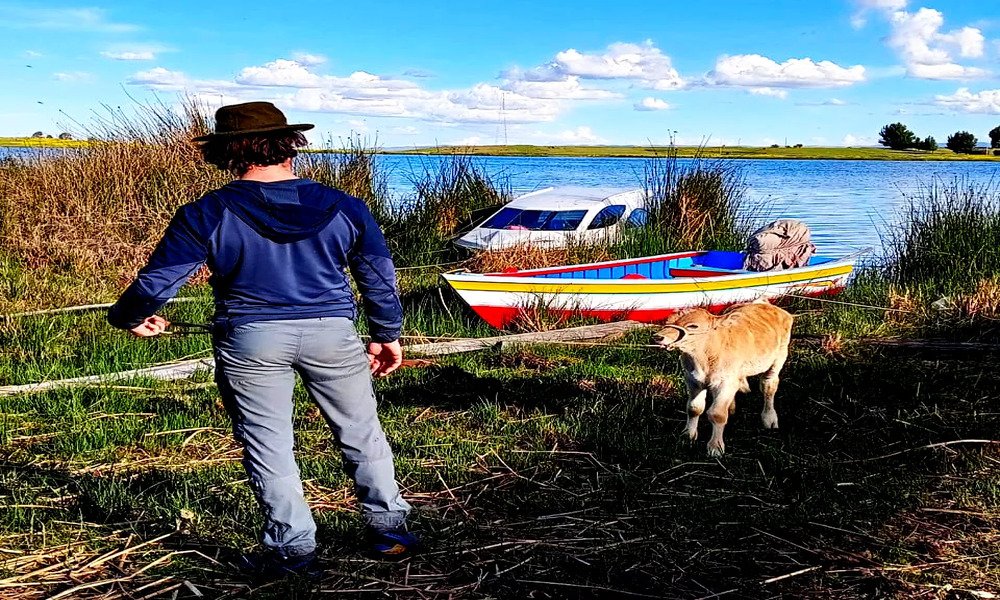
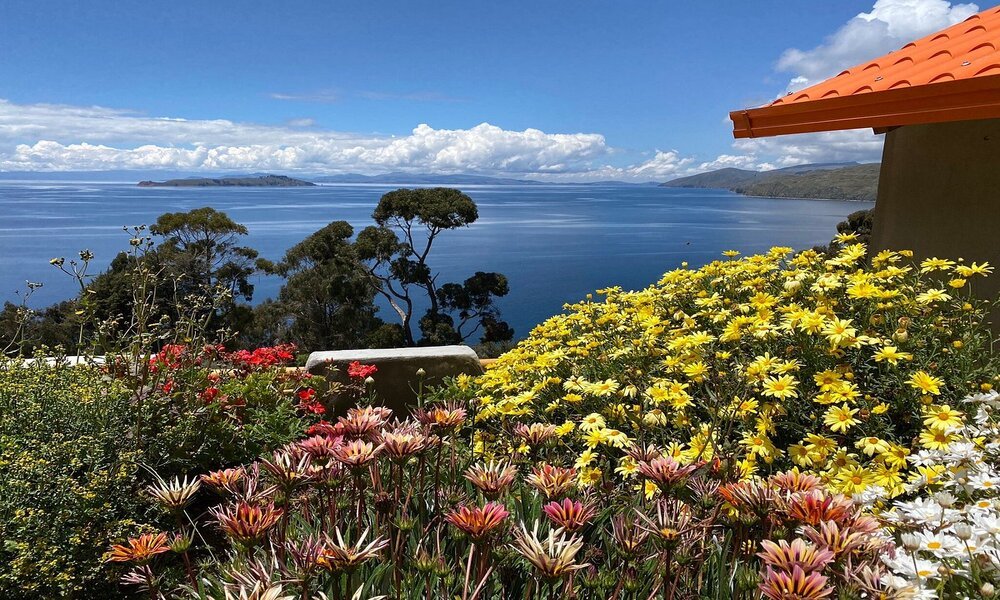
Anapia Island, in Lake Titicaca, has an ecosystem characteristic of the Andean highlands, with a combination of lacustrine and terrestrial environments that host a diversity of flora and fauna adapted to the high altitude and cold climate.
Flora:
- The vegetation is typical of the puna, with ichu (high Andean grass) and other native grasses.
- Traditional crops are grown in family plots, such as potatoes, quinoa, beans, and occasionally corn, which are part of the local diet and community tourism.
- Along the shores and wetlands, aquatic plants and reeds grow, helping to preserve the lake’s ecosystem.
Fauna:
-
The island is home to Andean and aquatic birds, such as seagulls, ducks, grebes, and geese from Lake Titicaca .
-
Small species of native fish, used in the community’s artisanal fishing, can also be found.
-
Some domestic mammals, such as alpacas, llamas, and guinea pigs , live with the inhabitants and are part of daily activities.
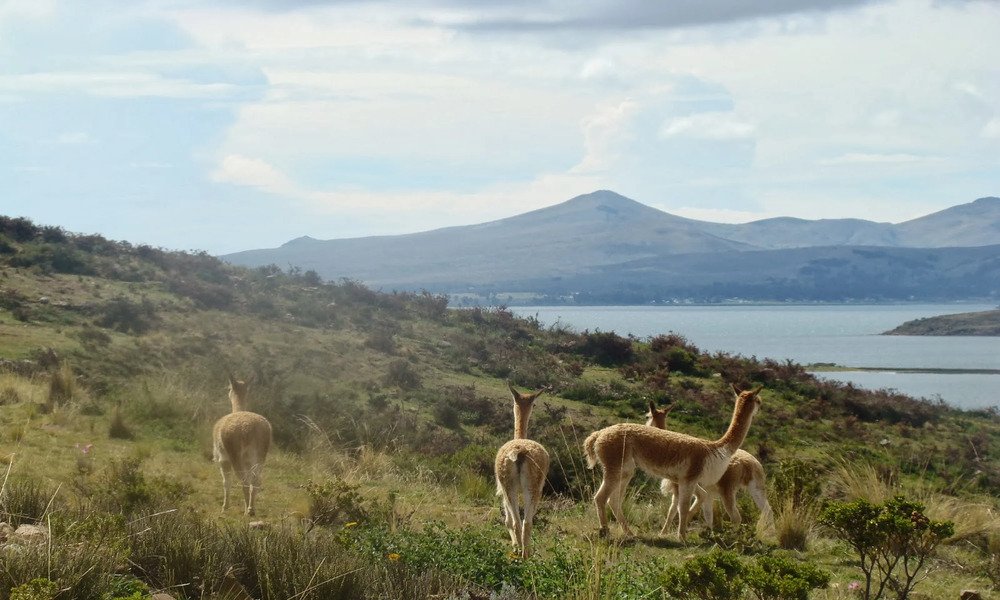
The Anapia ecosystem is relatively fragile , so community tourism seeks to respect and conserve the local flora and fauna, promoting sustainable practices and a close but responsible contact with nature.
Best Time To Visit
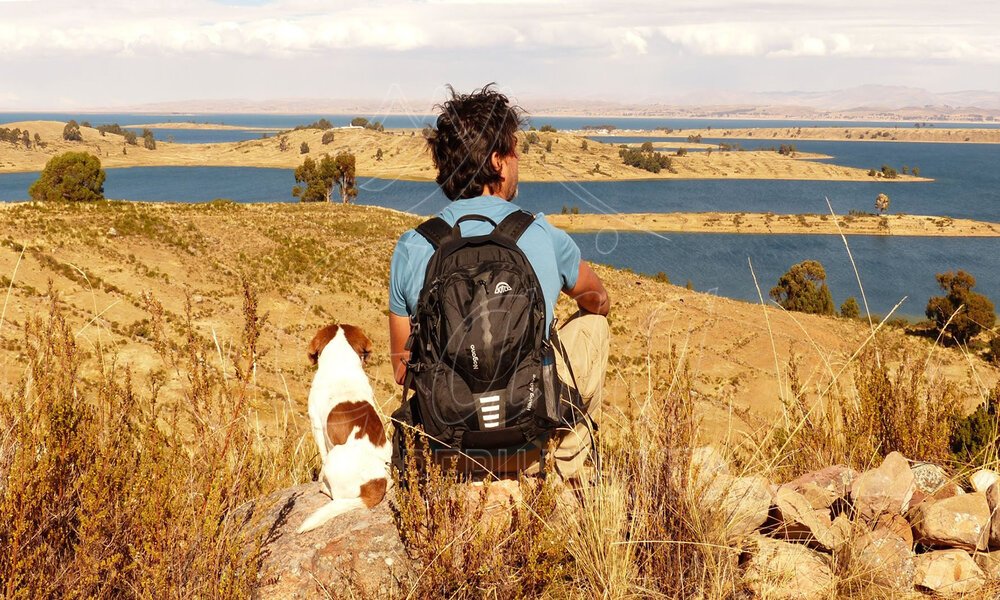
The best time to visit Anapia Island in Lake Titicaca is during the dry season , which runs approximately from May to October .
-
Climate: During these months the sky is usually clear, there is less rain and the temperatures, although cold due to the altitude, are more stable.
-
Landscape: Sunny days allow you to better enjoy the landscapes, walks around the island and outdoor activities.
-
Tourism: Being a destination with little tourism, there are no crowds at any time, but the dry season facilitates boating and community activities.
In contrast, the rainy season (November to April) can make travel and some outdoor activities difficult, although the island maintains its natural beauty and tranquility.