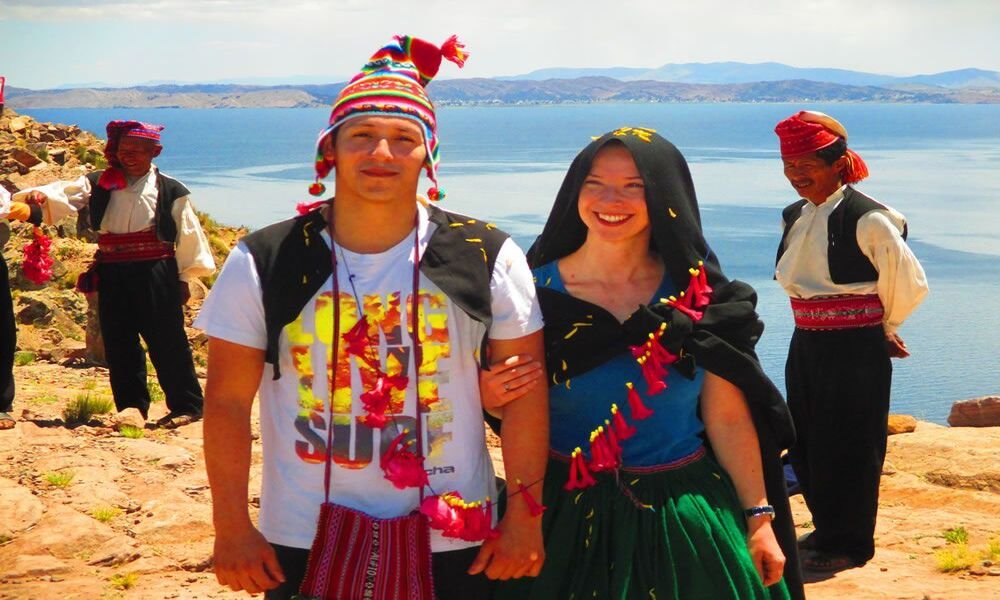
“What can I do to avoid altitude sickness in Puno?”
Puno , located at over 3,800 meters above sea level, can cause altitude sickness ( soroche) in some people, with symptoms such as dizziness, headache, and difficulty breathing. To enjoy this beautiful city comfortably, it’s important to know some tips to prevent and alleviate these effects.
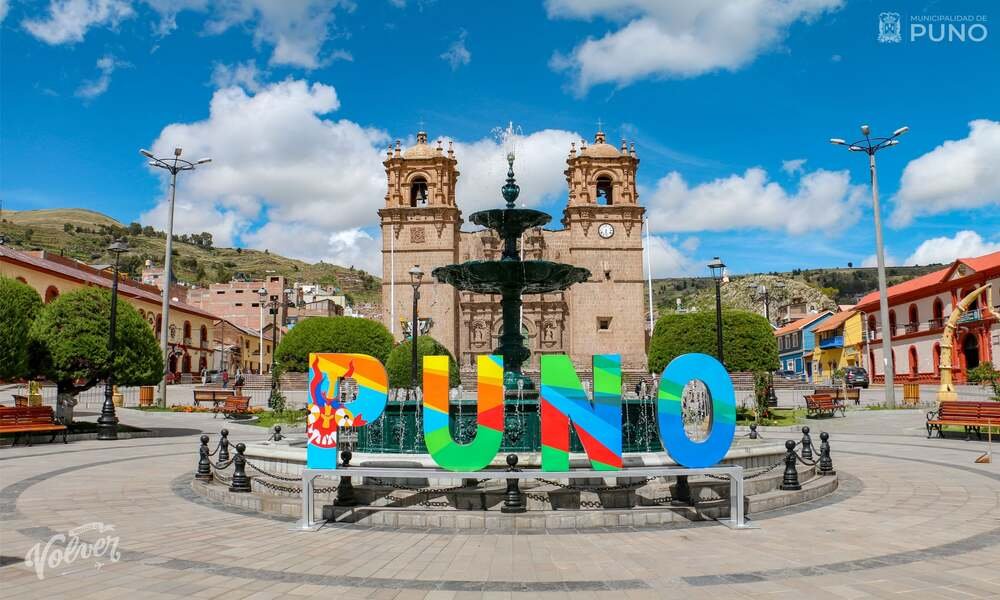
Below, we share recommendations to help you adapt to the altitude and enjoy your visit to the fullest.
What is altitude sickness?
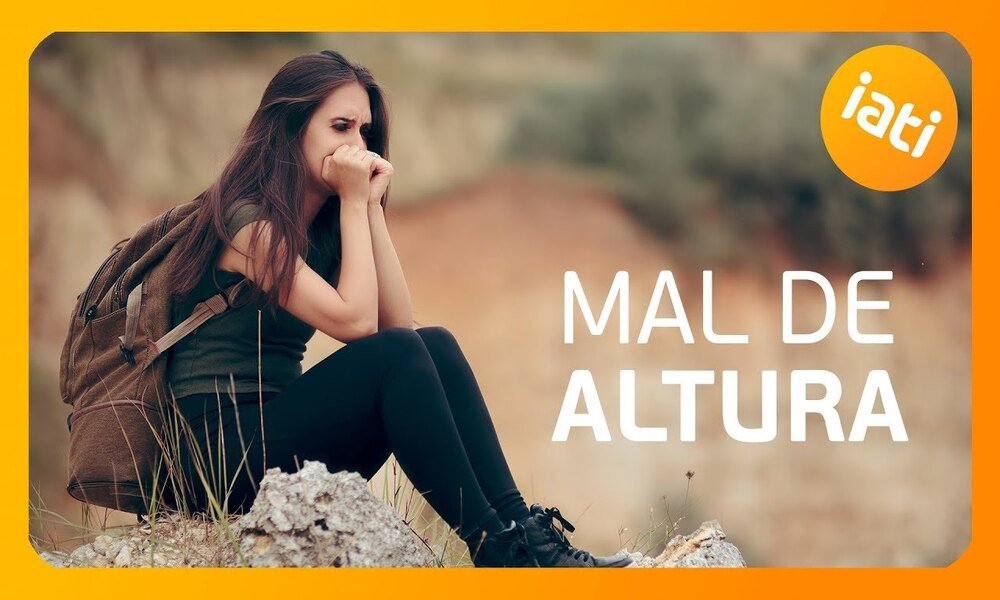
Altitude sickness, also known as soroche , is the body’s reaction to the decrease in oxygen levels at high altitudes, such as Puno, which is located more than 3,800 meters above sea level. This problem can affect people of any age, especially those arriving from lower altitudes.
Symptoms of altitude sickness
Altitude sickness can occur a few hours after arriving at a high altitude. The most common symptoms are:
Headache
Dizziness or feeling of unsteadiness
Nausea or vomiting
Excessive tiredness
Shortness of breath or difficulty breathing
Loss of appetite
Drowsiness or difficulty sleeping
Accelerated heart rate
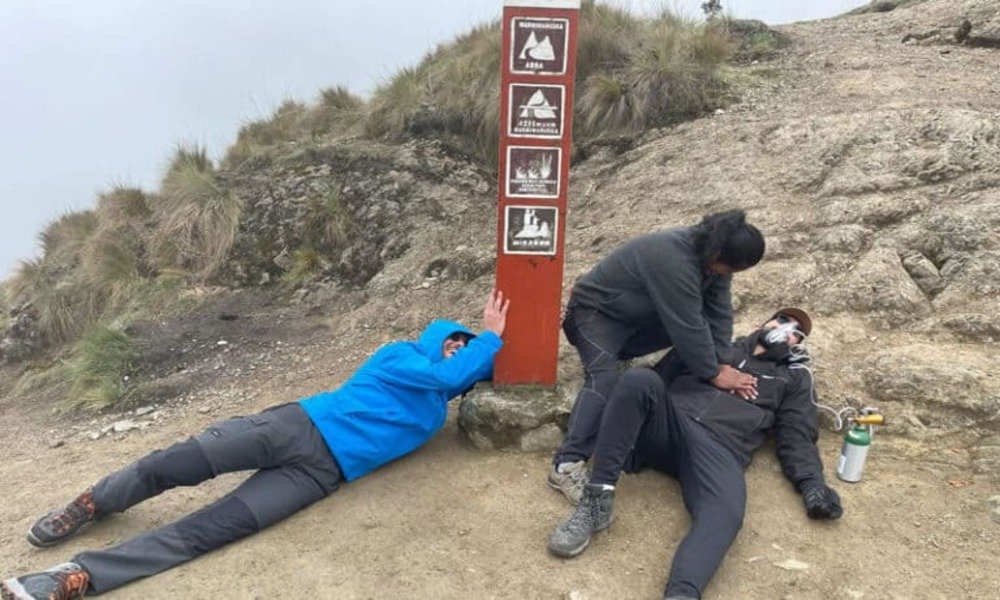
In more severe cases, symptoms may intensify and require immediate medical attention.
Altitude sickness prevention
To prevent altitude sickness, it ‘s important to allow your body to gradually adapt to the altitude. During the first few hours or the first day, it’s recommended to rest and avoid strenuous physical activity. Walking slowly and not overexerting yourself helps reduce symptoms.
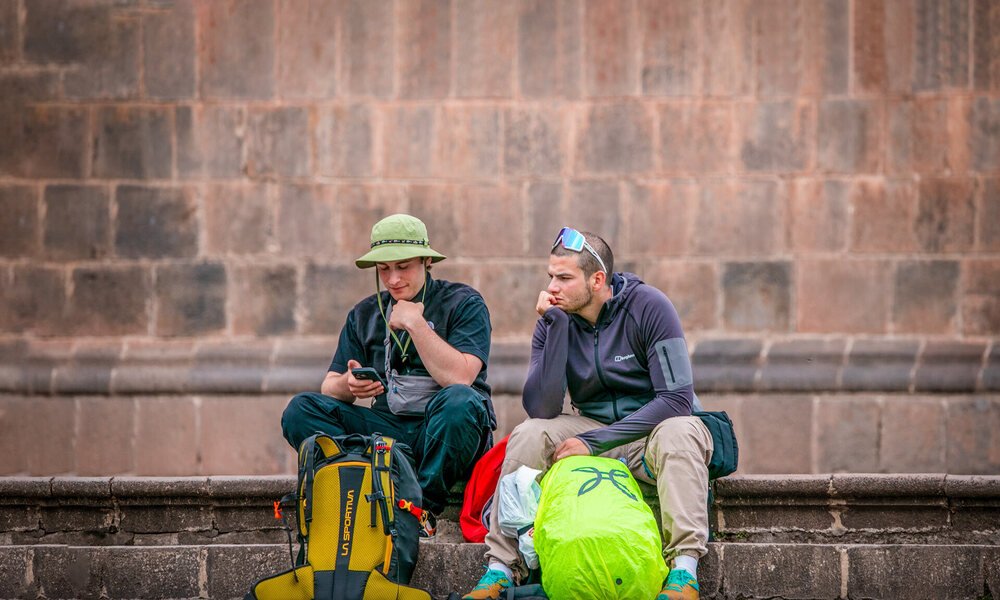
Staying well hydrated is essential, so drink plenty of water throughout the day. It’s also advisable to eat light meals, preferably rich in carbohydrates, and avoid alcohol and tobacco, as these can worsen the effects of altitude .

Getting enough sleep and maintaining a calm attitude contribute to better adjustment. Additionally, some people use traditional remedies like coca tea to relieve mild discomfort. If severe or persistent symptoms appear, medical attention should be sought immediately.

Coca Tea
Coca tea is a traditional infusion well-known in Andean regions like Puno. Made from coca leaves, it has been used since ancient times by local communities to help manage the effects of altitude sickness. This tea is commonly consumed by visitors and residents alike to help alleviate mild symptoms of altitude sickness, such as headaches, fatigue, and dizziness. Many people also drink it because it produces a feeling of relief and general well-being.
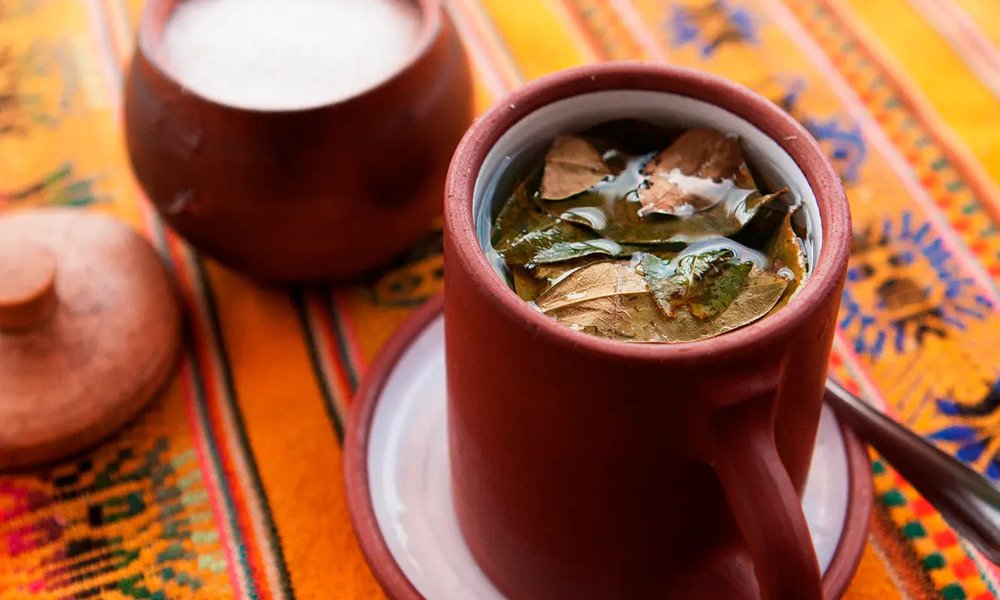
It’s important to clarify that coca tea is not a drug , and its traditional use differs from other coca-derived substances, according to the WHO . However, it is recommended to consume it in moderation and only as a supportive measure, not as a medical treatment. If altitude sickness symptoms are severe or persistent, medical attention should always be sought.
Recommendations
Rest well upon reaching a high altitude
Avoid running or intense physical exertion .
Drink plenty of water throughout the day
Eat light and in small portions
Evitar el consumo de alcohol
No fumar
Caminar despacio
Dress warmly, especially at night
Listen to your body and don’t push yourself .
See a doctor if symptoms do not improve