


“Is it better to stay overnight in Amantaní (experiential tourism) or do a full-day tour?”
Amantaní, on Lake Titicaca , offers a unique blend of culture and nature. When visiting, the question arises: should you stay overnight for an immersive tourism experience or just take a day trip? Here we’ll explore the advantages of each option to help you decide the best way to enjoy the island.
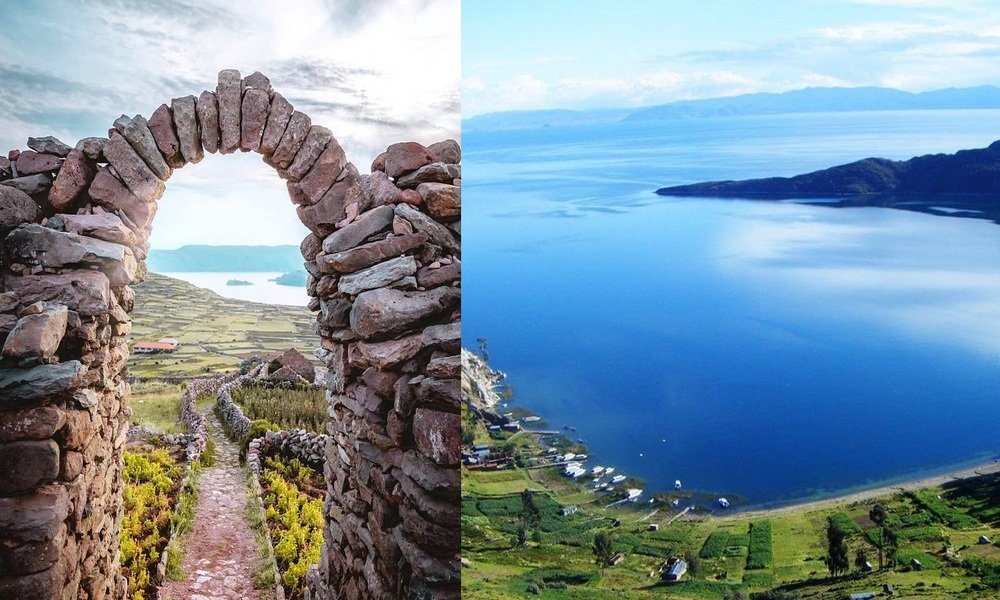
Is it better to sleep in Amantaní (experiential tourism) or do it full day?
Amantaní is one of the most beautiful and traditional islands on Lake Titicaca in Peru. Its appeal lies not only in its landscapes but also in the vibrant culture of its inhabitants, who preserve ancestral traditions such as terrace farming and local festivals. When visiting the island, you can choose between a full-day tour or an overnight stay with experiential tourism , and each option offers very different experiences.
Full-Day Tour in Amantaní
The full-day tour is an option designed for those who want to visit Amantaní without staying overnight on the island. This type of tour usually lasts between 6 and 8 hours, depending on the starting point and transportation.
What’s included and what you can do:
Hiking trails: Tours usually include moderate hikes that allow you to explore the island, see agricultural terraces and enjoy panoramic views of Lake Titicaca.
Visit to ancient temples: Amantaní has pre-Incan temples, such as Pachatata and Pachamama, which offer a glimpse into the history and beliefs of the community.
Panoramic viewpoints: Visitors can climb to the highest viewpoints on the island, from where they can see Lake Titicaca and nearby islands, such as Taquile and the Uros.
Optional local lunch: Some tours include lunch on the island or the opportunity to try typical dishes.
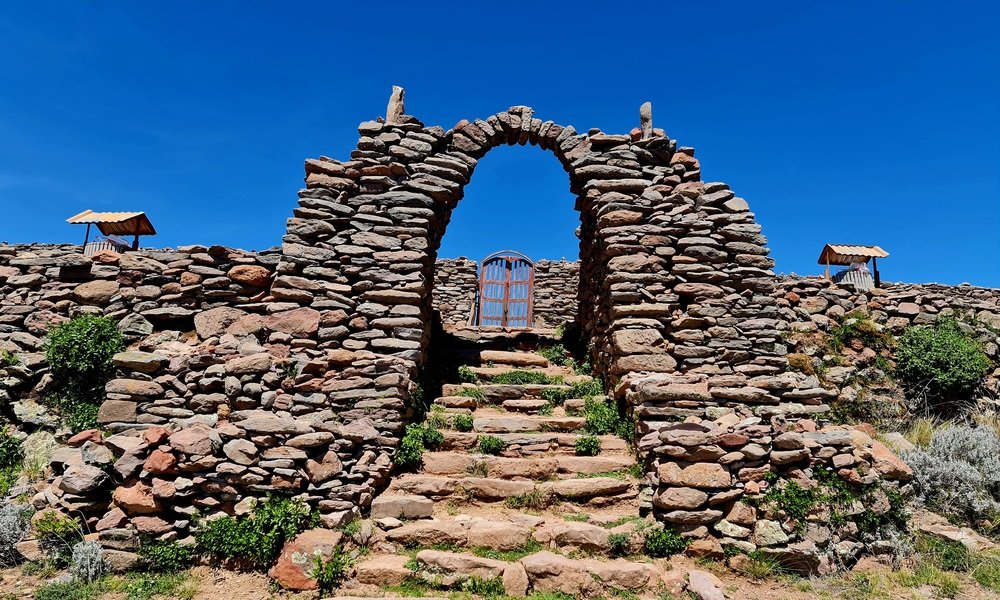
Advantages of the Full-Day Tour:
It’s ideal if you have little time or plan to visit several islands in a single day.
Generally, the tour includes boat transport , a guide, and scheduling, which simplifies logistics.
Allows you to get an overview of the island and take photos of the main tourist attractions.
Limitations:
Interaction with the local community is minimal , as the visit is quick and geared towards tourism.
It does not allow you to live the complete cultural experience , such as sleeping with local families or participating in everyday activities.
The experience can feel rushed , especially if you want to explore calmly or enjoy the tranquility of the island.
Sleeping in Amantaní (experiential tourism)
Staying overnight on Amantaní is the ideal option for those seeking an authentic and immersive island experience. This type of tourism allows you to connect directly with the local community and experience their daily life.
What’s included and what you can do:
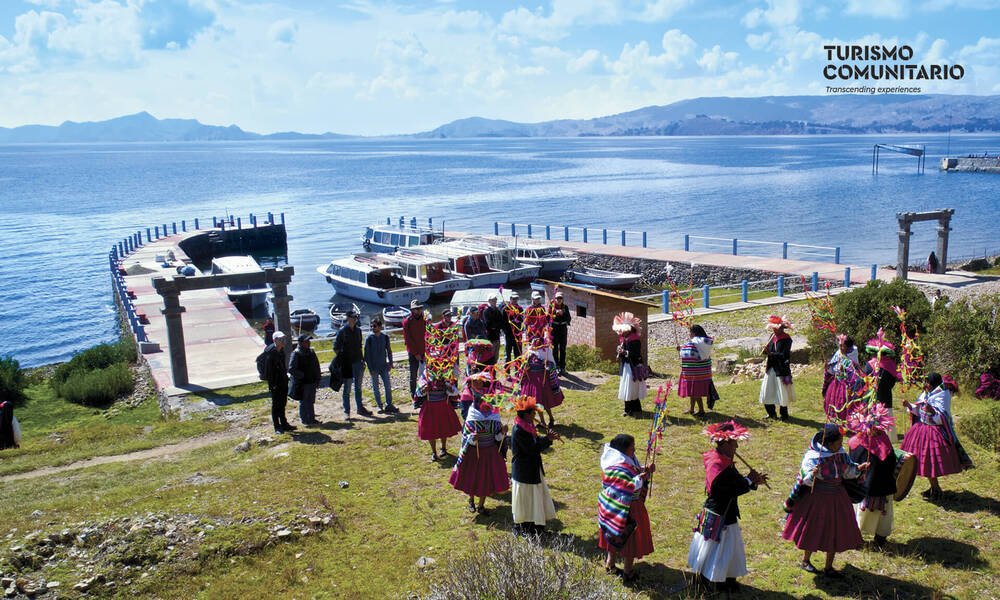
Living with local families: Visitors stay in the homes of families who host tourists. This allows them to learn about their daily lives, participate in domestic activities, and share traditional meals .
Typical gastronomy: You can enjoy local dishes made with products from the island, such as potatoes, quinoa, fish from the lake and traditional soups, prepared by the families themselves.
Ceremonies and festivities: If the visit coincides with any local celebration, tourists can participate in rituals, dances and cultural events, offering an authentic perspective of Andean traditions.
Unique sunrises and sunsets: By staying overnight, you can enjoy the calm of the island at sunrise and the landscape of Lake Titicaca at sunset, moments that are not experienced on a day tour.
Explore at a leisurely pace: Sleeping on the island allows you to explore trails, temples and viewpoints at a relaxed pace, without rushing, and enjoy the nature and tranquility of the surroundings.
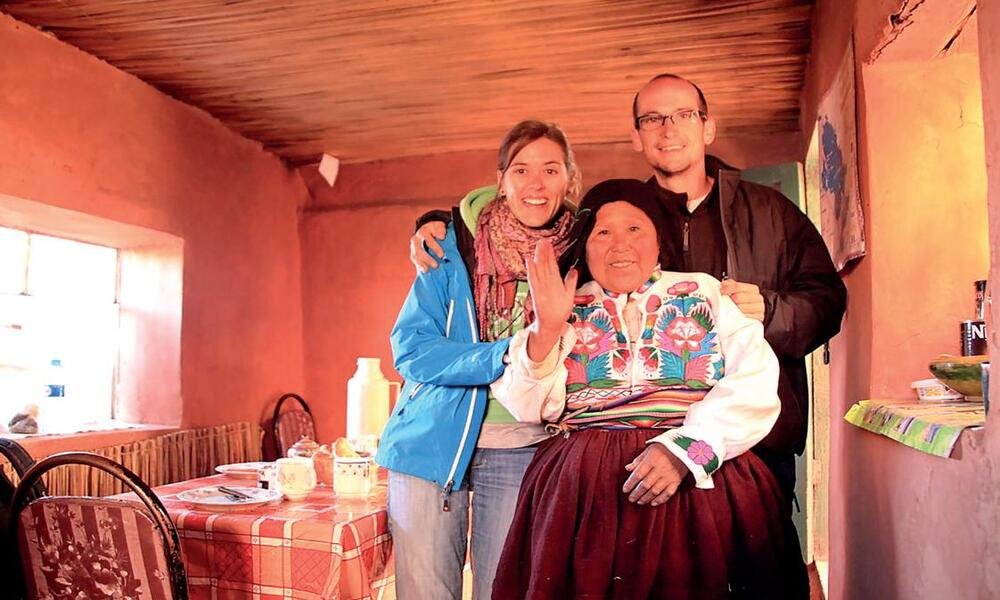
Advantages of Experiential Tourism:
Complete cultural immersion and direct contact with the community.
Authentic and memorable experience of Andean rural life.
Opportunity to learn about ancestral agriculture, customs and local language (Quechua or Aymara).
Photos and memories of unique moments that are not experienced on quick excursions.
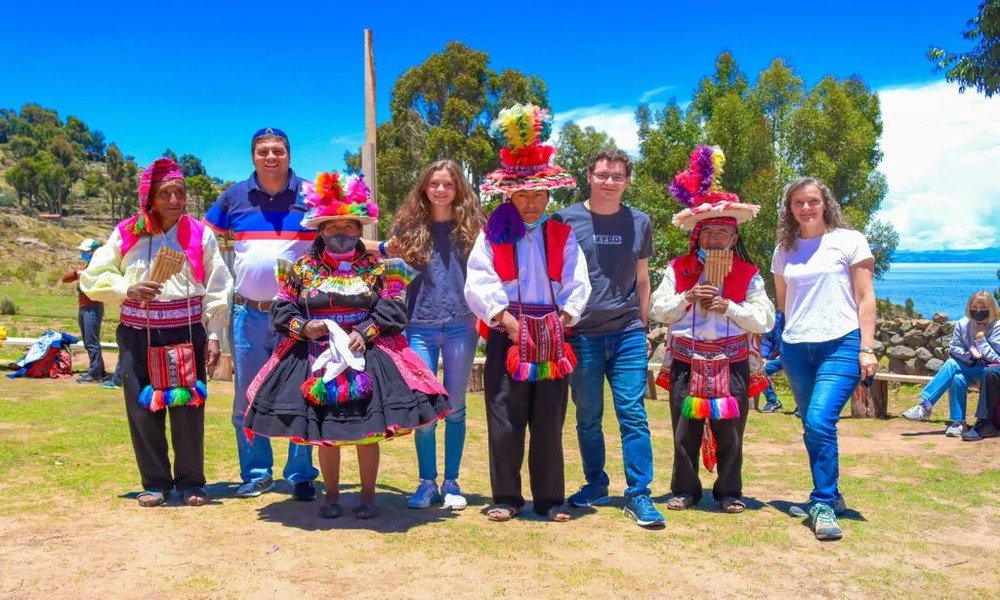
Considerations:
It may require greater physical effort , as it involves walking and climbing to the highest viewpoints.
Requires planning for accommodation and meals , unlike the full day tour which is more organized.
Ideal for those seeking tranquility, culture and authentic experiences , rather than speed or efficiency.
Other factors to consider
Physical activity level: Sleeping on the island may involve longer walks and climbing to the highest viewpoints, which may be tiring for some.
Cost: Experiential tourism can be a bit more expensive, as it includes accommodation and meals, while a full-day tour is usually cheaper.
Cultural interaction: Staying overnight allows you to learn about the local language (Quechua), ancestral agricultural techniques, and daily customs.
In conclusion, the choice depends on what you’re looking for in your trip: a quick and practical glimpse of the island with a full-day tour, or a complete and immersive experience with experiential tourism that allows you to connect with the community and experience the true rhythm of Amantaní.