Which island is better: Taquile or Amantaní?
Lake Titicaca is home to two popular islands: Taquile and Amantaní , each with its own unique charm. Depending on what you’re looking for, whether it’s a cultural immersion or exploring history and unique landscapes—the choice may vary. In this article, we compare both islands in terms of activities, cuisine, and traditions to help you decide which is the best option for your visit.
Taquile Island
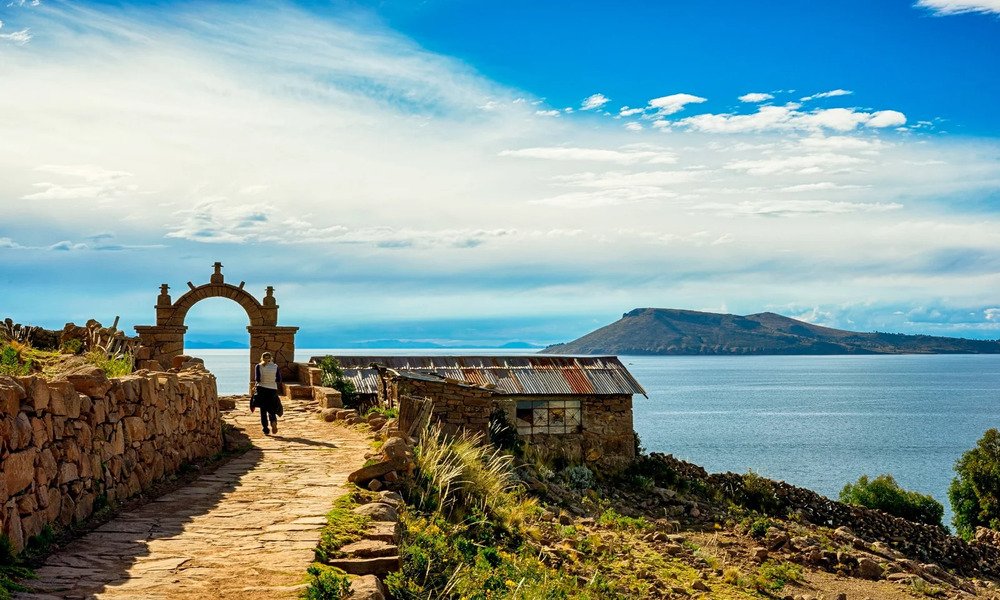
Located in the heart of Lake Titicaca, Taquile is an island renowned for its stunning natural beauty and rich culture. With its agricultural terraces, traditional textiles, and panoramic landscapes, Taquile offers a unique experience for those seeking to connect with Andean traditions and enjoy the island’s serenity. It is situated about 45 minutes by boat from the port of Puno , on the Peruvian side of Lake Titicaca. The most common way to reach Taquile is by taking a boat from the port of Puno or from the nearby Uros Islands . Tours generally last between one and two hours, depending on weather conditions and the type of vessel.
What to see and do in Taquile:
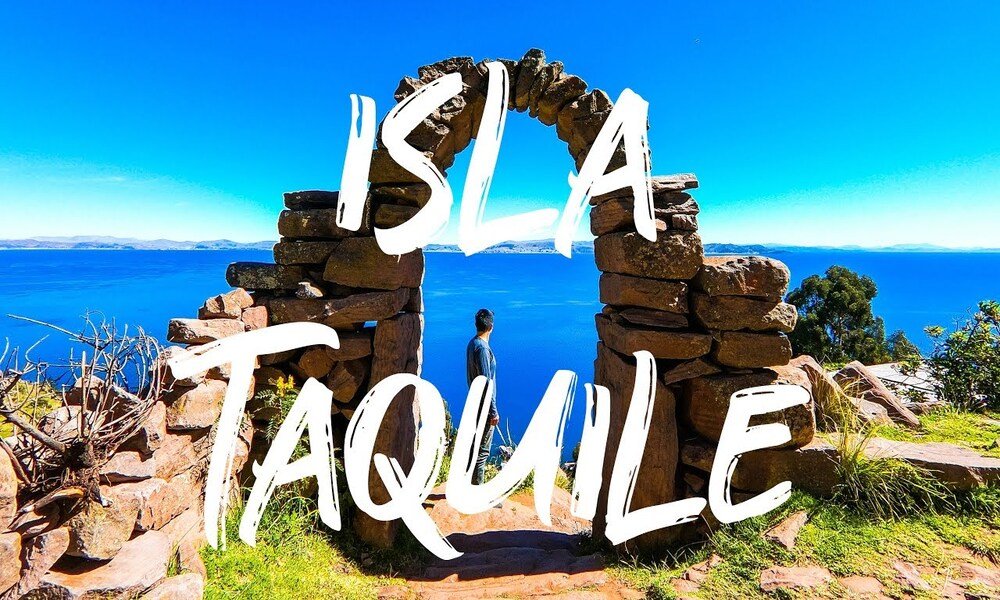
Hiking and viewpoints: Taquile is a mountainous island, ideal for hiking enthusiasts. It offers beautiful hikes along trails that connect the island’s highest points, where you can enjoy panoramic views of Lake Titicaca and its surroundings.
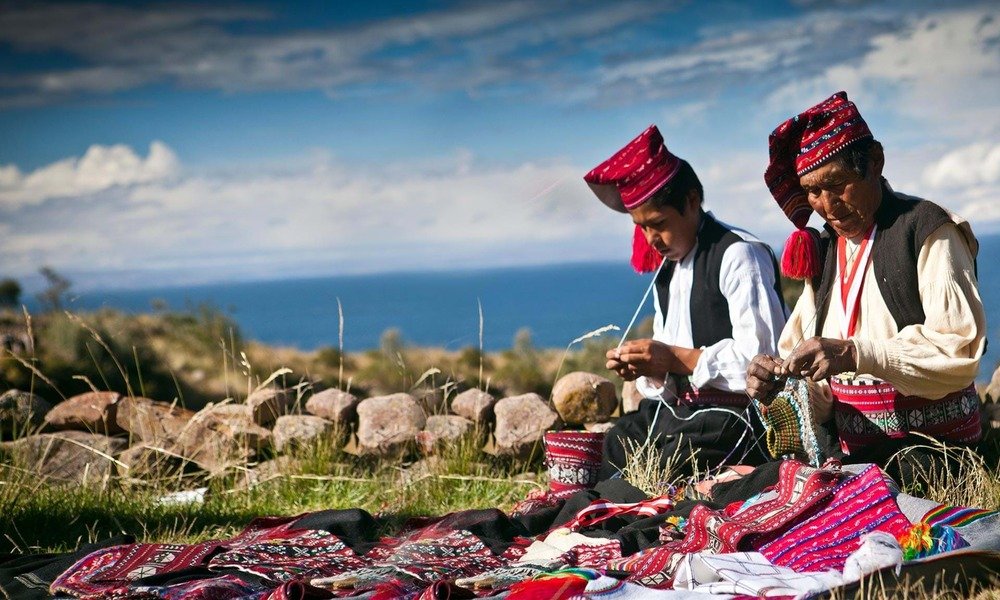
Textiles and Traditional Art: The island is famous for its textile tradition. The inhabitants produce handmade items such as hats , scarves , and blankets . These products are part of their local economy , and tourists can buy souvenirs directly from the artisans.
Plazas and traditional architecture: Taquile has a unique social organization in which families are grouped into communities that cooperate on various activities. It is very interesting to learn about their organizational system, based on cooperation.
Beaches: Although the beaches in Taquile are not large, the small coves on the shores of the lake allow you to enjoy a unique and peaceful landscape.
Gastronomy
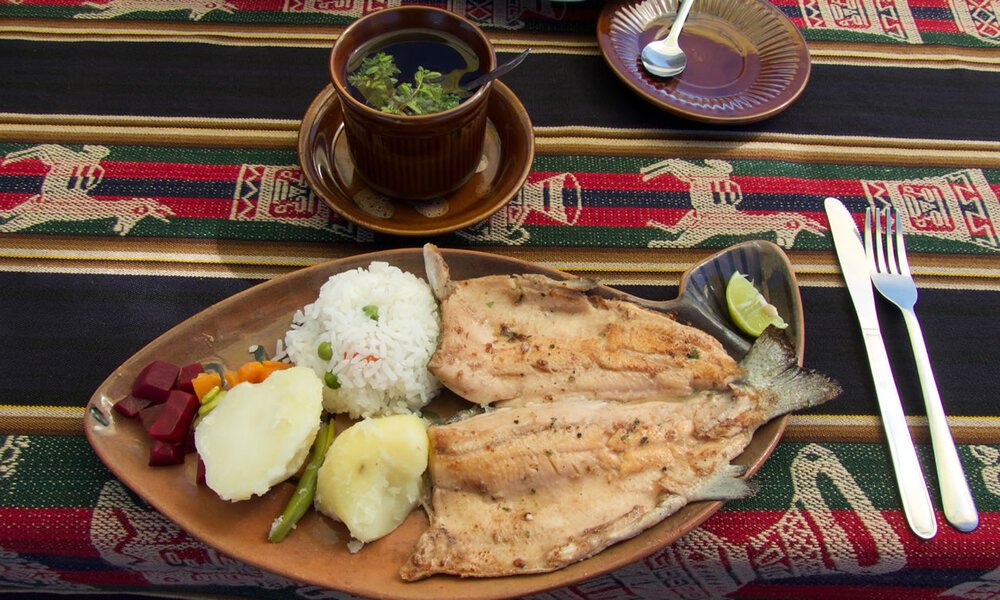
In Taquile, you can enjoy typical dishes such as quinoa soup ,lake trout , potatoes , and Andean bread . Some tours include community lunches prepared by local families.
Amantaní Island
What to see and do in Amantaní:
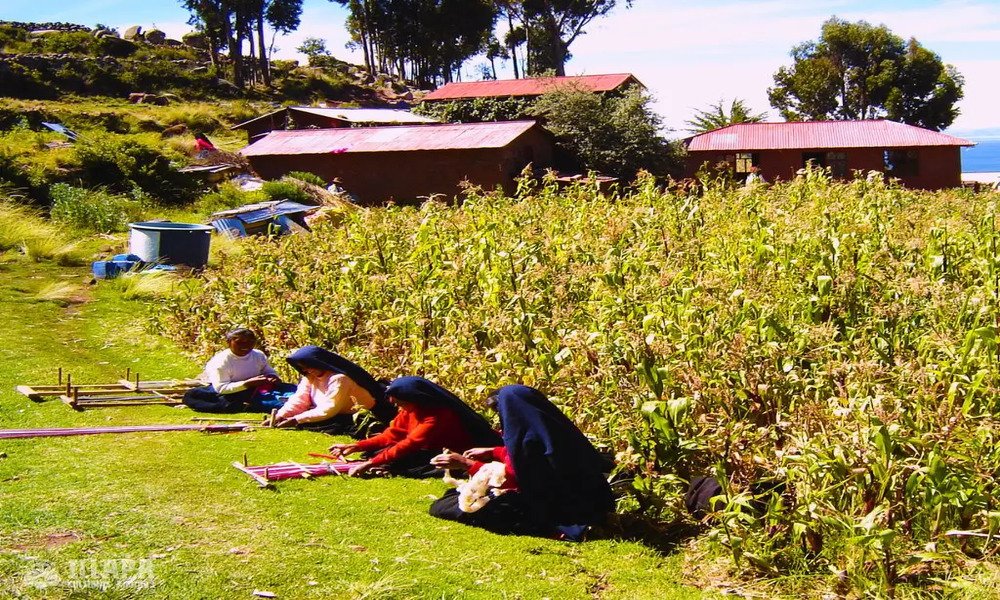
Experiential tourism: The main attraction of Amantaní is experiential tourism. Visitors can stay with local families, learn about their agriculture and textile work, and take part in daily activities such as food preparation. This is an excellent opportunity to get to know up close the lives of the inhabitants of the islands of Lake Titicaca.
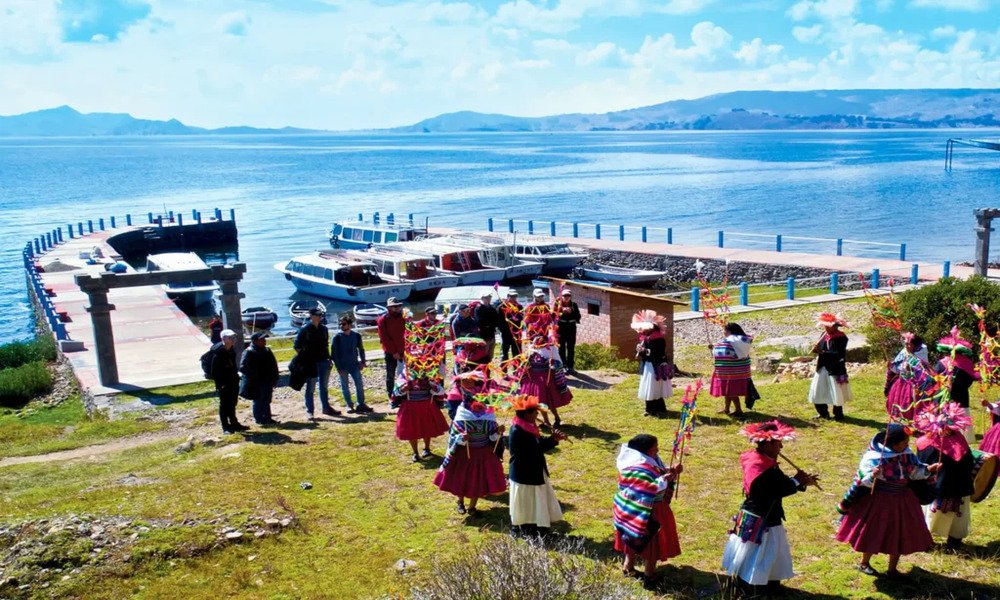
Ceremonies and festivities: If you visit the island during a local celebration such as the Day of the Virgin of Candelaria, you can take part in traditional dances, rituals, and community celebrations.
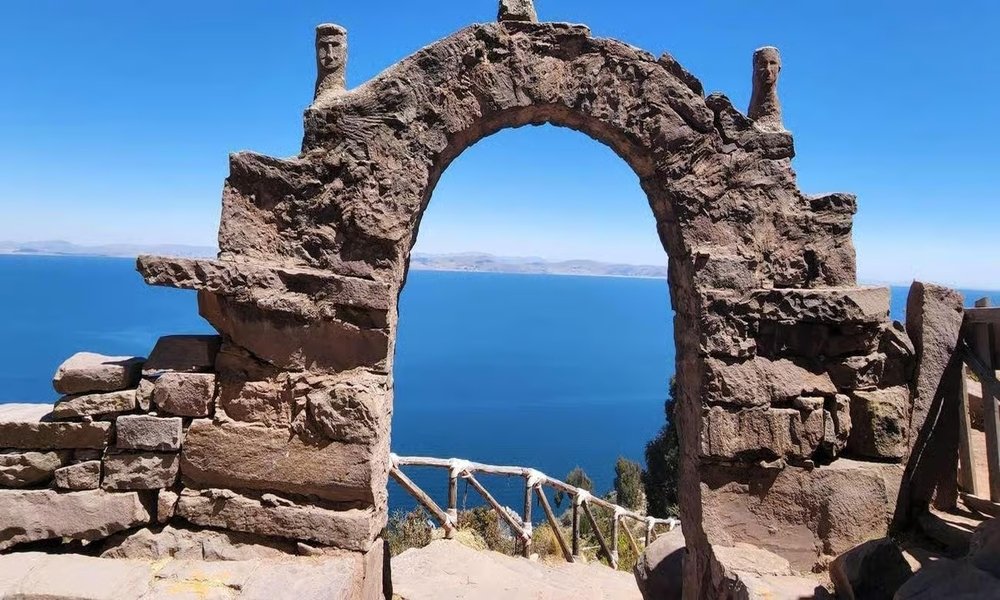
Temples of Pachamama and Pachatata: From the highest point on the island, you can visit the temples of Pachamama (Mother Earth) and Pachatata (Father Earth), which are of great spiritual importance to the people of Amantaní. The hike to these temples offers breathtaking views of the lake and the surrounding mountains.
Senderismo y naturaleza: Amantaní es mucho menos turística que Taquile, lo que la convierte en un lugar perfecto para quienes buscan paz y tranquilidad. Puedes explorar sus colinas y disfrutar de paisajes tranquilos y relajantes, lejos del bullicio de la ciudad.
Gastronomy
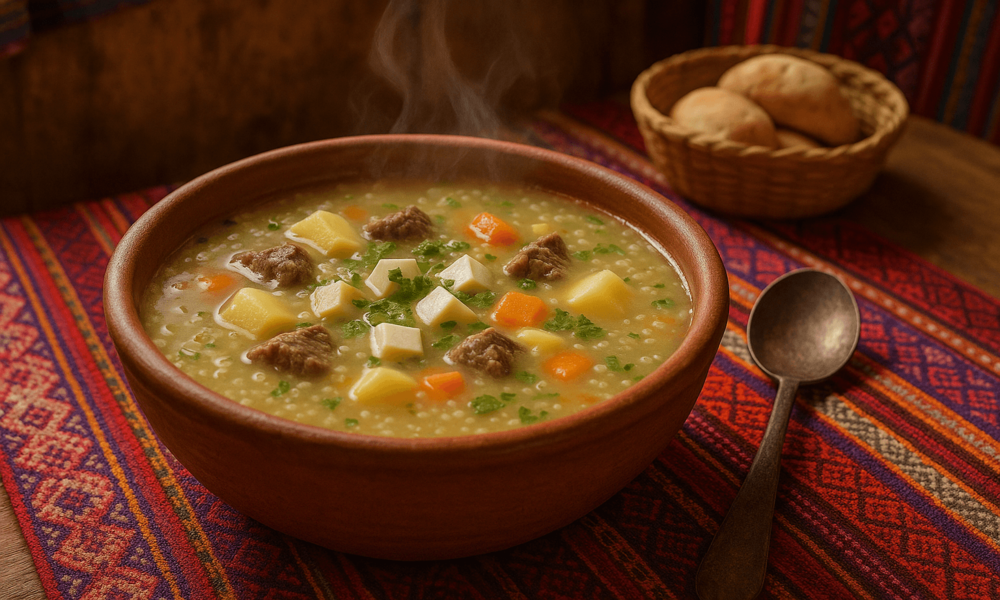
Families in Amantaní serve traditional dishes such as quinoa soup , potatoes with sauce, chuño (freeze-dried potatoes), and trout . The dishes are simple yet delicious, and many tourists help prepare the meals with their host families.
Comparison: Which is the best option?
For lovers of culture and tranquility: Amantaní is the ideal choice. If you’re looking for an authentic experience, staying with local families and participating in their traditions, this island is the best option.
For those seeking a quicker and more accessible experience: Taquile is easier to visit in a day, with more tourist infrastructure and organized activities. It’s perfect if you have limited time and are interested in exploring the local culture without venturing too far inland.