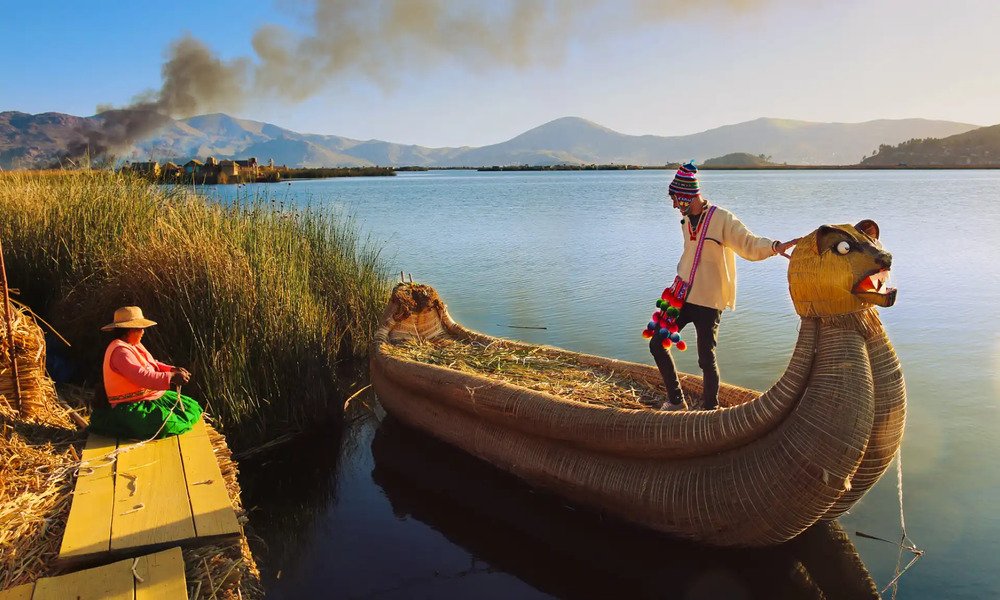
What souvenirs and handicrafts to buy in Puno and Taquile?
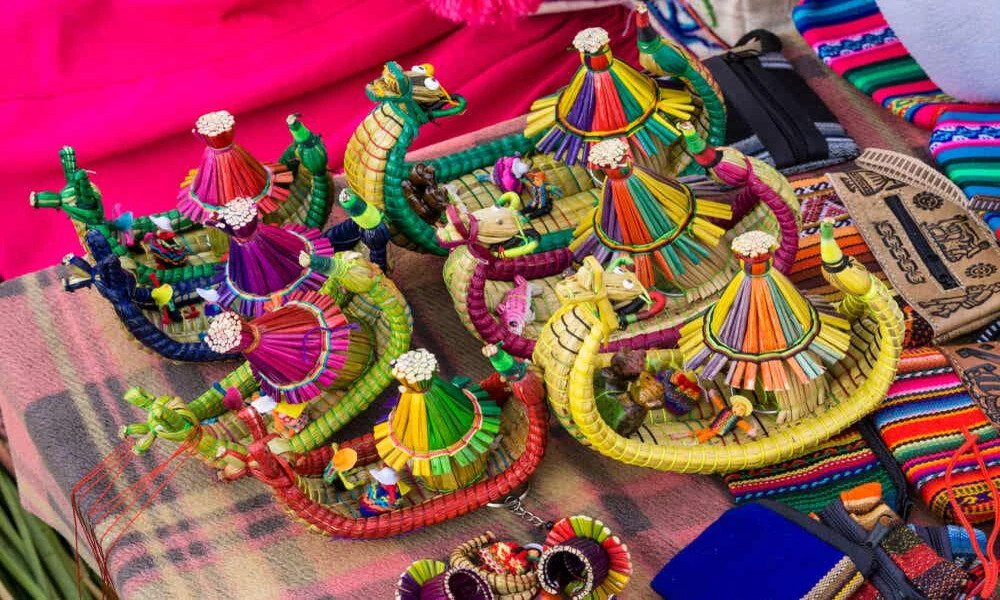
What souvenirs and handicrafts should you buy in Puno and Taquile? This region is known for its textile tradition, handmade pieces, and Andean cultural symbolism. Buying local handicrafts is not only about taking home an authentic souvenir, but also about directly supporting the communities around Lake Titicaca.
Traditional handicrafts of Puno
Puno is one of the main craft centers in southern Peru and stands out for its rich Andean tradition, especially in textiles, ceramics, and work with natural fibers. Puno’s handicrafts reflect the worldview of the Altiplano, Lake Titicaca, and the daily life of its communities.
Buying handicrafts in Puno not only means taking home a souvenir, but also supporting the work of local artisans, many of them heirs to ancestral techniques passed down from generation to generation.
Alpaca and sheep wool textiles
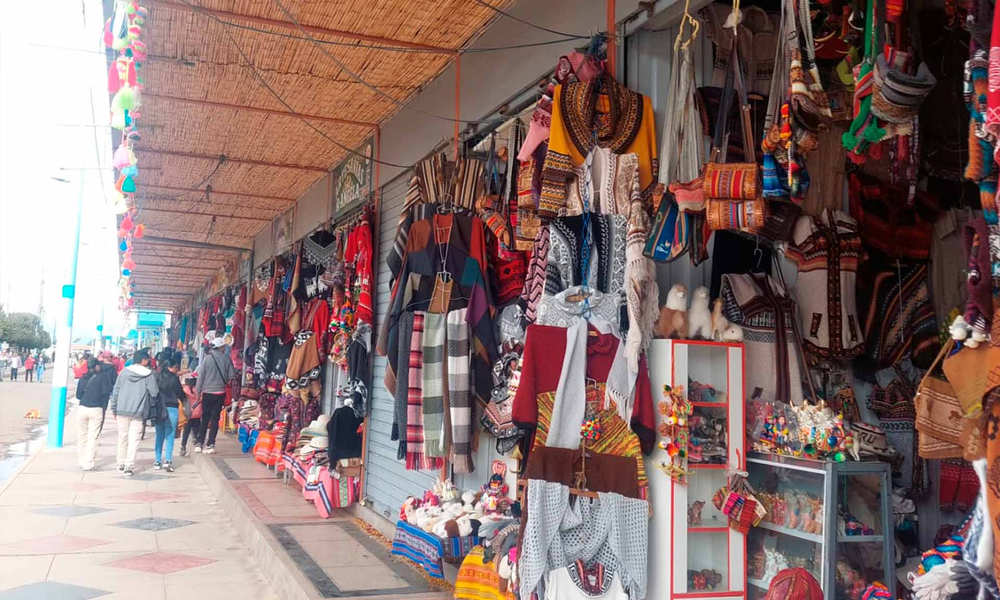
Textiles are the most representative craft of Puno. Shawls, sweaters, hats, and ponchos made of alpaca or sheep’s wool are known for their warmth, durability, and colorful designs. Many pieces incorporate Andean symbols that represent nature, protection, and cultural identity.
Bags, chullos, and accessories
Other popular souvenirs include woven bags, traditional chullos (Andean hats), gloves, and scarves. These items combine functionality and aesthetics, making them ideal for the cold climate of the Altiplano and easy to pack.
Ceramics and decorative art
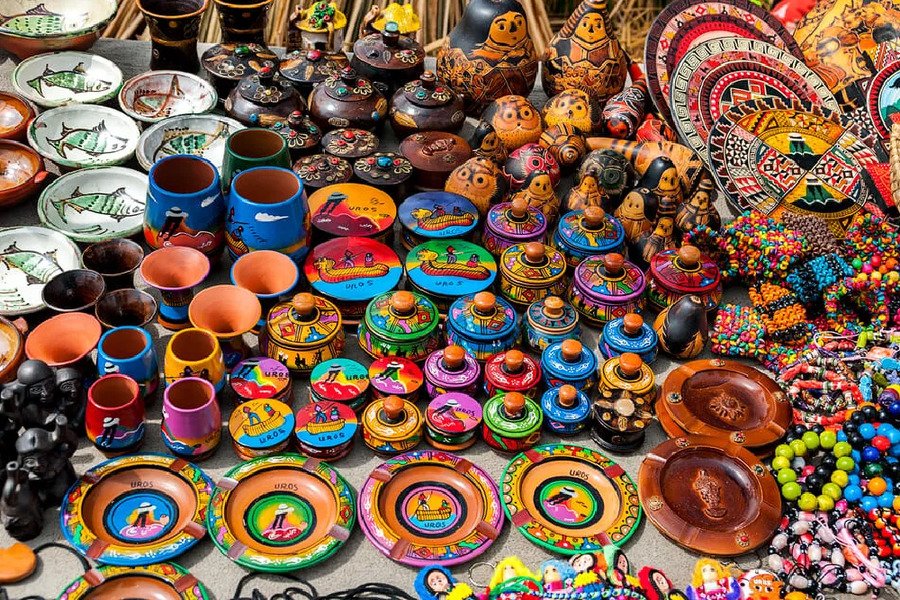
In Puno, you’ll also find decorative ceramics, masks, figurines of Lake Titicaca, and items inspired by Andean iconography. These are ideal souvenirs for decorating your home and preserving a visual memory of the region.
Typical souvenirs to take away
In addition to traditional handicrafts, Puno offers a wide variety of small, affordable souvenirs, ideal as gifts or travel mementos. These products are easy to find in markets, craft fairs, and shops in the historic center.
Choosing the right souvenirs allows you to take home authentic pieces without making large investments, always prioritizing local origin and handcrafted work.
Handmade bracelets and necklaces
Handmade bracelets and necklaces made with beads, seeds, or wool are very popular souvenirs. Many designs incorporate Andean colors and symbols of Lake Titicaca, making them simple yet meaningful keepsakes.
Magnets, keychains and small souvenirs
Magnets, keychains, and small figurines related to Puno and Lake Titicaca are inexpensive and easy to carry. Although they are more commercially available, they remain a good option for quick gifts.
Natural and traditional products
In some markets, you can find natural products such as Andean herbs, herbal teas, and small items made from totora reeds. These souvenirs reflect the communities’ direct connection to their natural environment.
Textile handicrafts from Taquile
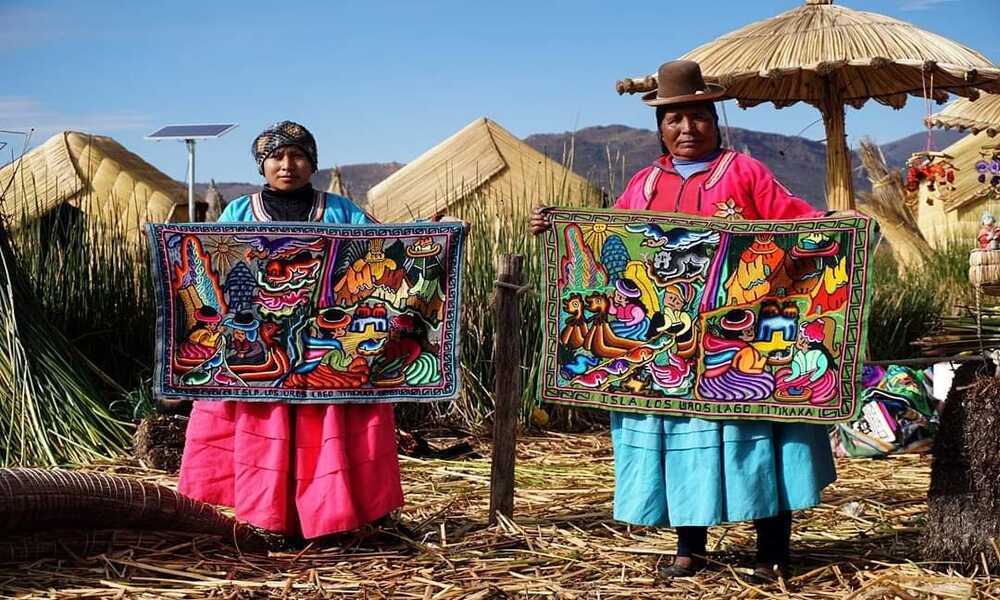
Taquile Island is world-renowned for its unique textile tradition, considered one of the finest and most intricate in the Andean world. Unlike other regions, in Taquile men are the primary weavers, and each garment reflects identity, social status, and cultural worldview.
Buying handicrafts in Taquile means acquiring 100% handmade pieces, crafted using ancestral techniques and natural materials. Each textile requires weeks or even months of work, giving it an incomparable cultural and artistic value.
Traditional Chullos from Taquileño
The chullo is the most emblematic garment of Taquile. It is handwoven from fine wool and features geometric designs full of symbolism. Traditionally, the color and details of the chullo indicate the age and marital status of the man who wears it, making this garment a living cultural artifact.
Sashes, blankets and belts
Taquileña’s sashes and blankets are renowned for their intricate craftsmanship and precision. Their designs tell stories related to daily life, agriculture, Lake Titicaca, and nature. These durable, colorful, and meaningful pieces make ideal authentic souvenirs of the island.
Quality and international recognition
The textiles of Taquile have been recognized by UNESCO as Intangible Cultural Heritage of Humanity. This recognition guarantees the authenticity and high cultural value of each piece, clearly distinguishing them from industrial products or imitations.
What is the meaning of textiles?
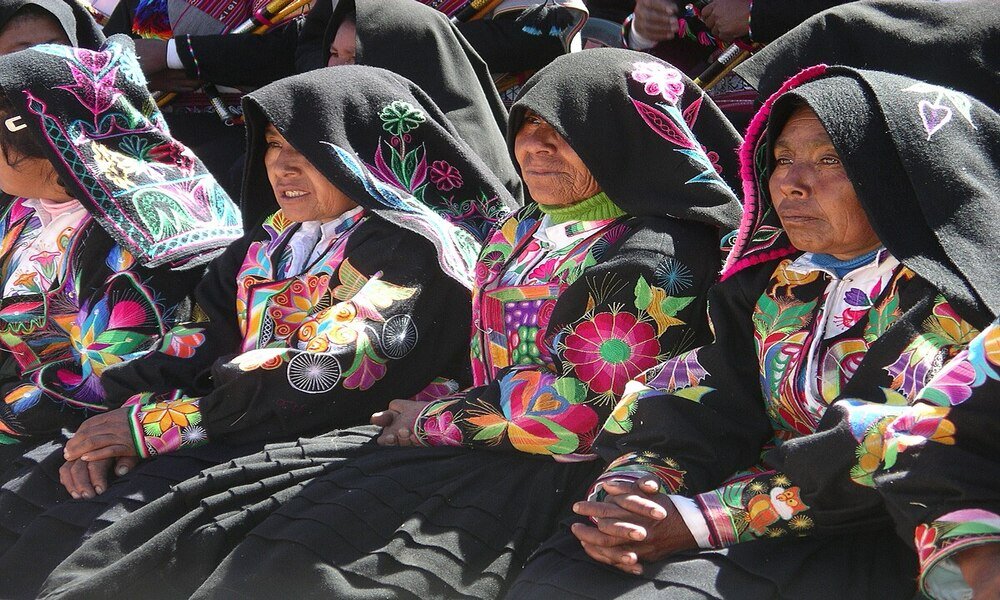
In Taquile, textiles are not simply decorative objects; they are a form of cultural communication. Each color, figure, and pattern has a specific meaning that represents history, social organization, and the spiritual relationship with nature.
Understanding the meaning of these garments allows us to appreciate each piece even more and to understand why Taquileña’s craftsmanship is considered one of the most important in Peru.
Andean Colors and Symbols
The vibrant colors represent elements of nature such as water, earth, the sun, and mountains. The geometric symbols reflect agricultural cycles, spiritual protection, and the connection between the community and the environment of Lake Titicaca.
Identity and social status
Some garments indicate whether a person is single, married, or a community authority. For example, certain designs of chullos (Andean hats) and sashes can only be worn by married men, making textiles a clear expression of social identity.
Tradition passed down through generations
Textile art is learned from childhood and passed down from parents to children. Each garment reflects years of learning, discipline, and respect for tradition, making the purchase of a Taquile textile a way of carrying a living piece of Lake Titicaca’s history.
Where to buy authentic handicrafts
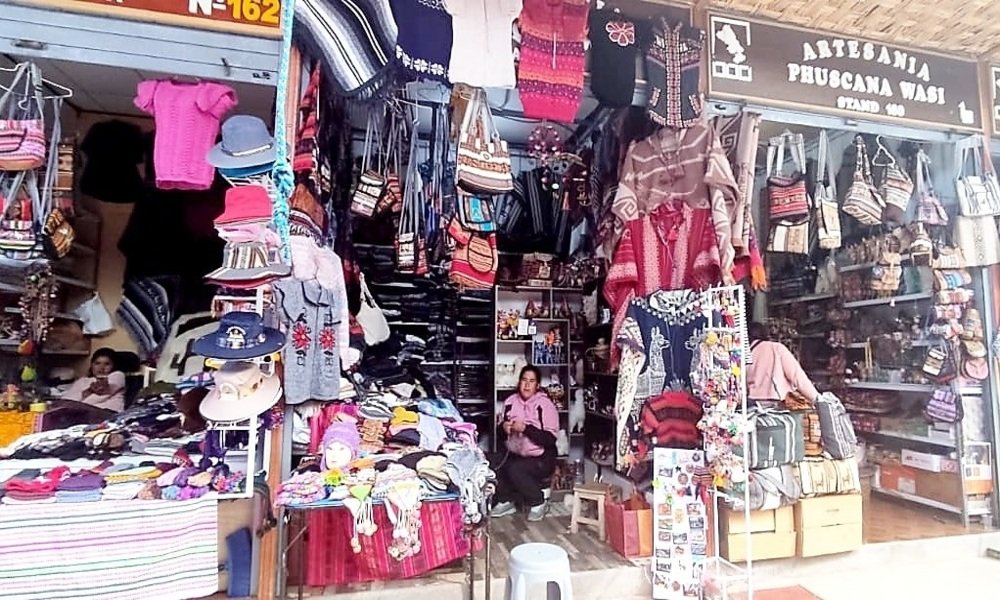
Knowing where to buy is key to ensuring that the handicrafts are authentic and truly benefit local artisans. In Puno and Taquile, there are reliable places where handcrafted work and cultural traditions are respected.
Buying directly from artisans not only guarantees authenticity, but also allows you to learn the story behind each piece and appreciate the time and dedication involved in its creation.
Markets and craft fairs in Puno
In Puno, the artisan markets and local fairs are the best places to find variety and fair prices. Here you can talk to the vendors, compare quality, and easily distinguish handmade pieces from mass-produced goods.
Direct purchase on Taquile Island
In Taquile, handicrafts are sold directly by the weavers themselves or through community associations. Buying on the island guarantees authentic pieces, made with traditional techniques and natural materials, and also directly supports local families.
Avoid imitations and mass-produced goods
It’s important to be wary of prices that are too low or identical products in large quantities. Many imitations come from factories and don’t represent true Andean craftsmanship. Observing the details, the finish, and asking about the production process helps identify genuine pieces.
Reference prices
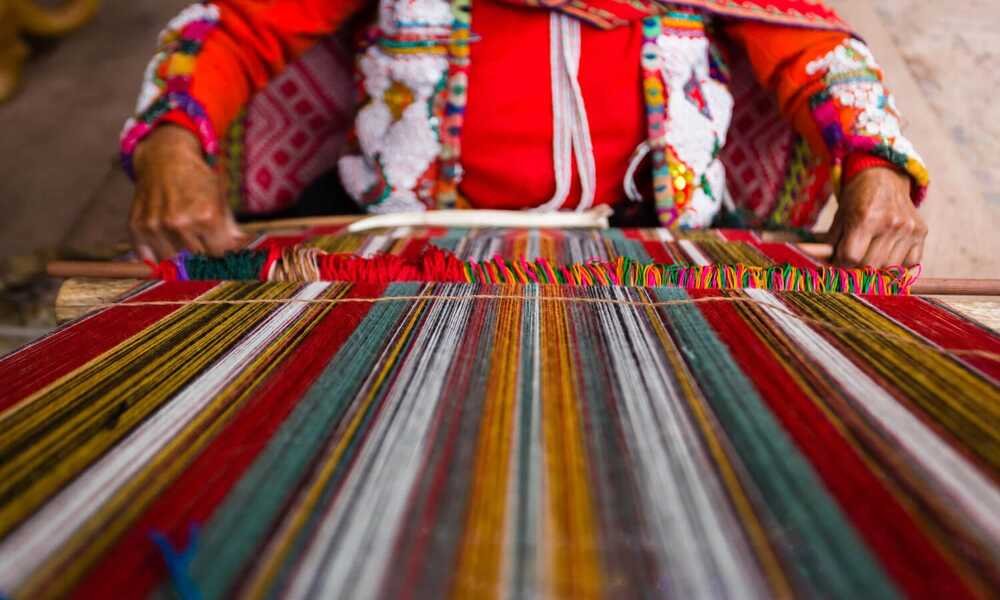
The prices of handicrafts in Puno and Taquile vary depending on the type of piece, the materials used, and the time it takes to make. Understanding these price ranges helps you appreciate the craftsmanship and avoid unrealistic expectations.
Investing in authentic crafts is betting on quality, durability and cultural significance, beyond a simple tourist souvenir.
Textile prices in Puno
Alpaca or wool scarves, hats, and accessories can be found at affordable prices, while more elaborate garments such as sweaters or ponchos have higher prices due to the handwork and the quality of the material.
Textile Prices in Taquile
Taquile handicrafts tend to be more expensive, as each piece is entirely handmade and can take weeks to complete. Chullos (Andean hats), sashes, and blankets reflect a high cultural and artistic value, recognized even internationally.
Is it worth paying more?
Yes. Paying a fair price ensures you receive an authentic, high-quality piece with deep cultural significance. Furthermore, it directly contributes to the livelihood of local communities and the preservation of an ancestral tradition.